
Reviewed · KECAK, BARONG & BALINESE DANCE
An Evening of Bali Traditional Dance
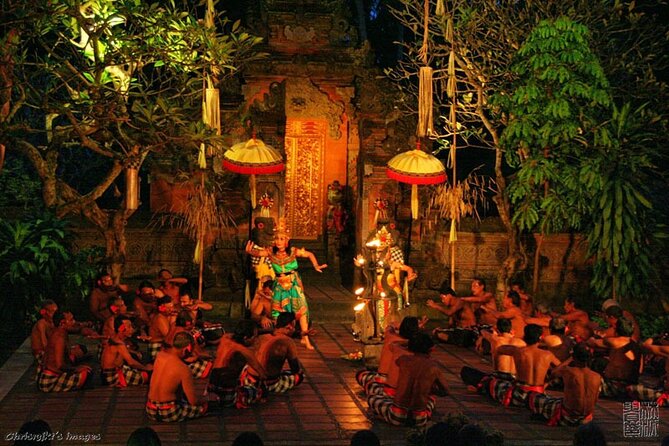
Firelight and drumbeats set the tone fast. This evening show in Batubulan strings together three traditional performances—Kecak, Fire, and Sanghyang trance—linked by story and ritual, not just stage noise. The pacing gives you a clear thread: Rama’s tale in Kecak, then the high-voltage danger-feel of the Fire Dance, followed by the trance dance rooted in older ceremonial practice.
I like the hotel pickup and drop-off, especially if you’re staying in Kuta and don’t want to fight evening traffic on your own. I also like that you get an English-speaking, licensed guide—when guides like Darta or Oka take their time, the story makes the movements much easier to follow. One thing to consider: the total evening can feel long because the ride time can stretch (and some pickups can be earlier than you expect), so come with patience.
In This Review
- Key things I’d look for before you go
- Bali’s evening dance trio: what you’re really seeing
- Timing in Kuta: the 4:00 pm start and why evenings can run long
- Batubulan amphitheater basics: outdoor seating, mosquitoes, and coals nearby
- Stop-by-stop: how the evening flows (and what to watch for)
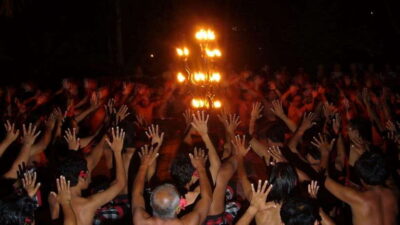
- Kecak Dance: the 50 men, the torches, and Rama’s rescue story
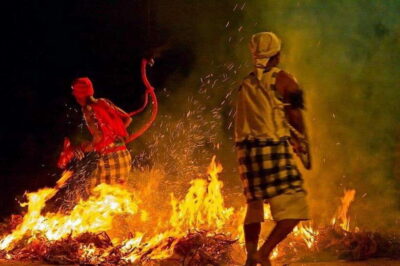
- Fire Dance: stepping over coals and the weird feeling of control
- Sanghyang (Trance) Dance: convulsive choreography with exorcism roots
- The guide factor: when explanations turn a show into a story
- Logistics and comfort: A/C vehicles, small groups, and uneven timing
- Price and value check: is $48.72 a fair deal?
- Food and what to eat before you go
- Who should book, and who should skip
- Should you book An Evening of Bali Traditional Dance in Kuta?
- FAQ
- What time does the tour start?
- How long does the experience last?
- What dances are included?
- Is hotel pickup and drop-off included?
- Is food or drinks included?
- Do I get an English-speaking guide?
- Is there a mobile ticket?
- What is the maximum group size?
- Can I cancel for free?
Key things I’d look for before you go
- Pickup convenience in southern Bali: offered from major Kuta, Seminyak, Sanur, Jimbaran, and Nusa Dua hotel areas.
- A one-hour core show: the dance performance portion is about an hour; the rest is mostly transit.
- Three dance styles with very different energy: Kecak’s chorus and torches, Fire’s coals, and Sanghyang’s trance/exorcism roots.
- Outdoors means practical comfort matters: expect mosquitoes once the sun drops, and plan for it.
- Small group cap: maximum of 15 travelers, which usually keeps things from getting chaotic.
- Budget for snacks: food and drinks aren’t included.
Bali’s evening dance trio: what you’re really seeing
This tour is built around one idea: Bali’s traditional dances are stories you watch with your eyes and your ears. The Kecak uses bodies, chanting, and synchronized torchlight to retell a famous narrative. The Fire Dance leans into controlled danger—performers step over smoldering coals as part of the performance. Then Sanghyang (the trance dance) brings a more ritual feel, with a performance history tied to exorcism.
The best part is that the show isn’t one long blur. You get three distinct segments, so you can mentally switch gears as the evening moves from dramatic storytelling to physical intensity and then into trance-like choreography.
More Kecak, Barong and Balinese dance evenings


Timing in Kuta: the 4:00 pm start and why evenings can run long
The official start time is 4:00 pm, and the total tour length is listed at about 4 hours. That means you should expect a big chunk of the evening to be travel plus waiting, not just dancing.
Kuta traffic can be real in late afternoon and early evening. Even if the venue is only a short hop away on paper, you can lose time stuck in slow lanes. I’d treat this like a schedule where you relax into the day: eat earlier, pack a light layer, and don’t plan anything right after the tour that depends on you being back on the dot.
Also, this kind of pickup is sometimes more “stacked” than you’d like. A guide may try to be efficient with timing, and if they pull you early, you may spend part of that time waiting for the venue to open its doors.
Batubulan amphitheater basics: outdoor seating, mosquitoes, and coals nearby
You’ll go to Batubulan and settle into a rustic amphitheater. The show has an expectant hush moment—audience quiet that makes the first movement feel louder. And yes, the stage setting is outdoors, which affects comfort in a big way.
Once dusk hits, mosquitoes become your biggest enemy. In at least one case, the guide Oka even helped by providing mosquito repellent for people to apply before the Kecak. So bring your own repellent if you can, and wear something that protects your arms and legs without making you sweat through the evening.
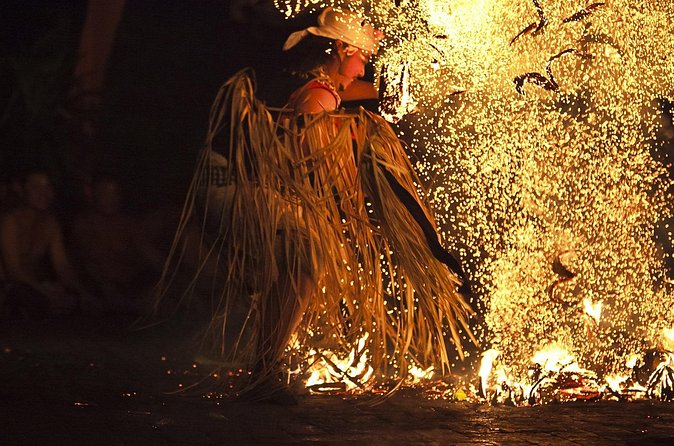
The other practical thing: the Fire Dance is centered on coals. Even if you’re safely seated, you’ll be close enough to feel the heat and see how intense the performers’ focus is. If you’re sensitive to smoke or heat, don’t sit too close to the action-side seating.
Stop-by-stop: how the evening flows (and what to watch for)
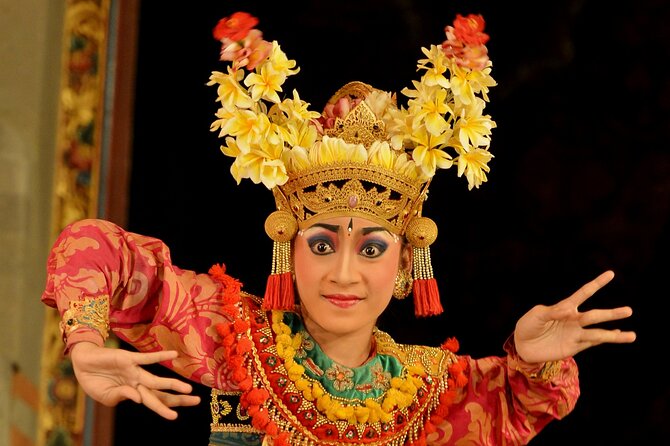
Even though the program can be packaged as a single evening block, it helps to think of it as three “chapters” of performance.
Kecak Dance: the 50 men, the torches, and Rama’s rescue story
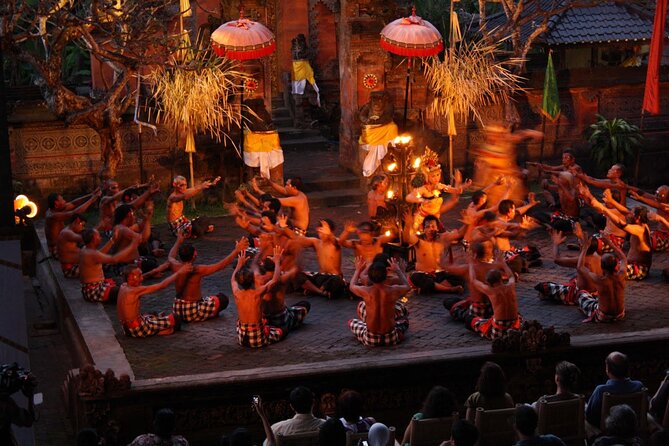
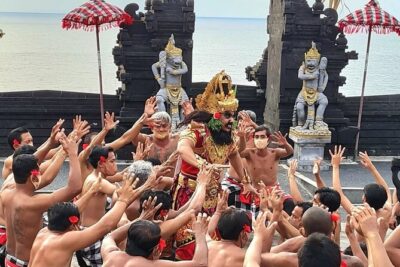
The Kecak is the emotional hook. You’re looking at a chorus-style performance with a ring of men using blazing bamboo torches as the story unfolds. The narrative focuses on Prince Rama and his rescue of a kidnapped princess—so it’s not random chanting. It’s structured storytelling, delivered through synchronized movement, rhythmic calls, and torch patterns.
If you want to get more out of the show, watch the transitions. During Kecak, the energy changes in waves: the chant rises, bodies tighten, and then the story beats land like punctuation. You can catch the drama just by observing timing, even before you fully understand each detail.
A good guide makes a difference here. When someone explains the story thread ahead of time, your brain stops treating it like background spectacle and starts tracking meaning.
A few more Bali tours and experiences worth a look




Fire Dance: stepping over coals and the weird feeling of control
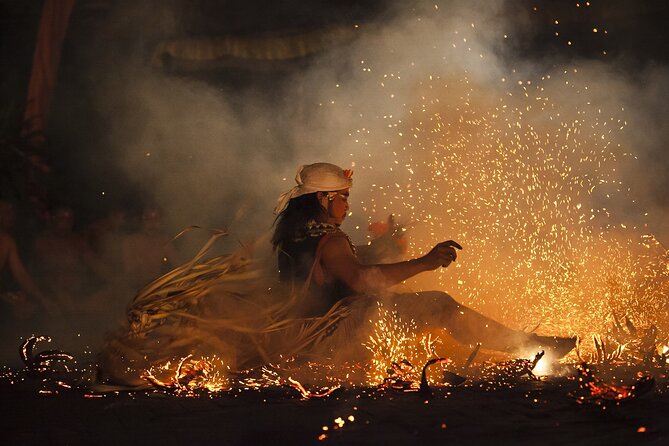
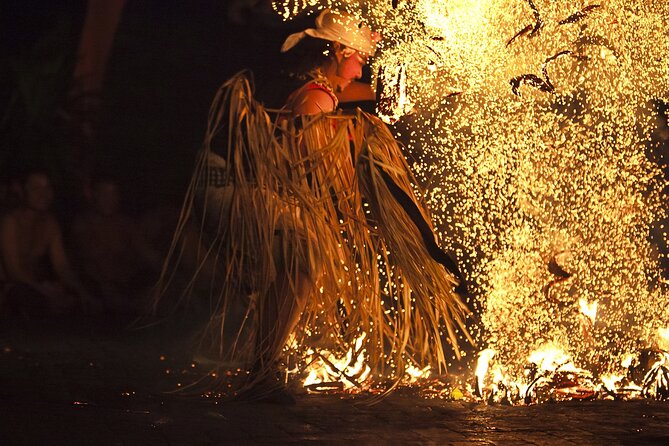
Next comes the Fire Dance. The core moment is performers becoming entranced and stepping over smoldering coals without showing pain. It looks extreme, and it is—yet it’s also controlled. The atmosphere stays ceremonial rather than chaotic.
This is the segment where first-time viewers often feel two conflicting emotions at once: awe and disbelief. You’re watching bodies move across heat that looks dangerous from the outside. The trick to enjoying it is to focus on steadiness and ritual concentration rather than only the shock factor.
Also, the Fire Dance can feel intense on a human level. If you’re watching from the audience edge, you may find yourself leaning back and holding your breath for a few minutes. That’s normal. You’re not supposed to feel relaxed through this one; it’s designed to be dramatic.
Sanghyang (Trance) Dance: convulsive choreography with exorcism roots
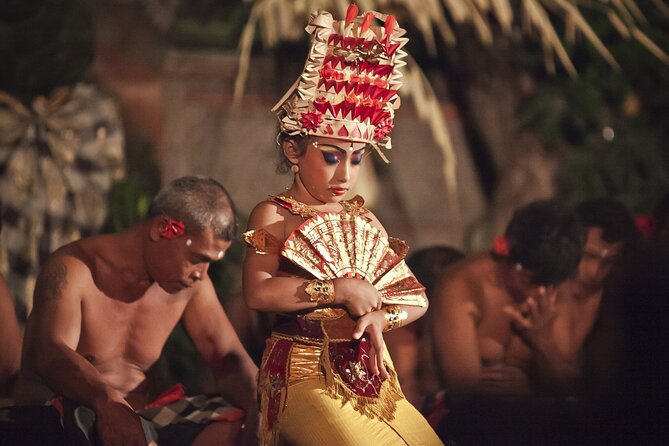
Then you’ll see Sanghyang—often described as a trance dance originally performed as an exorcism. The choreography has a different feel than Kecak. Instead of chorus storytelling, it becomes more convulsive and trance-oriented, with performers moving in a way that looks less like stage acting and more like ritual transformation.
This segment is worth paying attention to even if you’re not sure what you’re looking at. The point isn’t to “solve” the dance like a puzzle. The point is to experience how Bali treats performance as something closer to spiritual practice.
If Kecak is “story you can hear,” and Fire is “danger made precise,” Sanghyang is “ritual made visible.”
The guide factor: when explanations turn a show into a story
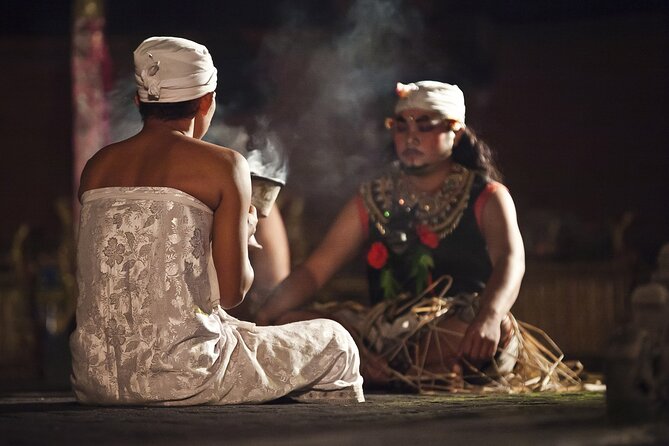
This is one of the biggest strengths of the tour as it’s designed. You’ll have an English-speaking, licensed guide, and the guide is there for more than logistics. They help connect the dances to the stories and purposes behind them.
I especially noticed how names came up with strong guides. Darta, for example, was praised for making temple stops (when they happen) meaningful by explaining buildings and ceremonies. Oka was praised for being professional and even helping with mosquito repellent during the Kecak.
Not every guide will hit the same notes, and not every evening’s route includes extra stops. But if you get a guide who takes storytelling seriously, you’ll understand what you’re watching much faster—and you’ll remember the show longer.
Logistics and comfort: A/C vehicles, small groups, and uneven timing
The tour includes transportation in an air-conditioned vehicle, and it’s capped at 15 travelers. A smaller group often means fewer delays and easier communication, especially when guides need to position people for pickup and seating.
That said, experiences can vary. Some people report uncomfortable transport and less-than-ideal air conditioning. Others talk about long waits due to timing or pickup being earlier than you’d like. So treat the “about 4 hours” duration as flexible.
If you’re heat-sensitive, bring water (even though drinks aren’t included, you can buy them separately). If you hate waiting, plan for the possibility that you’ll sit for a while before the show begins.
Price and value check: is $48.72 a fair deal?
At $48.72 per person, you’re paying for three things:
- the show tickets (a 1-hour dance performance portion),
- hotel pickup and drop-off from major hotel areas,
- and an English-speaking licensed guide plus air-conditioned transport.
For solo or couples traveling without a car, this can be good value because you’re not arranging transport separately, and you’re not dealing with finding the venue on your own.
Where value gets fuzzy is when you personally feel you’re paying for time you didn’t want. If your pickup stretches too early, or if the route includes stops you didn’t ask for (like markets or craft areas), the evening can start to feel more like a packaged day trip than a straight cultural show.
I also saw at least one cost-comparison mindset: some people felt the same experience could be cheaper with a private driver and tickets bought separately. That doesn’t make this tour bad—it just means it depends on what you value: convenience plus guiding, or maximum cost control.
Bottom line: if you want a guided, hassle-light evening and you’re okay with travel time, the price makes sense. If you’re the type who gets annoyed by detours, you may feel the fee more sharply.
Food and what to eat before you go
Food and drinks are not included. So eat before pickup if you can.
In practice, that means:
- you should plan a real dinner earlier, or
- have a simple snack ready for the ride.
Don’t count on finding a meal waiting for you at the venue. Even if there are small things sold on-site, it’s smart to treat the tour as a dance-focused evening only.
Who should book, and who should skip
This tour fits best if:
- you want three different traditional dance styles in one evening,
- you’d rather have a guide explain the story than just watch without context,
- you’re staying in Kuta-area hotels and prefer pickup over self-driving.
You might skip or look for a different option if:
- you strongly dislike waiting around before shows,
- you feel uneasy with extra stops that can turn into shopping pressure,
- you’re traveling late in the day and don’t want any timing surprises.
Also consider your own tolerance for outdoors evening conditions. Outdoors + mosquitoes + dusk makes this less “lazy couch comfort” and more “bring the right gear and settle in.”
Should you book An Evening of Bali Traditional Dance in Kuta?
If you want a one-night cultural hit and you like your entertainment with story and ritual meaning, I’d say yes—with two conditions. First, go in knowing the dancing portion is about an hour, and the full outing includes transit and waiting. Second, pack like you’re going to an outdoor evening: repellent, a light layer, and a calm attitude about timing.
If you hate detours, or if you can’t handle the thought of an early pickup leaving you waiting, then shopping around for a more direct transport plan (or a different seating location/show package) might suit you better.
In short: this is a strong cultural choice when you treat it as a guided evening experience, not just a ticket to passively watch from your seat.
FAQ
What time does the tour start?
The start time is listed as 4:00 pm.
How long does the experience last?
The duration is approximately 4 hours, and the dance performance portion is about 1 hour.
What dances are included?
The tour includes the Kecak Dance, Fire Dance, and Sanghyang (Trance) Dance.
Is hotel pickup and drop-off included?
Yes. Pickup and drop-off are included for major hotels in the Kuta, Seminyak, Sanur, Jimbaran, and Nusa Dua areas.
Is food or drinks included?
No. Food and drinks are not included.
Do I get an English-speaking guide?
Yes. The tour includes an English-speaking licensed guide.
Is there a mobile ticket?
Yes, it includes a mobile ticket.
What is the maximum group size?
The maximum is 15 travelers.
Can I cancel for free?
Yes. Free cancellation is available up to 24 hours in advance for a full refund.
More Evening Experiences worth booking around Bali
More Bali Reviews & Picks






More Kecak, Barong & Dance Nights



Still deciding? More Bali days reviewed, from volcano sunrises to island crossings











Kecak, Barong & Balinese Dance, compared.
 ★ 4.4Ubud Palace Legong Dance Show TicketFrom $63,979 reviews
 ★ 5.0Uluwatu Sunset, Kecak Dance, and Dinner Jimbaran BeachFrom $353,681 reviews
 ★ 4.4Ubud Kecak and Fire Dance Show TicketsFrom $62,631 reviews
 ★ 4.5Uluwatu Sunset Tour: Kecak and Fire Dance with Jimbaran DinnerFrom $65597 reviews
 ★ 5.0Uluwatu Temple Entry and Kecak Fire Dance TicketFrom $29479 reviews
 ★ 4.2Tanah Lot Temple Sunset Kecak & Fire Dance Show TicketFrom $6242 reviews
 ★ 4.0Kecak and Fire Dance Ticket at Uluwatu TempleFrom $11222 reviews
 ★ 4.5All Inclusive Kecak Dance and Uluwatu Temple Admission TicketFrom $38127 reviews
Browse the lists this tour appears in