
Reviewed · HOLY SPRINGS & TEMPLE TRAILS
Bali Full-Day to Exploring The Most Popular Bali Temples Tour
Want Bali’s most famous temples, without the hassle? This full-day tour from Seminyak strings together iconic sites like Kehen Temple and Besakih, plus the cleansing pools of Tirta Empul, all with a driver who keeps the day moving. You get a private vehicle setup, air-conditioning, and hotel pickup/drop-off, so you spend less time figuring out logistics and more time understanding what you’re seeing.
I love that the trip is very informative and paced with real highlights, not just quick photo stops. I also like that admissions are included and the lunch stop is set up to be enjoyable, with good food and scenery, not a random roadside break. The only real drawback to plan for is the length: about 9 to 10 hours with several temples on steep steps and uneven areas, and sometimes a stop can shift due to restoration work.
In This Review
- Key highlights you can count on
- A Bali temple route built for real seeing
- Seminyak start: private comfort, air-conditioned sanity
- Kehen Temple: hilltop worship and that long stair climb
- Besakih Temple: Bali’s Mother Temple in full view
- Tirta Empul: purification pools you can’t ignore
- Gunung Kawi Sebatu: Vishnu’s water temple in a bowl of stone
- Goa Gajah (Elephant Cave): history in an archaeological site
- The villages and craft stops you’ll see through the windows
- Price and value: why $90 can make sense for a private day
- Timing, pace, and what to wear
- How the day feels when things change
- Who this tour is best for
- Should you book Bali’s most popular temples tour?
- FAQ
- How long is the Bali temples full-day tour?
- Where is the tour located and where does pickup happen?
- Is this tour private?
- Which temples are included on the itinerary?
- Are entrance tickets included?
- Is lunch included?
- What dress code should I follow, and what should I bring?
- Is there a phone or ticket format I should expect?
- What happens if weather is bad or access is limited?
Key highlights you can count on
- A temple line-up that tells a story, from hilltop shrines to purification pools to a historical cave site
- Admissions included at every listed temple stop, so you avoid ticket line stress
- Lunch around Besakih (buffet, if you choose that option), with a scenic setting and solid meal
- An English-speaking driver-guide who helps you connect the dots as you go
- A practical route that also passes craft villages like wood carving, gold and silversmithing, and hand weaving
A Bali temple route built for real seeing
Bali’s temples can feel overwhelming fast. Different shapes, different gods, different rules, and plenty of signage that assumes you already know the religion. This tour is interesting because it gives you a guided route through several of the most well-known sites, then ties them together with the meaning behind what you’re looking at.
The whole day runs roughly 9 to 10 hours, with about 1 hour at each temple. That matters. You’re not rushing through everything as a blur. You get enough time to walk the grounds, notice the smaller details, and watch how ceremonies and daily worship fit into tourist time.
And since pickup and drop-off are included from your hotel or villa in the Seminyak area, you start the day already set. No second-guessing which gate to meet at or hunting for a driver for every hop.
More Bali temples and holy-spring blessings

Seminyak start: private comfort, air-conditioned sanity
If you’re staying in Seminyak, this type of tour is mostly about convenience. You’re in an air-conditioned vehicle, picked up directly, and transported between sites in one smooth day. It’s a big deal in Bali because travel time can stretch your patience, especially when you’re bouncing between different parts of the island.
You’ll also have a professional English-speaking driver who acts as your tour guide. That doesn’t mean you’ll get a “read every plaque” experience. It means you’ll usually know what’s sacred about a place, what to look for, and how to move through the space without feeling lost.
One more practical note: the tour is set up as private, meaning you and your group are the only people in the vehicle. That’s ideal if you want a calm pace or you’d rather ask questions without turning every answer into a group discussion.
Kehen Temple: hilltop worship and that long stair climb
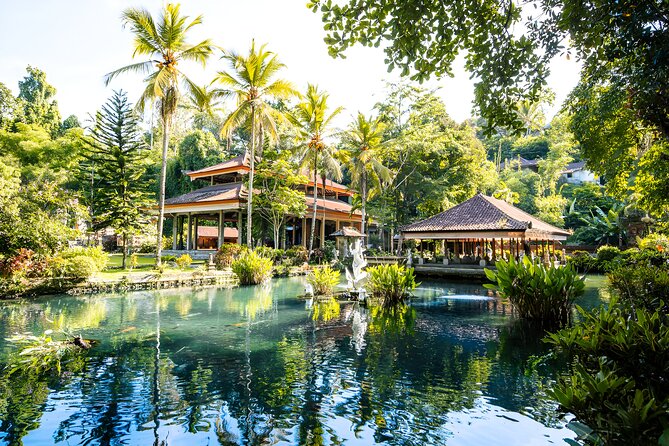
Your first stop is Kehen Temple, a Hindu site dedicated to Shiva, Brahma, and Vishnu. This is the kind of place that feels like it’s perched above the day, tucked into a steep slope.
What makes Kehen special is the physical sense of arrival. To get to the entrance, you climb a stone staircase. The description notes 38 steps, so even if you’re not counting, you’ll feel the climb. Once you’re there, the temple setting is visually striking, with worshippers burning offerings on a small hearth.
What you should consider here:
- Wear shoes you trust on stone.
- If stairs make you uncomfortable, this is the time to slow down.
- Watch for what’s happening around the hearth and offerings. It’s the closest you’ll get to seeing living ritual in motion.
Also, keep in mind that restoration work can affect access. In at least one case, the driver offered an alternative like Ulu Petanu waterfall when Kehen wasn’t accessible as expected. So if you show up and a stop is limited, don’t panic. Your driver may adjust the plan.
Besakih Temple: Bali’s Mother Temple in full view
Next up is Besakih Temple, often described as Bali’s Mother Temple. It’s one of the big names for good reason: it’s a major Hindu complex and a place many people consider essential.
You’ll typically get about an hour here, which is enough time to:
- walk key areas of the complex
- take in the scale
- understand how the site functions as more than a single shrine
Because Besakih is such a popular destination, it also helps to have someone guiding you through what to prioritize. Otherwise, you can end up with a “same view at every angle” feeling. With a guide, you’re more likely to notice the differences in sections and why certain areas draw worship.
After Besakih, you’ll eat lunch nearby. If you choose the buffet lunch option, it’s designed to be more than fuel. One strong point from the experience is that the lunch stop offers terrific scenery and good food, which is exactly what you want after a morning of walking and sun.
Tirta Empul: purification pools you can’t ignore
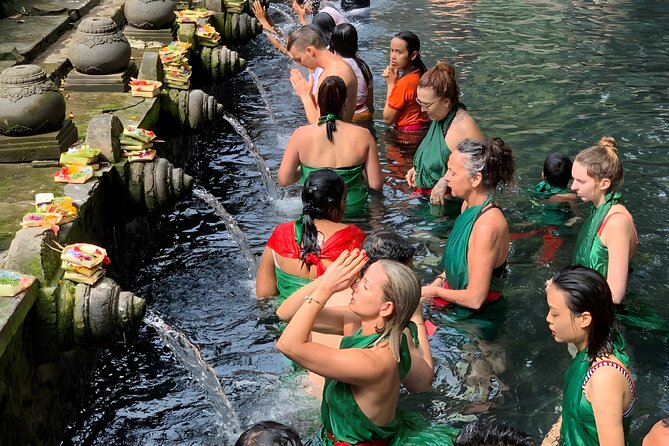
Then you head to Tirta Empul Temple, known for the holy water spring at the heart of the site. This is the most “sensory” stop on the list because it’s about water, ritual, and cleansing.
Here’s what to expect:
- The spring feeds purification baths and pools
- There are fish ponds around parts of the perimeter
- People come here with a purpose tied to cleansing rituals
It’s not a theme park. It’s a working temple environment. So look closely and keep respectful distance when people are actively participating.
You’ll probably spend about an hour here as well. That’s useful because Tirta Empul can take time to register visually. First you notice the water, then the bathing areas, then the rhythm of what people are doing.
A few more Bali tours and experiences worth a look



Gunung Kawi Sebatu: Vishnu’s water temple in a bowl of stone
Your fourth temple stop is Gunung Kawi Sebatu Temple, described as a Hindu water temple dedicated to Vishnu—said to rule over water.
This site has a different feel than the larger, more open complexes. It’s located in a dip in the land and surrounded on three sides by stonewalls, with the fourth side defined by terrain. That layout creates a “contained” atmosphere where the water theme becomes more than a label.
Why it’s worth your attention:
- you get a quieter, more focused stop after the busier big-name temple
- the setting helps you picture how people experience sacred water as a physical place, not just a concept
- it’s a nice change in temple style within the same day
Again, budget time for walking around uneven ground and stone textures.
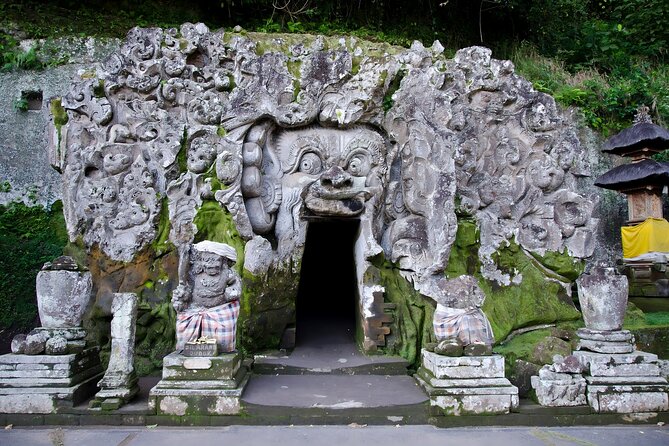
Goa Gajah (Elephant Cave): history in an archaeological site
To close the day, you visit Goa Gajah Temple, also known as Elephant Cave. Even though it’s a cave-related site, what makes it compelling is that it’s described as an archaeological site of significant historical value.
This is the “slow down and look” stop. Instead of focusing on active bathing or a hilltop stair climb, you’re more likely to notice:
- structure and carving
- the way the site has been used and preserved
- historical significance in the context of Bali’s older layers
It’s a strong final chapter because it gives you a sense of depth. You’ve gone through worship and cleansing. Now you’re seeing a place valued for how long it has mattered.
The villages and craft stops you’ll see through the windows
The route also passes several traditional areas known for specific crafts and craftspeople, including:
- a traditional village
- a wood carving village
- a gold and silversmith village
- a hand weaving village
Even if these aren’t long museum-style stops, you still get a sense of Bali beyond temples. It helps connect the dots: temples aren’t separate from daily life here. Crafts and rituals run together, and these communities are part of that.
If you enjoy visual texture—doors, woodwork, patterns, tools—this “passing by” portion is still worth it.
Price and value: why $90 can make sense for a private day
The cost is $90 per person for a full-day temple tour, running about 9 to 10 hours. At first glance, it may sound high for a set of temple tickets. But in this case, the value is in what’s included.
You get:
- an air-conditioned vehicle
- pickup and drop-off from your hotel/villa in the Seminyak area
- a professional English-speaking driver as your tour guide
- all entrance tickets for the listed stops
- petrol, parking fees, and taxes/services
- buffet lunch if you select that option
For a private setup, that package often beats the “buy tickets yourself and figure out transport” approach—especially if you want fewer headaches and more time learning on the ground.
One booking tip: the tour is often reserved about 42 days in advance. If your dates are fixed, don’t wait until the last week.
Timing, pace, and what to wear
Expect a long day. Even when each temple stop is around an hour, travel time adds up, and you’ll likely be in the sun. The tour also calls for a smart casual dress code.
Practical packing:
- sunscreen
- a camera
- comfortable shoes that handle stone floors and stairs
If you’re the kind of person who hates feeling rushed, this schedule is at least structured enough that you’re not constantly chasing the next location. If you need breaks, you’ll want to listen closely to your driver and take the natural pauses between stops.
How the day feels when things change
Bali isn’t always predictable. Temples may close or restrict access due to maintenance and restoration. The helpful part of this tour is that your driver is prepared to adjust.
In one described situation, when Kehen Temple wasn’t accessible due to restoration work, the driver offered Ulu Petanu waterfall instead. That’s exactly what you want: a swap that keeps the day meaningful rather than turning it into an empty wait.
The takeaway: have a flexible mindset. You’ll still get a full temple-focused day, but the order or specific access may shift.
Who this tour is best for
This tour is a great match if:
- you want a curated list of Bali’s most popular temples
- you prefer a private vehicle and included logistics
- you like learning what you’re seeing, not just collecting photos
- you want an efficient day from Seminyak without bouncing around on your own
It’s also ideal for couples and small groups who value comfort and clarity. If you’re traveling solo and want an organized guide-run day, it can work just as well.
Should you book Bali’s most popular temples tour?
I’d book it if you want a guided, temple-focused day with strong practical value: entrance fees handled, lunch included if you choose it, and a driver-guide to explain what matters at each stop.
I’d think twice if:
- you have trouble with stairs or longer walks (Kehen includes a staircase)
- you dislike long sit-and-drive days (it’s roughly 9 to 10 hours)
- you’re hoping for extra time at fewer temples rather than many stops in one day
Overall, this is a solid way to see the big spiritual hits—Kehen to Besakih to Tirta Empul—then round it out with Gunung Kawi Sebatu and Goa Gajah, all with comfort and structure built in.
FAQ
How long is the Bali temples full-day tour?
It runs about 9 to 10 hours.
Where is the tour located and where does pickup happen?
The tour is in Bali, with pickup and drop-off service provided from hotel or villa locations in the Seminyak area.
Is this tour private?
Yes. It’s set up as a private tour, so only your group participates, and you’ll be the only ones in the vehicle.
Which temples are included on the itinerary?
The tour includes Kehen Temple, Besakih Temple, Tirta Empul Temple, Gunung Kawi Sebatu Temple, and Goa Gajah Temple (Elephant Cave).
Are entrance tickets included?
Yes. All entrance tickets for the listed temple stops are included.
Is lunch included?
Lunch is included if you select the buffet lunch option. Vegetarian options are available if you advise at booking.
What dress code should I follow, and what should I bring?
Dress code is smart casual. Bring sunscreen and a camera.
Is there a phone or ticket format I should expect?
The tour includes mobile tickets.
What happens if weather is bad or access is limited?
The tour requires good weather. If it’s canceled due to poor weather, you’ll be offered a different date or a full refund. If a temple stop is affected by restoration or access issues, the schedule can be adjusted flexibly based on your request.
More Bali Tour Picks



More Bali Reviews & Picks


More Temples & Holy Springs



Still deciding? More Bali days reviewed, from volcano sunrises to island crossings









Holy Springs & Temple Trails, compared.
 ★ 5.0Ubud: Monkey Forest, Jungle Swing, Rice Terrace, and Water TempleFrom $317,160 reviews
 ★ 5.0Full-Day Tour to Water Temples and UNESCO Rice Terraces in BaliFrom $392,539 reviews
 ★ 5.0Bali Instagram: Gate of Heaven Temple TourFrom $85737 reviews
 ★ 5.0Ubud Tour with Monkey Forest Waterfalls Temples and MoreFrom $30495 reviews
 ★ 5.0Uluwatu Temple Entry and Kecak Fire Dance TicketFrom $29479 reviews
 ★ 5.0Ubud Top Attractions: Waterfalls, Temples and Rice TerracesFrom $39460 reviews
 ★ 5.0Private Tour: Uluwatu Temple & Southern Bali HighlightsFrom $45387 reviews
 ★ 5.0Private Tour Bali Beaches and Uluwatu Temple with DinnerFrom $48363 reviews
Browse the lists this tour appears in