
Reviewed · CITY TOURS
Denpasar City Tour
Denpasar tells Bali’s story in fast snapshots. This half-day Denpasar City Tour gives you a guided route through the city’s big cultural anchors, from a colonial-era memorial square to museums, markets, and arts centers. It’s a practical way to see more than just beaches, without spending your whole day in traffic.
I especially like the Bali Museum stop for how much it packs into a short visit, including masks, musical instruments, textiles, and models tied to Balinese life. I also enjoy Pasar Badung because it’s a real working market where you can browse fruits, spices, and everyday goods while your guide explains how locals think about bargaining.
One drawback to consider: the tour spends time outdoors in heat, and it’s not built like a long food-and-drink crawl. Also, a couple of people were disappointed that water wasn’t provided, so bring your own if you can, and plan for rain or public-holiday closures.
In This Review
- Key things to know before you go
- Why this Denpasar City Tour makes sense (even if you only have half a day)
- Pickup and getting around: Seminyak start, AC comfort, and traffic reality
- Puputan Square: the memorial that explains a whole era in one stop
- Bali Museum near the former royal palace: masks, instruments, and ritual models
- Pasar Badung: browsing Bali’s biggest food market without getting lost or overpaying
- Bali Art Center (Taman Budaya): woodcarving traditions and modern art under one roof
- Price and value: what $68.90 really buys you
- Weather, public holidays, and how your guide handles surprises
- Group size, timing, and how to get the most out of the day
- Who should book this Denpasar City Tour (and who might not love it)
- Should you book? My honest take
- FAQ
- How long is the Denpasar City Tour?
- How much does the tour cost?
- Where does hotel pickup and drop-off happen?
- What does the tour include?
- What are the main stops on the tour?
- Is food and drinks included?
- Is there a group limit?
- Do I need to bring admission tickets?
- What is the cancellation policy?
Key things to know before you go
- Puputan Square’s 1906 memorial context helps you understand why this open city center matters.
- Bali Museum is focused and short-stay friendly (about 30–40 minutes), with exhibits on ritual and daily culture.
- Pasar Badung is a real market stop, not a staged shopping lounge, so come with curiosity.
- Bali Art Center (Taman Budaya) adds woodcarving traditions plus modern art and architecture exhibits.
- Small group size (max 15 people) keeps the tour feeling manageable rather than rushed.
- Weather can change the day: rain can make outside wandering harder, and public holidays can affect openings.
Why this Denpasar City Tour makes sense (even if you only have half a day)
Denpasar isn’t just a city you pass through. It’s where you get the clearest picture of how Balinese culture lives day to day, mixed with the traces of older power and colonial history. This tour is built for “city people”: you’ll walk, look, and ask questions in the places locals actually use and remember.
The pacing is also realistic. You’re not trying to do ten stops in six hours. Instead, you get a sequence of high-signal locations—memorial, museum, market, arts center—that each explain something different about the island and the city’s role in it.
More Denpasar and town tours
Pickup and getting around: Seminyak start, AC comfort, and traffic reality
This tour runs about 6 hours and includes pickup and drop-off from major hotel areas like Kuta, Seminyak, Sanur, Jimbaran, and the Nusa Dua area. The vehicle is air-conditioned, which matters in Bali’s heat and humidity—especially if your schedule is during the wetter months.
Traffic is real in Denpasar and around southern Bali. Even when your itinerary is tight on paper, road delays can nudge times. The good news is the route is designed so that if you lose a little time, you can still hit the core cultural stops.
A small-group setup helps. With up to 15 people, you tend to spend less time waiting for photos and more time listening to explanations. One more practical tip: if you’re doing this in rain season, wear shoes you can handle on slick surfaces and bring a compact rain layer.
Puputan Square: the memorial that explains a whole era in one stop
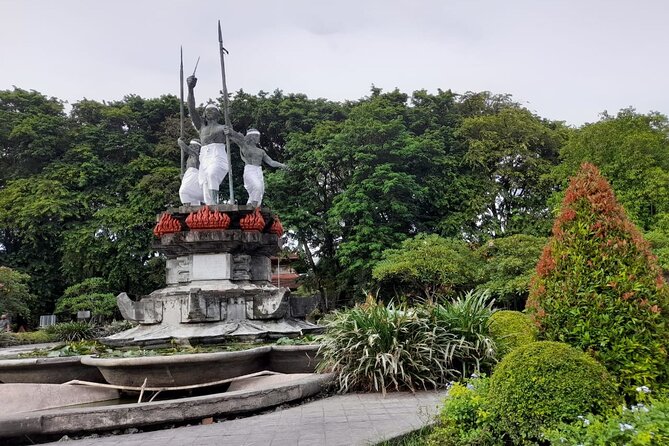
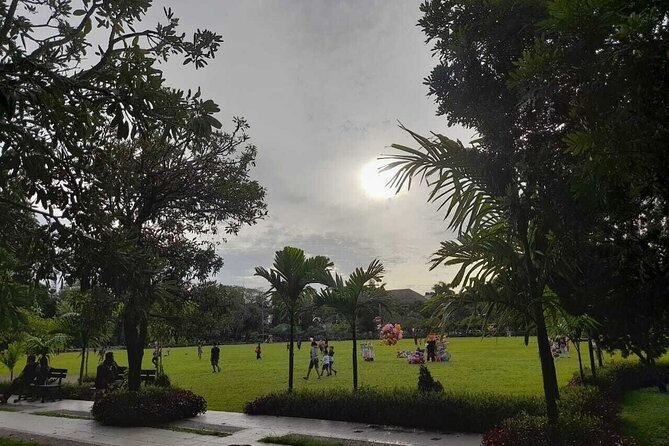
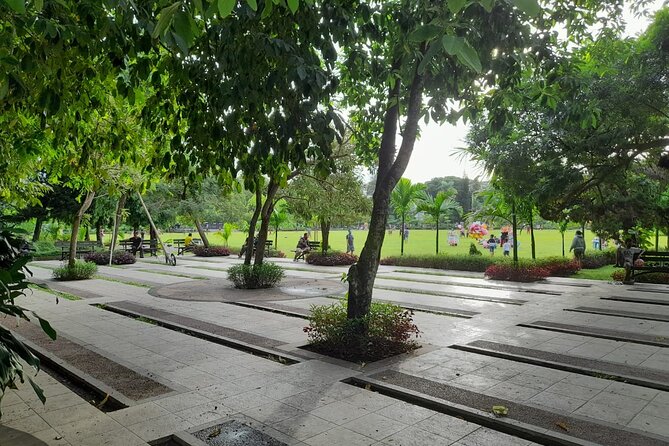
Your day typically starts at Puputan Square, right in the city center. It’s an attractive open space where locals gather, and the setting makes the historical meaning easier to grasp than if you were seeing this kind of story inside a building.
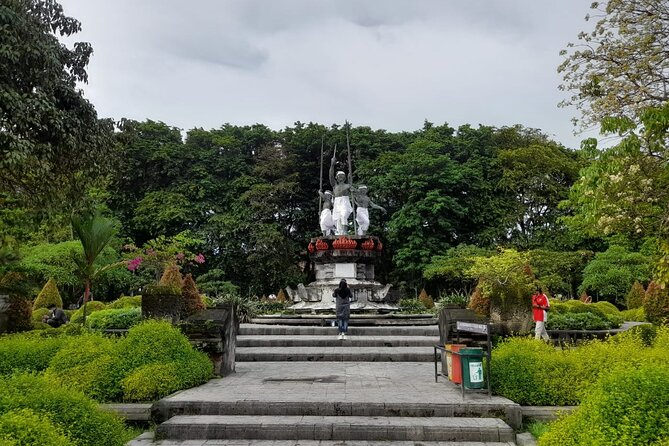
The big focus here is a monument that commemorates a 1906 conflict involving Balinese leaders and the invading Dutch army. Your guide should connect the square’s design and symbolism to what happened and why it became part of Denpasar’s collective memory.
Why this stop works: it gives you a reference point before the museum. You understand what you’re looking at when you later see artifacts and models tied to ceremonial life. Also, this is one of the better photo spots because you get both monuments and open space, not just walls and doors.
Practical note: it’s outdoors. Plan for sun, and keep a light layer for sudden rain.
Bali Museum near the former royal palace: masks, instruments, and ritual models
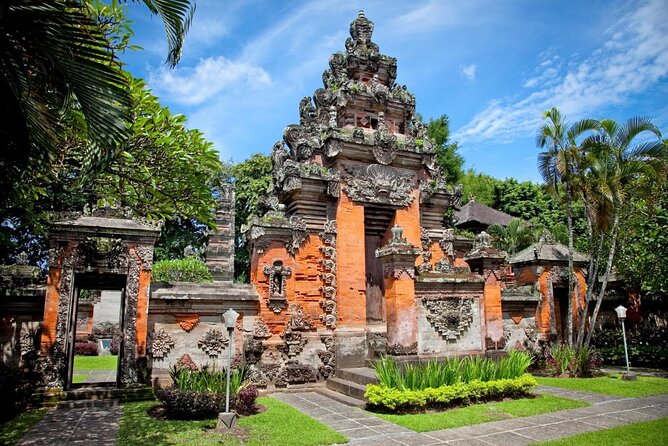
Next is Bali Provincial State Museum (often called the Bali Museum), located near the area of a former royal palace. This is a great stop if you want context without spending hours. You’ll typically have about 30–40 minutes, and the tour includes admission.
What you’ll actually see is more than a generic “museum visit.” Expect exhibits across a wide time span, with items reaching from prehistory to early 20th-century art. Inside, you should see things like theatrical masks, musical instruments, sculptures, paintings, and textiles.
This museum also includes models connected to Balinese life and rituals—things like tooth filing as well as marriage and cremation ceremonies. Even if you don’t know Balinese terms, a good guide can turn the displays into real understanding rather than just seeing objects behind glass.
One caution: some people found the museum’s steps challenging. If you’re older, have knee issues, or don’t like stairs, go slowly and wear supportive footwear. Don’t try to “race” through the galleries, even if the tour feels timed.
Pasar Badung: browsing Bali’s biggest food market without getting lost or overpaying
Then you hit Pasar Badung, Bali’s largest food market. This is where Denpasar feels like a working city. Your guide will help you interpret what you’re seeing—spices, fruits, and foodstuffs coming from across the island—so you don’t just stand there wondering where to look.
This stop is about more than pictures. You get a chance to practice the rhythm of a market: look first, compare prices if you want, and bargain with good humor. It’s a hands-on way to learn how trade works in daily life.
A key detail: after the market browsing, the tour typically includes time at a nearby supermarket—described as the Indonesian equivalent of a department store—where you can buy food at your own expense. That gives you flexibility if you want snacks later, but it also means you’re responsible for what you eat.
Two practical bits based on real-world experience:
- Heat is a factor here. If you tend to wilt in humidity, take your shade breaks seriously.
- Water isn’t listed as included, and one person specifically noted disappointment about not having water during the tours. I’d rather not play that game—bring a bottle if you can.
Also, if your budget is tight, treat the market as a tasting-and-learning stop unless you’re fully committed to buying things. It’s easy to get tempted once you start smelling spices and seeing piles of fruit.




Bali Art Center (Taman Budaya): woodcarving traditions and modern art under one roof
The final major cultural stop is the Bali Art Center, often referenced as Taman Budaya. This is another place where Bali’s “old ways + present-day creativity” mix without feeling forced.
Expect a permanent collection that includes wood carvings, plus exhibits tied to modern art and architecture. You’ll also see that the collection is housed in a traditional Balinese-style structure, which helps you understand that art and building are linked here—not separate categories.
If you enjoyed the museum’s ritual models and the market’s everyday reality, this last stop gives you a more “hands and craft” view. You’re not just reading a story—you’re seeing how artistic tradition shows up in form, texture, and design choices.
Timing can vary with traffic and weather, so be ready for the day to run a little fast. If it’s hot, use the shaded indoor parts of the center for a breather before you head back to your hotel.
Price and value: what $68.90 really buys you
At $68.90 per person for about 6 hours, this Denpasar city experience is priced like a solid city tour with real admissions and transport included. The value comes from what’s covered: pickup and drop-off, an air-conditioned vehicle, and all fees and taxes with an English-speaking licensed guide.
Most importantly, entrance fees are included. That matters in places like museum sites where ticket costs can stack quickly. You also get the guide’s explanations, which is what turns a list of stops into an actual understanding of Denpasar’s character.
Food isn’t included. You’ll likely spend money on your own drinks and meals, and you’ll also have the option to buy food in the supermarket after Pasar Badung. So your total day cost depends on how you handle that.
For best value, I’d plan like this:
- Bring or buy water so you don’t feel stuck in heat.
- If you want snacks, decide in advance where you’ll grab them after the market.
- If you’re traveling as a small group, the tour notes group discounts, which can make the per-person price even better.
Weather, public holidays, and how your guide handles surprises
This kind of city tour lives and dies by the day’s conditions. Bali can throw you rain fast. One participant described torrential rain making it harder to wander outside, and that’s believable: outdoor stops like Puputan Square and portions of the market don’t pause just because clouds show up.
Public holidays can also cause closures. One person had stops impacted by a holiday and said the guide and driver worked together to find alternatives. That’s a big plus: it suggests you’re not just following a rigid checklist.
Your best move is simple:
- Pack a light rain layer and a way to keep your phone dry.
- Wear breathable clothes and shoes that can handle wet streets.
- Keep a flexible mindset. When plans shift, it’s often still possible to see the important things.
If you can choose your dates, consider timing around the dry season. One handy tip from experience: June to August tends to be the driest stretch in Bali, which makes outdoor sightseeing much more comfortable.
Group size, timing, and how to get the most out of the day
The tour caps at 15 people, and that helps with flow. In smaller groups, your guide can adjust pace, answer questions, and spend a little more time at the parts you care about most.
Time can flex too. One person ended up extending the day to around 3pm instead of finishing earlier, and they said the extra time was worth it. That suggests the guide may be able to work with you if the schedule allows, though you should be prepared for additional charges if you want more time.
If you want to maximize the value, have two priorities:
- Choose one stop where you’ll slow down (museum or art center).
- Choose one place where you’ll be practical (Pasar Badung, where you can decide what you actually want to buy).
Then everything else becomes easier. You’re not running on FOMO; you’re sampling with intention.
Who should book this Denpasar City Tour (and who might not love it)
You should book if you want a structured, guided taste of Denpasar that goes beyond temples and beaches. This tour is ideal for people who like:
- cultural context tied to everyday life,
- museums with objects you can interpret,
- markets that feel like a real city habit,
- and a final stop focused on crafts and art.
You might want a different kind of tour if:
- you hate markets or don’t want time spent bargaining and browsing,
- you’re very sensitive to heat and humidity,
- or you have mobility limits that make steps difficult (the museum is the main concern).
Also, this tour is a good fit for first-time visitors to Bali who want to understand the island through Denpasar’s city-side culture. If you already know your way around and want mostly scenery or waterfalls, it may feel more like city immersion than postcard time.
Should you book? My honest take
If you’re staying in places like Seminyak and want a half-day plan that feels genuinely local, I think this Denpasar City Tour is worth serious consideration. The combination of Puputan Square (history in a real urban setting), the Bali Museum (culture plus ritual models), and Pasar Badung (where the city’s daily economy shows up) gives you a rounded view without dragging on.
Just go in with two expectations: you’ll be walking some outdoor parts in Bali’s weather, and you’ll need to handle your own drinks and food. If you do that, you’ll get a memorable day that’s about understanding, not just checking boxes.
FAQ
How long is the Denpasar City Tour?
It lasts about 6 hours (approx.).
How much does the tour cost?
The price is $68.90 per person.
Where does hotel pickup and drop-off happen?
Pickup and drop-off are offered from major hotels in the Kuta, Seminyak, Sanur, Jimbaran, and Nusa Dua area.
What does the tour include?
It includes hotel pickup/drop-off (from selected hotels), an air-conditioned vehicle, an English-speaking licensed guide, and all fees and taxes (including admission).
What are the main stops on the tour?
You’ll visit Puputan Square, the Bali Museum, Pasar Badung, and end at the Bali Art Center (Taman Budaya).
Is food and drinks included?
No. Food and drinks are not included.
Is there a group limit?
Yes. The tour has a maximum of 15 travelers (people).
Do I need to bring admission tickets?
No. Admission tickets and related fees are included in the tour price.
What is the cancellation policy?
You can cancel for free up to 24 hours in advance for a full refund. If you cancel less than 24 hours before the start time, the amount you paid isn’t refunded.
More Denpasar & Town Tours

More Bali Tour Picks


More Bali Reviews & Picks
Still deciding? More Bali days reviewed, from volcano sunrises to island crossings










City Tours, compared.
 ★ 5.0Ubud City Tour I: Monkey Forest, Ubud Palace, Art Market, and WaterfallFrom $4531 reviews
 ★ 4.5Highlights & Hidden Gems of Bali: Private City TourFrom $5819 reviews
 ★ 4.5Ubud City Tour II: Monkey Forest, Palace, Art Market, and Rice TerraceFrom $6517 reviews
 ★ 5.0Ubud Mystic Dinner at Oracle of Spice Lemuria The Lost CityFrom $1711 reviews
 ★ 4.5Private Half-Day Tour: Denpasar City TripFrom $5510 reviews
 ★ 5.0Bali Full Day-Tour: Denpasar City and Uluwatu Sunset TourFrom $1008 reviews
 ★ 4.0Denpasar City Food Tour (Day Tour)From $1005 reviews
Browse the lists this tour appears in