
Reviewed · ULUWATU, GWK & THE BUKIT COAST
Indonesia: Garuda Wisnu Kencana
A huge statue is the headline here, but GWK Park is really about the full day feel. The Garuda Wisnu Kencana complex layers giant Hindu mythology with Balinese culture and scheduled stage performances, all while you get wide island views. I like that the main attraction is not just a photo moment; it connects directly to Indonesia’s national emblem of Garuda and the protection story of Lord Wisnu. One thing to weigh: the park experience can feel pricey if you expect one simple sightseeing loop.
My favorite part is how many ways you can experience the space. You can go on foot or choose a Segway option, then mix in gardens, sculpture areas, and show times through the day. If you time it right, you get to watch dance sets happen hourly in the amphitheater while the scale of the statue anchors everything around you.
The main drawback is value expectations. Some people find the entrance price high for what they feel they get at a quick pace, and extra add-ons (like certain guided or higher access options) may not match your expectations. Weather can also change plans fast, so build in a little flexibility.
In This Review
- Key highlights at Garuda Wisnu Kencana (GWK) Park
- Why the 120m Garuda Wisnu Kencana statue drives the whole visit
- Walking versus Segway: picking the right pace for GWK Park
- The daily cultural program: amphitheater dances you can build around
- Garuda Wisnu Kencana Cultural Park: what to expect on-site
- Timing your 2–3 hour window so you don’t feel rushed
- Price and value: what $6.22 buys you (and what might feel extra)
- Getting there: public transport proximity helps
- Who should book GWK Park, and who should skip it?
- Should you book Garuda Wisnu Kencana at GWK Park?
- FAQ
- Where is Garuda Wisnu Kencana (GWK) located?
- How long should I plan to spend at GWK Park?
- Is the ticket mobile?
- Does the price include admission?
- What time cultural performances are scheduled at GWK Park?
- What does the statue represent?
- Can children visit for free?
- Can I cancel or change my booking?
Key highlights at Garuda Wisnu Kencana (GWK) Park
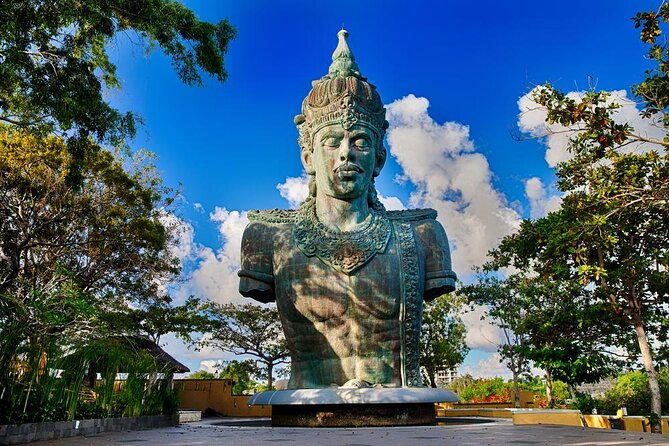
- A 120.9-meter landmark: Garuda Wisnu Kencana reaches over 120 meters tall with a 64-meter wingspan.
- Myth meets national symbol: Garuda is the Indonesian emblem, tied to freedom from oppression.
- Walk or Segway: you can pick the pace that fits your comfort level.
- Daily show schedule: you’ll find hour-by-hour Balinese performances in the amphitheater.
- Extra roaming space: the park is big, with gardens and multiple sculpture stops beyond the main statue.
- Buggy support can matter: on a large site, getting around may be much easier with park transport when needed.
Why the 120m Garuda Wisnu Kencana statue drives the whole visit
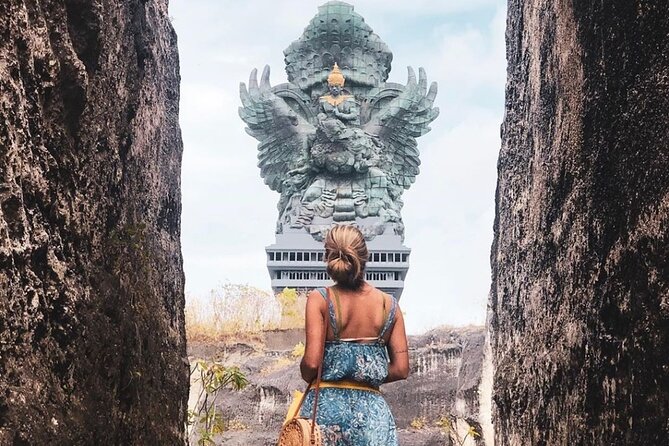
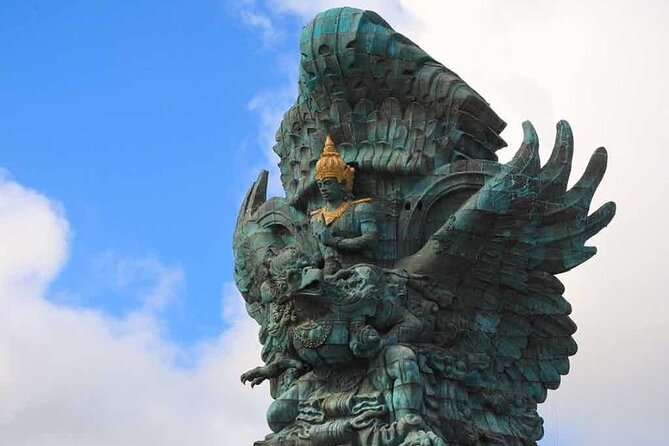
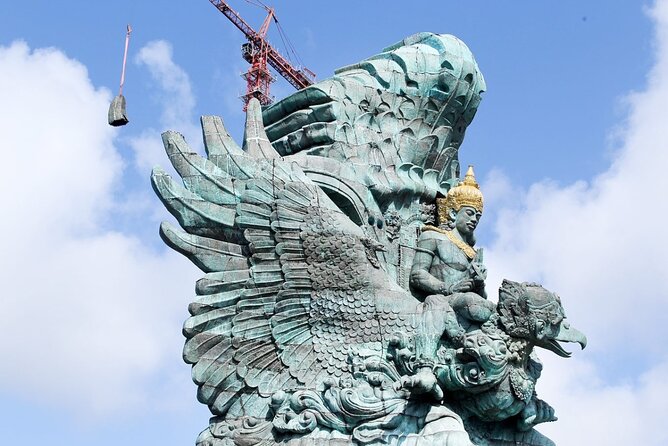
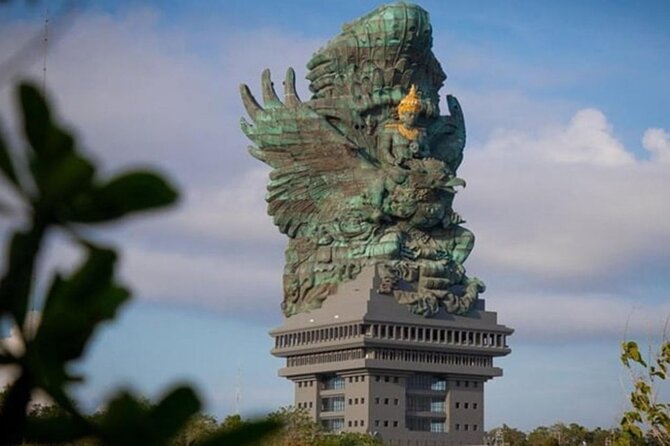
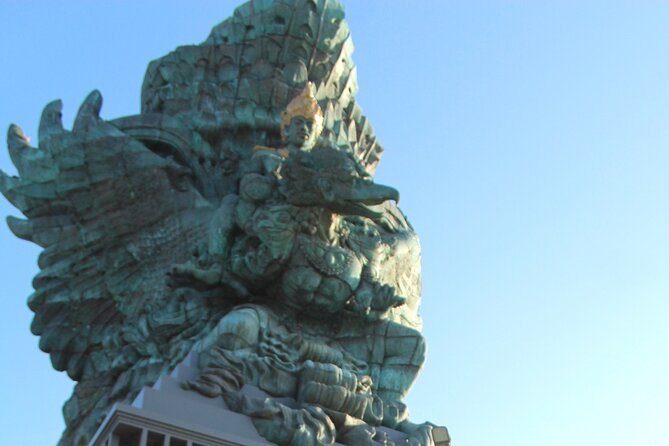
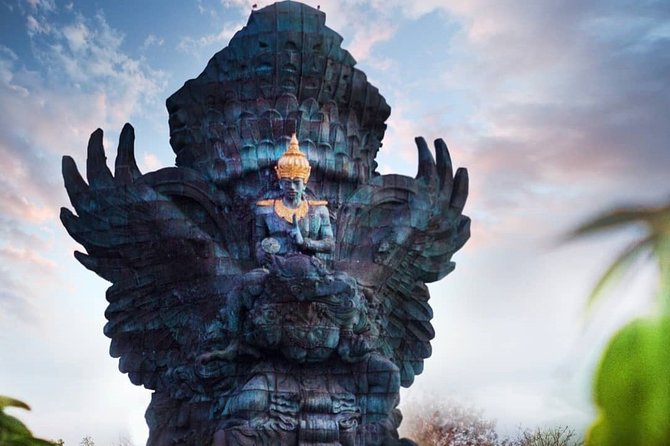
If you’re trying to understand why this place draws people, start with the numbers. The Garuda Wisnu Kencana statue is 120.9 meters tall with a 64-meter wingspan, and it’s described as one of the tallest monumental statues in the world. It also carries a clear meaning: Lord Wisnu riding Garuda, designed to symbolize protection, loyalty, and freedom.
The statue’s materials are part of its appeal too: it’s made from copper, brass, and steel, with gold mosaic crowns. That mix is visible in person more than you’d expect, because the gold crown details catch light as you move around. The statue was created by Balinese artist Nyoman Nuarta, which matters because it keeps the landmark rooted in local artistry rather than feeling like a generic theme attraction.
The story layer is what makes the view more than background. Garuda is Indonesia’s national emblem, and the design connects to freedom from oppression. So when you look up at the eagle-mount configuration, you’re not just seeing a shape. You’re seeing a national symbol turned into monumental sculpture.
More of Uluwatu, GWK and the Bukit clifftops



Walking versus Segway: picking the right pace for GWK Park
GWK Park gives you two straightforward movement options: on foot or by Segway. For many visitors, walking works if you want slow, photo-focused breaks and time to notice garden and sculpture details. The grounds are part of the experience, not just the runway to get to the statue.
A Segway option can be a good match if you want to cover more ground without tiring out. The key is to use it for your priorities. If you know you want to hit multiple performance times, getting around efficiently helps you avoid stress later.
One practical note: the park is big. In real life, that can turn a nice stroll into a sweaty mission if you’re trying to do everything. One review specifically called out that buggy service is a must from their point of view. So even if you plan to walk, keep the idea of park transport in your mental plan—especially if rain rolls in or if you’re traveling with anyone who tires easily.
The daily cultural program: amphitheater dances you can build around
One reason GWK stays on many short Bali lists is the scheduled cultural program. Performances run every hour, every day, usually centered around the amphitheater. If you’re flexible with timing, this becomes the heart of your visit.
Here’s the performance rhythm you can plan around:
- 11.00 WITA: Tari Sekar jepun, Tari Kebyar Duduk, and Topeng Kenyum Manis
- 12.00 WITA: Tari Jauk Keras, Tari Oleg Tamulilingan, and Tari Kebyar Duduk
- 13.00 WITA: Tari Sekar Jepun, Tari Jauk Manis, and (another set includes Topeng)
- 14.00 WITA: Tari Topeng Monyer and Tari Jauk Manis
- 15.00 WITA: Tari Oleg Tamulilingan and Tari Barong-Bojog
- 16.00 WITA: Plaza Wisnu Parade Budaya Bali
- 17.00 WITA: Joged Bumbung
- 18.00 WITA: KECAK – Garuda Wisnu Kencana
A smart strategy: don’t try to catch every single one. Instead, pick a couple that match your schedule and watch the way the themes shift. These dances rotate through styles and instruments, so your eyes get a break between sets. The 16.00 WITA parade moment also changes the feel from seated theater to movement and crowd energy.
And yes, there’s a big headline piece later: KECAK – Garuda Wisnu Kencana at 18.00 WITA. If your energy levels hold up, that is the kind of closing performance that makes the statue feel like more than a landmark.
Garuda Wisnu Kencana Cultural Park: what to expect on-site
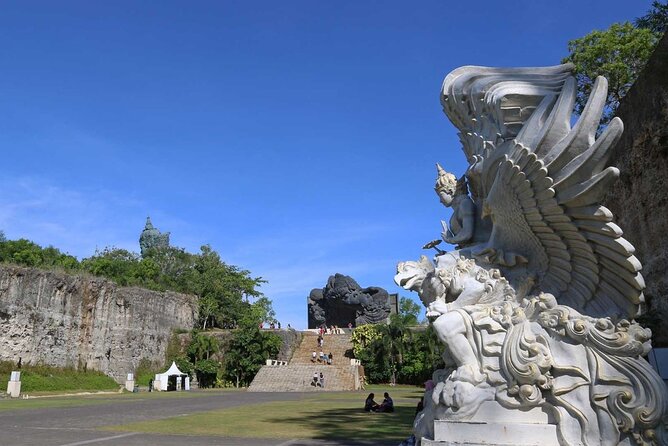
Your included entry takes you into Garuda Wisnu Kencana Cultural Park, which is a 60-hectare site. That scale is the reason you can spend 2 to 3 hours here without rushing—if you don’t fight the layout.
You’re looking at a central statue viewpoint, plus gardens and sculpture areas that expand outward. The park is designed like a cultural flow, where you move between myth visuals and cultural staging points. One review described it as new and huge, and that big size is real on the ground.
A common mistake is to treat the statue as the only stop. If you do, some people will feel they only saw a small number of highlights. But if you treat the gardens and surrounding sculptures as equal stops, the visit becomes much more complete.
Also, keep in mind weather. One person mentioned a thunder shower that interrupted their exploring and made it harder to discover more details. If you’re visiting during Bali’s changeable hours, pack a light rain layer and plan your most time-sensitive task (like watching a set) for earlier rather than later.
Timing your 2–3 hour window so you don’t feel rushed
Most tours run about 2 to 3 hours, which is enough time to see the statue area and catch at least one or two performance segments if you arrive with a little planning.
Here’s how I’d structure your time without overthinking it:
- Arrive, get oriented, then choose your next show time. With performances every hour, you can adjust on the fly.
- Use walking for the first exploration loop if you like photos and noticing details.
- Switch to faster transport if you’re trying to hit a later show. If you see a waiting gap or the site feels crowded with lines, don’t lose your whole day to getting stuck.
- Leave room for a reset. If rain hits, you may need to shorten your garden/scrulpture wandering and return to performance points.
One review noted there’s a scheduled tour every 15 minutes, but waiting can stretch into the kind of delay that makes you skip the ascent portion. So if you have a tight schedule, don’t bank on a specific timed option unless you’re comfortable with a little waiting.




Price and value: what $6.22 buys you (and what might feel extra)
The listed price is $6.22 per person, and tickets are mobile. At this price point, it’s reasonable to expect entry and access to the core park experience. The itinerary indicates the admission ticket is included.
Here’s where value depends on your mindset. If you want a quick statue hit plus an easy walk loop, some people find the whole setup overpriced for what they believe you actually see. Their complaint wasn’t about the quality so much as the feeling that the experience is limited unless you pay for extra add-ons.
On the other hand, another review said a ticket with a guided tour at the top of the statue made it good value, and the guide was knowledgeable. That tells me the difference comes down to whether you use the ticket to access more than just the basic viewpoints.
My advice: before you go, decide what you want most.
- If your top goal is the statue and you love cultural stages, this can be a fair deal.
- If your top goal is only a short visual loop and you dislike any add-on mindset, consider whether you’d be happier with a simpler sightseeing plan.
Either way, remember that GWK’s attraction is huge and show-based. You’re paying for time in a large cultural park, not just a single viewpoint.
Getting there: public transport proximity helps
The site is listed as near public transportation, which is genuinely helpful in Kuta where parking and traffic can be a headache. If you’re using Grab or local transit, having a short last-mile push can save stress.
A related practical tip from one review: staff helped contact their car pickup when they got soaked during the thunder shower. That’s a nice reminder to keep your ride plan simple. If rain disrupts walking time, you’ll be glad help exists for coordinating a pickup.
Who should book GWK Park, and who should skip it?
This is a good fit if you:
- want a major landmark that’s also wrapped in ceremony and performance
- like myth-driven storytelling tied to recognizable national symbols
- enjoy watching Balinese dance sets at set times (especially the 18.00 WITA KECAK slot)
- can spend 2 to 3 hours roaming and moving between areas
It’s a tougher fit if you:
- hate large complexes and long distances between points
- strongly dislike the idea of additional paid options beyond the entrance
- only want the fastest photo stop with no patience for the day’s schedule
If you’re a solo visitor or in a small group, you’ll likely enjoy the flexibility of picking show times. If your group has mixed energy levels, build in a plan that includes transport breaks so nobody gets stuck walking longer than they want.
Should you book Garuda Wisnu Kencana at GWK Park?
If the name alone pulled you in, booking is usually worth it—mainly because the statue scale and the daily show schedule give you multiple ways to get value from a short visit. The main upside is that the landmark is tied to Indonesia’s national emblem and a clear Wisnu-Garuda story, and the park keeps it moving with hourly dance performances.
I’d book if you’ll at least catch one or two of the amphitheater sets, or if you like the idea of wandering gardens and sculpture areas around a huge central icon. Skip or rethink if you only want a quick entrance-to-photo routine and you’re not interested in adapting to show timings or potential add-on choices.
FAQ
Where is Garuda Wisnu Kencana (GWK) located?
It’s in Kuta, Indonesia.
How long should I plan to spend at GWK Park?
Plan for about 2 to 3 hours.
Is the ticket mobile?
Yes. The experience uses a mobile ticket.
Does the price include admission?
Yes. The admission ticket is included.
What time cultural performances are scheduled at GWK Park?
Performances run every day, with times including 11.00 WITA through 18.00 WITA, plus a 16.00 WITA Plaza Wisnu parade and 17.00 WITA Joged Bumbung.
What does the statue represent?
The statue depicts Lord Wisnu on Garuda, symbolizing protection, loyalty, and freedom. Garuda is also Indonesia’s national emblem.
Can children visit for free?
Yes. Children under 100 cm are free of charge.
Can I cancel or change my booking?
No. The experience is non-refundable and cannot be changed.
More Bali Reviews & Picks
More of Uluwatu & the Bukit Coast


Still deciding? More Bali days reviewed, from volcano sunrises to island crossings








Uluwatu, GWK & the Bukit Coast, compared.
 ★ 5.0Uluwatu Sunset, Kecak Dance, and Dinner Jimbaran BeachFrom $353,681 reviews
 ★ 4.5Uluwatu Sunset Tour: Kecak and Fire Dance with Jimbaran DinnerFrom $65597 reviews
 ★ 5.0Uluwatu Temple Entry and Kecak Fire Dance TicketFrom $29479 reviews
 ★ 5.0Private Tour: Uluwatu Temple & Southern Bali HighlightsFrom $45387 reviews
 ★ 5.0Private Tour Bali Beaches and Uluwatu Temple with DinnerFrom $48363 reviews
 ★ 4.0Kecak and Fire Dance Ticket at Uluwatu TempleFrom $11222 reviews
 ★ 4.5Private Half-Day Tour: Uluwatu Sunset Trip and Dinner PackagesFrom $65219 reviews
 ★ 4.5All Inclusive Kecak Dance and Uluwatu Temple Admission TicketFrom $38127 reviews
Browse the lists this tour appears in