
Reviewed · ULUWATU, GWK & THE BUKIT COAST
Nusa Dua: Museum Pasifika Admission Ticket with Audio Guide
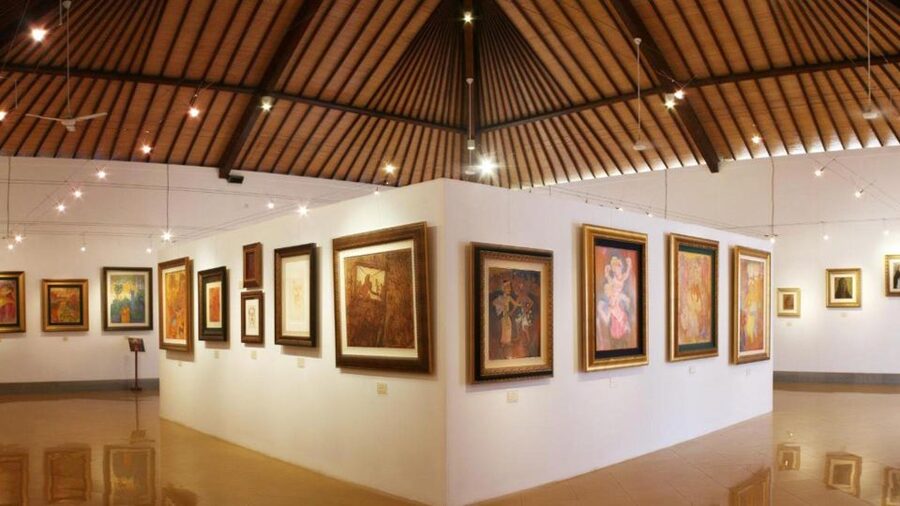
Art in Bali feels calm and curated. Museum Pasifika in Nusa Dua mixes Pacific art with Indonesian names, all in a relaxed gallery setting where you can actually look.
I love the way the museum gives you a clear path through painting and sculpture, then hands you an optional audio guide to turn browsing into learning. One possible drawback: Bali humidity can be noticeable, and some people found the rooms less climate-controlled than you’d like.
For the money, it’s a strong value day out. You get admission, an audio guide (English or Indonesian), refreshments, a cold towel, and drinks like tea, coffee, or infused water, with no hotel pickup required.
In This Review
- Key things I’d put on your radar
- Stepping into Museum Pasifika: where your day starts
- The audio guide is the real secret (use it like a tool)
- Painting rooms across Asia Pacific: how the museum teaches you to look
- Indonesian masters and the Bali connection you can actually feel
- Oceania sculptures: the Michoutouchkine and Pilioko collection
- Western artists with Asia-linked moments: Gauguin and friends
- What’s included (and why it matters more than you think)
- Practical rules: help your visit feel smoother
- Price and value at about $7
- Who this fits best (and who might want a different plan)
- Should you book Museum Pasifika in Nusa Dua?
- FAQ
- What’s included with the Museum Pasifika admission ticket?
- Are the audio guides available in English?
- Where do I show my ticket to enter?
- Is hotel pickup or drop-off included?
- Is Museum Pasifika wheelchair accessible?
- Can children enter for free?
Key things I’d put on your radar
- 600+ artworks by about 200 top international artists means you’re not stuck staring at just a few famous pieces
- Audio guide in English or Indonesian helps you understand what you’re seeing without hiring a private guide
- Michoutouchkine and Pilioko Premier Art of Oceania brings about 200 sculptures collected over roughly 50 years
- Indonesian Masters are a main thread: Raden Saleh, Lempad, Affandi, Hendra, Kobot
- Western artists with Asia links show up, including Paul Gauguin from his Tahiti period and names like Matisse, Rodin, and Rousseau
- Refreshment basics included: cold towel plus tea/coffee/infused water, and there’s onsite café and Wi‑Fi
Stepping into Museum Pasifika: where your day starts
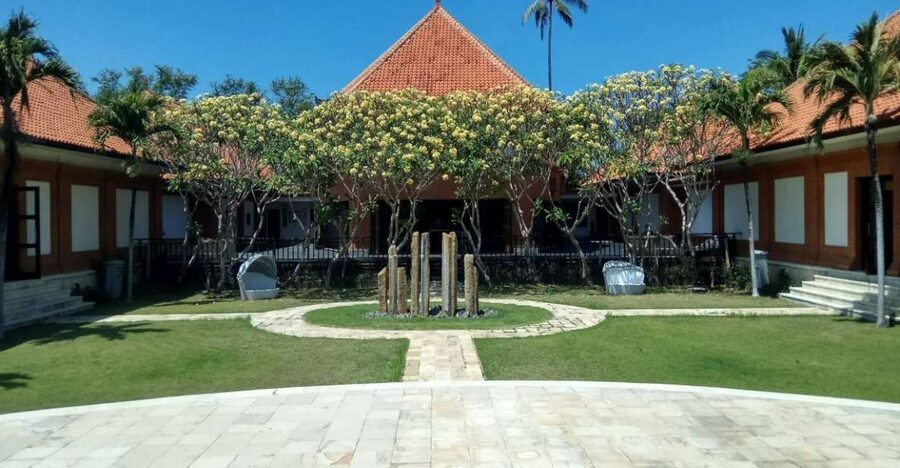
Your visit is straightforward: show your ticket at the reception area for Museum Pasifika Bali. There’s a large parking area if you’re driving or being dropped off, and an onsite café and free Wi‑Fi if you need a reset.
The biggest “how to do this right” tip is timing your pace. With a museum this size, it’s easy to sprint through the rooms and miss the connections. I’d use the audio guide early, then return to the parts that really grab you. That way, you’re not just collecting impressions—you’re making sense of them.
You also get the small comfort items that matter in Bali. Expect a cold towel and refreshments/drinks like tea, coffee, or infused water included with admission. It’s not a flashy add-on, but it helps you stay focused on the art longer instead of hunting for a break.
More of Bali worth booking, from the Ubud rice terraces to the reefs off the Bukit.

The audio guide is the real secret (use it like a tool)
The audio guide is optional, and it’s available in English or Indonesian. I’d treat it like a flashlight, not a full lecture. Start with your first major rooms using the guide, then shift to “choose-your-own-adventure” browsing.
Why this matters: Museum Pasifika’s collection isn’t one simple theme. You move across Indonesian painting, Indo-European artists tied to Indonesia and Bali, and then into a large Pacific sculpture presence. The audio guide helps you avoid that common museum feeling of wandering from famous name to famous name without understanding why they’re there together.
Also, the rules are clear about protecting the artworks: no flash photography and no tripods. If you’re the type to record everything, plan for quiet viewing. The museum setup is better for looking than for turning your visit into a photo shoot.
Painting rooms across Asia Pacific: how the museum teaches you to look
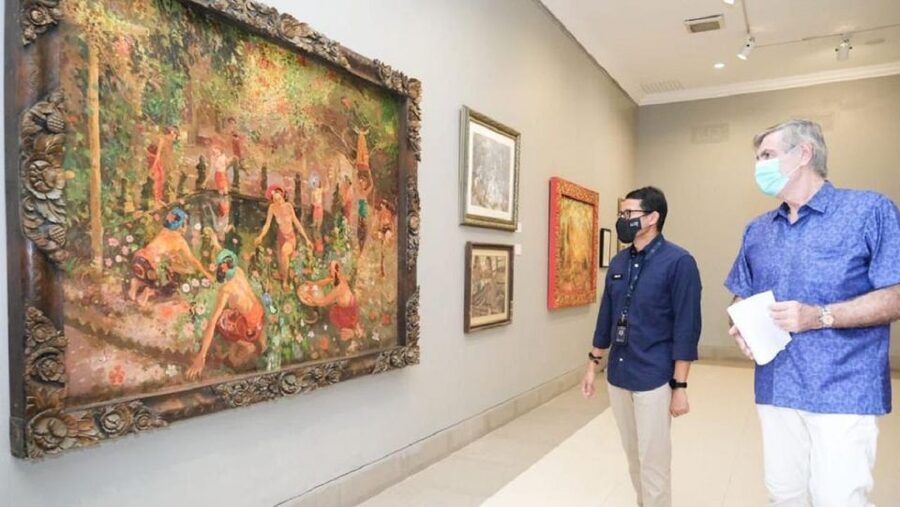
The painting side is where the museum can feel especially satisfying. You’ll see an impressive collection of paintings from across the Asia Pacific, with works spanning historic and contemporary styles and a strong focus on region-connected themes.
What I like about this approach is that it doesn’t treat Indonesia and the wider Pacific like side notes. The museum threads local artists and outside influences together so you can spot how styles travel, not just who painted what.
Here are some of the painting highlights you can keep an eye out for while you follow the audio guide:
- Indonesian Masters such as Raden Saleh, Lempad, Affandi, Hendra, and Kobot
- Indo-European artists influenced by the Asian continent, with emphasis on Indonesia and Bali
- European-connected names tied to Indonesia’s artistic scene, including Walter Spies, Miguel Covarrubias, Jean Le Mayeur, and Charles Sayers
If you’re trying to get value out of your time, I’d pick one or two Indonesian Masters to “study” during your walk, then let the other pieces orbit around those. It makes the museum feel less like a checklist and more like a conversation.
One practical consideration: some works may not have the same protective setup you might expect in every museum. If you’re sensitive to humidity or heat, be ready for Bali air to affect comfort while you’re in galleries. That doesn’t stop the experience, but it does mean you should plan to take breaks and not assume perfect cooling.
Indonesian masters and the Bali connection you can actually feel
If you care about Southeast Asian art history, this museum gives you a direct line into Indonesia’s major voices. The collection includes over 50 Indonesian artists, showing the range of styles and traditions under the same broad umbrella.
What makes this more than just a name drop is how the museum also includes artists inspired by Bali and Indonesia through an Indo-European lens. When you stand in front of pieces by artists such as Walter Spies or Jean Le Mayeur, you’re not only looking at paint—you’re seeing how artists from elsewhere interpreted local culture and scene.
A simple way to make sense of the contrast:
- Look first for subject matter and setting.
- Then check technique and mood—how the brushwork and composition communicate the artist’s interpretation.
- Finally, use the audio guide to connect it back to context.
You’ll get more out of the room if you do it in that order. Otherwise, it’s just visual noise in a big collection.
Oceania sculptures: the Michoutouchkine and Pilioko collection
This is the part that many people walk through more slowly. Museum Pasifika’s Michoutouchkine and Pilioko Collection of Premier Art of Oceania focuses on sculpture and includes around 200 sculptures from 10 Pacific Ocean nations.
The fact that these pieces were collected over roughly 50 years matters. It changes the feeling of the collection from random finds to a more coherent body of work. Even if you’re not a sculpture specialist, you can still enjoy how the styles and materials reflect distinct Pacific cultures and traditions.
When I’m evaluating a sculpture collection, I pay attention to how it handles variety. Here, you get a broad range across nations, which means you’re not just seeing one visual formula repeated. The audio guide can help you understand what you’re looking at, especially when you’re trying to interpret form, symbolism, and origin.
Comfort tip: sculpture rooms can be where you linger. If humidity is an issue for you, plan a short pacing strategy—look, pause, look again. It keeps you from getting tired halfway through the best section.
Western artists with Asia-linked moments: Gauguin and friends
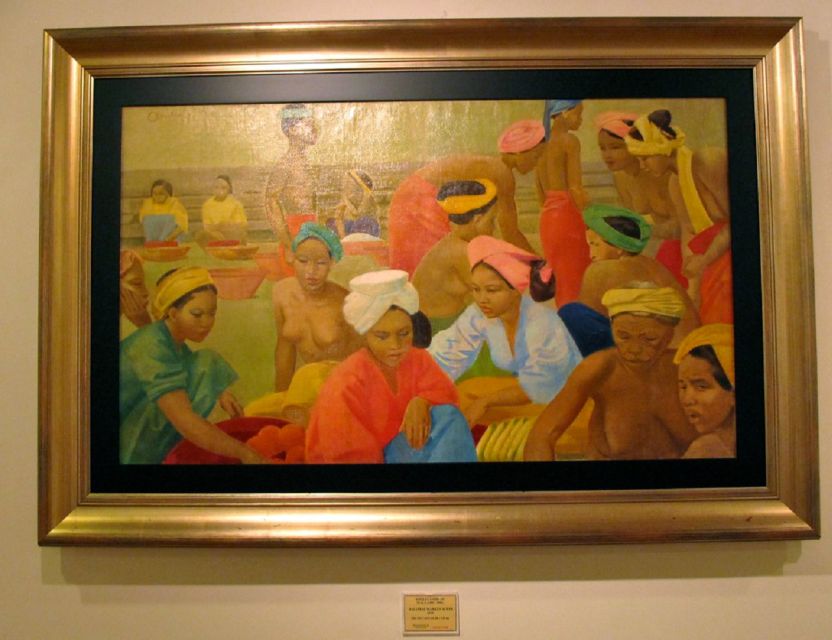
Museum Pasifika also brings in a “Western artists” thread, but it’s not just Europe-in-Europe. You’ll find a Legendary Western Artists Exhibition featuring sculptures and woodcuts of Paul Gauguin from his Tahiti period.
Gauguin is a major draw, but the museum doesn’t stop there. You may also see works by:
- Henri Rousseau
- Henri Matisse
- Auguste Rodin
- Marvina Hoffmann
- Bernard Buffet
What’s valuable here is the Asia connection. These artists are presented in relation to their time in Asia, so you can compare how Asian influence shows up in color, form, and subject. If you’re familiar with these names from Europe-only contexts, this portion helps you understand how travel changed what they made.
One note if you’re expecting a high-end “perfect museum air” experience: some people found the atmosphere a bit humid and less protected than ideal. If that concerns you, go with a relaxed expectation. The art is still the main point, but plan around comfort.
What’s included (and why it matters more than you think)
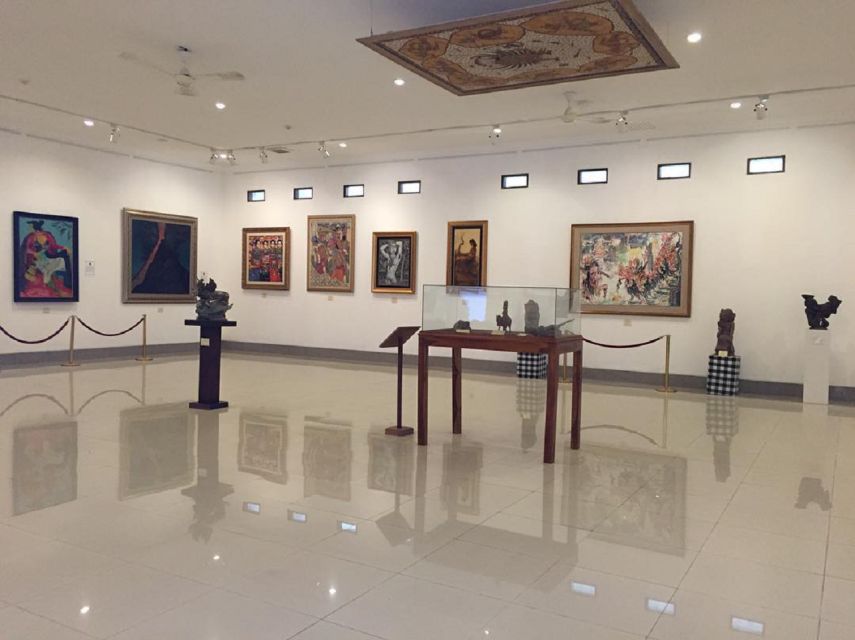
At around $7 per person, this ticket packs in more than just entry. You get:
- Admission ticket
- Audio guide
- Refreshments
- Cold towel
- Drinks (tea, coffee, or infused water)
This matters because it reduces friction. In hot weather, the biggest “hidden cost” isn’t money—it’s energy. When the museum handles small comfort items for you, you’re more likely to stay long enough to actually connect with the collection.
Also, there’s free Wi‑Fi onsite and a café, so you’re not stranded if you need a snack or a quick break between rooms.
Practical rules: help your visit feel smoother
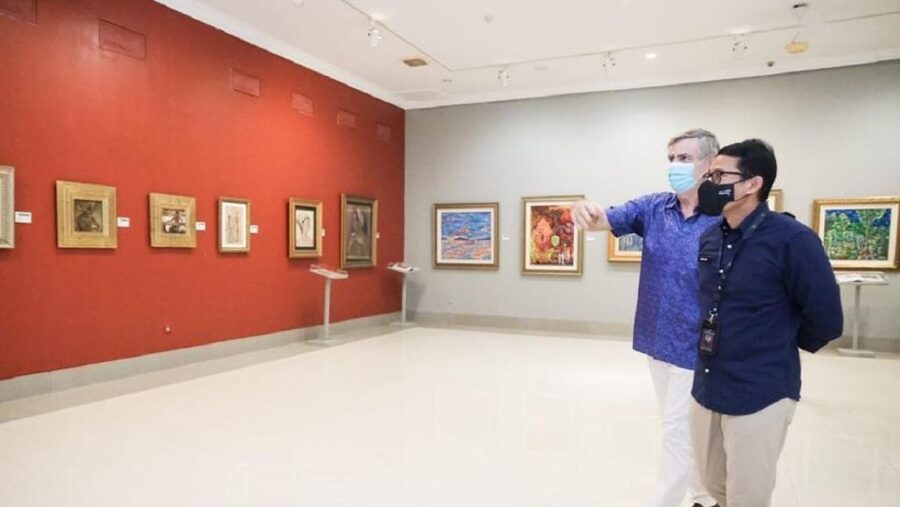
The museum has clear restrictions that are good to know in advance:
- No flash photography
- No tripods
- No weapons or sharp objects
These rules suggest the museum wants a quiet viewing atmosphere and protects artworks from harsh light and complicated setups. If you travel with photography gear, keep it simple. If you’re bringing a bag, you can expect security to be part of the entry flow, even if the details aren’t listed.
Wheelchair access is supported. The museum is wheelchair accessible, and galleries and facilities are accessible for motorized wheelchairs as well. That’s a big practical plus in Bali, where some attractions can be rocky to navigate.
Price and value at about $7
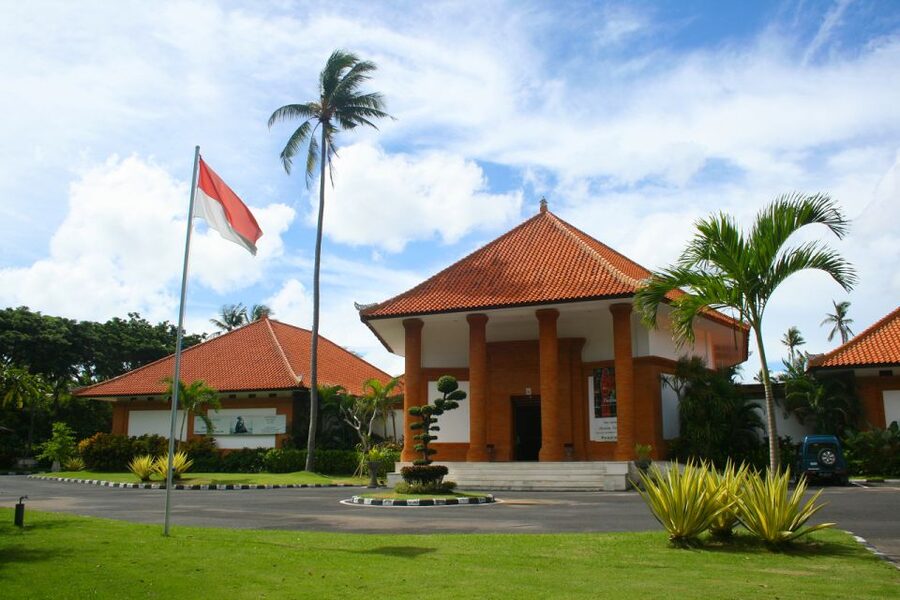
For roughly $7, I’d call this a high-value art visit—especially because you’re not paying extra for the educational layer. The audio guide is included, so you get context without the cost of a private guide.
You’re also paying for range. The museum covers:
- 600+ artworks
- about 200 artists
- major Indonesian names
- Indo-European artists linked to Indonesia and Bali
- a large Oceania sculpture section with around 200 sculptures
- Western artists tied to Asia-influenced moments
If you like art but don’t want to overpay for a museum that feels small, this is the kind of place where you can spend your ticket value by seeing enough variety to find your favorites.
If you’re the kind of visitor who only wants climate-controlled comfort and perfect conditions for viewing behind protective glass, you might find the environment less consistent. That’s the trade-off.
Who this fits best (and who might want a different plan)
This is a great fit if you:
- want an art museum day in Nusa Dua without a big, complicated tour structure
- like learning as you look using an audio guide
- enjoy discovering cross-cultural connections, like Indonesian Masters alongside Indo-European artists tied to Bali
- have curiosity about Pacific sculpture traditions and want a substantial collection
It might be a tougher fit if you:
- are heat-sensitive and need strong climate control at all times
- prefer museums where most works are heavily protected from humidity and environmental factors
If you’re planning your Bali trip and you want one solid art stop that feels relaxed and not overly formal, Museum Pasifika is a strong candidate.
Should you book Museum Pasifika in Nusa Dua?
Yes, you should book if you want a full, varied art day for a small price and you’re comfortable using an audio guide to shape your experience. The museum’s strongest points are the Indonesian Master presence and the big Premier Art of Oceania sculpture collection, plus the fun cross-links to artists connected to Indonesia and wider Asia.
You might skip (or at least go with adjusted expectations) if humidity and room comfort are deal-breakers for you, or if you expect museum-standard climate control in every gallery.
Either way, go with a plan: pick one or two themes to focus on, use the audio guide early, and then return to what you liked. That’s how this ticket turns into a real art outing rather than just a walk-through.
FAQ
What’s included with the Museum Pasifika admission ticket?
The ticket includes museum admission, an audio guide, refreshments, a cold towel, and drinks such as tea, coffee, or infused water.
Are the audio guides available in English?
Yes. The audio guide is available in English and Indonesian.
Where do I show my ticket to enter?
Show your ticket at the reception area for Museum Pasifika Bali.
Is hotel pickup or drop-off included?
No. Hotel pickup and drop-off are not included.
Is Museum Pasifika wheelchair accessible?
Yes. The venue is wheelchair accessible, and galleries and facilities are accessible for both wheelchair users and motorized wheelchairs.
Can children enter for free?
Yes. Children aged 0–11 can enter free of charge.
More Bali Tickets & Passes
More Bali Reviews & Picks
Still deciding? More Bali days reviewed, from volcano sunrises to island crossings
Uluwatu, GWK & the Bukit Coast, compared.
 ★ 5.0Uluwatu Sunset, Kecak Dance, and Dinner Jimbaran BeachFrom $353,681 reviews
 ★ 4.5Uluwatu Sunset Tour: Kecak and Fire Dance with Jimbaran DinnerFrom $65597 reviews
 ★ 5.0Uluwatu Temple Entry and Kecak Fire Dance TicketFrom $29479 reviews
 ★ 5.0Private Tour: Uluwatu Temple & Southern Bali HighlightsFrom $45387 reviews
 ★ 5.0Private Tour Bali Beaches and Uluwatu Temple with DinnerFrom $48363 reviews
 ★ 4.0Kecak and Fire Dance Ticket at Uluwatu TempleFrom $11222 reviews
 ★ 4.5Private Half-Day Tour: Uluwatu Sunset Trip and Dinner PackagesFrom $65219 reviews
 ★ 4.5All Inclusive Kecak Dance and Uluwatu Temple Admission TicketFrom $38127 reviews
Browse the lists this tour appears in