Reviewed · BALI
Stargazing Under the Bali Skies
Bali at night can feel unreal, in the best way. I love the Saturn-ring viewing and the hands-on telescope teaching that makes the night sky feel personal, not lecture-y. One thing to keep in mind: what you see depends on weather, so clouds can limit targets even with great gear.
This is a private, cozy session (up to 5 people) that you can actually enjoy at your own pace. With guides like Gabs and Donny, you’ll get calm explanations, plenty of Q&A, and time to learn the equipment rather than just point and stare.
In This Review
- Key Points Before You Go
- Stargazing Under the Bali Skies: What Makes This Tour Different
- The 6:30 pm Beach Setup: Timing and First Impressions
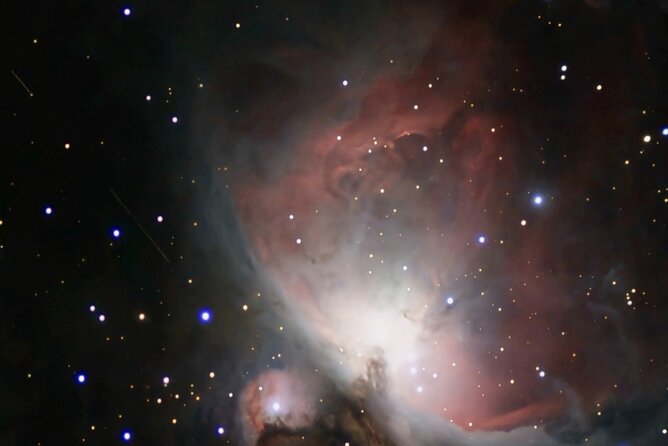
- What You’ll See Through the Telescopes (And Why It Matters)
- Hands-On Equipment Time: Telescopes, Binoculars, and a Smart Camera
- Coffee Under the Stars: A Comfort Move That Changes the Whole Mood
- Your Guide, Your Pace: Asking Questions Without Feeling Silly
- How the Private Format Works (Up to 5 People)
- Price and Value: Why $191.49 Can Make Sense Here
- Weather, Night Sky Expectations, and How to Stay Flexible
- What You Take Home: Starmap, Pocket Guide, and Surprise Goodies
- Who This Tour Is Best For
- Should You Book Stargazing Under the Bali Skies?
- FAQ
- How long is the stargazing experience?
- What time does the tour start, and where is the meeting point?
- Is this a private tour, and how many people are in a group?
- What can we see during the session?
- What’s included in the price?
- Do I need prior knowledge of astronomy?
- What happens if the weather is bad?
Key Points Before You Go
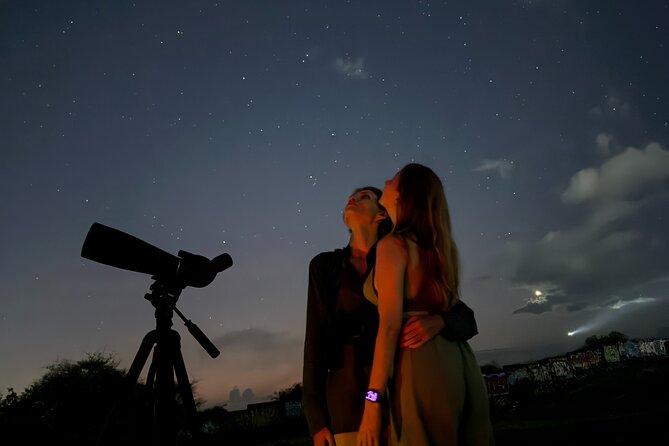
- Private and beginner-friendly: you don’t need any astronomy background, and your group stays together.
- Multiple views of the sky: telescopes, binoculars, a spotting scope, plus a smart astrophotography camera.
- Moon and planets are the headline: Moon craters, Saturn’s rings, Jupiter’s moons, and constellations when conditions allow.
- A real experience, not just a photo op: coffee under the stars, a starmap + pocket guide, and surprise take-home goodies.
- Village support is built in: part of your booking supports the local community in the Seseh/Munggu Village area.
- You’ll get documentation: a 20-minute photo/documentation window is included, so you’re not scrambling for your own setup.
Stargazing Under the Bali Skies: What Makes This Tour Different
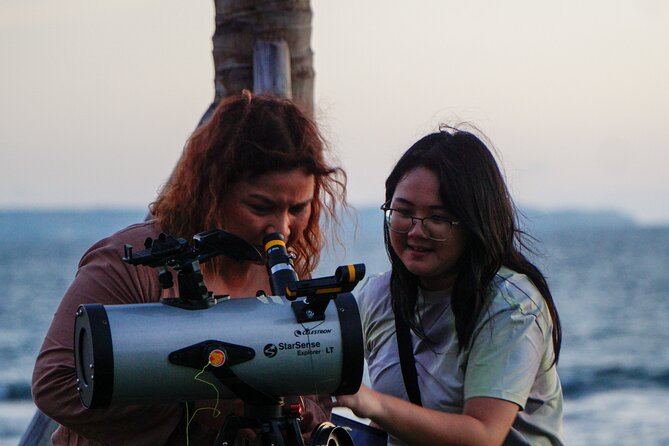
Most Bali night activities are about energy—music, crowds, fast movement. This one is the opposite. It’s slow. Quiet. Focused on the sky, and built so you can actually understand what you’re looking at.
The big hook is the mix of heart and science. You’ll still use serious observing tools, but the vibe is friendly and human. You can ask questions you’ve carried around for years—then get clear answers in plain language, not astronomy jargon. And because it’s private (up to 5), you’re not fighting to be heard or rushing through the good parts.
I also like that it feels genuinely personal. The session happens on the beach, you get warm coffee brewing under the stars, and the guide isn’t just moving you from object to object. They’re trying to make you comfortable with the sky, step by step.
More of Bali worth booking, from the Ubud rice terraces to the reefs off the Bukit.


The 6:30 pm Beach Setup: Timing and First Impressions
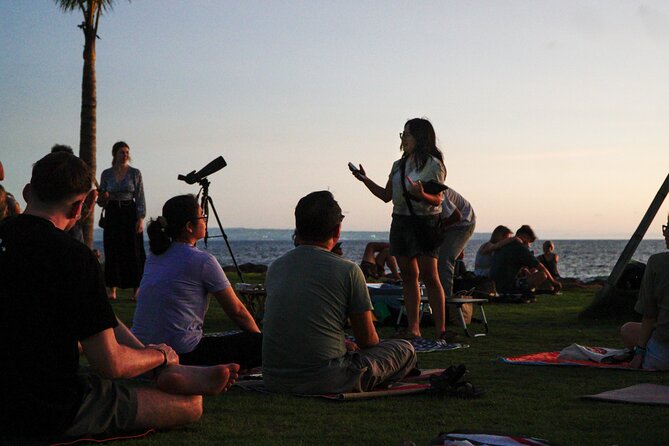
The experience starts at 6:30 pm at Munggu Beach Sea, Bali, and it ends back at the meeting point. It runs about 2 hours 30 minutes, which is a good length for this kind of activity. Long enough to use different gear and see multiple objects. Not so long that everyone loses patience.
When you arrive, the atmosphere matters. The beach setting helps you slow down. It also makes the sky feel more open. A lot of stargazing tours are done on a dark patch somewhere out of sight of the real world. Here, the sea and the night air create a calmer landing point for your brain.
A practical note: stargazing is weather-dependent. If clouds roll in, the guide will still aim for what’s possible, but the main targets are not guaranteed. The upside is that you’ll still get instruction and hands-on practice even if conditions change.
What You’ll See Through the Telescopes (And Why It Matters)
This is not just a one-object night. It’s a guided night tour through real targets you can recognize and that teach you how to look.
Here are the key astronomy highlights included in the experience:
- The Moon’s craters
- Saturn’s rings
- Jupiter’s moons
- Constellations and other objects depending on weather
Why these are such a good choice for a first stargazing session: they each teach you something different about the sky.
The Moon is close and dramatic. Even when you don’t know constellations, you can still make sense of what you’re seeing. Craters help your eyes connect the idea of scale to something visible and textured.
Saturn’s rings are the classic wow moment. They’re also a great test of the equipment and seeing conditions. When the view is clear, it’s not just pretty—it’s a real observational win.
Jupiter’s moons are the “oh, planets aren’t lonely” lesson. They shift the sky from static to alive, even if everything is still.
And because the tour is designed for beginners, you’re not expected to memorize star names. You’ll use a starmap to help you get your bearings fast and keep the night feeling understandable.
Hands-On Equipment Time: Telescopes, Binoculars, and a Smart Camera
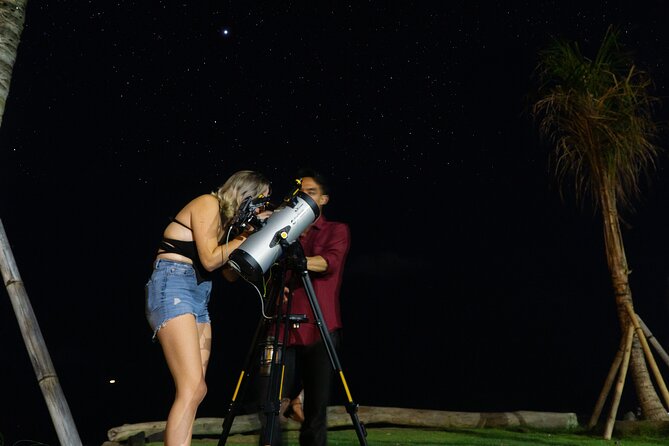
One of my favorite parts is that you don’t just look through one device and go home. You’ll use different kinds of gear, including high-quality telescopes, binoculars, a spotting scope, and a smart astrophotography camera.
That matters because every tool teaches a different way of seeing:
- Binoculars are great for quick scanning and context.
- A telescope narrows your focus so you can see detail.
- A spotting scope can help with steady viewing when you’re trying to frame objects carefully.
- The smart astrophotography camera gives you a way to document the night without needing to be a technical expert first.
The included photography and documentation for 20 minutes is also a big plus. You get time set aside for capturing what you see, and you’re not left guessing how to set up your own phone shots with the sky already moving into darkness.
If you’re the kind of person who likes skills more than souvenirs, this portion is the value driver. You learn how to operate the telescope during the session, so the experience doesn’t end when you leave.
Coffee Under the Stars: A Comfort Move That Changes the Whole Mood
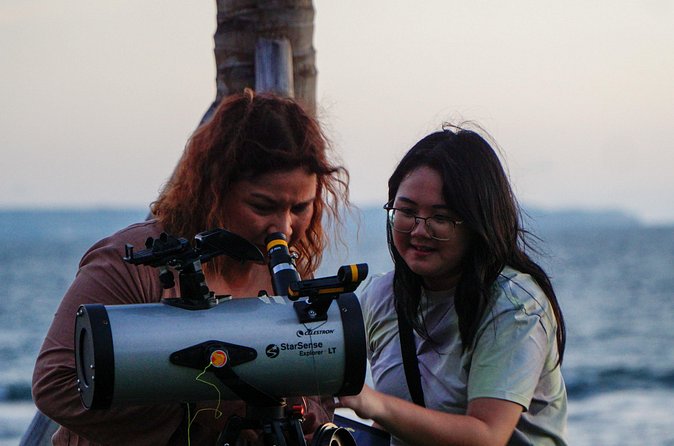
This tour includes a complimentary coffee brewing experience under the stars. It sounds simple, but it affects everything.
Stargazing gets cold fast, even in tropical places once the sun drops. Warm coffee gives you something comforting to do while you wait for targets to line up, while the guide adjusts equipment, or while clouds drift away.
It also keeps the night from feeling like a task. You can take a breath. Look up again. Ask your next question. That relaxed pacing is part of why the experience feels cozy rather than mechanical.




Your Guide, Your Pace: Asking Questions Without Feeling Silly
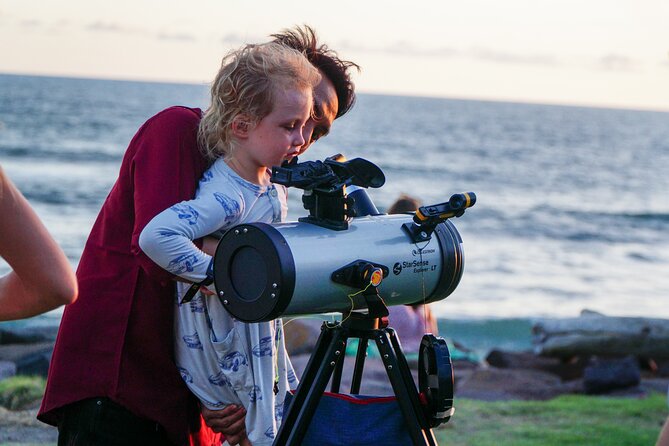
The vibe here is very “friendly Q&A.” Guides like Gabs and Donny are there to answer questions and keep the explanations clear.
That matters because a lot of stargazing feels intimidating if you’re worried about not knowing enough. Here, you’re encouraged to ask anything you’ve wondered about space—then the guide connects the question to what’s visible right now.
You’ll also learn how to use the equipment yourself. That turns the night from passive watching into active learning. You don’t have to be brave. You just have to show up and point.
How the Private Format Works (Up to 5 People)
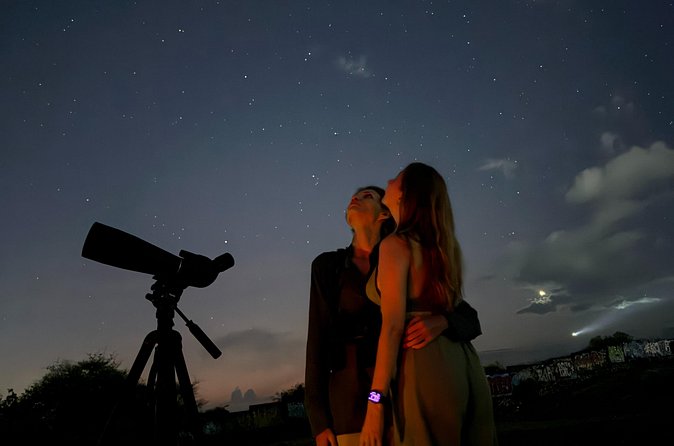
This is a private tour/activity, limited to only your group, up to 5 people. For a stargazing experience, that’s a big deal.
In a larger group, you spend time waiting your turn at the eyepiece or trying to interpret instructions over other people’s questions. In a private setup, the guide can slow down for your group. They can adjust teaching to your comfort level. And if someone in your group is especially curious, you’re not forced to move on.
Also, the private feel makes it easier to keep the night peaceful. Your experience stays about the sky, not about navigating a crowd.
Price and Value: Why $191.49 Can Make Sense Here
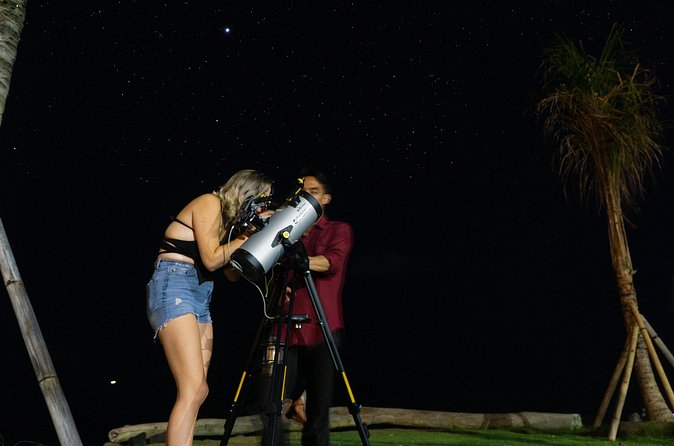
The price is $191.49 per group (up to 5). That’s not cheap if you’re traveling solo. But it can be a strong value if you’re splitting the cost.
Here’s the quick way to think about it: you’re paying for (1) a private guide setup, (2) high-quality observing equipment, (3) the included astronomy guide materials, (4) coffee, and (5) included documentation time.
If you book for two, three, or up to five, the per-person value improves fast. And unlike a lot of tours where you get a checklist experience, this one includes actual skill-building with the telescope and camera tools.
Plus, part of your booking supports the local community in the Seseh/Munggu Village area, which adds a quiet kind of meaning to the night.
Finally, it’s designed to be booked ahead—on average, it’s reserved about 24 days in advance. That timing matters because dark-sky activities are harder to schedule on short notice when weather shifts.
Weather, Night Sky Expectations, and How to Stay Flexible
This tour requires good weather. If it’s canceled due to poor weather, you’ll be offered a different date or a full refund. That’s the right kind of safety net for a sky-based activity.
But even with good conditions, remember this: stargazing is partly timing and partly luck. Clouds, humidity, and wind can all affect clarity. The guide will focus on what’s visible that night, including Moon, Saturn, Jupiter, and constellations when possible.
My advice is simple: treat this as both an observation and a learning session. If the sky gives you a clear view, you’ll be thrilled. If conditions are mixed, you’ll still come away knowing how to use the gear and how to read the sky better.
What You Take Home: Starmap, Pocket Guide, and Surprise Goodies
You’ll get a starmap + astronomy pocket guide plus surprise take-home goodies. This turns the night into something you can continue using later instead of forgetting after the photos.
A starmap is especially helpful if you want to recreate the experience back home. You’ll remember a few key patterns from the guide’s pointing. Then you can use the map to find similar constellations and objects in your own dark-sky moments.
If you’re the practical type who likes to learn but hates wasting time, this take-home material is a smart finishing touch.
Who This Tour Is Best For
This is a great fit if:
- you’re new to astronomy and want a beginner-friendly setup
- you want real viewing through multiple tools, not just one quick telescope look
- you’d like to ask questions and get clear answers
- you want a private, calm night activity on Bali
It may be less ideal if:
- you want a high-energy nightlife atmosphere
- you hate waiting while equipment is adjusted and skies settle
- you’re only interested in one specific target and can’t handle it if weather changes
Should You Book Stargazing Under the Bali Skies?
I think you should book it if your idea of a great Bali night includes quiet wonder and actual learning. The hands-on gear experience, the chance to view major objects like the Moon’s craters and Saturn’s rings when conditions allow, and the cozy coffee setup make it feel special without being flashy.
If you’re traveling as a couple or small group, the private format is where the value really clicks. If you’re solo, it can still be worth it, but you’ll want to be sure you’re excited about the learning and documentation side, not just the view.
Book with weather flexibility in mind. Then show up curious. The night sky here can do more than impress. It can actually teach you how to look.
FAQ
How long is the stargazing experience?
It runs for about 2 hours 30 minutes.
What time does the tour start, and where is the meeting point?
It starts at 6:30 pm at Munggu Beach Sea, Bali, Indonesia, and ends back at the meeting point.
Is this a private tour, and how many people are in a group?
Yes. It’s private, and your group is limited to up to 5 people.
What can we see during the session?
The tour focuses on the Moon’s craters, Saturn’s rings, Jupiter’s moons, and constellations, depending on weather.
What’s included in the price?
Included are telescopes and other observing gear (binoculars, smart astrophotography camera, spotting scope), complimentary coffee, a starmap plus an astronomy pocket guide and surprise goodies, and photography/documentation for 20 minutes.
Do I need prior knowledge of astronomy?
No. The experience is beginner-friendly and designed so you can participate without prior astronomy knowledge.
What happens if the weather is bad?
This experience requires good weather. If it’s canceled due to poor weather, you’ll be offered a different date or a full refund.