
Reviewed · GUIDED
Well-Guided Local Textile Tour of Denpasar
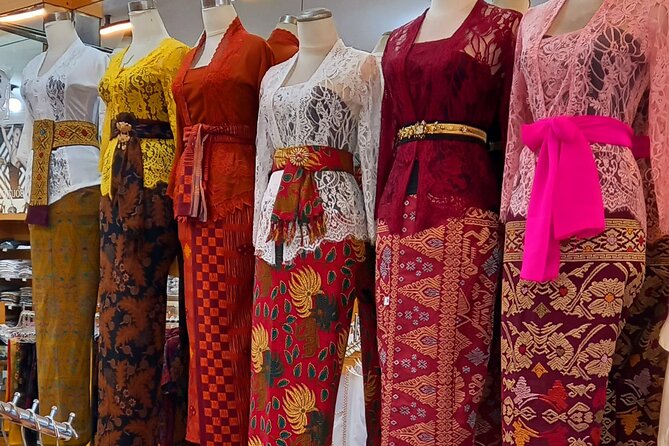
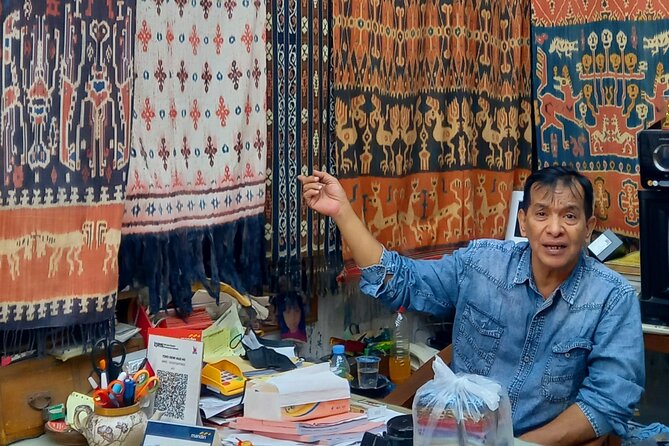
Denpasar textiles come with real stories. On this 2-hour walk led by Ayu and Ngurah, you move through central Denpasar to see batik and other fabrics up close, starting with a chat with Pak Rayyis on Jalan Gajah Mada.
I love how the tour focuses on the real variety—not just one style—so you get exposure to Javanese hand-painted batik, modern batik, ikat, and endek weaving. I also like that the guide can adjust stops to your interests, based on what you want to look at and buy. One thing to consider: the experience requires good weather, so it can shift if conditions are poor.
In This Review
- Key highlights you’ll feel during the walk
- Why this Denpasar textile walk makes sense (even if you are not a fabric expert)
- Start on Jalan Gajah Mada and meet Pak Rayyis
- Kumbasari Market: batik, ikat, and weaving in local shops
- Jalan Sulawesi: affordable everyday batik plus modern materials
- What makes the guide experience stand out (Ayu’s style really matters)
- Textile basics you can actually use while shopping
- Compare before you buy
- Ask about purpose, not just origin
- Treat reasonable local prices like a skill
- Price and logistics: $25, a small group, and a 2 pm start
- Who should book this Denpasar textile tour?
- Things to watch for before you go
- Should you book it?
- FAQ
- How long is the well-guided Denpasar textile tour?
- Where does the tour start and end?
- What areas do we visit during the tour?
- What types of textiles can I expect to see?
- How large is the group?
- Is there a mobile ticket?
- What is the cancellation policy?
- Who guides the tour?
Key highlights you’ll feel during the walk
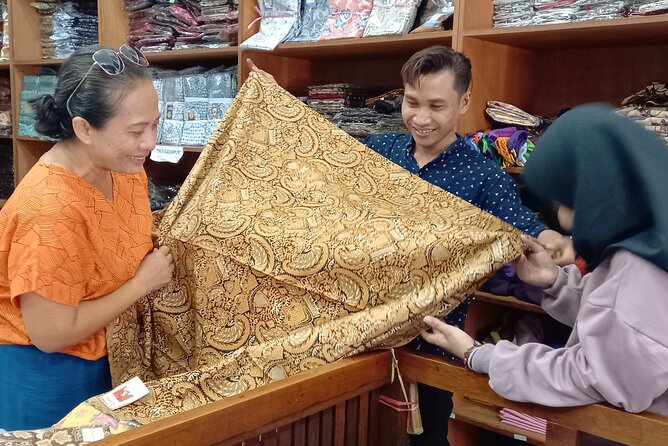
- Ayu and Ngurah guide you through textile culture with practical explanations and easy-to-follow English
- Meet Pak Rayyis on Jalan Gajah Mada and hear about his textile collections
- Kumbasari Market stop is dedicated to batik, ikat, and weaving shops
- Jalan Sulawesi delivers both everyday printed batik and modern fabrics
- Small group size (max 10) helps with questions and focused shopping
- Smart shopping tips help you aim for reasonable local prices
Why this Denpasar textile walk makes sense (even if you are not a fabric expert)
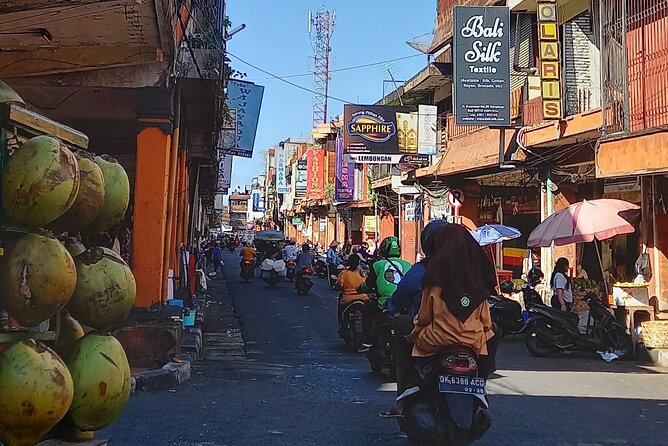
Denpasar is a good place to learn textile basics because the city feels practical, not staged. You are not just looking at a few display fabrics behind glass. You are walking old streets, stepping into shops, and seeing how textiles show up in daily life and local craft traditions.
At $25 per person for about 2 hours, the value is less about the length of the tour and more about what you get for that time. In a short window, you cover multiple styles and multiple shopping zones, with a local guide who can point out what you should notice. That saves you the trial-and-error that usually comes with fabric hunting.
I also like that this is built for people who enjoy shopping, but it does not force you into a buy-everything mindset. You can come with curiosity, take notes (or photos), and only purchase if something truly clicks.
One more practical win: the tour is near public transportation, which matters in Bali where time and traffic can get weird.
More guided Bali tours


Start on Jalan Gajah Mada and meet Pak Rayyis
Your tour starts at Jl. Gajah Mada No.1 (Dauh Puri Kangin, Denpasar Utara) at 2:00 pm, and it brings you back to that same meeting point at the end. The first stop sets the tone: Jalan Gajah Mada and Pak Rayyis.
This part matters because it is not only about fabrics as objects. It is also about fabrics as collections—how a local gather, stores, and understands them. When you meet someone who is specifically focused on textiles, you tend to notice details faster. You learn what to ask about, and you stop guessing.
You will see traditional and style-related differences more clearly right away. That early context helps later stops make sense, especially once you are comparing hand-painted patterns with other textile methods and finishes.
Kumbasari Market: batik, ikat, and weaving in local shops
Next you head to Kumbasari Market, where you visit two shops specializing in traditional batik, ikat, and weaving. This stop is where the tour earns its name as a local textile experience.
Markets can be overwhelming. So the structure helps. Instead of wandering randomly and hoping you land on something good, you get guided selection. The tour also gives you a sense of what different shops focus on—so you can compare styles without feeling lost.
Here is what to pay attention to at Kumbasari:
- Pattern types and how they repeat: some fabrics look like they were designed for regular rhythm; others feel more freeform
- Texture and thickness: even before you understand techniques, your hands can tell you what kind of fabric you are dealing with
- Ikat cues vs. batik cues: the guide can help you spot the differences, so you do not just collect images—you collect understanding
Also, if you are a gift shopper, this is one of the better times to look for pieces that feel distinct. In tourist areas, the same patterns show up again and again. In a market-focused stop like this, you have a better shot at finding something that feels more personal.
Jalan Sulawesi: affordable everyday batik plus modern materials
After Kumbasari, you move to Jalan Sulawesi, a well-known area for fabrics in Denpasar. This is where your shopping options expand quickly.
The tour notes that here you can find print affordable everyday-use batik, plus modern fabrics such as linen, brocade, cotton, lace, quilting materials, dressmaking fabrics, interiors, silk, rayon, and more. That range is a big deal. It means you are not limited to one product category.
If you are buying for a specific purpose, Jalan Sulawesi is the practical stop. Examples:
- If you want something easy to wear, you can focus on cotton or everyday batik prints
- If you are thinking about home décor, you can look at interior-style fabrics and heavier weaves
- If you are a hobbyist or maker, quilting materials and lace give you real options
A guide helps here, too, because “modern fabric” can be a vague label when you are reading a sign. Having someone point out differences saves you from accidentally buying a fabric that does not suit your plan.
What makes the guide experience stand out (Ayu’s style really matters)
The most praised part of this tour is the guidance. The guides are Ayu and Ngurah, and one of the standout details is that Ayu can modify the stops to match your interests. If you care more about technique than shopping, that changes what you ask and how you look. If you want to shop smart, she can steer you toward what is worth your time.
You also get clear English and a focus on local techniques. That pairing is ideal for textile newbies. You do not need to already know terms like batik vs. ikat to enjoy it. You learn what to look for while you are standing in front of the fabric.
For me, this is the real value in any craft tour: you want less lecture, more guidance in the moment. When you are surrounded by bolts of fabric, the “why” becomes much easier to understand if it is explained while you can still point at what the guide is talking about.

Textile basics you can actually use while shopping
You will walk through several categories, including Javanese traditional hand-painted batik, modern batik, ikat, and endek weaving. Even in two hours, that variety can change how you shop.
Here is how to turn the tour into knowledge you can use after you leave:
Compare before you buy
Use the stops to build your own quick mental checklist:
- What style does this shop specialize in?
- Does the fabric feel like it will hold up for the use you want?
- Is the pattern something you would actually wear or gift?
Because you visit multiple textile areas, you get an instant baseline for what looks common versus what feels more specific.
Ask about purpose, not just origin
Instead of only asking where a fabric is from, ask what it is typically used for. The tour’s stop mix (everyday batik, dressmaking, interiors, quilting materials) makes it easy to connect a fabric to a real-world use.
Treat reasonable local prices like a skill
You will be encouraged that shops offer reasonable local prices, and you will get tips for smart shopping. That matters because “reasonable” is not just luck. It is about knowing what you are comparing and how you judge quality by sight and feel.
No, this is not a magic wand. But a guide can help you avoid overpaying by misunderstanding labels or fabric weight.
Price and logistics: $25, a small group, and a 2 pm start
Let’s talk reality. Two hours sounds short until you remember that you are moving through several textile zones on foot. The tour is designed to keep things focused, not stretched thin.
A few logistics details that affect your experience:
- Max 10 travelers keeps it from becoming chaotic
- Mobile ticket keeps things simple
- It starts at 2:00 pm and ends back at the meeting point
- Near public transportation helps you plan your day without extra stress
On value: $25 is on the low end for a guide-led, multi-stop market walk. You are not paying for a museum visit—you are paying for access, guidance, and time. If you like textiles and want to avoid aimless wandering, this is a good rate for that goal.
If you are hoping for a long deep course on Indonesian weaving techniques, two hours is not that. But if you want a practical sampler you can build on later, it hits the mark.
Who should book this Denpasar textile tour?
Book it if any of these sound like you:
- You love shopping for fabric and want a plan instead of wandering
- You want to learn the look-and-feel differences between batik, ikat, and woven textiles
- You like gifts that feel more specific than what you see everywhere
- You want guidance in English while you explore local shops and markets
It is also a good fit for couples or small groups who want different things. One person might gravitate toward batik; the other might care about linen, quilting materials, or dressmaking fabrics. With Ayu adjusting stops based on interest, you do not have to drag yourself through the same displays.
Things to watch for before you go
This experience requires good weather, so check the forecast. If conditions are poor, the tour may be offered a different date or refunded.
Also, come with comfortable shoes. You are walking through old streets and shop-to-shop areas, and textile shopping can make you stop more often than you expect.
Finally, keep your expectations practical. You will see a lot in two hours, but you will not see everything in Denpasar. Use the tour as your scouting trip, then go back later with a clearer sense of what you like.
Should you book it?
Yes, if you want a short, focused way to understand Indonesian textiles in central Denpasar. This tour is strongest where it counts: real local shop access, a guide who can tailor the experience, and coverage of multiple textile styles in a tight schedule.
Skip it only if you dislike walking or you are going to be unhappy unless you can browse silently for hours. Otherwise, you will likely leave with better instincts for what you are buying and why it matters—plus the satisfaction of spotting fabrics that you might not find in tourist-only boutiques.
FAQ
How long is the well-guided Denpasar textile tour?
It runs for about 2 hours.
Where does the tour start and end?
It starts at Jl. Gajah Mada No.1, Dauh Puri Kangin, Kec. Denpasar Utara, Kota Denpasar, Bali 80232, Indonesia, and ends back at the meeting point.
What areas do we visit during the tour?
You visit Kumbasari Market, Jalan Sulawesi, and the Denpasar area around the starting point, with stops including local shops along old streets.
What types of textiles can I expect to see?
You may see Javanese traditional hand painted batik, modern batik, ikat, endek weaving, and other textile categories. At Jalan Sulawesi, you can also find materials like linen, brocade, cotton, lace, quilting materials, dressmaking, interiors, silk, and rayon.
How large is the group?
The tour has a maximum of 10 travelers.
Is there a mobile ticket?
Yes, the tour uses a mobile ticket.
What is the cancellation policy?
Free cancellation is available up to 24 hours before the experience start time for a full refund. Weather issues can also lead to a different date or a full refund.
Who guides the tour?
The experience is guided by Ayu and Ngurah, and Pak Rayyis is part of the first stop on Jalan Gajah Mada.
More Guided Bali Tours

More Bali Tour Picks

More Bali Reviews & Picks
Still deciding? More Bali days reviewed, from volcano sunrises to island crossings








Guided, compared.
 ★ 5.0Discover The Best of Ubud: All-Inclusive and Private Guided TourFrom $30909 reviews
 ★ 5.0Ubud Hot Springs and Waterfall Private Guided TourFrom $18719 reviews
 ★ 5.0Private Tour : Mount Batur Sunrise Trekking With Private GuideFrom $42422 reviews
 ★ 5.0Bali Private Car Charter with English Speaking Driver Or GuideFrom $30200 reviews
 ★ 5.0Mount Batur Sunset Jeep Guided Tour (Private Tour)From $27152 reviews
 ★ 5.0Half Day Tanah Lot Temple Private Guided TourFrom $32126 reviews
 ★ 5.0Ubud Private Tour : Best Of Ubud – Guided TourFrom $31100 reviews
 ★ 5.0Ubud Day Tour – Private Ubud Tour Guide – Best Of Ubud TourFrom $5096 reviews