Reviewed · BALI
Bali Art Experience: Batik Painting & Cultural Connection
Batik only looks complicated until you sit down and try it. In this Nusa Dua workshop, I like the hands-on method and the way the session is paced so you can actually make something, not just watch. I also appreciate the creative freedom—you trace a design you like, then you bring it to life with wax and color.
The main thing to plan for is the split workflow: the first session runs about 1.5 to 2.5 hours at a table, and then part of the process happens at least 24 hours later at home. If you want a one-and-done souvenir you leave with fully finished the same day, this setup may feel like extra effort.
In This Review
- Key things I’d mark on your checklist
- Bali batik painting in Nusa Dua: what makes it feel different
- The actual batik process: tracing, waxing, coloring, fixing
- 1) Choose and trace your design
- 2) Paint melted wax following the traced lines
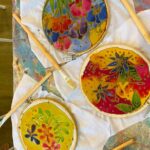
- 3) Paint colors onto the cloth
- 4) Apply a liquid to fix the colors
- 5) Finish the remainder at home (at least 24 hours later)
- Nusa Dua Beach and Mengiat Beach: what those stops add
- Timing that actually makes sense: 2.5 hours on-site, then later at home
- What’s included, what’s not, and what I’d pack
- Finishing your batik at home: your instruction handout is the real product
- Price and value: $33.45 for real making, not just a tour photo
- Who should book this batik class in Nusa Dua
- Should you book Oedel Batik Experience?
- FAQ
- How long is the batik painting experience?
- Where does the class take place?
- Is transportation included?
- What’s included in the price?
- Is food and drink included?
- Do I keep working on the batik after I leave Bali?
- Is this a private experience?
- What’s the cancellation policy?
- Are service animals allowed?
Key things I’d mark on your checklist
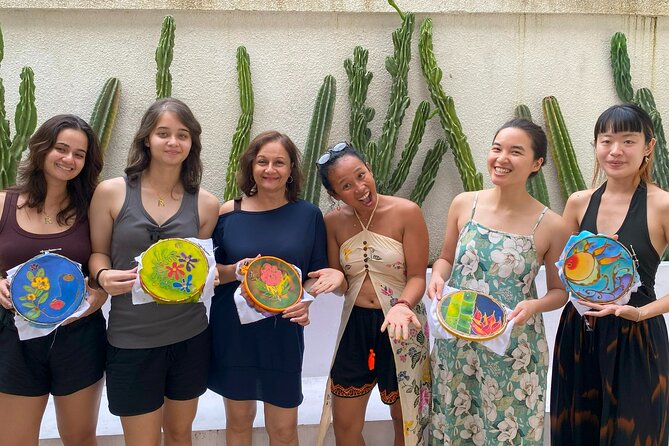
- A licensed guide (Jenn) runs the steps clearly and keeps you moving at a comfortable pace.
- Wax-resist batik starts with tracing your design, then painting melted wax along those lines.
- You’ll use a cloth and batik tools as part of the class, with options to bring a simple design.
- You’ll do the main workshop at the meeting area, with short stops at Nusa Dua Beach and Mengiat Beach for scenery.
- Your batik isn’t fully “finished” in one sitting: you’ll get instructions for the final at-home step(s) later.
- This is a private activity for your group, which usually makes it easier to ask questions and adjust your pace.
Bali batik painting in Nusa Dua: what makes it feel different
Bali batik is one of those crafts that can sound intimidating. People hear wax, dyes, and patterns and assume you need years of training. This workshop strips it down to practical steps you can follow right away, with a guide who explains what each stage is doing and how it affects your final pattern.
The value isn’t just that you leave with a cloth piece. It’s that you learn the logic behind the art: wax acts like a barrier, color goes where it’s allowed, and the later fixing step helps the colors stay put. That knowledge turns your souvenir into something you understand, not just something you bought.
A big plus: because it’s set up as a private class for your group, the pace can feel more like tutoring than a production line. In the experience, I’d expect Jenn to tailor the explanation to your speed—especially if you’re traveling with a friend and want to work side by side.
More of Bali worth booking, from the Ubud rice terraces to the reefs off the Bukit.



The actual batik process: tracing, waxing, coloring, fixing
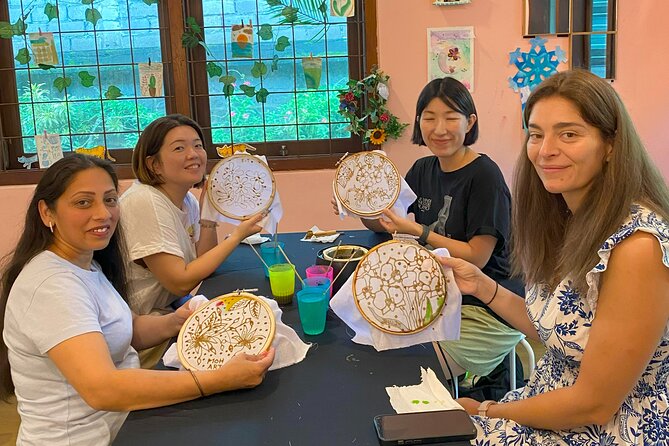
Here’s the workflow, broken down in the same order you’ll do it on the day.
1) Choose and trace your design
You pick a piece of artwork to use as your batik reference. Then you trace it onto cloth using a pencil. This is a smart first step because it removes the hardest part for beginners: getting an accurate pattern on fabric.
If you already have a simple design you like, you can bring it. If not, you can still work with the provided design-to-trace options.
2) Paint melted wax following the traced lines
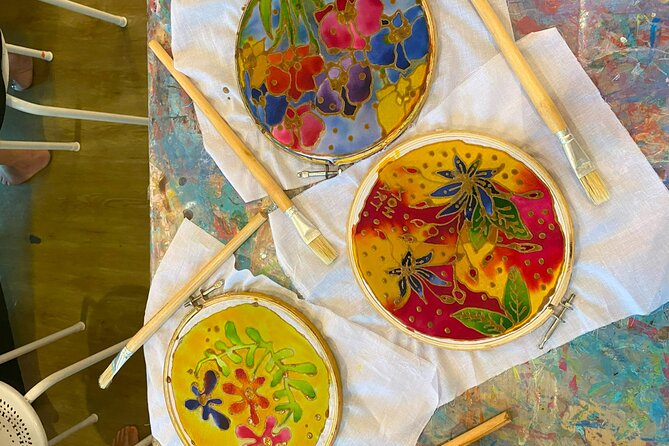
Next comes the classic batik move: you paint melted wax onto the cloth, following your pencil lines. Think of wax as your map. Wherever wax goes, it blocks dye later, creating the light line pattern you’ll see in batik prints.
This part can be calming if you go slow. Your goal is not speed—it’s staying true to your traced lines.
3) Paint colors onto the cloth
After the wax is in place, you add color. This is where your design starts to look like batik rather than a grid of lines.
In a workshop like this, your guide’s role matters: they help you understand how to apply color over waxed areas without making the pattern messy. You’ll get room to be creative, but with enough structure to avoid common beginner mistakes.




4) Apply a liquid to fix the colors
Then you apply a liquid that fixes the colors on the cloth. This step is the bridge between art and something that can travel with you.
5) Finish the remainder at home (at least 24 hours later)
The process continues later. You won’t complete every final action in the same day. Instead, you’ll do the remaining steps at least 24 hours later at home, using instructions from a handout you receive.
That’s a key consideration for planning your trip. Pack your batik plan into your schedule, because you’ll want time to follow the at-home steps carefully.
Nusa Dua Beach and Mengiat Beach: what those stops add
This experience includes stops at Nusa Dua Beach and Mengiat Beach, which helps make it feel more like a cultural outing than just a room full of crafts.
What you can expect from these beach moments is fairly simple: a chance to get outside, look at the coastline, and reset your brain before you sit down for the detailed work. You’re not going to be stuck inside all day, and you’ll have those small breaks to help with attention when you’re handling wax and color.
A practical tip: beaches around Bali can get hot and bright fast. Wear sun protection and plan for time outdoors, even if the beach stops are shorter than you’d expect.
Timing that actually makes sense: 2.5 hours on-site, then later at home
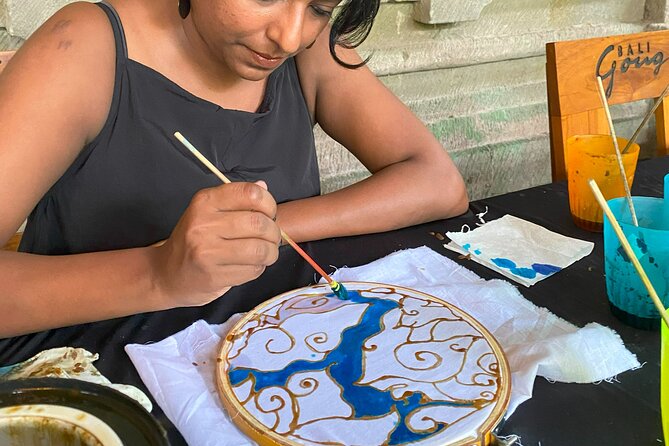
The workshop runs about 2 hours 30 minutes total, and the table time is typically 1.5 to 2.5 hours depending on how quickly everyone moves through the steps.
That range matters, because batik isn’t a race. Tracing, wax application, and coloring each take care. If your hand is slower—or you want extra guidance—the session length can adjust.
The at-home portion also changes how you should think about the end result. You’ll leave Bali with work in progress, and you finish the remainder after the waiting period. That means your “final reveal” happens after you’re back from the rest of your trip.
If you’re the kind of person who likes crafts and follows instructions well, the split timeline is a feature. If you hate waiting, you might prefer a different craft workshop that completes everything in one visit.
What’s included, what’s not, and what I’d pack
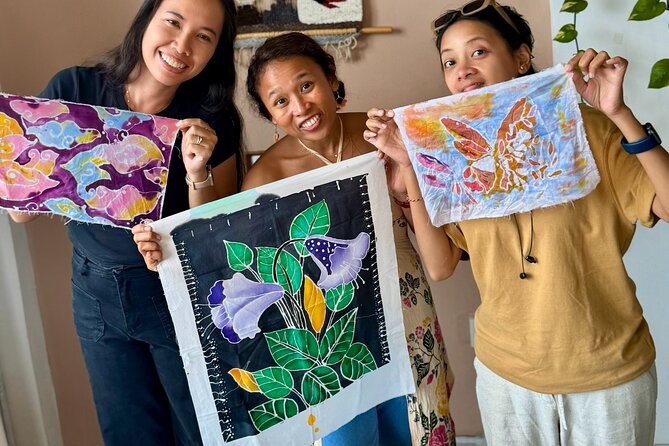
You’ll have the core materials covered: batik tools, the cloth, and a licensed guide who walks you through the steps. You also get the design to trace onto the fabric, and you’ll learn the sequence from tracing through the fixing step.
What’s not included is equally important for planning:
- Food and drink
- Transportation
So I’d treat this like a half-day plan where you handle your own meals and getting there. If you’re starting from Benoa (the meeting area is near TOPM PIZZERIA on Jl. Siligita), you’ll likely want to line up your ride before you show up.
Bring these practical items:
- Sun protection for the beach stops
- A light layer in case AC feels cold after the heat
- Your patience for the at-home instruction stage
If you have a specific pattern in mind—something simple and bold—bringing a design can help you get exactly what you want.
Finishing your batik at home: your instruction handout is the real product
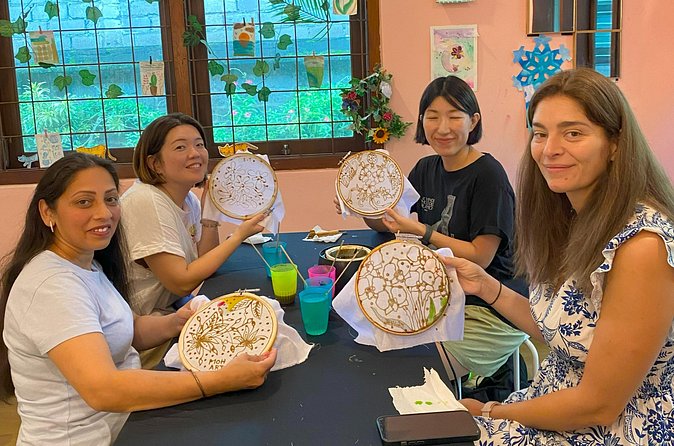
The most overlooked part of batik workshops is what happens after you leave. Here, the workshop explicitly includes a later phase: you’ll do the remainder of the process at least 24 hours later at home, guided by an instruction handout.
Why this matters: wax-resist crafts rely on timing and care. The later steps help lock in the color and finalize how the cloth behaves after dye and fixation. If you rush or skip a step, your result may not look as crisp as you hoped.
So, plan to follow instructions closely once you’re back. It helps to set aside a small block of time the day you’re ready to do the at-home finishing—don’t schedule it as an afterthought.
Price and value: $33.45 for real making, not just a tour photo
At $33.45 per person, this class sits in the affordable range for Bali hands-on workshops. What makes it feel like good value is what’s included: tools, cloth, a guided process, and the step-by-step structure from tracing to color fixing.
A cheaper option might exist, but it often cuts corners—less guidance, fewer materials, or less clarity around what the wax and dye steps are actually doing. With this kind of structured class, you’re paying for a teaching experience and the materials needed to produce a finished batik cloth piece (or at least a piece that you can complete at home).
Also, the private setup helps justify the cost. When it’s just your group, questions don’t get lost in a crowd and your guide can correct details while you’re working. That’s a big part of why beginners tend to feel successful here.
Who should book this batik class in Nusa Dua
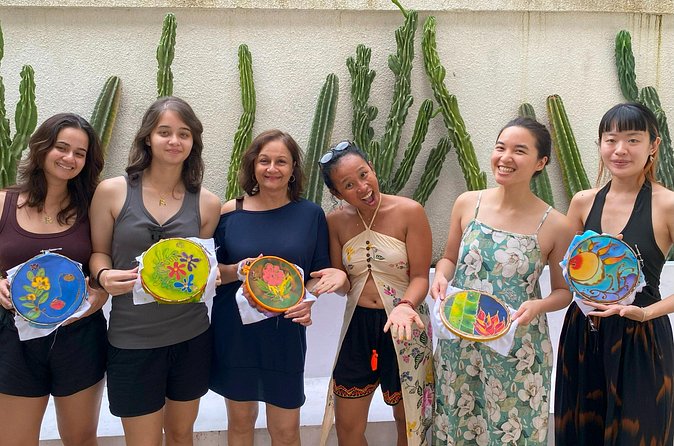
I’d point this workshop toward people who:
- enjoy crafts and want to make something you can explain
- like guided steps rather than free-form art with no structure
- want a cultural activity that feels hands-on, not performative
- don’t mind finishing at least part of the process back home
It’s also a good match if you’re the type who values a smaller, personal session. The class is private for your group, and you may get a closer-to-1-on-1 experience depending on how your group forms.
If you’re traveling with kids, it may work for most travelers, but you’ll want to judge based on your child’s patience for careful tracing and wax work. For younger kids, the later at-home steps may be easier if you help with the process.
Should you book Oedel Batik Experience?
Book it if you want a true Bali craft activity where your hands do the work and you leave with more than a souvenir sticker. The combination of traced design, wax resist, guided coloring, and a licensed teacher (Jenn) makes it a strong choice for beginners and returning craft fans alike.
Skip it if you’re trying to keep your schedule ultra tight and you strongly prefer all crafting to finish in one day. The at-home portion is built into the experience, and it needs at least 24 hours before you tackle the final steps.
One last practical nudge: if you can, bring a simple design you like. Even though you can choose and trace from options provided, having a personal pattern often makes the finished batik feel more like your story.
FAQ
How long is the batik painting experience?
The experience is about 2 hours 30 minutes, with 1.5 to 2.5 hours seated at the table depending on how quickly the process goes.
Where does the class take place?
It takes place in Nusa Dua, Indonesia, with stops that include Nusa Dua Beach and Mengiat Beach. The meeting point is at TOPM PIZZERIA, Jl. Siligita No.99x, Benoa, Kec. Kuta Sel., Kabupaten Badung, Bali 80361, Indonesia.
Is transportation included?
No. Transportation is not included.
What’s included in the price?
The price includes batik tools, a design to trace onto cloth, the cloth itself, and a licensed guide.
Is food and drink included?
No. Food and drink are not included.
Do I keep working on the batik after I leave Bali?
Yes. The remainder of the process is done at least 24 hours later at home, and you’ll receive a handout with instructions.
Is this a private experience?
Yes. It’s listed as a private tour/activity, so only your group participates.
What’s the cancellation policy?
This experience is non-refundable and cannot be changed for any reason. If you cancel or request an amendment, the amount you paid will not be refunded.
Are service animals allowed?
Yes. Service animals are allowed, and most travelers can participate.