
Reviewed · SILVER & JEWELRY WORKSHOPS
Bali: Silver Jewelry Making Class in Kuta
Silver jewelry in Kuta takes skillless fun. This two-hour workshop lets you create your own ring, earrings, or pendant using 5–7 grams of silver, with professional guidance as you shape, sand, and polish the metal. I like that you get hands-on instruction at several workstations, and I also like that you can work with staff to shape your design so it matches what you pictured.
The big payoff is leaving with an actual wearable souvenir you made yourself, plus a short lesson on the history of silver jewelry making in Kuta and how it’s evolved over time in Bali. One possible drawback: silver upgrades or extra materials aren’t included, so if you want a larger or more detailed piece, you may need to pay more.
In This Review
- Key points I think you’ll care about
- How the Kuta silver workshop works in two hours
- Picking your design: ring, earrings, or pendant
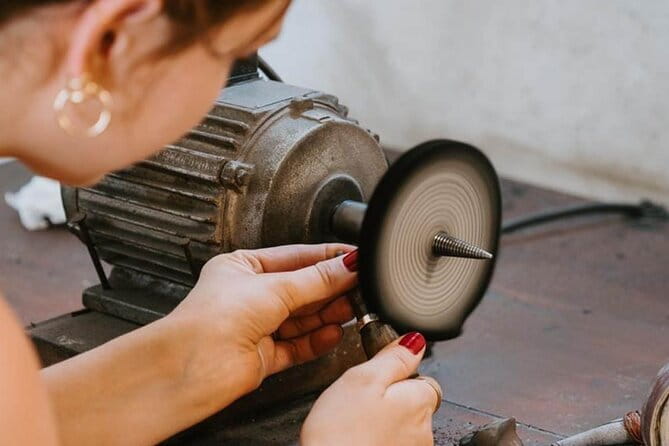
- The hands-on stations: shaping, sanding, and polishing
- The craft lesson behind the metal
- Price and value: what you’re really paying for
- Logistics in Kuta: where to go and how the pacing feels
- Who should book this silver jewelry class?
- The biggest praised parts that matter for your outcome
- Should you book? My practical take
- FAQ
- What can I make in the Bali silver jewelry making class in Kuta?
- How long is the class?
- Is pickup available?
- What’s included in the price?
- What is not included?
- Is there free cancellation?
Key points I think you’ll care about
- 5–7 grams of silver are used for your creation, with your finished piece included to take home
- Multiple workstations guide you through the process in a paced, step-by-step way
- Sanding and polishing are included, so you get that clean shine without extra hassle
- English local instructor plus Balinese silversmith guidance to help with the hands-on details
- Pickup may be offered and the activity ends back near where it starts, keeping your day simple
- Private by group format means only your group participates
How the Kuta silver workshop works in two hours
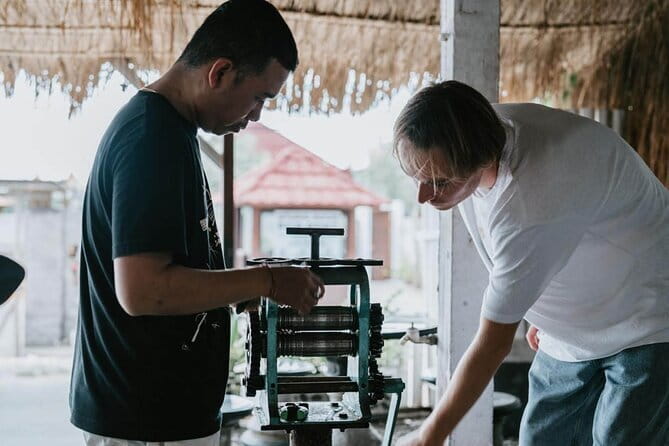
This class is designed for real beginners who want a real result, without turning it into a full-day craft project. In about 2–3 hours, you’ll create one piece (or a set, depending on what you choose), such as a ring, pair of earrings, or a pendant. You’ll start with fresh silver and work it into something wearable, guided by experienced Balinese silversmiths.
What I like most is the structure. The lesson isn’t just sitting and watching. It’s hands-on, moving from one task to the next, which helps you stay focused and makes the time feel well used. You’ll also learn the basics behind the craft, including the history of silver jewelry making in Kuta and how styles and techniques have changed over time.
The workshop uses 5–7 grams of silver for your creation. That’s a helpful detail because it sets expectations. You’re not making a massive showpiece here. Instead, you’re making something personal and elegant—perfect for a first jewelry project.
More silver and jewellery workshops


Picking your design: ring, earrings, or pendant
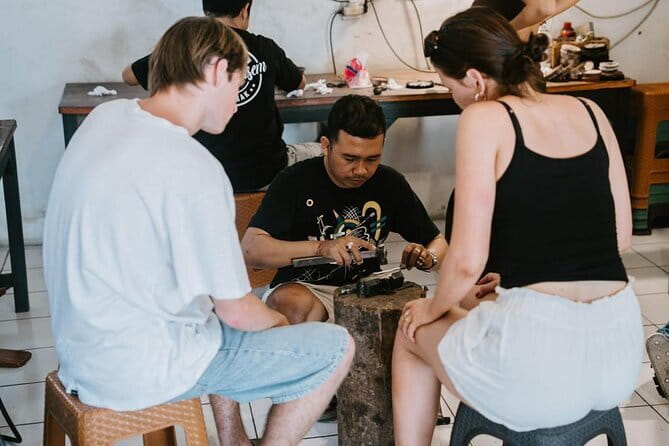
Before you start shaping metal, you’ll choose what you want to make. The options are typically a ring, a pair of earrings, or a pendant. You’ll work with instructors while you decide how you want the piece to look, and you’ll get help translating your idea into something that’s realistic to form in the workshop time.
One thing that comes through strongly is how much effort the staff put into getting your design to match your vision. If you come with a clear concept—like a specific style for your ring—you can expect guidance to help you reach the look you imagined. Even if your idea is still fuzzy, the process gives you a framework to move from idea to metal.
Practical tip: go in with at least one reference image on your phone. If you’re unsure, a simple style tends to work best in a short workshop: clean lines, a basic shape, and a clear finish preference.
The hands-on stations: shaping, sanding, and polishing
This is a workshop where you actually touch the tools and do the work. You’ll move around different stations as you progress through the steps. That matters because jewelry making is all about small, repeated actions. The move-between-stations setup keeps you from getting stuck on one task for too long.
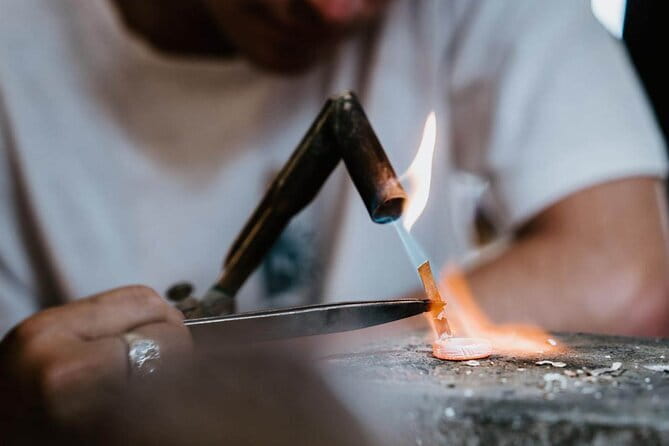
The process centers on transforming fresh silver into a polished piece of art. While the exact steps can vary depending on what you make, you can expect a clear sequence: shaping the metal, refining the form, then finishing it so it looks crisp and shiny.
Two useful inclusions help you finish strong:
- Sanding
- Polishing
Since these are included, you’re not left wondering how you’ll get that final shine. You’ll also have staff support while you work—people are there to guide your hands as much as your brain.
From the finished-piece perspective, this is where the workshop earns its reputation. The end result is meant to be a souvenir you’ll actually want to wear or give. If you care about the final look—clean edges, smooth surfaces, and that reflective polish—this class’s finishing focus is a big advantage.
The craft lesson behind the metal
It’s not only a making session. You’ll also get a lesson on the history of silver jewelry making in Kuta and how the craft has evolved over time in Bali. Even without turning it into a long lecture, that context helps you understand why certain shapes and finishing styles look the way they do.
I find this part matters more than people expect. When you know a little about how the craft developed locally, you’re more likely to appreciate the details you’re producing. And once you’re watching the silversmiths at work, you start spotting the practical reasons behind each step.
If you’re the type who likes learning while you create, you’ll likely enjoy this balance: hands-on work plus a small cultural story behind it.
Price and value: what you’re really paying for
At $18.09 per person, this is one of those activities that feels fair once you compare what’s included. You’re not paying just for a class room. You’re paying for:
- an English local instructor
- professional silversmith guidance
- your silver allocation (5–7 grams)
- sanding and polishing
That’s a lot to pack into a short session. Jewelry tools and finishing steps usually aren’t free, and materials add up quickly if you’re buying them separately.
What’s not included is also important to know:
- Silver addition (if you want more silver than the 5–7 grams)
- Addition of learning classes
- Personal expenses
So here’s the realistic way to think about value: you’re buying a guided, finish-included beginner workshop with silver provided up to a set amount. If you stay within that scope, the price makes sense. If you push toward a larger or more complex piece, expect add-ons.
A few more Bali tours and experiences worth a look



Logistics in Kuta: where to go and how the pacing feels
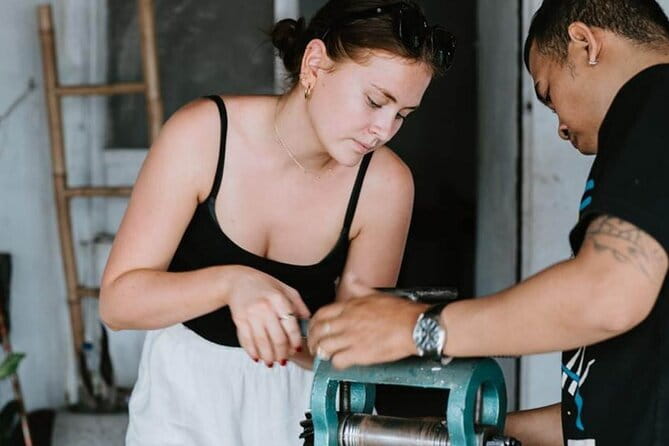
The workshop starts at Family Silver Class Legian, at Jl. Campuhan II, Seminyak, Kec. Kuta, Kabupaten Badung, Bali 80361, Indonesia. The activity ends back at the meeting point, so you don’t have to figure out a separate drop-off.
A few practical notes that make life easier:
- Pickup is offered (so if you’re not up for figuring out local transport in Kuta, this is a plus)
- It’s near public transportation, which helps if you choose to go on your own
- The class is private for your group, meaning only your group participates (not a mixed crowd of strangers, based on the format)
Duration is listed as about 2 hours, sometimes described as 2–3 hours depending on pacing and the piece you choose. Either way, plan it as a short block where you can focus, make something, and still keep the rest of your day open.
Small pacing tip: don’t schedule another demanding activity right after. Your piece will be newly finished, and you may want a little time before you rush off into a full sightseeing sprint.
Who should book this silver jewelry class?
This works best if you want a hands-on souvenir and you enjoy learning by doing. It’s especially good for:
- First-time jewelry makers who want guidance every step of the way
- People who like creative classes that don’t require a lot of prior skill
- Couples or small groups who want something memorable beyond a standard tour stop
- Anyone who wants a wearable Bali keepsake rather than a generic trinket
If you’re very picky about making a complicated, custom, highly detailed design, you might find the time and silver amount limiting. This workshop is designed for achievable results, not for building a masterpiece that requires heavy casting or extended studio work.
Also, if you hate hands-on activities at all, you may find the workshop is too active. But if you enjoy crafting—even just a little—this is a solid, low-commitment way to get something real done.
The biggest praised parts that matter for your outcome
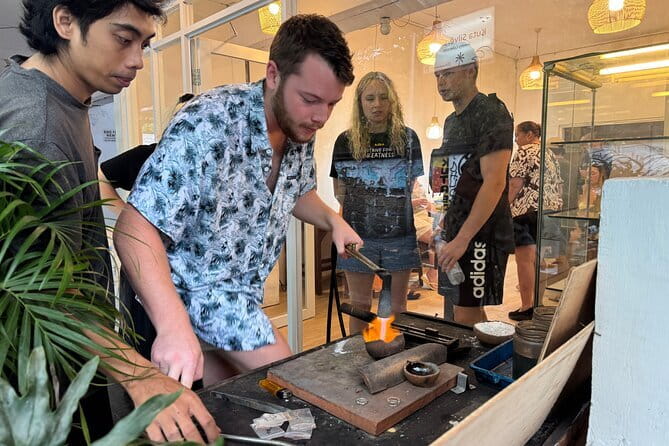
From the feedback pattern, three themes show up again and again, and they’re exactly what affects your final piece:
- Great instructors and guidance
You’re guided step-by-step, especially as you move between workstations. That means less guesswork and better results.
- Attention to detail
The finishing matters. When sanding and polishing are done well, the ring or pendant looks crisp rather than rough.
- Customer service that helps your design
If you come in with a specific concept, the staff support helps you shape it into a result you’ll like. That’s a big deal in a short workshop, because you don’t have time to restart from scratch.
So when you’re deciding, don’t only think about the price. Think about whether you want guided creation, a polished finish, and help making your design make sense.
Should you book? My practical take
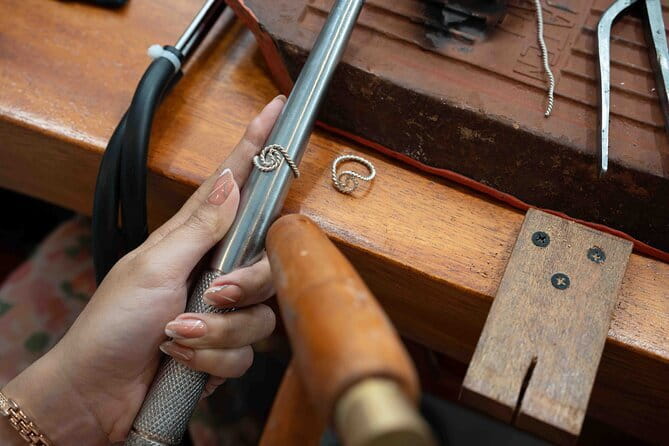
Book it if you want a short, guided, creative activity that ends with a real silver souvenir. At $18.09 and with sanding and polishing included, you’re not just paying for entertainment—you’re paying for instruction, materials up to the provided silver amount, and finishing.
Skip it (or at least adjust expectations) if your dream piece requires extra silver or heavy customization. The class is set up for achievable projects within the workshop’s silver allocation, so plan for a result that fits that framework.
If you want a calm, creative break in Kuta—something you’ll still be happy about weeks later—this one is a strong choice.
FAQ
What can I make in the Bali silver jewelry making class in Kuta?
You can create a piece such as a ring, a pair of earrings, or a pendant, using 5–7 grams of silver. The workshop guides you through turning the silver into a finished, polished souvenir.
How long is the class?
The class is listed as about 2 hours (approximately), and it’s described as a 2–3 hour workshop experience depending on how your session goes.
Is pickup available?
Pickup is offered for this activity, and you’ll also return to the meeting point at the end.
What’s included in the price?
Included features are an English local instructor, plus sanding and polishing. Silver is used for your creation as described in the workshop details.
What is not included?
Not included items are silver addition, addition of learning classes, and personal expenses.
Is there free cancellation?
Yes. You can cancel for a full refund if you cancel up to 24 hours in advance of the experience’s start time. After that window, the amount paid is not refunded.
More Bali Workshops & Classes

More Bali Reviews & Picks






More Silver & Jewellery Workshops
Still deciding? More Bali days reviewed, from volcano sunrises to island crossings








Silver & Jewelry Workshops, compared.
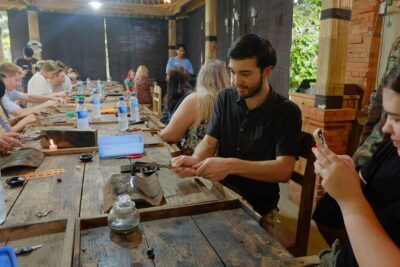 ★ 5.0Ubud Silver Class Jewelry making in baliFrom $36978 reviews
 ★ 5.0Ubud Bali Silver Jewelry ClassFrom $50163 reviews
 ★ 5.0Ondox Silver Class and jewelry UBUDFrom $30132 reviews
 ★ 5.0Private Traditional Bali Silver Jewelry Making ClassFrom $4874 reviews
 ★ 5.0Kuta Bali Silver Jewelry Making Class Near Kuta BeachFrom $4557 reviews
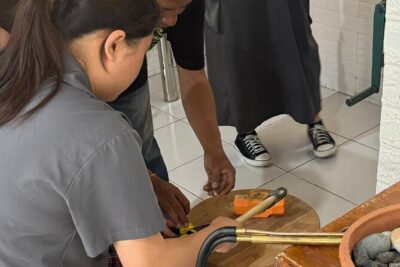 ★ 5.0Silver Jewelry Making Class in Seminyak and LegianFrom $1246 reviews
 ★ 5.0Ubud Town Center Silver Class – Create Your Own Silver JewelryFrom $4141 reviews
 ★ 5.0Exclusive Ubud Jewelry Making: Craft with a Pro Silversmith!From $4037 reviews
Browse the lists this tour appears in