
Reviewed · UBUD, MONKEY FOREST & CAMPUHAN
Besakih Temple Tour,Kehen Temple,Tirta Empul,Goa Gajah Temple
Five temples, one seriously busy Bali day. You’ll move through Tirta Empul’s sacred spring purification area and the big-name ceremony sites at Besakih, all with a driver who keeps the logistics sane. I like that this is built around a clear route instead of you juggling scooters and traffic, and you get a comfortable, air-conditioned vehicle for the long stretches.
The main thing to watch is time and stamina. The itinerary includes temple walking and stair climbs, and it’s a 10-hour day, so it can feel long even if you’re in good shape.
In This Review
- Key Takeaways Before You Go
- Price and Logistics: What $51.29 Buys You in Real Life
- The 10-Hour Temple Plan, Stop by Stop
- Kehen Temple: 11th-Century Royal Temple in Bangli
- Besakih Temple: The Mother Temple on Volcano Slopes
- Tirta Empul: Sacred Springs and the Purification Ritual
- Gunung Kawi Sebatu: Valley Steps and Rock-Shrine Views
- Goa Gajah (Elephant Cave): Carvings and Archaeological Atmosphere
- Driver and Timing: Where This Tour Really Performs
- What to Wear and Bring for Temple Entry
- Who This Tour Fits Best (and Who Should Skip It)
- Price and Entrance Fees: Plan for the Extra Costs
- Weather and Pacing: The Two Things That Can Change Your Day
- Should You Book This Bali Temple Day?
- FAQ
- How long is the Besakih Temple Tour with Kehen, Tirta Empul, and Goa Gajah?
- Are hotel pickup and round-trip transfers included?
- Is the tour private or shared?
- Which temples are included in the itinerary?
- Are entrance fees included in the price?
- What’s included in the tour price?
- Is there a fitness requirement?
- What should I bring for temple visits?
- What happens if the weather is bad or I need to cancel?
Key Takeaways Before You Go
- Private pickup and round-trip transfers reduce the stress of narrow roads and busy schedules.
- Tirta Empul’s purification springs are the spiritual highlight, with worshippers using the holy water.
- Besakih Temple is the island’s most important Hindu temple complex, with a dramatic setting.
- Gunung Kawi Sebatu adds a lot of walking, including a descent into the valley.
- Goa Gajah (Elephant Cave) brings the archaeology and carving details that break up the big-temple scale.
Price and Logistics: What $51.29 Buys You in Real Life
The advertised price is $51.29 per person, and the value mostly comes from how the day is structured. You’re not just paying for a car—you’re paying for someone to handle driving, routing, and on-time arrivals across multiple temple zones.
Here’s what you should expect for that price: you get a bottled water, air-conditioned vehicle, private transportation, a professional English-speaking driver, petrol, and parking fees. Entrance tickets are not included, and you’ll still need to sort out lunch and snacks on your own.
Also, plan ahead. This kind of temple day is often booked about a month in advance, and the route stays popular because it hits several of Bali’s most significant sites in one go. If you’re traveling in peak season or you have tight holiday dates, booking early is smart.
More around Ubud, from the Monkey Forest to the Campuhan ridge


The 10-Hour Temple Plan, Stop by Stop
This is a private tour, meaning it’s only your group in the vehicle. That matters because temple visits go smoother when you’re not being pulled along by other groups’ pace, especially when you hit stair-heavy sites.
Timing is built around shorter temple stays with driving in between. The schedule is roughly:
- Kehen Temple (about 30 minutes)
- Besakih Temple (about 45 minutes)
- Tirta Empul Temple (about 45 minutes)
- Gunung Kawi Sebatu (about 30 minutes, with a descent)
- Goa Gajah / Elephant Cave (about 30 minutes)
Even with those time blocks, you should treat the day as a full commitment. It’s a great route if you want variety, but it’s also why comfortable shoes and a realistic attitude toward walking pay off.
Kehen Temple: 11th-Century Royal Temple in Bangli
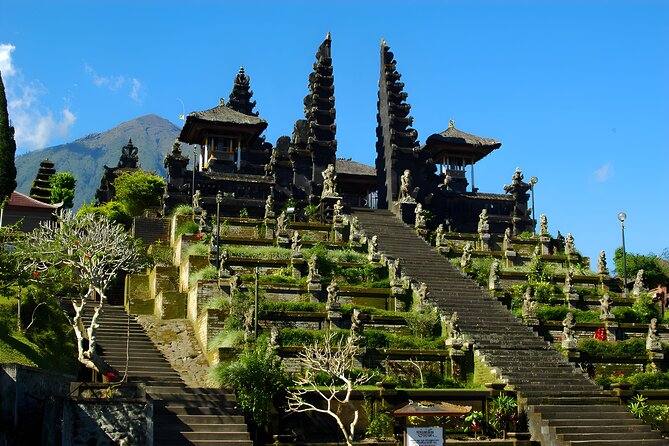
Kehen Temple is the opening stop, and it’s a strong way to start because it sets a historical tone quickly. This temple is associated with the royal kingdom of Bangli and traces back to the 11th century, which gives it more than just a pretty façade—it feels rooted in older court-era Bali.
It’s typically a shorter visit (around 30 minutes), so you’ll likely focus on the main temple areas rather than a slow wander. The upside is you get an early cultural hit without tiring yourself out before the bigger stops.
Because the tour is time-focused, go in with a simple goal: look, take a few photos from good angles, and pay attention to how the space is arranged. If you’re the kind of traveler who likes reading every detail, you might feel the clock here—still, it’s a good setup for what comes next.
Besakih Temple: The Mother Temple on Volcano Slopes
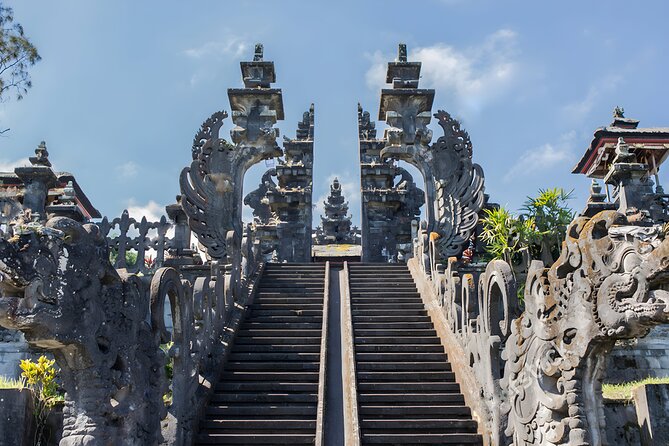
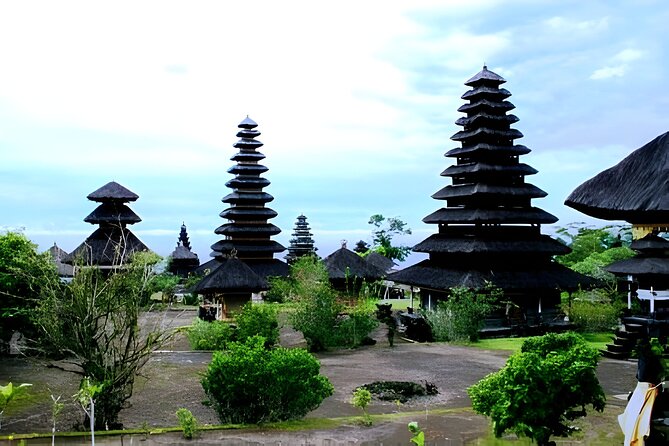
Besakih is where many people understand why Bali calls these sites sacred centers. You’re visiting the Besakih Temple complex, with Penataran Besakih as the main pura and many assistant temples inside the broader complex.
This one is scheduled for about 45 minutes, which is usually enough to see the overall layout and get a feel for the scale. The setting is part of the story too. Besakih is often described as the mother temple on a volcano’s slopes, and standing near it gives you that sense of place that a simple photo can’t fully capture.
The drawback is that the complex can involve more moving around than you expect for a 45-minute block. If you’re sensitive to crowds or you don’t like standing for long stretches, it’s still manageable, but keep your pace relaxed and plan for a little extra effort.
Tirta Empul: Sacred Springs and the Purification Ritual
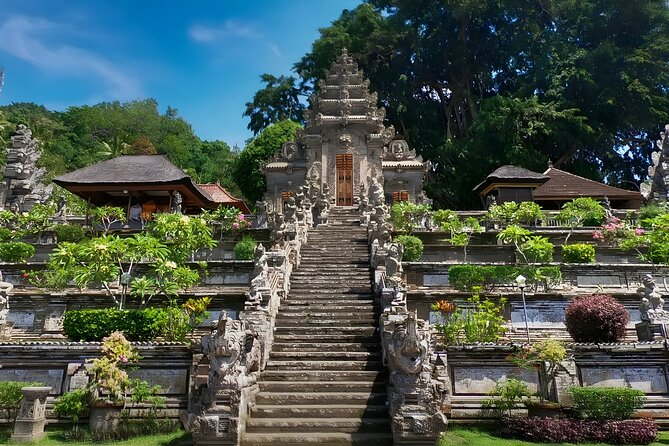
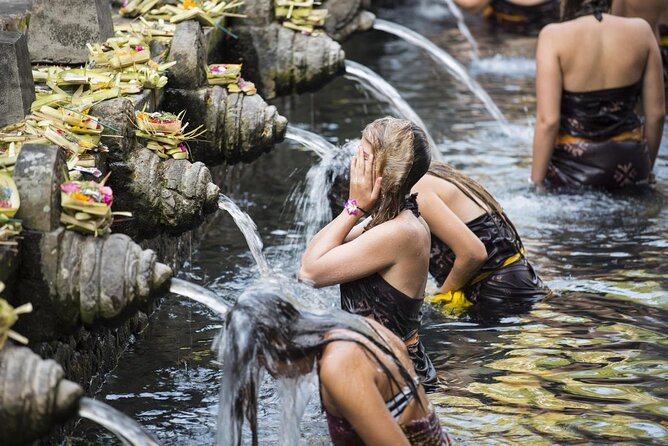
Tirta Empul Temple is the stop that most clearly connects religion to daily action. This temple complex is built around a holy mountain spring, and it’s known for its legendary setting tied to a traditional tale about good versus evil.
What makes Tirta Empul so compelling is that you’re not just looking at a monument. You’ll see worshippers purifying themselves under the springs, which means the area has an active, living feeling.
The tour gives you about 45 minutes here, and that’s a good amount of time because you can watch what’s happening, understand the context, and still step back for a breather. If you plan to do any temple entry or participate in ritual areas, keep your attention on local rules and dress requirements.
A practical note: water and ritual spaces often mean you’ll want to move carefully. If you’re bringing flip-flops, you might regret it when you step onto uneven ground. Sensible footwear is the easiest upgrade you can make for this stop.
More of East Bali, from Lempuyang to Amed and Sidemen




Gunung Kawi Sebatu: Valley Steps and Rock-Shrine Views
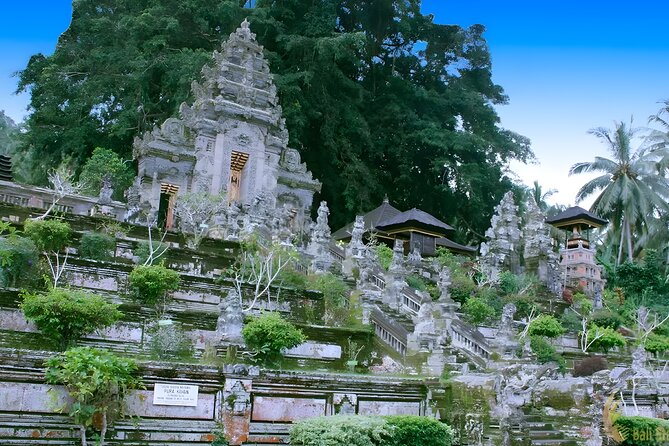
Gunung Kawi Sebatu brings the day from big-temple overview mode to a more physical, archaeological feel. Getting to the site involves walking down into the valley on a couple hundred steps, which is why this tour lists moderate physical fitness as a requirement.
This isn’t just about stairs for stairs’ sake. The descent changes your perspective, and that’s part of why the experience lands. The temple setting connects the shrines to the landscape below, so the effort feels like it buys you something in return.
The scheduled time at this stop is about 30 minutes, but remember that those minutes include time spent getting down (and, naturally, back up). If you want to take photos, observe calmly, and avoid rushing, give yourself breathing room and don’t treat 30 minutes as a leisurely walk.
If you’re visiting with anyone who struggles with stairs, this is the part where you’ll feel it most. It’s the main reason I wouldn’t call this an easy day, even though the stops are relatively short on paper.
Goa Gajah (Elephant Cave): Carvings and Archaeological Atmosphere
Goa Gajah—Elephant Cave—is scheduled as the final temple stop after Gunung Kawi Sebatu. It’s an archaeological site with significant historical value, and what people usually remember is the way the carvings and stone features communicate the site’s age and craft.
This is also a useful pacing break because it’s not just another mountain-top complex. The location is on the cooler western edge of Bedulu Village, about six kilometers out of central Ubud, so it has a different feel than the volcano-slope and spring-temple sites earlier in the day.
The tour gives about 30 minutes here, and that’s enough time to find the main features and get your bearings. If you’re a detail-focused visitor, you may want a little more time than the schedule allows, but you’ll still leave with clear impressions of why this place matters.
Wear footwear you can trust on temple-site ground. Caves and archaeological zones tend to be uneven, and you don’t want to cut your visit short because you’re worried about slipping or fatigue.
Driver and Timing: Where This Tour Really Performs
A big part of the success of a multi-temple day is the driver, not just the itinerary. In this tour setup, you get a professional English-speaking driver and private transportation, and that makes a difference when you’re switching sites across Bali’s road system.
I also like that the day is organized enough to feel on time and well planned. When a route is tight, delays can cascade—especially with stair-based stops. With this kind of structure, you spend more energy looking at temples and less energy wondering where you are supposed to be next.
There’s also a human side to it. One name you may hear associated with this service is Mr. Agus, who’s described as friendly and helpful. That kind of driver approach matters when you’re juggling temple rules, photo timing, and the general chaos that comes with being a tourist at sacred sites.
What to Wear and Bring for Temple Entry
I’m going to be direct: dress and footwear are not optional on a temple day. You should come with comfortable shoes, because the route includes walking and stair climbing, plus a long descent at Gunung Kawi Sebatu.
Bring a sarong too. You may need it for entrance into Hindu temples, and having one avoids the stress of scrambling at the last moment. Even if you think you’ll be fine, bring it anyway—it’s cheap insurance.
A few more practical items:
- Use breathable clothing, since you’ll be outdoors much of the day.
- Consider a light layer for comfort when you’re waiting around between stops.
- Bring water and take sips early. Bottled water is included, which helps.
Who This Tour Fits Best (and Who Should Skip It)
This private temple route is ideal if you want a structured cultural day without the hassle of self-driving. If you’re staying in Ubud or south Bali, the private round-trip transfers make the biggest difference.
It’s also a good fit if you like variety: royal-era temple vibes at Kehen, the scale of Besakih, ritual observation at Tirta Empul, then archaeology and carvings at Goa Gajah. The day is built to show multiple sides of Bali’s Hindu temple culture rather than repeating one theme for hours.
Where it may not suit you is if you hate walking. The tour includes stair work and specifically notes the need for moderate physical fitness. If you’re traveling with someone who can’t handle the couple hundred steps at Gunung Kawi Sebatu, you’d likely feel uncomfortable fast.
Price and Entrance Fees: Plan for the Extra Costs
One tricky part of temple tours is that the advertised price often doesn’t include entry fees. Here, entrance tickets are not included, so you’ll want to budget for that before you go.
The good news is the tour still delivers real value even before you add entrance tickets. The biggest value items are the private air-conditioned vehicle, the driver, petrol, and parking fees. Those are exactly the costs that make self-driving annoying and that you can’t easily replace with a casual ride.
So think of your total cost as: tour price plus entrance fees plus lunch/snacks. Once you view it that way, the math usually holds up, especially if you’re traveling as a group and can split the private-transport benefit.
Weather and Pacing: The Two Things That Can Change Your Day
This experience requires good weather, and if it’s canceled due to poor weather, you’ll be offered a different date or receive a full refund. That’s important because temple-day plans rely on being able to walk outdoors comfortably.
Pacing is the other variable. With five temple stops in roughly 10 hours, you’re stacking a lot of driving plus walking plus temple time. If you want more breathing room, it’s worth thinking about how you personally handle full days.
In a perfect world, the itinerary runs as scheduled. In real life, if someone in your group needs extra breaks or you move slower at the stair-heavy sites, you might end up feeling rushed by the time you reach the last stops. The best fix is mindset: decide you’re okay with a fast look, not an all-day slow study.
Should You Book This Bali Temple Day?
I’d book this tour if you want a single-day hit list across Bali’s most important temple experiences, with private transfers and a driver who handles the driving. The best reason to choose it is that it’s designed for people who don’t want to wrestle with timing, navigation, and traffic while trying to enjoy sacred places.
I’d skip it if you’re hoping for a relaxed, minimal-walking day. The stair work at Gunung Kawi Sebatu and the general movement between sites make this better for visitors who are comfortable being on their feet.
If you’re on the fence, here’s my practical recommendation: bring the right shoes and a sarong, choose comfortable expectations for a packed schedule, and you’ll get a day that covers a lot of Bali’s Hindu temple culture without the usual travel headache.
FAQ
How long is the Besakih Temple Tour with Kehen, Tirta Empul, and Goa Gajah?
The tour lasts about 10 hours.
Are hotel pickup and round-trip transfers included?
Pickup is offered, and the tour includes private round-trip transfers from Ubud and south Bali hotels.
Is the tour private or shared?
It’s a private tour/activity, so only your group participates.
Which temples are included in the itinerary?
The tour includes Kehen Temple, Besakih Temple, Tirta Empul Temple, Gunung Kawi Sebatu Temple, and Goa Gajah (Elephant Cave).
Are entrance fees included in the price?
No. The package excludes entrance fees (tickets for the temples are not included).
What’s included in the tour price?
Included items are bottled water, an air-conditioned vehicle, private transportation, a professional English-speaking driver, petrol, and parking fees.
Is there a fitness requirement?
Yes. Travelers should have moderate physical fitness level because the tour involves walking and climbing stairs.
What should I bring for temple visits?
Bring comfortable shoes, and bring a sarong for entrance into Hindu temples as required.
What happens if the weather is bad or I need to cancel?
The experience requires good weather. If canceled due to poor weather, you’ll be offered a different date or a full refund. You can also cancel for a full refund up to 24 hours in advance.
More Temples & Holy Springs






More of East Bali
More Around Ubud & the Monkey Forest

Still deciding? More Bali days reviewed, from volcano sunrises to island crossings










Ubud, Monkey Forest & Campuhan, compared.
 ★ 5.0All-Inclusive Ubud Private TourFrom $10014,344 reviews
 ★ 5.0Best of Ubud Full-Day Tour with Jungle SwingFrom $568,571 reviews
 ★ 5.0Ubud: Monkey Forest, Jungle Swing, Rice Terrace, and Water TempleFrom $317,160 reviews
 ★ 5.0Best of Ubud 1-Day Private TourFrom $544,451 reviews
 ★ 4.4Ubud Palace Legong Dance Show TicketFrom $63,979 reviews
 ★ 5.0Body Massage Experience in Ubud Traditional SpaFrom $213,506 reviews
 ★ 4.4Ubud Kecak and Fire Dance Show TicketsFrom $62,631 reviews
 ★ 5.0Ubud Cooking Class Bali with Balinese ChefFrom $351,609 reviews
Browse the lists this tour appears in