
Reviewed · UBUD, MONKEY FOREST & CAMPUHAN
Best of Ubud with Jungle Swing Experience
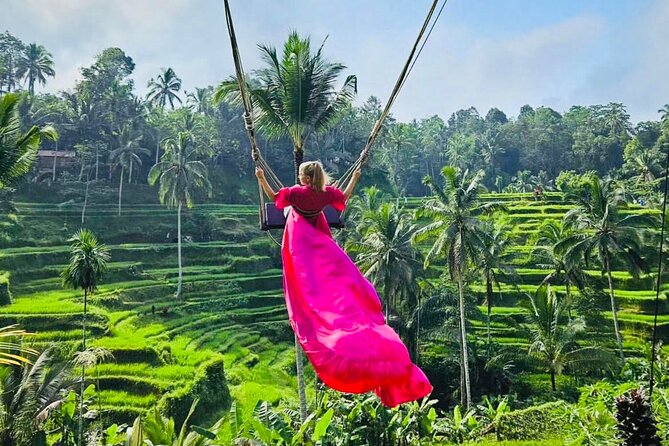
Ubud in one smooth, private day. I love how this trip strings together craft villages and major landmarks without the hassle of figuring out routes, and I also like the contrast of art, temples, and then the wild feel of Sacred Monkey Forest Sanctuary. The only real downside is that the schedule is full, so you’ll want comfy shoes and a calm attitude for walking and waiting in between stops.
You start with pickup from your Ubud-area place and spend the day in a private vehicle with a guide who can tailor the pace to your interests. I especially like that the day leans into hands-on Balinese life—batik, gold and silver work, painting—rather than only check-the-box sights.
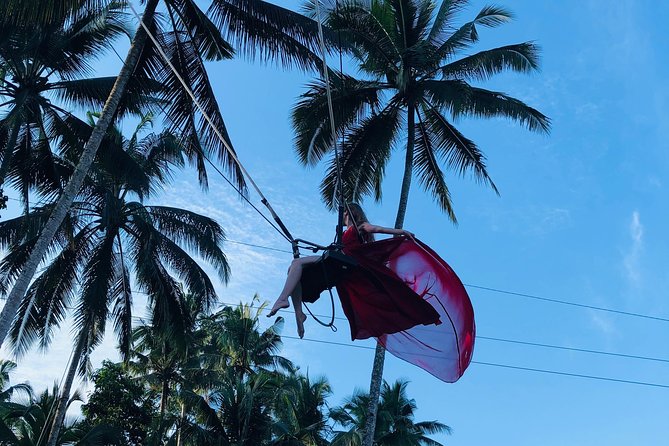
One more thing to flag: the tour name mentions Jungle Swing, but the planned stops you’ll be taken to are temples, terraces, palace, monkeys, and an art market. If Jungle Swing is a key reason you booked, confirm it directly before you go so you aren’t surprised.
In This Review
- Key highlights at a glance
- A private Ubud plan that feels efficient, not rushed
- Pickup, transport, and why the air-conditioned ride counts
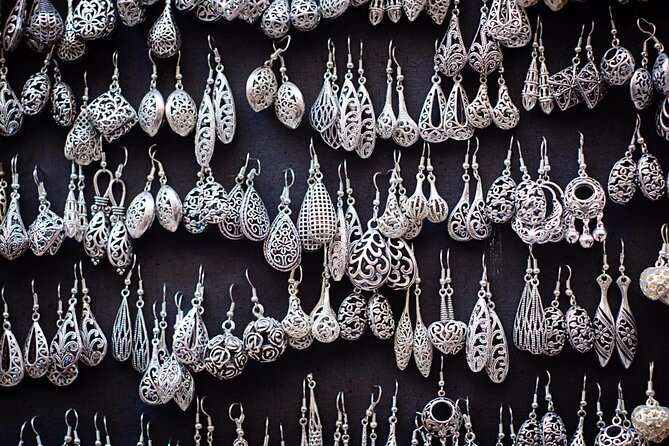
- Celuk and Tohpati: batik, gold, and silver with real workshop energy
- Batuan’s temple compound: where daily life meets ritual
- Tegalalang rice terraces: more than a photo stop
- Gunung Kawi Sebatu holy water temple: calm pools and ancient shrines
- Ubud Palace and the Sacred Monkey Forest: culture plus chaotic charm
- Ubud Traditional Art Market: souvenirs that feel useful
- Price and value: what $55 covers (and what you still need to plan)
- Who this tour suits best (and who should think twice)
- Quick advice before you go
- Should you book this Best of Ubud private sightseeing day?
- FAQ
- What time does the tour start?
- How long is the tour?
- Is this a private tour?
- Do I get pickup and drop-off?
- What’s included in the price?
- Are meals included?
- Do I need to buy tickets for the stops?
- Is there a minimum number of people required?
- Do I receive a mobile ticket?
- What is the cancellation policy?
Key highlights at a glance
- Tohpati and Celuk crafts: batik plus gold and silver artistry in local villages
- Batuan temple and house compound: see how everyday Balinese life connects with ritual
- Tegalalang rice terraces: time to view the terraces and learn the Bali irrigation idea
- Gunung Kawi Sebatu holy water temple: ancient shrines around spring-fed pools
- Ubud Palace and Sacred Monkey Forest: architecture plus macaques in their natural setting
- Ubud Traditional Art Market: practical souvenir shopping with a local feel
A private Ubud plan that feels efficient, not rushed
This is built for people who want a full Ubud day without juggling taxis, tickets, or “which order makes sense.” The private format matters because the route can be adjusted to how long you linger—at a craft shop window, on a terrace viewpoint, or in a temple courtyard—without slowing down anyone else.
You’re also not stuck bouncing between random stops. The day moves in a logical arc: craft villages first, then temple country (with the holy water temple), then Ubud’s cultural core, finishing with the Sacred Monkey Forest area and an art market stop. Even if you’re visiting for the first time, it helps you get your bearings fast.
The “private guide” piece is also practical. Instead of reading a sign and guessing, you get real context for what you’re seeing—why those villages specialize, what those temple spaces are used for, and what to watch for around macaques. It makes the day feel less like sightseeing and more like understanding.
More around Ubud, from the Monkey Forest to the Campuhan ridge


Pickup, transport, and why the air-conditioned ride counts
This tour includes hotel pick up and drop off, plus private transport in an air-conditioned vehicle. That’s a big deal in Ubud, because you’ll likely be traveling between several areas within the 6–7 hour window.
You’re also not paying extra for parking, and the experience includes PLI (Public Liability Insurance). That doesn’t stop you from keeping your own belongings secure, but it’s a reassuring layer when you’re booking a full-day route that includes multiple sites.
One practical timing note: the start time is listed as 8:00am, and the day begins in the morning with pickup for the first village stop. Either way, plan for an early start and bring a small water bottle. Even short walks between parking and entrances can feel long in the heat.
Celuk and Tohpati: batik, gold, and silver with real workshop energy
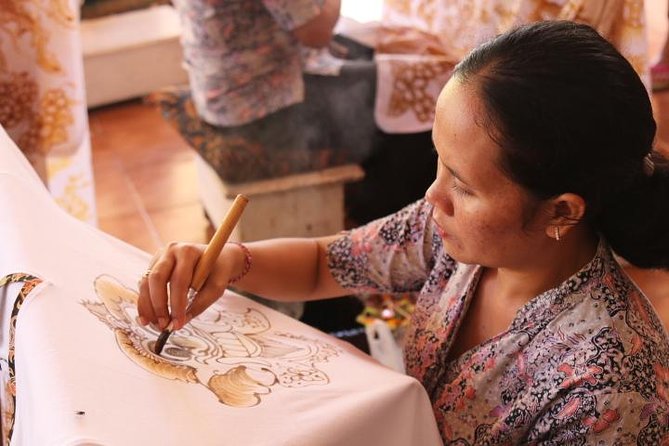
The day’s opening is about Balinese crafts, and it starts in village areas known for making things—not just selling them. First comes Tohpati for batik art. Then you move to Celuk, known for gold and silver work. In Batuan you’ll also see painting-related craft activity.
What I like about starting here is that crafts set the tone for everything else you’ll see. Temples and palaces may look like “big attractions,” but they’re part of a bigger system: artistic skill, ritual, and daily life all share the same cultural DNA. When you watch how materials get transformed—fabric patterns for batik, metalwork in Celuk, and visual design in the Batuan area—it becomes easier to understand why Ubud is famous beyond sightseeing.
A couple of practical tips for this kind of stop:
- Keep your expectations flexible. Craft villages are active places; you may see work in progress rather than a polished museum display.
- If you want to buy, look before you fall in love. Markets and shops nearby can vary a lot in price and quality.
- Ask questions about the process. Even basic guidance from your driver/guide can help you spot what’s handmade versus what’s more mass-produced.
Batuan’s temple compound: where daily life meets ritual
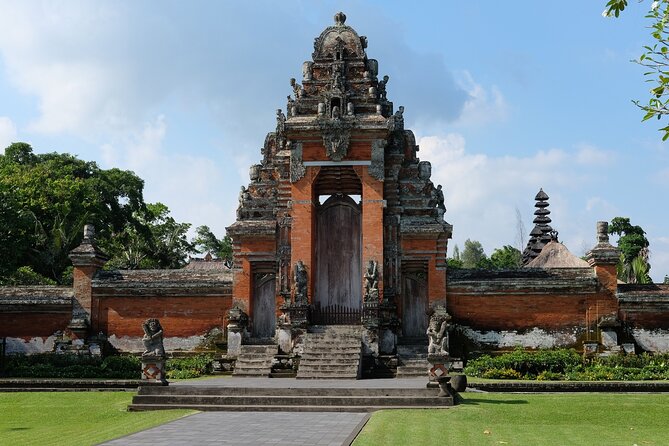
Next you’ll head to Batuan Village for a traditional Balinese house compound and then on to Pura Desa Adat Batuan. This is one of those stops where the value isn’t only what you see—it’s what it means.
A house compound visit is useful because it connects what you might call “the culture” to something concrete: where daily activities happen, and how those routines relate to the spiritual calendar. Then the temple site adds the formal layer. Together, they make the experience feel grounded rather than purely scenic.
If you’re taking photos, treat this section with respect. Dress appropriately and watch how locals move through spaces. Even if you aren’t sure of the rules, your guide can help you figure out what’s appropriate in the moment.
Also, take your time here. A lot of people rush past compound-style sites because they look similar from the outside. Slow down and look for details—ritual spaces, common pathways, and how the compound layout supports everyday living.
Tegalalang rice terraces: more than a photo stop
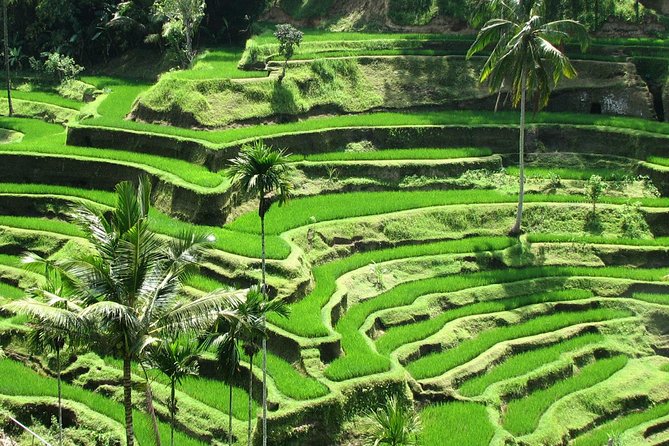
After Batuan, the route moves toward Tegalalang rice terraces in the Ceking Village area. The highlight here is the view of the terraces, plus the chance to learn about the Bali irrigation system.
This stop is valuable because it answers a question most visitors have without realizing it: how are these fields fed and maintained? Seeing terrace agriculture isn’t just about greenery; it’s about water management and community knowledge built over time. Even a short explanation can change how you read the scene.
You’ll typically spend about an hour here. That’s enough time to grab photos, pause for the view, and get the basic “how it works” story. But you still want to plan for uneven ground and steps near viewpoints. Wear shoes with decent grip, and keep your phone secured while you move.
If you’re sensitive to crowds or strong sun, come with a mindset to wait. Terrace viewpoints can get busy, especially on a clear day. Your guide can help you choose where to stand and when to move.
More jungle swings and photo stops across Bali



Gunung Kawi Sebatu holy water temple: calm pools and ancient shrines

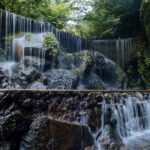
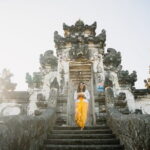
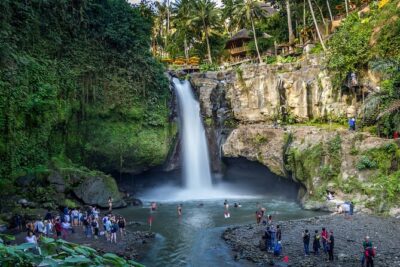
Then you’re off to Gunung Kawi Sebatu, the spring holy water temple in Sebatu Village. This is the “spiritual pause” in the middle of a very activity-packed day.
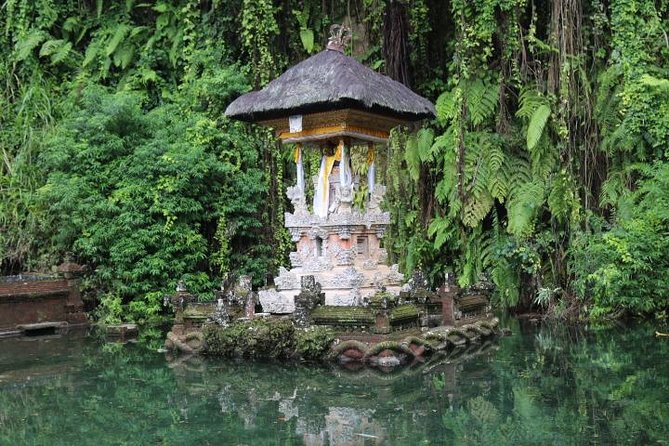
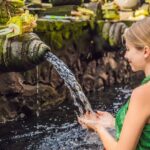
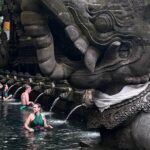
The setting is built around ancient shrines surrounded by crystal clear pools fed by natural springs. Even without getting lost in details, you can feel why this place stands out: it’s not just a temple structure; it’s a water-centered site that invites quiet observation.
Expect about an hour at this stop. That time is important because it’s easy to rush past the most interesting parts if you only treat it like a quick photo stop. Instead, look around the pool area and notice how the shrine layout is connected to the water.
A practical note: keep an eye on your footing near water features, and follow your guide’s cues on where you can stand and how you should behave. Temple visits are calmer when you act like you belong there for a moment.
Ubud Palace and the Sacred Monkey Forest: culture plus chaotic charm
Ubud Palace is a classic landmark stop and helps anchor the day in the cultural center of Ubud. It’s the kind of place where architecture and ceremonial space tell you a lot about the region’s identity.
Then comes the Sacred Monkey Forest Sanctuary, where you’ll see playful macaques in their natural environment. This is where the day swings from “human-made culture” to “nature in the middle of it.”
A balanced way to enjoy this section:
- Don’t treat the monkeys like props. Keep a respectful distance and let them do their thing.
- Watch your belongings. If you carry bags outside your control, it’s easier for curious macaques to grab attention.
- Stay aware of your surroundings on paths. People stop fast for photos, and that can make navigation harder.
Your guide’s presence really helps here. They can explain behavior patterns and help you avoid getting stuck in the middle of other groups. And since it’s private, you’re less likely to feel trapped in a crowd flow.
Ubud Traditional Art Market: souvenirs that feel useful
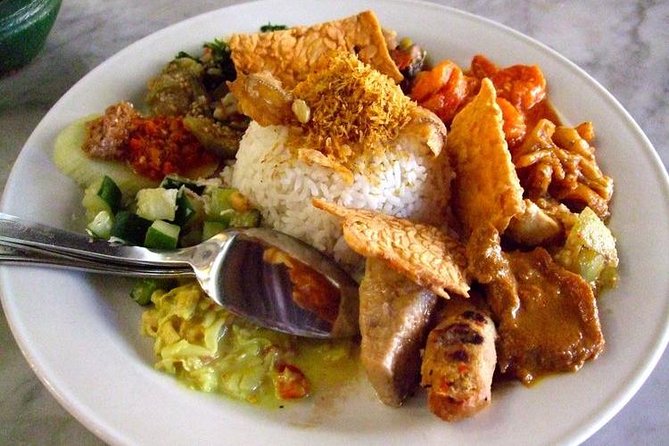
The final cultural swing is the Ubud Traditional Art Market. This stop is built for practical browsing: you can buy handy crafts and see how a traditional market works day-to-day.
It’s a good finish because it gives you a place to turn “I saw something I liked” into an actual purchase. You’ll usually have around two hours for this section, which is enough time to compare items, ask prices, and decide what you truly want to take home.
My advice here is simple: set a small budget before you step in. Ubud crafts can be tempting, and you’ll see a lot of beautiful work in a short time. If you’re unsure, start with smaller items—postcards, simple textiles, or craft pieces you can pack easily. Bigger purchases are best once you’ve seen enough to understand the pricing range.
Price and value: what $55 covers (and what you still need to plan)
At $55 per person, the value comes from the fact that this isn’t just a car ride. Included basics are a driver/guide, hotel pickup and drop-off, private air-conditioned transport, tickets, parking fees, and public liability insurance.
What that means for you:
- You avoid the cost and stress of coordinating multiple stops on your own.
- You’re paying for time. The schedule covers multiple craft and temple areas in a single day.
- Tickets are handled for you, so you’re not scrambling at each entrance.
What isn’t included matters too. Meals and drinks are not part of the price, and lunch is listed as not included. Souvenirs are also on you. So plan on snacks or a meal stop arranged by you, even if you’re not sure exactly where you’ll pause.
If you’re traveling as a couple or small group, private transport tends to offer better “per hour” value than piecing together separate taxi trips. And if your priority is getting to the craft villages plus major Ubud sites without losing half your day to logistics, the price feels more like convenience than a budget upgrade.
Who this tour suits best (and who should think twice)
This is a good fit if:
- You want a private full-day plan with undivided attention from your guide.
- You’re the type who enjoys craft villages—batik, gold and silver, painting—rather than only monuments.
- You’d like a mix of temple culture and a wildlife encounter at Sacred Monkey Forest Sanctuary.
- You can handle some walking and moving between sites in one day.
It may be less ideal if:
- You hate tight schedules and want maximum downtime.
- You’re hoping for a specific “adventure attraction” like Jungle Swing and haven’t confirmed it’s part of your day. The tour name suggests it, but the stops described focus on crafts and sightseeing. Confirm in advance so you get what you expect.
- You’re sensitive to monkeys. You can watch them from a safe distance, but it’s still a monkey sanctuary experience.
Quick advice before you go
To make the day smoother, I’d plan like this:
- Bring comfortable shoes for temple paths and terrace areas.
- Bring water and consider a light snack if lunch timing doesn’t fit your appetite.
- If you want to shop at the art market, keep some cash and small-change handy.
- Dress respectfully for temple areas. If you’re unsure, ask your guide what to wear before you enter.
And one more thing: if you want the route to match your pace—extra time for crafts or a longer pause at Gunung Kawi Sebatu—say so early. With a private setup, your guide can usually adjust timing more easily than on group tours.
Should you book this Best of Ubud private sightseeing day?
Book it if you want one focused, well-organized day that ties together Ubud’s craft villages, temples like Gunung Kawi Sebatu, a palace stop, and the Sacred Monkey Forest—without you playing taxi planner.
Skip or double-check if Jungle Swing is a must-do for you. Since the described stops emphasize sightseeing and temple visits, confirm exactly what’s included on your specific day.
If you’re a first-timer to Ubud, or you just want to see the key areas efficiently while still learning what you’re looking at, this is the kind of tour that makes Ubud feel understandable fast.
FAQ
What time does the tour start?
The experience start time is listed as 8:00am.
How long is the tour?
It runs about 6 to 7 hours.
Is this a private tour?
Yes. It’s private, and only your group participates.
Do I get pickup and drop-off?
Yes, hotel pick up and drop off are included.
What’s included in the price?
Included are the driver/guide, hotel pick up and drop off, private transport in an air-conditioned vehicle, tickets, parking fees, and public liability insurance.
Are meals included?
No. All meals and drinks are not included, and lunch is not included.
Do I need to buy tickets for the stops?
Tickets are included as part of the experience, and some stops are listed as free while others are included.
Is there a minimum number of people required?
Yes. A minimum of 2 people per booking is required.
Do I receive a mobile ticket?
Yes. Mobile ticket is listed as a feature.
What is the cancellation policy?
Free cancellation is available. You can cancel up to 24 hours in advance for a full refund.
More Bali Reviews & Picks



More Jungle Swings & Photo Stops
More Around Ubud & the Monkey Forest
Still deciding? More Bali days reviewed, from volcano sunrises to island crossings







Ubud, Monkey Forest & Campuhan, compared.
 ★ 5.0All-Inclusive Ubud Private TourFrom $10014,344 reviews
 ★ 5.0Best of Ubud Full-Day Tour with Jungle SwingFrom $568,571 reviews
 ★ 5.0Ubud: Monkey Forest, Jungle Swing, Rice Terrace, and Water TempleFrom $317,160 reviews
 ★ 5.0Best of Ubud 1-Day Private TourFrom $544,451 reviews
 ★ 4.4Ubud Palace Legong Dance Show TicketFrom $63,979 reviews
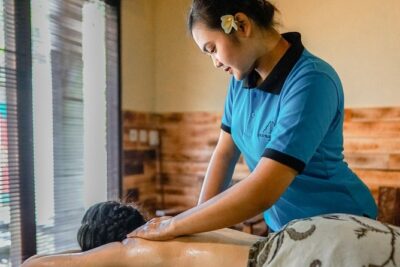 ★ 5.0Body Massage Experience in Ubud Traditional SpaFrom $213,506 reviews
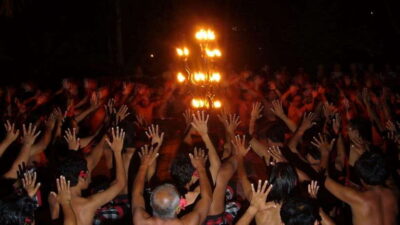 ★ 4.4Ubud Kecak and Fire Dance Show TicketsFrom $62,631 reviews
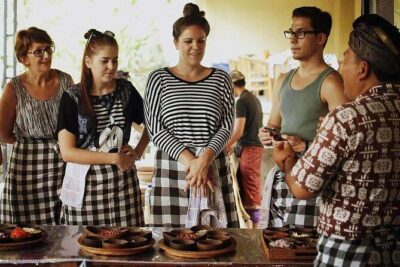 ★ 5.0Ubud Cooking Class Bali with Balinese ChefFrom $351,609 reviews
Browse the lists this tour appears in