
Reviewed · SURF LESSONS & COAST BREAKS
Private Surfing Lesson Bali
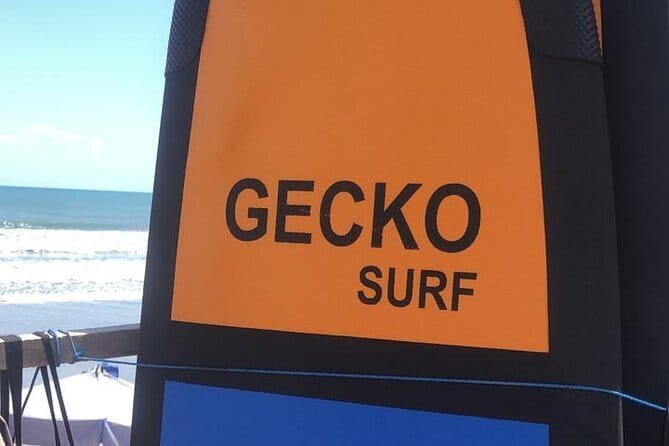
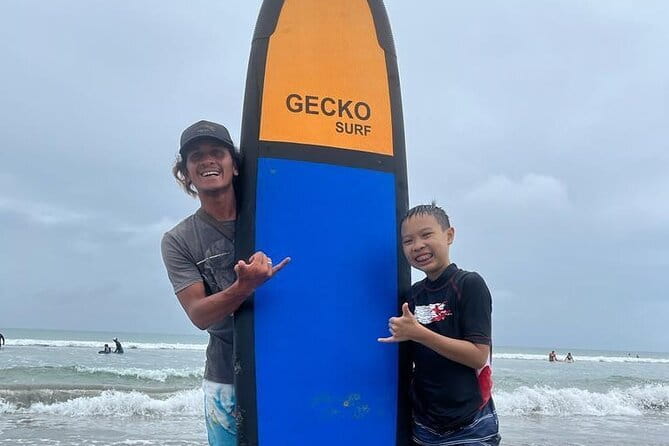
Two hours, lots of wave time. In Kuta Beach, this private lesson by Gecko Surf Kuta Beach lays out surfing in clear steps, starting with a safety lesson before you even hit the sand. You then get two separate 45-minute sessions in the water, so you’re not stuck waiting around for turns.
What I like most is that the instruction is structured and hands-on, with instructors staying with you the entire time. The session also moves at a good pace: quick land practice, real ocean attempts, a short reset, then another go at catching waves.
The one thing to keep in mind is that surf conditions can change with the weather. That can affect how many clean rides you get in those 45-minute blocks, even though the team’s aim is always to keep you having fun and improving.
In This Review
- Key highlights you’ll actually feel
- Kuta Beach surfing, organized into real coaching time
- Before you go in: the 20-minute safety lesson that saves frustration
- Beach practice: where your balance actually gets built
- First 45-minute water session: catching waves without chaos
- The short break that keeps the lesson from burning out
- Second 45-minute session: putting corrections to work
- Private, so attention stays on your technique
- Price and value: $28 for two hours of real coaching
- Where to meet Gecko Surf Kuta Beach (and how to get found fast)
- What skill levels fit beginner to intermediate
- Should you book this private lesson in Kuta?
- FAQ
- How long is the private surfing lesson?
- What does the lesson include?
- Is this for beginners or experienced surfers?
- Where does the lesson start?
- Where does it end?
- Is this session private?
- How much does it cost?
- What if I can’t find the instructors?
- Is cancellation free?
Key highlights you’ll actually feel
- Safety comes first with a quick 20-minute water-practice lesson to help you stay aware and confident
- Two 45-minute surf sessions gives you more time with waves instead of one short attempt
- Beach-to-water progression helps beginners build balance before going for standing up
- Instructors stay with you the whole session, not just at the start
- Private for your group means you’re not sharing attention with strangers
- Flexible timing based on conditions since beach and water can change quickly in Kuta
Kuta Beach surfing, organized into real coaching time
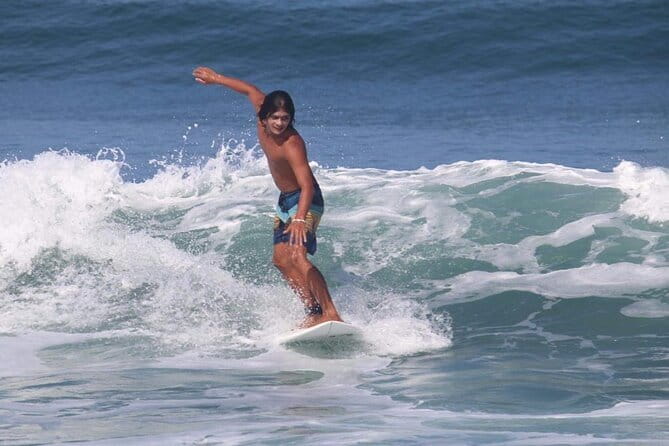
Kuta is one of Bali’s easiest places to try surfing because the beach vibe is built for lessons and first attempts. What makes this private 2-hour format work is the pacing. You’re not doing one long stretch that turns into guessing and fatigue. Instead, you get a plan: learn safety, practice fundamentals, then spend two chunks of time actually riding.
For you, that matters because the hardest part of learning isn’t always balance. It’s knowing what to do in the water—how to position yourself, how to think about wave timing, and what to focus on while things move fast. When those basics are handled early, you spend less time panicking and more time trying the right thing.
This is also a good match for adults and kids. The session is described as beginner and intermediate friendly, and the tone from past learners is that the coaching helps people get standing rather than just “being on a board.” That difference is huge. If you’re here to progress, you’ll appreciate that the instruction is meant to help you do the basics correctly.
More surf lessons and coast breaks


Before you go in: the 20-minute safety lesson that saves frustration
The first phase is a short but important 20-minute lesson focused on staying safe in the water. You’ll do this before you’re out there catching waves. I like lessons that treat safety as part of the skill, not an afterthought.
In a surf lesson, safety is practical. It’s about awareness: what to pay attention to, how to react when waves are different than you expected, and how to avoid the common beginner mistakes that turn a fun session into an exhausting one. When you get this upfront, the rest of the lesson feels clearer because you’re not trying to learn everything at once.
If you’re new, the safety piece often does two jobs: it reduces stress, and it gives your brain a simple checklist so you can focus on standing up when your turn comes. If you already have some experience, it can still help because even experienced surfers get better when they understand local conditions and how to move safely in the lineup.
Beach practice: where your balance actually gets built
After the safety time, the lesson moves to the beach for practice. This part is where many people either get unstuck or stay stuck. The advantage here is that you get coaching while you’re on land, so you can learn the body positions that make the ocean attempts easier.
You’ll practice basics with your instructor, and then you’ll use that practice in the real water attempts. For beginners, this helps because standing up is not one move. It’s timing plus foot placement plus a calm upper body. On land, you can rehearse the pattern without being tossed by waves.
For intermediate surfers, beach coaching can still be useful. You might already know how to pop up, but you may need adjustments to improve wave selection and approach. The lesson structure gives you a chance to refine what you’re already doing before you commit to catching waves.
First 45-minute water session: catching waves without chaos

Then comes the first real ride time: 45 minutes in the water with your instructor. This is where the lesson stops being theory and becomes momentum.
In this block, you’re meant to focus on catching waves and applying what you worked on on land. The instructor’s job is to guide you while conditions shift and your timing changes. That’s a big deal in Kuta, where waves and breaks can vary over short distances and surf can change as wind and weather shift.
I also like the lesson length here. Forty-five minutes is long enough to make progress, but not so long that you lose focus and start doing random things. You’ll likely get multiple attempts, and each attempt is a chance to practice your pop-up and ride setup with better timing.
A quiet bonus: when you have structured coaching time, you stop wandering mentally through questions like Do I wait? Do I paddle harder? Do I stand now? Your instructor helps you answer those questions in the moment.
The short break that keeps the lesson from burning out
Between the two water sessions, there’s a short break. This isn’t just a pause to be polite. It helps you reset physically and mentally.
Surfing uses your shoulders, core, and legs. Even when you’re not catching a ton of waves, paddling burns energy. A break keeps you from turning the second half into “survive and hope.” It also lets you re-focus on what you’re trying to do next.
If you’re sore or you’re feeling frustrated, this break is where you can recover enough to still make the second 45-minute block productive. When lessons skip breaks, people often leave thinking they learned almost nothing. Here, you’re set up to actually apply corrections again when the second session starts.
More private Bali tours






Second 45-minute session: putting corrections to work

The final 45 minutes of surfing is your chance to improve based on what you learned in session one. This is the part where the lesson starts to feel rewarding—because you’re not just trying, you’re adjusting.
Your instructor stays with you, so if you’re getting close but not quite standing cleanly, you can work toward that specific improvement. From earlier learners, the big theme is that the instructions help people keep standing, not just pop up once and fall. That’s the difference between a photo moment and real skill building.
This is also a good time to apply safety lessons again. As the session continues, beginners often get more relaxed—or more reckless. The coaching keeps you in the right zone: confident, aware, and focused on the next correct attempt.
And since beach conditions can change with the weather, this second block can feel especially important. If waves are a little different than before, your instructor can guide you through the new rhythm so you still get value from your time.
Private, so attention stays on your technique
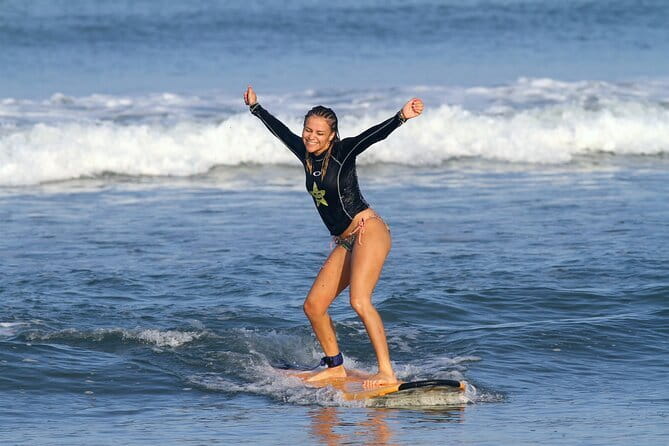
This is a private tour/activity, meaning only your group participates. For most people, that’s the deciding factor. In a group class, you might spend part of your time waiting while the instructor focuses on the loudest or quickest learners. Here, your coaching stays tighter to your needs.
It’s also a practical advantage if you’re learning with someone else at a similar level, like a parent and child or a pair of beginners who want to move together. You’ll get the instructor’s full time and feedback more consistently.
Another subtle benefit: your instructor can tailor directions to what you’re doing wrong. Surf is individual. If your problem is paddling rhythm, your correction will be different than if your problem is foot placement when standing. Private coaching makes that easier.
Price and value: $28 for two hours of real coaching
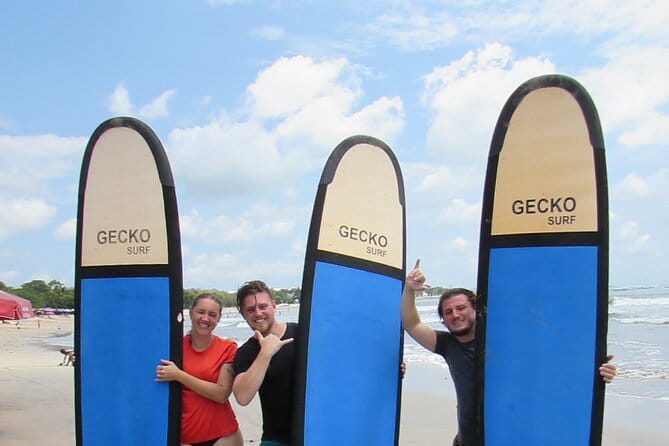
At $28 per person for about 2 hours, this lesson is priced to be accessible. The value comes from the structure: you’re not paying for a vague “try surfing” experience. You’re paying for time blocks that include a safety start, beach practice, and two meaningful water attempts.
Think about what you’re getting for your money:
- a guided safety introduction (so you start smarter)
- land coaching (so you build a usable technique)
- 90 minutes of water time total (two 45-minute sessions)
- instructor support throughout
If you’ve ever done a short, unfocused surf session where you mostly wait for the board and learn nothing except how to fall, this format feels different. The coaching time is the product, not just the board time.
The one cost-to-consider is that surf conditions still matter. If weather shifts and waves get weaker or choppier, your number of clean rides can drop. Still, you’re guided through the process, so you should leave with improved understanding and better attempts.
Where to meet Gecko Surf Kuta Beach (and how to get found fast)
Your start and finish are at the meeting point. The listed start is at Gecko Surf Baligecko surf pantai, Kuta, Kec. Kuta, Kabupaten Badung, Bali 80361. If you have trouble finding the spot, you can contact the instructors. They’ll give directions or meet you on JL Pantai Kuta.
One practical tip from the vibe around this school: if you’re already near the Hard Rock Hotel area, it’s a helpful reference point for spotting the right team in Kuta. The instructors have been known to be out in front around there, which makes it easier for first-timers.
Since this is near public transportation, you can reach the area without needing a complicated plan. Still, I recommend arriving a little early so you can check in calmly, not sprint to the sand.
What skill levels fit beginner to intermediate
This lesson is described as for beginner and intermediate surfers. That range is helpful. Beginners get the fundamentals and safety structure. Intermediate surfers get coaching that can tighten up technique and wave catching.
If you’re a total beginner, expect the goal to be learning how to catch waves and stand with support. The pacing gives you time to build balance on land first, then try in the water.
If you’re intermediate, you’ll still benefit because technique corrections in the water are usually where you improve fastest. The instructor can help you adjust how you approach waves, how you position yourself, and how you manage your attempts during each 45-minute block.
Should you book this private lesson in Kuta?
Book it if you want:
- a safety-first start instead of jumping straight into the lineup
- coaching that keeps you moving through the session (beach practice plus two water blocks)
- the advantage of private attention for your group
Skip or choose something else if:
- you’re expecting a guaranteed number of perfect rides, no matter what the sea does
- you only want a quick taste and don’t care about technique or safety at all
If you’re looking for a straightforward, coach-led way to learn and catch waves in Kuta, this lesson is a strong option—especially at $28 per person for about two hours. You’ll spend your time trying, not waiting.
FAQ
How long is the private surfing lesson?
It’s approximately 2 hours.
What does the lesson include?
You’ll start with a quick safety lesson (about 20 minutes), practice on the beach, get two separate 45-minute surfing sessions in the water, and have a short break between the two sessions.
Is this for beginners or experienced surfers?
It’s designed for beginner and intermediate surfing levels.
Where does the lesson start?
The start is at Gecko Surf Baligecko surf pantai, Kuta, Bali.
Where does it end?
The activity ends back at the meeting point.
Is this session private?
Yes. It’s private, so only your group will participate.
How much does it cost?
The price is $28.00 per person.
What if I can’t find the instructors?
If you have trouble finding them, you can contact the instructors. They will give you directions or meet you on JL Pantai Kuta.
Is cancellation free?
Yes. You can cancel up to 24 hours in advance for a full refund. If you cancel within 24 hours of the start time, the amount paid is not refunded.
More Private Bali Charters
More Bali Reviews & Picks


More Surf Lessons & Coast Breaks


Still deciding? More Bali days reviewed, from volcano sunrises to island crossings











Surf Lessons & Coast Breaks, compared.
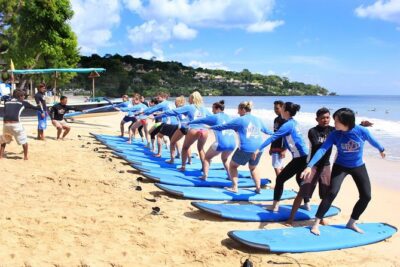 ★ 5.0HOT PROMO. Beginner Surf Lessons in BaliFrom $13193 reviews
 ★ 4.5Surf Lesson with a Personal Instructor at Kuta BeachFrom $50192 reviews
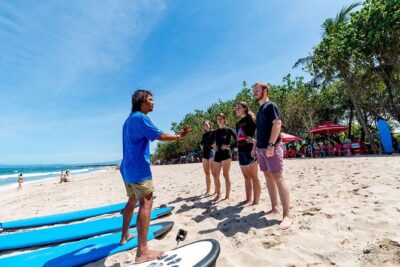 ★ 5.0The best surf lessons in KutaFrom $25144 reviews
 ★ 5.0Canggu: Surfing lesson with ISA certified instructorFrom $25102 reviews
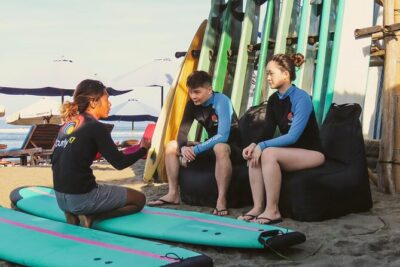 ★ 5.0The funniest private 2 hour surf lesson, CangguFrom $3370 reviews
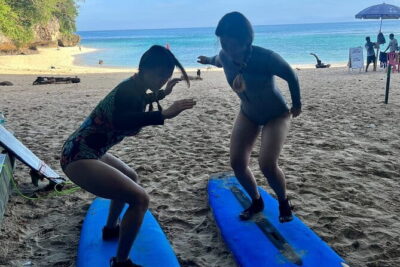 ★ 5.0Surfnesia Surf Lesson and GuidingFrom $3346 reviews
 ★ 5.0Private Beginner 1 on 1 Surf Lesson at Kuta BeachFrom $4639 reviews
 ★ 4.0Private Surf Lessons in Padang Padang – Uluwatu – BaliFrom $14930 reviews
Browse the lists this tour appears in