
Reviewed · UBUD, MONKEY FOREST & CAMPUHAN
Ubud Cultural and Historical Guided Tour with Transfer
Temples in one long day. This Ubud route connects old village life to sacred water and rock-cut memorials, with air-conditioned comfort and an English-speaking guide doing the translating.
I especially like the contrast between the calm domestic world at the Batuan Traditional House Compound and the big spiritual energy at Tirta Empul. The guide part also matters here: I’ve found names like Kadek and Nanda bring patience and clear context, not just a rush from gate to gate.
One thing to plan for: most stops have separate entrance fees that are not included, so your day can cost more than the ticket price if you don’t budget cash ahead.
In This Review
- Key highlights you’ll care about
- From Seminyak to Ubud: the value of a transfer + a real start time
- Why this Ubud route makes sense: houses, caves, memorials, and spring water
- Stop 1: Batuan Traditional House Compound (Gung Aji) and what it teaches you
- Stop 2: Puseh Batuan Temple and the Khayangan Tiga idea
- Stop 3: Elephant Cave (Goa Gajah) and the story behind Lua Gajah
- Stop 4: Gunung Kawi (Mount Kawi) rock-cut memorials by the Pakrisan River
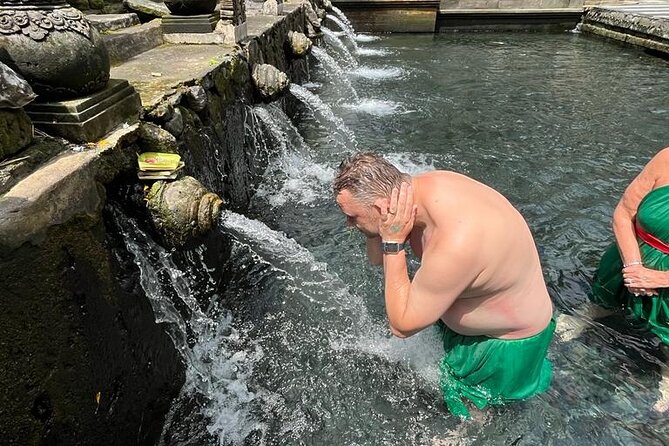
- Stop 5: Tirta Empul (Spring Water Temple) and the cleansing rituals
- Stop 6: Gunung Kawi Sebatu Temple and Vishnu worship
- Price and real cost: what $45.91 covers (and what it doesn’t)
- Guide quality and pacing: where this tour tends to shine
- Practical tips so your day feels smoother
- Who this tour is best for
- Should you book this Ubud Historical Guided Tour?
- FAQ
- What time does the tour start?
- How long is the Ubud Cultural and Historical Guided Tour?
- Is pickup from Seminyak included?
- What’s included in the tour price?
- Are entrance fees included?
- How much are the entrance fees?
- Is the tour private?
- Do I need to bring a ticket on my phone?
- Can I cancel for free?
Key highlights you’ll care about
- Batuan Traditional House Compound (Gung Aji family) for a look at how Balinese homes connect to daily life and tradition
- Khayangan Tiga temple context at Puseh Batuan, tied to Wisnu (Vishnu)
- Goa Gajah (Elephant Cave) linked to a river name (Lua Gajah) and 11th-century royal building
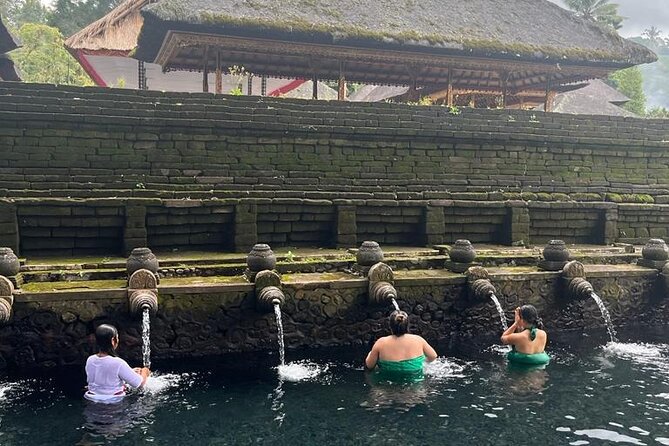
- Tirta Empul Spring Water Temple built around springs and bathing-pools for cleansing rituals
- Gunung Kawi memorial rock-cuts from the 11th century along the Pakrisan River
From Seminyak to Ubud: the value of a transfer + a real start time
This tour is based in Seminyak and offers pickup/transfer, which is a big deal in Bali. Ubud traffic can be unpredictable, and having an arranged departure helps you get to sites earlier rather than later, when parking and crowds can feel more annoying.
The start time is 8:30am and the tour runs about 10 hours. That’s not “slow travel,” but it’s also not a lightning sprint. You get enough time at each place to look around, understand what you’re seeing, and still have a full day back by evening.
If you’re staying outside Ubud, a transfer is one of the best ways to protect your day. You spend less time figuring out transport and more time actually doing the sightseeing.
More around Ubud, from the Monkey Forest to the Campuhan ridge



Why this Ubud route makes sense: houses, caves, memorials, and spring water
A lot of Bali tours collect temples like they’re stamps. This one connects themes instead: domestic tradition, village spirituality, water and cleansing, and royal-era stonework.
You’ll move through:
- A traditional compound in Batuan (home life and heritage)
- A village sanctuary at Puseh Batuan Temple
- Goa Gajah (Elephant Cave) tied to early royal work and bathing spaces
- Gunung Kawi (rock-cut memorials) along the river
- Tirta Empul (spring water temple and cleansing rituals)
- Gunung Kawi Sebatu (another Vishnu-centered site)
That flow helps you make sense of how Balinese culture mixes daily life, sacred spaces, and historical memory.
Stop 1: Batuan Traditional House Compound (Gung Aji) and what it teaches you
The first stop is in Batuan Village, Sukawati District, Gianyar Regency, at a traditional house compound associated with the Gung Aji family. People often call it the Bali Traditional House Gung Aji.
The main value here is that it’s not only about buildings as “attractions.” It’s about how a Balinese home is part of a living cultural system. You get an hour, which is long enough to wander thoughtfully instead of just taking photos from one angle.
Good to know: the admission ticket here is listed as free, and you’ll still get the benefit of seeing daily-style heritage right away. Starting with this stop also sets a calmer tone before the more intense temple areas later.
Possible drawback: since it’s a traditional family space, you’ll want to treat it respectfully and follow whatever local guidance your guide gives you.
Stop 2: Puseh Batuan Temple and the Khayangan Tiga idea
Next up is Puseh Batuan Temple, a local village temple and part of the three major temples in a village called Khayangan Tiga. This group is dedicated to Wisnu (Vishnu), specifically as a protective force in Balinese Hindu belief.
This stop runs about 1 hour 30 minutes. That longer time helps because temple visits work best when you slow down. You’ll have room to notice the layout and listen to your guide explain what the temple relationship means—why there are three major temples and how the village system is organized.
Admission here is not included. So if you’re aiming to keep the day’s spending predictable, plan to pay a separate entrance fee at the site.
What I like about this stop: it gives you a way to understand Bali beyond the “pretty temple photo.” You’re learning a structure—how one temple fits into a larger village spiritual map.
Stop 3: Elephant Cave (Goa Gajah) and the story behind Lua Gajah
Then comes Elephant Cave (Goa Gajah). It’s described as being built in the 11th century by the king of Udayana. The name is connected to a small nearby river called Lua Gajah.
You’ll spend about 2 hours here, which is useful because caves need time to look around properly. There’s also a detail that makes this stop feel more grounded: in front of the cave area, there’s a bathing place with six figures inside, tied to bathing practices.
Entrance is not included, so you’ll pay on the ground. Since you’re already paying at multiple stops later, it helps to keep a small amount of cash or a payment-ready method for these entry points.
A practical note: caves and bathing areas can be slippery or humid. Wear shoes that handle uneven ground without making you nervous.
More guided Bali tours


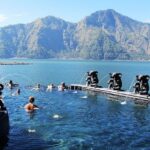


Stop 4: Gunung Kawi (Mount Kawi) rock-cut memorials by the Pakrisan River
Gunung Kawi Temple (Mount Kawi) is another 11th-century stop, linked to the time when Bali was ruled by Anak Wungsu, son of Udayana King. The highlight here is 10 memorial rock-cut temples—carved stone structures tied to kingship and memory.
You’ll be there about 1 hour 30 minutes. That’s enough time to appreciate the main rock-cut concept and understand why this site is so famous for its memorial style.
This stop is tied to the Pakrisan River area, and that location matters. Stone memorials feel more meaningful when you understand the setting—how the river landscape and the sacred stonework were meant to meet.
Entrance is not included. Also, since the stop is shorter than Tirta Empul, it’s a good idea to use your guide’s explanation early so you’re not rushing your understanding by the end.
Stop 5: Tirta Empul (Spring Water Temple) and the cleansing rituals
Now you reach Tirta Empul, or the Spring Water Temple, in Tampaksiring, near Gunung Kawi Temple. This temple is built around the springs and special bathing-pools.
This is the emotional center of the route for a lot of people. It’s not only about stone buildings. It’s about water as a sacred element, and the idea of cleansing rituals—something you’ll feel even before you fully understand the rules.
You’ll have about 2 hours here. Your time will likely split between observation, listening to your guide, and figuring out how to move in the bathing areas appropriately.
Entrance at Tirta Empul is listed as IDR 50,000 per person and is not included in the base price.
Practical tip: plan your day so you don’t arrive dry and thirsty. You do get bottled water with the tour, but you might still want to dress for comfort since you’ll be near wet spaces.
Stop 6: Gunung Kawi Sebatu Temple and Vishnu worship
The final temple stop is Gunung Kawi Sebatu Temple. The exact founding date isn’t known, but the history described here says it was built for worship of the gods, especially Lord Vishnu, on orders related to the ruling authority during that era.
This one is also about 2 hours, so it’s not a quick stop. You’ll get time to compare it in your mind with what you saw at Gunung Kawi and what you felt at Tirta Empul—another sacred rock-water-veneration pathway in the same broader region.
Entrance is not included, listed as IDR 30,000 per person.
What I like about ending here: you leave with more than one “type” of sacred site in your head. You’ll remember temples, water, and memorial rock-cuts as connected parts of a cultural system, not random monuments.
Price and real cost: what $45.91 covers (and what it doesn’t)
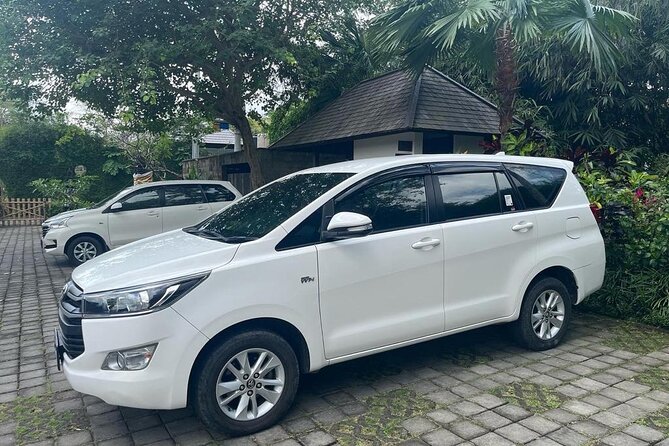
The tour price is $45.91 per person for about 10 hours, with pickup/transfer from Seminyak, an air-conditioned vehicle, parking fees, an English-speaking driver-guide, and bottled water.
The “what you pay extra” part matters, because five of the stops have entrance fees not included. Based on the listed amounts:
- Tirta Empul Temple: IDR 50,000
- Gunung Kawi Sebatu Temple: IDR 30,000
- Puseh Batuan Temple: IDR 30,000
- Elephant Cave: IDR 50,000
- Mount Kawi (Pakrisan River): IDR 50,000
That totals IDR 210,000 in entrance fees across those sites. Batuan’s traditional house compound is free on the info provided.
Also not included: meal. So budget for lunch or snacks, especially since the day is long.
Is it good value? For me, the value comes from two things:
- You get a full itinerary that would be harder to string together by yourself in one day.
- You get guiding context through a planned route with transfers and an air-conditioned ride.
If you hate paying extra at each gate, this might feel pricier in practice. If you’re okay with a bit of cash planning and you want the whole storyline, it’s a solid deal.
Guide quality and pacing: where this tour tends to shine
The difference between a basic temple walk and a good cultural tour is the guide’s ability to explain what you’re looking at and keep the group moving at a human pace.
In the feedback I’ve seen for guides like Kadek and Nanda, the common theme is patience and helpfulness. One guide was described as waiting when someone ran late due to a miscalculation, and that kind of flexibility reduces the stress of a long day.
This matters because the route includes places that reward attention. A patient guide helps you stay calm when there are stairs, uneven areas, or moments where you want to stop and look longer.
Pacing wise, you’ll notice the time slots:
- Shorter at Batuan (1 hour)
- Longer at caves and major temples (up to 2 hours)
- Enough time at each stop to read the site rather than just pass through it
You still need to accept that it’s a 10-hour day. You’ll be glad the vehicle is air-conditioned and that bottled water is part of the package.
Practical tips so your day feels smoother
- Bring cash for entrances. Multiple sites list fees not included, and it’s easiest to pay on-site without scrambling.
- Wear sturdy shoes. Caves and river-adjacent areas can be uneven and slippery.
- Plan for a long sit-and-walk mix. The day includes about 6 major stops plus transit time.
- Treat sacred spaces like sacred spaces. Follow your guide’s cues about behavior and movement.
- Have patience with timing. This itinerary includes many places across a day—your guide can help you manage it, but traffic and site flow still happen.
Who this tour is best for
This is a strong fit if you:
- Want a structured day in Ubud without spending your energy on route planning
- Care about how Bali’s sacred sites connect to village life and older royal eras
- Prefer a guide-led experience with clear explanations, especially at temples and heritage stonework
It’s also a good option for first-timers who want the highlights—Batuan, Goa Gajah, Gunung Kawi, Tirta Empul, and Gunung Kawi Sebatu—in one go.
If you want a slow, free-form Ubud day with lots of time for cafés and wandering, this itinerary may feel packed. It’s designed as a route, not a meander.
Should you book this Ubud Historical Guided Tour?
I’d book it if you want one day that ties together traditional village life, temple spirituality, spring-water cleansing, and rock-cut memorials. The transfer from Seminyak, the air-conditioned ride, and the English-speaking guide make the day feel practical rather than chaotic.
I’d hesitate only if you’re trying to keep costs fixed and you don’t want to handle entrance fees at multiple sites. Also, because it starts at 8:30am and runs about 10 hours, it’s not a great choice for anyone who needs very flexible timing.
Overall, this tour is a good value for the effort it saves and the context it provides. If you like learning as you go, it’s the kind of day that gives you more than photos.
FAQ
What time does the tour start?
The tour start time is 8:30am.
How long is the Ubud Cultural and Historical Guided Tour?
It’s listed as approximately 10 hours.
Is pickup from Seminyak included?
Pickup is offered, and the tour is described with transfer from the Seminyak area.
What’s included in the tour price?
Included items are an air-conditioned vehicle, parking fees, an English-speaking driver tour guide, and bottled water.
Are entrance fees included?
No. Entrance fees are not included for Tirta Empul Temple, Gunung Kawi Sebatu Temple, Puseh Batuan Temple, Elephant Cave, and Mount Kawi (Pakrisan River). Batuan Traditional House Compound has admission ticket listed as free.
How much are the entrance fees?
The listed entrance fees are IDR 50,000 for Tirta Empul, IDR 30,000 for Gunung Kawi Sebatu, IDR 30,000 for Puseh Batuan Temple, IDR 50,000 for Elephant Cave, and IDR 50,000 for Mount Kawi (Pakrisan River).
Is the tour private?
Yes. It’s listed as a private tour/activity, meaning only your group participates.
Do I need to bring a ticket on my phone?
A mobile ticket is offered.
Can I cancel for free?
Yes. You can cancel up to 24 hours in advance for a full refund, and cancellation is free under that rule.
More Bali Tour Picks




More Bali Reviews & Picks


More Around Ubud & the Monkey Forest



Still deciding? More Bali days reviewed, from volcano sunrises to island crossings










Ubud, Monkey Forest & Campuhan, compared.
 ★ 5.0All-Inclusive Ubud Private TourFrom $10014,344 reviews
 ★ 5.0Best of Ubud Full-Day Tour with Jungle SwingFrom $568,571 reviews
 ★ 5.0Ubud: Monkey Forest, Jungle Swing, Rice Terrace, and Water TempleFrom $317,160 reviews
 ★ 5.0Best of Ubud 1-Day Private TourFrom $544,451 reviews
 ★ 4.4Ubud Palace Legong Dance Show TicketFrom $63,979 reviews
 ★ 5.0Body Massage Experience in Ubud Traditional SpaFrom $213,506 reviews
 ★ 4.4Ubud Kecak and Fire Dance Show TicketsFrom $62,631 reviews
 ★ 5.0Ubud Cooking Class Bali with Balinese ChefFrom $351,609 reviews
Browse the lists this tour appears in