
Reviewed · CYCLING & COUNTRYSIDE E-BIKE RIDES
Bali Mountains and Villages Cycling Tour
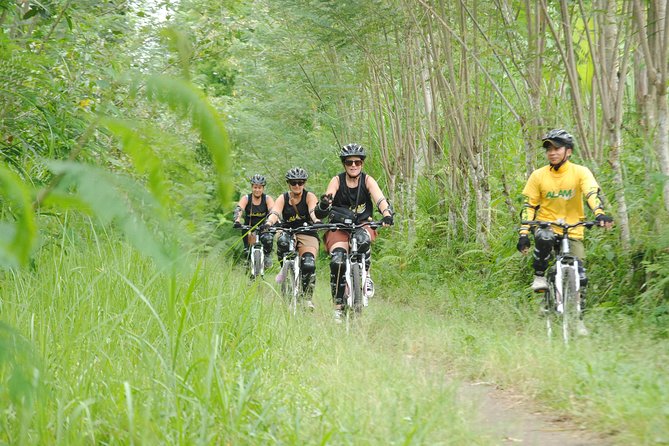
A downhill bike ride through rural Bali sounds ideal. This full-day Bali Mountains and Villages cycling tour mixes village life with real riding, not a stop-and-stare day. Two things I like a lot: the small-group feel and the focus on local customs in places like Bayung Gede Kintamani, Taro, and Keliki.
You also get an included lunch and a guided ride that takes you past coffee and cocoa plantations, green rice fields, Hindu temples, and rainforest areas. One possible drawback to plan for: the long stretch of time spent in the van from many parts of Bali to the highlands and back.
In This Review
- Key highlights to know before you go
- Why this Bali bike tour feels different from a usual day trip
- Getting to Kintamani: the car ride factor you should plan for
- Bikes, helmets, and the kind of fitness you actually need
- Bayung Gede Kintamani: plantations and countryside before you really move
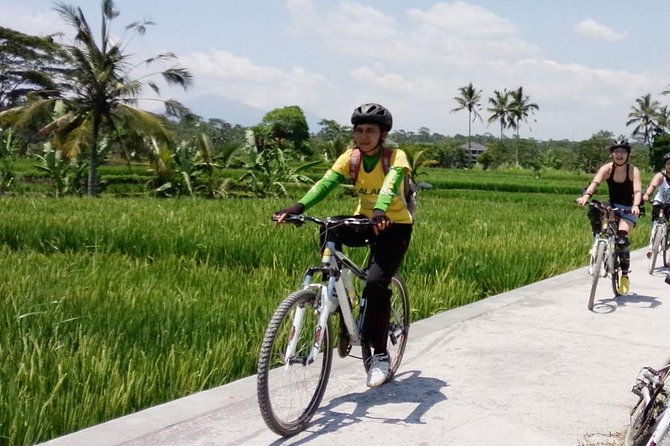
- Riding downhill past rice fields, temples, and rainforest areas
- Taro and Keliki villages: customs you can actually talk about
- Lunch and the food setup you should expect
- Group size, guides, and why the day doesn’t feel rushed
- Price and value: is $60 a fair deal for this Bali cycling day?
- Practical tips that make the ride day smoother
- Should you book this Bali Mountains and Villages cycling tour?
- FAQ
- What time does the tour start?
- How long is the Bali Mountains and Villages cycling tour?
- Is hotel pickup and drop-off included?
- Do I get a bike and helmet?
- Is lunch included?
- Do I need to know how to ride a bicycle?
- What fitness level is required?
- What villages are visited on the tour?
- Is free cancellation available?
Key highlights to know before you go
- Small-group vibe: promoted as limited to 15 people for more direct guide attention
- Village culture focus: time in Bayung Gede Kintamani, Taro, and Keliki to learn traditional customs
- Downhill riding style: most of the excitement is in the ride, with downhill sections through countryside
- Scenery variety: rice fields, river valleys, Hindu temples, rainforests, and off-road tracks
- Included essentials: bike + helmet, lunch, and hotel pickup/drop-off (select Bali areas)
- Early start: starts at 7:30 am, so you’ll want to be ready before sunrise
Why this Bali bike tour feels different from a usual day trip
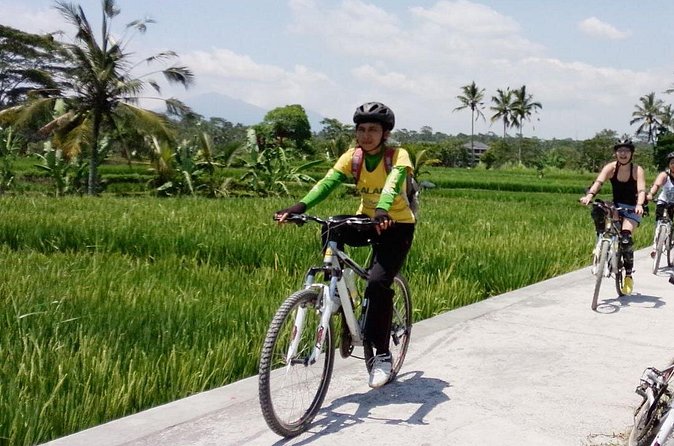
This is a rural cycling day, built around how people live in Bali’s interior—not just a scenic photo loop. You’ll ride from the Kintamani highlands area and spend time in indigenous villages, where the day is structured around customs and local knowledge.
I also like the way the route matches the topic. Coffee and cocoa plantations show up in the same day as rice fields and temple areas, so the scenery makes sense. It’s not random sightseeing; it’s a moving picture of how farming, religion, and daily life overlap in the hills.
The overall pacing is gentle enough for people who can ride a bike confidently, and the “wow” moment is the downhill feeling as you head through countryside.
More cycling and e-bike rides through the rice country


Getting to Kintamani: the car ride factor you should plan for
One thing this tour does well is organization and pickup timing, but you still need to accept the geography. From southern Bali, the drive to the start area is about 1.5 hours each way. If you’re staying in Ubud, it’s closer—about 45 minutes.
That van time adds up fast. If you hate being stuck in traffic for hours, this tour may feel like more travel than cycling. The upside is you don’t have to deal with navigation or driving stress yourself.
Tip: If you’re prone to car-sickness, plan accordingly. Bring what you need for a longer ride day because the start point sits in the hills.
Bikes, helmets, and the kind of fitness you actually need
The day is described as requiring moderate physical fitness, and you do need knowledge to ride a bicycle. That matters because downhill riding can be fun, but it’s still on you: you need balance, basic bike control, and the comfort to pedal when the terrain asks for it.
You’ll get a bike and helmet, plus a briefing at the start before you ride. That’s a key part of why this works for most people: you’re not thrown onto a trail with zero instruction.
Who this suits best:
- People who can comfortably ride a bike on uneven paths or off-road tracks
- Travelers who want a guided cultural day without intense climbing
- Anyone who prefers an active day over a museum day
Who might hesitate:
- Complete beginners who don’t yet feel steady on two wheels
- Anyone with a strong dislike of downhill speed or rough terrain
Bayung Gede Kintamani: plantations and countryside before you really move
Your morning begins with hotel pickup in select resort areas, then the drive up to the hills of Bayung Gede Kintamani. When you arrive, you’ll be fitted with your bike and helmet and get a short tour briefing covering safety and how the day runs.
From there, the ride starts through countryside with a lot of variety. You’ll pass things like:
- coffee and cocoa plantations
- green rice fields
- river valleys
- off-road tracks
- rainforest areas
Even before you reach the villages, this stretch sets expectations. It’s not flat street riding. You’re moving through the kinds of working landscapes that define rural Bali.
Drawback to keep in mind: the countryside includes off-road segments, so expect uneven ground at points. If you’re used to smooth pavement only, your first few minutes may feel like a reset.
Riding downhill past rice fields, temples, and rainforest areas
The big “energy shift” comes as you cycle downhill past rice fields and through scenery that changes fast. This is where you get the feeling that Bali is bigger than the coastal strip.
You’ll see Hindu temples along the route and travel through areas described as rainforests. The combination matters: temples give the spiritual context, rice fields show the agricultural rhythm, and rainforest terrain adds a sense of shade and texture to the ride.
What to expect physically:
- downhill sections that require controlled braking and steady posture
- moments where you’ll need to watch the ground more than the view
One practical note: bring clothing that can handle sun and humidity. Even if the rainforest sections give you shade, the day starts early at 7:30 am and you’ll still be in the open when you cycle through fields and plantation edges.
A few more Bali tours and experiences worth a look


Taro and Keliki villages: customs you can actually talk about
The heart of the tour is visiting indigenous villages—Bayung Gede Kintamani, Taro, and Keliki—where you learn about traditional customs. The value here isn’t just seeing old buildings. It’s the explanation behind everyday practices, and having a guide present to answer your questions as you go.
A small-group size helps a lot. When you’re limited to around 15 people, the guide can keep the day moving while still having time to respond to what you’re noticing. That’s the difference between a crowded “walk by the sights” day and an experience where you understand what you’re seeing.
In these villages, you’ll also connect the culture to the scenery you rode through. Rice fields and temple areas show up for a reason, and the ride gives you a real sense of distance—how farms, homes, and sacred spaces relate across the hills.
Lunch and the food setup you should expect
Lunch is included, which is a big part of the day’s value. You’re spending around 6 hours total, plus van time, so having food handled reduces decision fatigue.
The data also notes that food and drinks aren’t included unless specified. So I recommend planning like this:
- eat the included lunch without rushing it
- plan to cover drinks yourself if the tour doesn’t mention them
If you’re sensitive to heat, bring a small snack you can hold onto before or after lunch, just in case your hunger hits between ride segments.
Group size, guides, and why the day doesn’t feel rushed
This tour is promoted as an intimate, small-group experience limited to 15 people. At the same time, the activity maximum is listed as 40 travelers. That doesn’t automatically mean chaos—it can mean multiple groups run on the same day—but it’s worth knowing what you’re stepping into.
Here’s what that usually affects in real life:
- If your cycling group is near the 15-person cap, you’ll get more personalized attention.
- If there are multiple groups, you may have more people at shared pickup or shared start areas.
Either way, the core structure is guided. You’re not left to figure out routes, timing, or cultural context by yourself.
One of the strongest positive signals is how smoothly pickup runs and how well organized the day feels. When a tour starts on time and logistics are handled, you actually get to enjoy the riding instead of worrying about the next step.
Price and value: is $60 a fair deal for this Bali cycling day?
At $60 per person, this tour looks like strong value on paper—mostly because the essentials are handled for you. You’re paying for:
- hotel pickup and drop-off by air-conditioned minivan (select hotels/areas)
- bike and helmet
- lunch
- a cycling guide
Many “active” tours in Bali either exclude lunch or make you organize transport. Here, transportation and lunch are built in, which helps the cost feel more realistic for a full-day outing.
Is it perfect value? Only if you match the basic requirements:
- you can ride a bike
- you’re comfortable with a morning start
- you don’t mind some off-road terrain
- you’re okay spending serious hours in the van
If those boxes don’t fit you, you might feel like you paid for travel time rather than cycling time.
Practical tips that make the ride day smoother
These are the small things that matter most on a Bali downhill-and-village day:
- Start early energy: confirm you’re ready by pickup time because the tour start is 7:30 am.
- Bring a way to protect your phone: you’ll be biking, so secure it.
- Wear closed-toe shoes with grip: the route includes off-road tracks.
- Expect humidity: even with rainforest shade, the air can feel heavy in the morning hills.
- Don’t overpack: you’ll be cycling, then stopping in villages. Keep essentials accessible.
If you’re the type who likes photos, know that souvenir photos are available to purchase separately. If that’s important to you, consider budgeting for it.
Should you book this Bali Mountains and Villages cycling tour?
Book it if you want a day that’s active but not extreme, with countryside riding and real village context. It’s especially worth it if you like the idea of cycling through rice fields, Hindu temple areas, and rainforest zones while learning customs in Bayung Gede Kintamani, Taro, and Keliki. With pickup, bike/helmet, and lunch included, it’s the kind of tour that’s easy to say yes to.
Skip or rethink if you’re:
- a brand-new cyclist who doesn’t yet feel steady
- someone who hates long van rides and early starts
- looking for a fully self-guided experience (this is guide-led)
My quick take: this is a good-value, culturally grounded cycling day—provided you’re comfortable with the basic riding requirements and you plan for the travel time to the highlands.
FAQ
What time does the tour start?
The tour start time is 7:30 am.
How long is the Bali Mountains and Villages cycling tour?
It’s listed as about 6 hours total.
Is hotel pickup and drop-off included?
Yes. Hotel pickup and drop-off are included by air-conditioned minivan, but only for select hotel areas.
Do I get a bike and helmet?
Yes. Bike and helmet are included.
Is lunch included?
Yes, lunch is included.
Do I need to know how to ride a bicycle?
Yes. The tour notes that you should have knowledge to ride a bicycle.
What fitness level is required?
It calls for travelers with a moderate physical fitness level.
What villages are visited on the tour?
The tour focuses on traditional customs in Bayung Gede Kintamani, Taro, and Keliki.
Is free cancellation available?
Yes. You can cancel for a full refund up to 24 hours in advance of the experience’s start time.
More Bali Tour Picks


More Bali Reviews & Picks


More Cycling & E-Bike Rides


Still deciding? More Bali days reviewed, from volcano sunrises to island crossings





Cycling & Countryside E-Bike Rides, compared.
 ★ 5.0Electric Cycling Tour of Ubud with Free Hotel Transfer and LunchFrom $411,397 reviews
 ★ 5.0Ubud: Downhill Cycling with Volcano, Rice Terraces and MealFrom $36536 reviews
 ★ 5.0Ubud eBikes Tour to Tegallalang Rice TerraceFrom $30507 reviews
 ★ 5.0Half-Day Ubud Electric Cycling Tour to Tirta Empul Water TempleFrom $49315 reviews
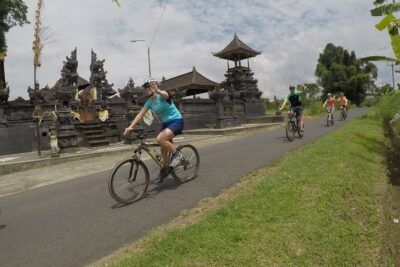 ★ 5.0Kintamani Cultural and Nature Cycling Tour ( Manual Bike )From $33257 reviews
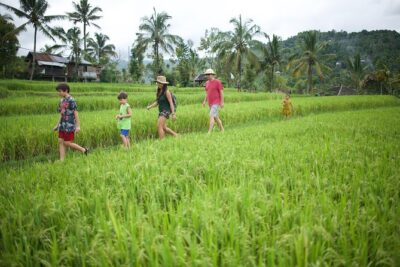 ★ 5.0Haunted Valley Waterfall ATV and Bike TourFrom $50251 reviews
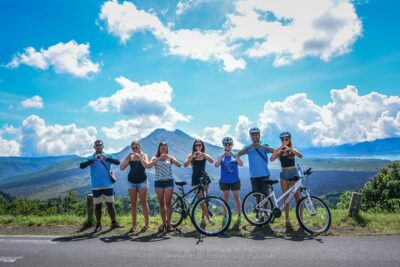 ★ 5.0Bali Countryside Cycling ToursFrom $36246 reviews
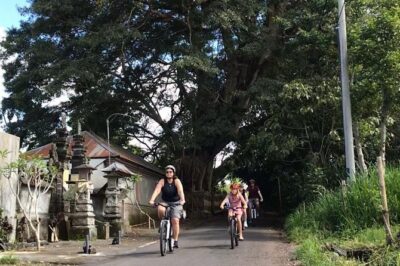 ★ 5.0Half Day Cycling Tour ( Manual Bike )From $33225 reviews
Browse the lists this tour appears in