
Reviewed · BATUR VOLCANO & KINTAMANI HIGHLANDS
Kintamani Cultural and Nature Cycling Tour ( Manual Bike )
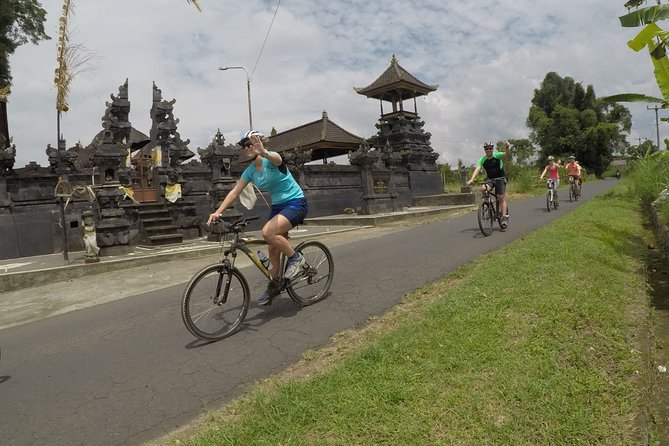
Biking here feels like a cheat code to Bali. This Kintamani cultural cycling tour takes you out of the Ubud rush and down toward villages, rice fields, and temple areas, with a guide who explains what you’re actually passing. I especially like the easygoing route style (it’s designed to be mostly downhill) and the way the stops connect scenery with everyday Balinese life.
One thing to consider: it’s on a manual bike, so do a quick gear check and expect narrow lanes, dirt bits, and the occasional bump. Most rides run smoothly, but your comfort depends on bike condition, your balance, and following the guide’s safety calls.
In This Review
- Quick Hits Before You Pedal
- Why This Ride Works: Culture Plus Countryside, Without the Grind
- Manual Bikes: How Hard Is It, Really?
- Getting Away From Ubud: Pickup and the Morning Coffee Start
- Greenbike Adventure Stop: More Than Fuel
- Tegalalang: The Rice Terrace Photo Moment (Brief, On Purpose)
- Starting the Big Countryside Segment: Kintamani and Abuan Villages
- Taro Village Break and Gunung Raung Temple Sight
- Bresela Rice Fields and Irrigation: The Details Worth Slowing For
- Payangan Finish and Hyang Api Temple: A Strong Ending Point
- Lunch at Greenkubu Cafe and the Swing Stop
- Price and Value: Why $33 Can Make Sense
- What to Bring (and What to Skip)
- Group Size and Safety: How the Tour Keeps You Together
- Who This Is Best For (and Who Might Want Another Option)
- Should You Book This Kintamani Cultural and Nature Cycling Tour?
- FAQ
- How long is the Kintamani Cultural and Nature Cycling Tour?
- Do I need to be very fit to do this cycling tour?
- What food and drinks are included?
- Is there a gluten-free option for the coffee break?
- What should I wear or bring?
- Can I cancel and get a refund?
Quick Hits Before You Pedal
- Mostly downhill pace that keeps the effort reasonable for most people
- Two-guide setup (lead + sweep) that helps with safety and keeping the group together
- Real village stops like a local home visit and rice-field irrigation viewing, not just photo ops
- Coffee, lunch, and snacks included, with gluten-free options noted for coffee break choices
- Guides point out hazards and you can choose a slightly off-route peek into the countryside
Why This Ride Works: Culture Plus Countryside, Without the Grind
This tour hits a sweet spot. You’re not just riding through pretty places; you’re moving through the parts of Bali that shape daily routines—rice cultivation, home industries, and the way temples sit in the middle of working life. The countryside feel comes through fast, because the route is planned to carry you downhill away from the densest tourist areas.
What I like for you is that the day has built-in structure. You get a coffee start, a sequence of short stops for photos and context, and a proper lunch break near the finish. That makes it easier to manage heat, energy, and expectations, especially if you’re pairing this with other Ubud sightseeing.
The other win is the guide approach. Names you might hear in the group include Gede, Ben, Wayan, Amin, and Gudday, and the common thread is practical, friendly explanations plus safety guidance. You’ll often feel like you’re cruising with people who actually know the road and the rhythm of the villages.
More sunrise treks and hot springs around Mount Batur

Manual Bikes: How Hard Is It, Really?
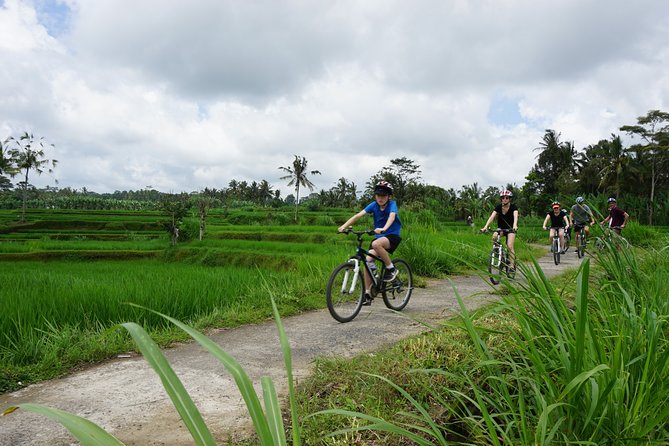
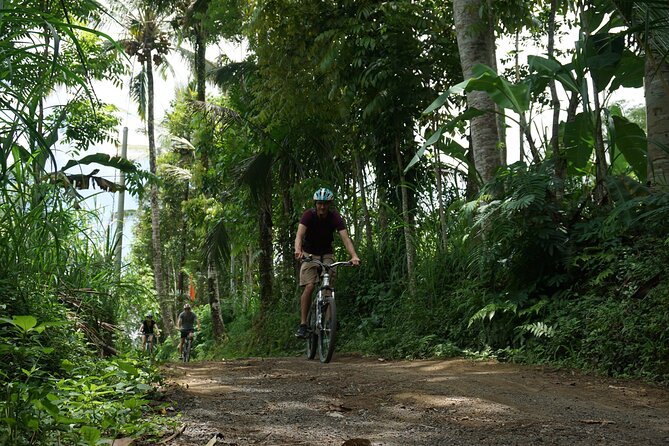
The headline promise is a downhill ride, and multiple experiences point to it being very gentle—around 95% downhill in spirit—so it’s not an all-day leg burner. That said, it’s still cycling. Narrow roads, occasional potholes, and dirt/rough edges mean you need steady control, not speed.
Here’s the reality check I’d give you before you show up:
- Wear shoes with grip. Sport or walking sneakers are recommended.
- Expect small bumps and narrow lanes. You don’t need mountain-bike skills, but you do need balance.
- If you’ve had issues with gears on manual bikes before, watch carefully at the start and flag anything unusual immediately.
Because it’s a manual bike tour, bike handling matters. One rider noted problems with slipping/jamming gears and even a fall, so I treat that as a reminder: take 30 seconds to test shifting and braking when the bike is handed to you.
Getting Away From Ubud: Pickup and the Morning Coffee Start
The day starts with pickup in Ubud, then a drive up to the plantation area for the first break at Greenbike Adventure. This matters because it keeps the ride from becoming an uphill scramble before you even start.
At the first stop, you get coffee plus a food choice—pancake or a smoothie bowl. Importantly, gluten-free requests are mentioned here, so if you have dietary needs, this is the moment to ask and confirm. I like that the tour doesn’t treat food as an afterthought; it’s part of setting the tone and timing your energy for the ride.
If you’re the type who worries about logistics, you’ll also appreciate that the tour uses a mobile ticket. That’s one less thing to manage while you’re in and out of cars and busy streets.
Greenbike Adventure Stop: More Than Fuel
This first coffee break is your warm-up socially and mentally. You’ll get your bearings, meet the guide(s), and hear the basics before you’re out on the countryside lanes.
Two small things make it feel smooth:
- You get a proper start rather than jumping straight into riding.
- The tour encourages you to bring a small backpack for camera/video, which hints that you’ll be stopping and shooting, not just sprinting through.
If you’re traveling with kids or someone who gets nervous on roads, this early stop helps. Guides who do well on this tour tend to explain hazards and route choices clearly before you roll.
Tegalalang: The Rice Terrace Photo Moment (Brief, On Purpose)
Next comes a short stop in Tegallalang for taking pictures of the rice terraces. It’s intentionally quick—about 15 minutes—so you can enjoy the views without losing the momentum of the cycling portion.
Here’s how I’d use this stop if you’re planning your photos:
- Bring a camera setting you trust. The light can shift fast in open terraced areas.
- Don’t over-plan. You’ll get a few good chances, but this isn’t a long wandering session.
Even if you’ve seen rice terraces in other parts of Bali, this one works because it’s positioned in the flow of the ride. You’re not stuck in a single tourist zone; you’re moving onward.
More cycling and e-bike rides through the rice country
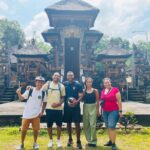
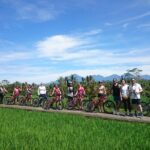
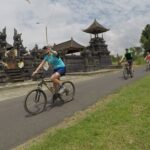
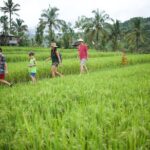
Starting the Big Countryside Segment: Kintamani and Abuan Villages
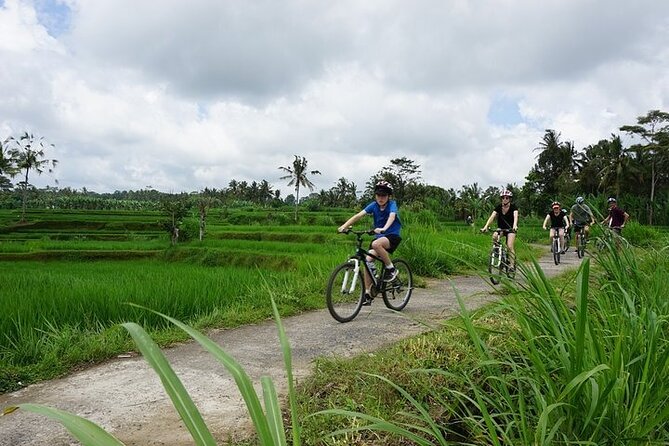
The tour’s main rhythm builds around the Kintamani area and the Abuan villages. You’ll start your bike ride from Abuan Kintamani village, then spend time in a couple of key village moments.
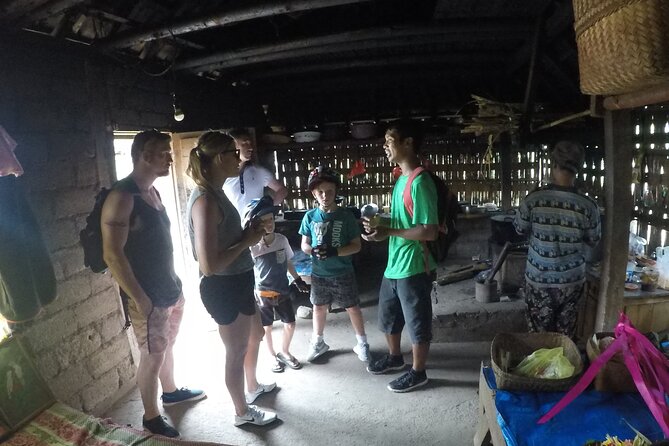
One stop is a shorter pause at Kintamani (about 30 minutes), followed by a longer visit back in the Abuan area (around 45 minutes). The standout element here is the local home visit. You’re not just looking at Bali; you’re getting a glimpse of how people live and organize daily life.
Why that matters for value: many “bike tours” promise culture but deliver only views. This one includes actual village context—religion’s role in life, how rice fields connect to family routines, and how local work fits into the landscape you’re riding through. You’ll hear explanations that make the scenery make sense.
Also, you’ll likely see irrigation and rice-field logic come up again later. Think of these stops as pieces of a single story. The earlier village time helps you notice details you’d otherwise miss.
Taro Village Break and Gunung Raung Temple Sight
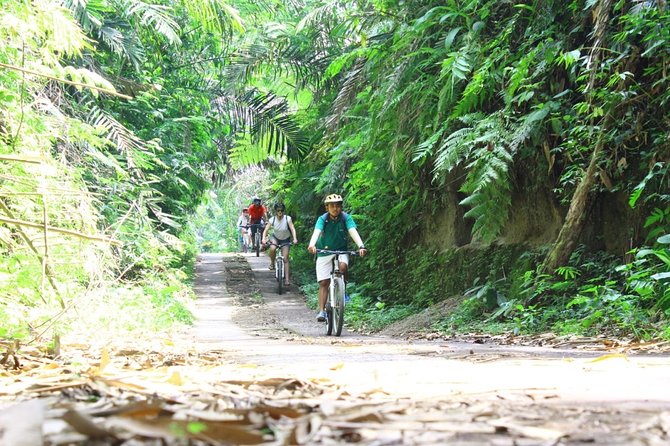
Then you roll toward Taro for another coffee break and a stop tied to a unique temple called Gunung Raung Temple (also described as the most unique temple in Bali by the tour team). The time here is around one hour.
This portion gives you two benefits:
- A food-and-drink reset before the final ride segments.
- A change of scenery that feels more spiritual and reflective compared with rice fields and village lanes.
From a practical standpoint, it’s also a good moment to check yourself. The ride is designed to be easy, but you’re cycling for most of the day, and humidity can sneak up. Drink water, cool off briefly, and get ready for the last stretches.
If you’re the kind of person who loves learning by asking questions, guides like Wayan and others in past groups are known for being attentive and answering questions clearly. That’s where your time becomes more than exercise.
Bresela Rice Fields and Irrigation: The Details Worth Slowing For
Bresela is a longer stop (about 45 minutes) that centers on rice-field irrigation. This is the kind of visit that might not sound exciting on paper—until you’re there and someone explains how water management supports rice work.
The irrigation system is a key part of how families farm. When you understand it, you start seeing the shapes and channels you would otherwise treat as background scenery. For a cycling tour, this is smart planning because you’re physically close to what you’re learning about.
There’s also a photography angle here, but I’d prioritize understanding first. Spend a few minutes listening, then you’ll know exactly what you’re photographing.
Payangan Finish and Hyang Api Temple: A Strong Ending Point
Your finish point is at Hyang Api Temple in Payangan, with about 30 minutes at the end location. This ending matters because you’re not dropped off immediately after the hardest stretch. You reach a calmer, anchored spot where the day feels like it has a proper conclusion.
Temple areas can be busy and can involve some local rules, so dress with respect in mind. The tour data doesn’t list specific dress requirements, but it does recommend practical footwear and sunscreen, which suggests a general outdoor day. I’d still plan for modesty just in case, especially around sacred spaces.
Lunch at Greenkubu Cafe and the Swing Stop
Finally, you eat lunch at Greenkubu cafe (about one hour) and there’s also a swing stop mentioned as part of this segment. This gives you a mix of practical rest and a fun photo moment without forcing you into the ride again right after you eat.
Lunch is a included highlight, and the longer stop time makes it a real break, not a quick snack-and-go. If you’re traveling with kids, this is often where the day becomes memorable for them because they get a chance to relax and enjoy the view without pedaling.
Price and Value: Why $33 Can Make Sense
At $33 per person, this tour is priced as a full-day countryside experience with real inclusions. What makes the value feel solid is the combination:
- Round-trip transport from Ubud
- Coffee plus snacks
- Lunch included
- Multiple cultural stops (including a local home visit)
- A guided ride using a lead/sweep safety style you can feel in how the day is managed
Also, not every stop is just a pass-by. Some are short photo breaks, but others are longer knowledge-based moments. You’re paying for time, guidance, and access—not only for bike rental.
If you’re deciding between doing rice terraces on your own and taking a cycling day tour, I’d lean toward this because it strings together locations that would take multiple rides and a lot more coordination. In a place like Ubud, that coordination time is part of the cost you avoid.
What to Bring (and What to Skip)
The tour itself gives you a few hints on what matters:
- Walking/sport shoes
- Sunscreen
- Small backpack for camera/video
From common practical experience in Bali cycling days, I’d also add:
- Bug spray. One rider specifically called this out and it’s smart in humid countryside areas.
- A light layer if you get cold in the air-conditioned car during pickup/transfer.
- Something small for water and quick snacks if you’re prone to hunger between food stops (even with snacks included, not everyone’s timing matches the schedule).
Avoid bringing anything bulky. You’ll be handling a bike, riding narrow lanes, and taking quick moments for photos. Keep it simple.
Group Size and Safety: How the Tour Keeps You Together
The tour allows a maximum of 50 travelers, but many experiences are effectively easier than that because you ride with guide spacing and a lead/sweep style. When there are two guides—one upfront and one watching the back—the group doesn’t stretch out into chaos.
Safety is also part of why the route feels manageable. Guides are known for pointing out possible hazards and controlling the pace. One rider described the directions as easy and specifically mentioned hazard awareness along the way.
Still, you should take responsibility for your own comfort:
- Don’t ride outside your skill level.
- If your bike feels off, say something right away.
- Keep attention on the road, not just the view.
It’s a cultural ride, but it’s still a ride.
Who This Is Best For (and Who Might Want Another Option)
This tour fits best if you want a countryside day that feels grounded in local life. You’ll likely enjoy it if you:
- Like cycling that’s mostly downhill and not a punishing workout
- Want rice terraces plus village context, not only scenery
- Enjoy guides who explain what you’re seeing and answer questions
- Want a day you can pair with Ubud temples, markets, and coffee afterward
It may be less ideal if you:
- Can’t manage a manual bike on uneven roads
- Are very sensitive to schedule issues and late pickups
- Have low tolerance for narrow lanes and uneven surfaces
If you fall into the last group, you might still enjoy it by choosing the safest bike options available and letting the guide know you prefer the smoothest lane possible.
Should You Book This Kintamani Cultural and Nature Cycling Tour?
I’d book this if you want an organized, value-heavy way to see the Ubud area beyond the main tourist corridors. The included coffee, lunch, and snacks make it easier to justify the cost, and the cultural stops—especially the local home visit and rice-field irrigation viewing—are the difference between a scenic ride and a day with meaning.
Skip it or switch to a more basic option if you have bike-gear anxiety or you’re uncomfortable on narrow, bumpy roads. Also, if your travel style depends on perfect timing, build in a little buffer because transport and pickup can vary.
For most people, though, this is a smart choice: manual-bike adventure, real village texture, and a route that keeps the day fun rather than exhausting.
FAQ
How long is the Kintamani Cultural and Nature Cycling Tour?
The tour runs about 7 to 9 hours.
Do I need to be very fit to do this cycling tour?
Most people can participate. It’s designed as an easy ride with a downhill-heavy route, but you should still be comfortable cycling and handling a manual bike on uneven paths.
What food and drinks are included?
You’ll have coffee during the tour, and the day includes lunch plus snacks.
Is there a gluten-free option for the coffee break?
Gluten-free requests are noted for the coffee break choices, including pancake or a smoothie bowl.
What should I wear or bring?
Wear walking/sport shoes, bring sunscreen, and consider a small backpack for your camera or video.
Can I cancel and get a refund?
Yes. You can cancel up to 24 hours in advance for a full refund. If you cancel less than 24 hours before the experience starts, it won’t be refunded.
More Bali Reviews & Picks


More Cycling & E-Bike Rides
More Batur Volcano & Kintamani Days


Still deciding? More Bali days reviewed, from volcano sunrises to island crossings


Batur Volcano & Kintamani Highlands, compared.
 ★ 5.0Mount Batur Sunrise Hike and Natural Hot Spring OptionFrom $331,927 reviews
 ★ 5.0Mount Batur Sunrise Hike with BreakfastFrom $301,757 reviews
 ★ 5.0Mount Batur Sunrise Jeep Tour with Optional ActivitiesFrom $241,555 reviews
 ★ 5.0Mount Batur Jeep AdventureFrom $211,420 reviews
 ★ 5.0Mount Batur Sunrise Jeep TourFrom $391,247 reviews
★ 5.0Mount Batur Sunrise Jeep TourFrom $201,198 reviews
★ 5.0Mount Batur Sunrise Jeep TourFrom $391,247 reviews
★ 5.0Mount Batur Sunrise Jeep TourFrom $201,198 reviews
 ★ 5.0Mount Batur Sunrise Trekking Private All InclusiveFrom $21906 reviews
 ★ 5.0Mount Batur Sunrise Trekking Private Tour with Breakfast and Hotel TransferFrom $49885 reviews
Browse the lists this tour appears in