
Reviewed · UBUD, MONKEY FOREST & CAMPUHAN
Vegetarian Ubud Cooking Class Bali
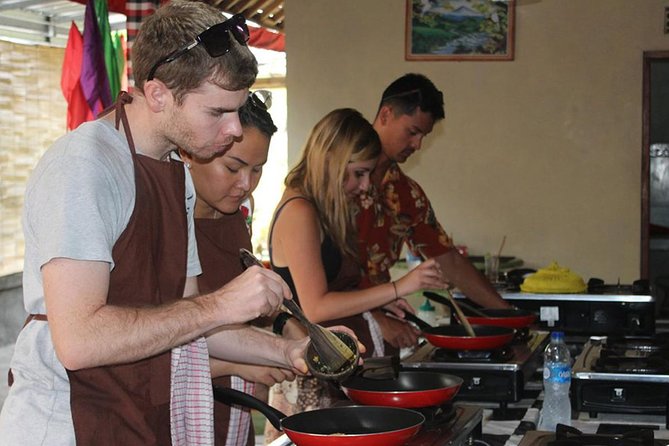
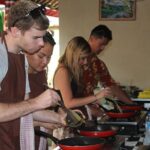
Spice grinding in Bali is oddly satisfying. I like how this vegetarian Ubud cooking class moves step by step from market shopping to using a traditional ulekan to grind spice pastes. You also end up cooking a full spread of Balinese vegetarian favorites like tofu and tempe, not just a token dish or two.
One thing to consider: pickup reliability can be a weak spot. In at least one case shared by a past guest, the van never showed and messages weren’t answered, so I’d treat pickup as something to confirm before you fully relax.
In This Review
- Key highlights worth caring about
- Vegetarian Ubud Cooking Class Bali: what this is really like
- Price and value: is $39 a fair deal?
- Transfers and meeting point: the part to get right
- Market time and rice-field context: why the start matters
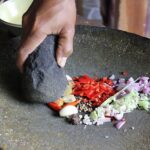
- The ulekan spice pastes: the lesson you’ll remember
- Cooking nine vegetarian dishes: what you’ll actually make
- Lunch or dinner and the drink setup
- Group size and chef-led instruction
- Who should book this vegetarian cooking class?
- Should you book Vegetarian Ubud Cooking Class Bali?
- FAQ
- How long is the Vegetarian Ubud Cooking Class?
- Do I get vegetarian food, or is it adapted?
- How many dishes will I cook?
- Is pickup and drop-off included?
- What meals are included?
- What drinks are included?
- What happens if I cancel?
Key highlights worth caring about
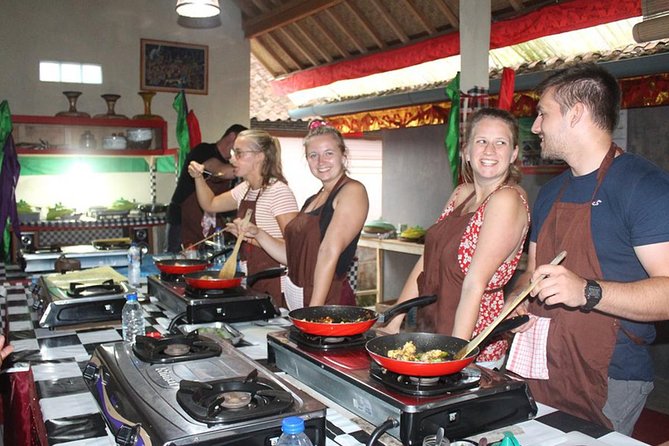
- Vegetarian Balinese cooking, built around tofu and tempe for a real menu, not substitutions
- Market-style start that’s part of learning, not just photo time
- Traditional ulekan spice grinding so you feel the texture and smell of the paste
- Nine separate dishes + a recipe file so you can recreate it at home
- Central Ubud pickup/drop-off included and a small group size capped at 15 travelers
- Water and a welcome drink included, plus lunch (morning) or dinner (afternoon)
Vegetarian Ubud Cooking Class Bali: what this is really like
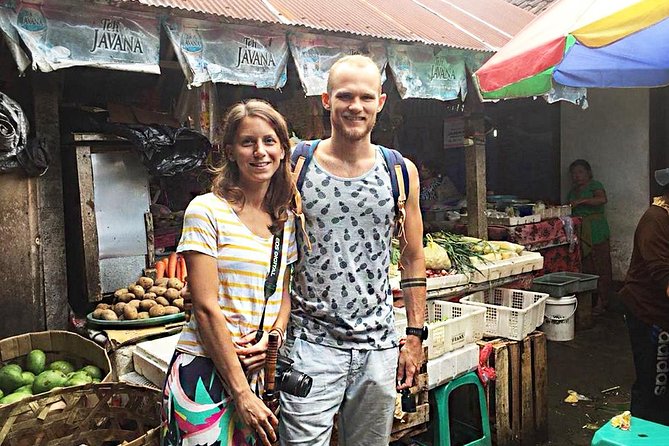
This is a chef-led cooking class in Ubud aimed specifically at vegetarians. The idea is simple: you don’t just follow instructions in a kitchen—you also learn where the flavors come from, starting with ingredients you pick up along the way.
The class runs about 4 hours, and you’ll make nine separate dishes. You’ll work with fresh vegetables and plant-based ingredients like tofu and tempe, with an emphasis on Balinese flavor techniques rather than generic “Indonesian cooking.”
If you’ve ever tried cooking Indonesian food at home and wondered why it tastes different, this kind of class helps because it forces you to practice the process. That includes making spice paste the traditional way.
More around Ubud, from the Monkey Forest to the Campuhan ridge



Price and value: is $39 a fair deal?
At $39 per person, you’re paying for more than the cooking. Your package includes a professional English-speaking local chef, cooking equipment, a copy file of 9 recipes, and transfers from central Ubud hotels.
You also get a meal depending on the session:
- Morning session: lunch + bottled water
- Afternoon session: dinner + bottled water
For many cooking classes, the price is usually “chef + time.” Here, the included recipe file matters because it turns the experience into something you can repeat. If you like cooking, that’s where the value shows up months later.
The main “watch-outs” on value are the extras that aren’t covered: personal expenses in the traditional market and beverages beyond the welcome drink and included water.
Transfers and meeting point: the part to get right
This experience offers 2-way transfers from central Ubud hotels, and you’ll have a mobile ticket. If pickup doesn’t happen for your exact location, you can meet directly at the class site.
The start location is listed as: Subak cooking class & Cooking class in ubud, Jl. Werkudara, Tampaksiring, Kec. Tampaksiring, Kabupaten Gianyar, Bali 80552, Indonesia. The tour info also notes the meeting point is near public transportation, which is useful if you’re already moving around Ubud.
Here’s the practical way to protect your day: before the session, verify the pickup time and pick-up point, especially because pickup has been mentioned as an issue in at least one prior experience. If you’re traveling with others, it’s worth having a backup plan to get to the meeting address without stress.
Market time and rice-field context: why the start matters
The flow of the class is built around the idea that Balinese cooking starts with ingredients, not with a sauce bottle. You’ll go along for shopping and learn what to look for before you start cooking.
One of the most appreciated parts of the experience is the market visit, and there’s also mention of a rice field explanation. Even if you’re not a hardcore food nerd, that context helps you understand why Balinese flavors feel the way they do—fresh produce, bold spice pastes, and cooking methods that treat ingredients like they matter.
This section is also where you’ll get your first taste of the area’s rhythm. Ubud is easy to treat as a museum of cafés, but this class gives you a reason to pay attention to food as part of daily life.
What to keep in mind: personal expenses in the local traditional market aren’t included, so if you buy anything there, plan on paying separately.
The ulekan spice pastes: the lesson you’ll remember
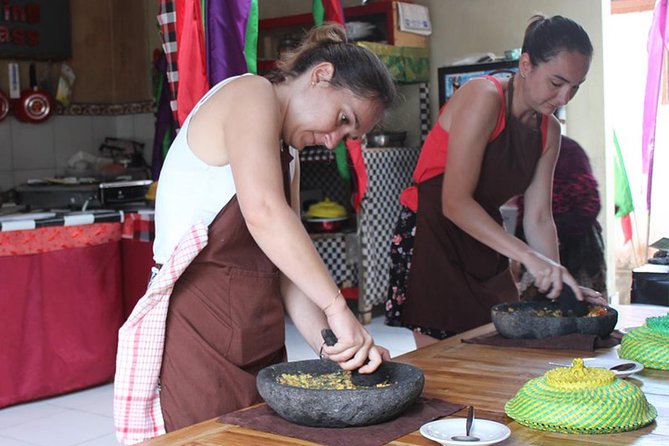
One of the defining features here is the traditional ulekan method for grinding spice pastes. In many cooking classes, “spice paste” is pre-made or ground by a machine. Here, the grinding is part of the learning, and that’s the whole point.
Why this matters for you:
- You learn the texture shift as spices break down.
- You understand that Balinese flavor comes from the whole paste, not just one ingredient.
- You get a feel for consistency, which is hard to replicate from a recipe alone.
The smell alone is worth the effort. But beyond that, this technique helps you recreate the method later, when you’re stuck at home with a mortar, no chef beside you, and a bowl of ingredients that don’t look like the same paste you made in Bali.
If you like hands-on food learning, this is a strong reason to book.
More farm and village cooking classes
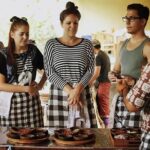
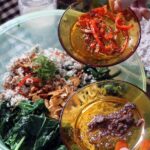
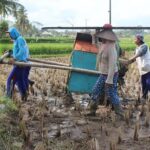

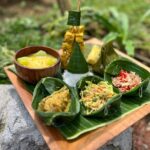
Cooking nine vegetarian dishes: what you’ll actually make
This class is designed as a full vegetarian Balinese cooking experience, not a compromise menu. You’ll prepare nine separate dishes, including items that highlight plant-based proteins and plenty of fresh vegetables.
From the tour details and the cooking focus, you can expect dishes built around:
- Tofu
- Tempe
- Fresh veggies
- Balinese spice pastes ground traditionally in an ulekan
The chef mentoring is part of what makes this work. A pro guide can steer you when spice paste gets too thick, when a vegetable needs a different timing, or when flavors need balancing during cooking.
Even without a dish-by-dish schedule printed here, the structure matters: you’re cooking multiple dishes over the course of the class, which means you practice techniques repeatedly instead of doing a single “one-and-done” recipe.
You also leave with a copy file of 9 recipes, which is key. When you’re eating something you love, it’s satisfying to know what ingredients and steps produced it. With a recipe file, you’re not trying to remember everything from flavor alone.
Lunch or dinner and the drink setup
Meals are included, and they’re tied to the time slot you choose. Morning sessions include lunch + bottled water. Afternoon sessions include dinner + bottled water.
Water is included either way, and you also get a welcome drink. If you want other beverages, you can purchase them separately.
One practical note: because beverages aren’t otherwise included, if you tend to drink a lot at meals, plan for some extra spending. It’s not a dealbreaker, but it affects the true total cost.
Group size and chef-led instruction
The class caps at 15 travelers, which usually helps keep things from turning into a fast assembly line. With a group this size, you’re more likely to get attention when you need it—especially when grinding paste and cooking multiple items.
You’ll be mentored by a professional English-speaking local chef, and that matters for vegetarian cooking. When a menu is vegetarian by design, the chef has to know how to build depth without meat or fish flavor. That’s what you’re paying for: skilled guidance and technique, not just instructions.
Who should book this vegetarian cooking class?
This is a great fit if you:
- Want Balinese vegetarian cooking that’s built around real ingredients like tofu and tempe
- Enjoy hands-on steps, especially spice paste work with an ulekan
- Prefer learning with a chef rather than a purely self-guided class
- Want a take-home recipe file so you can recreate dishes after the trip
It’s also a smart choice if you want a food experience beyond Ubud’s cafés and sightseeing. You get a market start, a cook-along format, and a structured way to go from ingredients to dishes.
If you’re the kind of traveler who hates any logistics at all, the only caution is pickup reliability. Because transfers are included for central Ubud, it’s usually convenient—but verify details, especially if your pickup point is specific.
Should you book Vegetarian Ubud Cooking Class Bali?
I’d book it if your goal is practical learning and repeatable results. The combination of nine dishes, a chef-led process, and a 9-recipe file makes the $39 price feel grounded in value, not just entertainment.
I’d be a little more careful if you’re relying entirely on pickup with no backup plan. The one negative experience described includes a missed pickup and unanswered messages, which is exactly the kind of thing that can ruin your schedule if you’re not ready to adapt.
If you want a vegetarian cooking class that treats Balinese flavors as more than a theme, this one fits.
FAQ
How long is the Vegetarian Ubud Cooking Class?
The cooking class lasts about 4 hours.
Do I get vegetarian food, or is it adapted?
It’s tailored for vegetarians. The menu includes items such as tofu, tempe, and fresh vegetables.
How many dishes will I cook?
You’ll prepare nine separate dishes during the class.
Is pickup and drop-off included?
Yes, pick up & drop off transport service is included for central Ubud only. If you prefer, you can also meet at the location directly.
What meals are included?
For the morning session, lunch is included with bottled water. For the afternoon session, dinner is included with bottled water.
What drinks are included?
You get a welcome drink and bottled water. Other beverages are available for purchase, and beverages aren’t otherwise listed as included.
What happens if I cancel?
This experience is non-refundable and cannot be changed for any reason.
If you tell me which session you prefer (morning or afternoon) and where you’re staying in Ubud, I can help you plan a low-stress game plan for getting to the meeting point on time.
More Bali Reviews & Picks


More Farm & Village Cooking
More Around Ubud & the Monkey Forest
Still deciding? More Bali days reviewed, from volcano sunrises to island crossings





Ubud, Monkey Forest & Campuhan, compared.
 ★ 5.0All-Inclusive Ubud Private TourFrom $10014,344 reviews
 ★ 5.0Best of Ubud Full-Day Tour with Jungle SwingFrom $568,571 reviews
 ★ 5.0Ubud: Monkey Forest, Jungle Swing, Rice Terrace, and Water TempleFrom $317,160 reviews
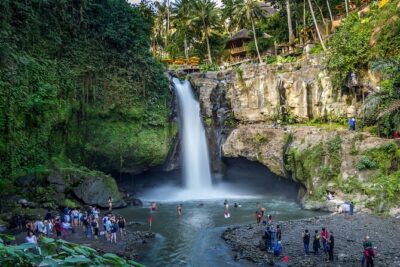 ★ 5.0Best of Ubud 1-Day Private TourFrom $544,451 reviews
 ★ 4.4Ubud Palace Legong Dance Show TicketFrom $63,979 reviews
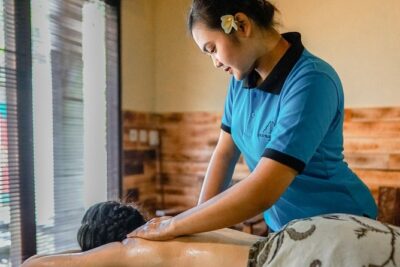 ★ 5.0Body Massage Experience in Ubud Traditional SpaFrom $213,506 reviews
 ★ 4.4Ubud Kecak and Fire Dance Show TicketsFrom $62,631 reviews
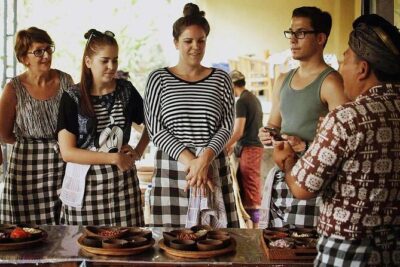 ★ 5.0Ubud Cooking Class Bali with Balinese ChefFrom $351,609 reviews
Browse the lists this tour appears in