
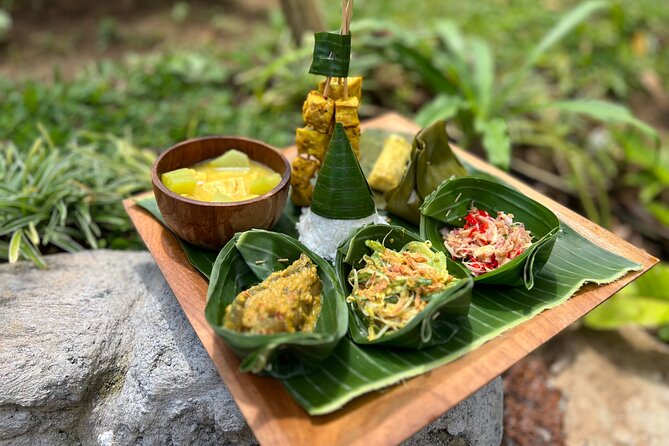
Reviewed · UBUD, MONKEY FOREST & CAMPUHAN
Balinese Authentic Cooking Class in Ubud
One of the best ways to understand Bali is to cook. In Ubud, this half-day class by Lesung Bali strings together market culture, a traditional home visit, and a farm-to-table cooking session.
You’ll spend about 5 hours in a small group (up to 15), with pickup and transfers handled for Ubud-area locations. The day runs on fresh ingredients and old-school techniques, including the famous spice pounding with a lesung.
What I especially like is the attention to technique and the culture stops that make the food make sense. I also like the way instructors such as Ron and Putri explain clearly and help you actually do the cooking, not just watch.
One thing to consider: the experience depends on good weather, and the afternoon/evening options skip the morning market stop that’s part of the morning schedule.
In This Review
- Key highlights worth planning around
- West Ubud countryside setting: why it feels different
- The itinerary that turns ingredients into flavor
- 1) Traditional market stop (only on the morning class)
- 2) A traditional Balinese house visit and coffee/tea
- 3) Farm exploration and spice harvesting
- Choosing your menu: regular, vegetarian, and vegan
- Hands-on Balinese cooking: the lesung makes it real
- What you eat and how the meal feels
- Transfers, timing, and what “included” really means
- Price and value: is $39.71 worth it?
- Weather and pace: the only real risk factor
- Who this class fits best
- Practical tips so your day goes smoothly
- Should you book this Balinese cooking class in Ubud?
- FAQ
- FAQ
- Is there a morning, afternoon, or evening option?
- Does the class include a market tour?
- What dietary options are available?
- How long is the experience?
- Is pickup included?
- How big is the group?
- What’s included in the price?
- What happens if weather is bad?
Key highlights worth planning around
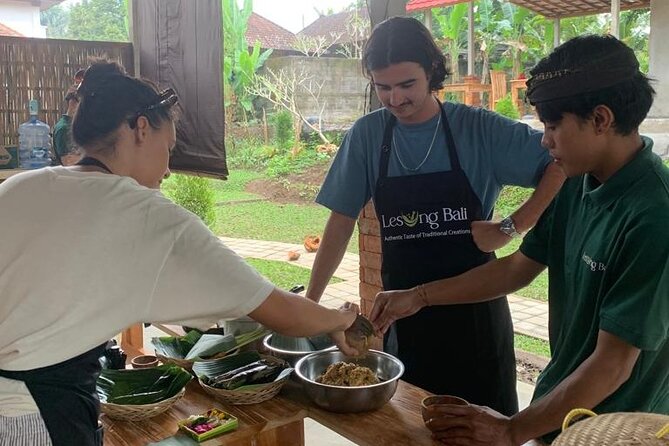
- Small group size (max 15) for more coaching while you chop, pound, and cook
- Three-part cultural route: traditional home + farm + food you can taste right away
- Morning option includes a market tour and buying spices locally
- Regular, vegetarian, and vegan menus you choose for your cooking session
- Lesung mortar-and-pestle technique for real Balinese spice flavor
- Lots of food at the end, so plan to come hungry
West Ubud countryside setting: why it feels different
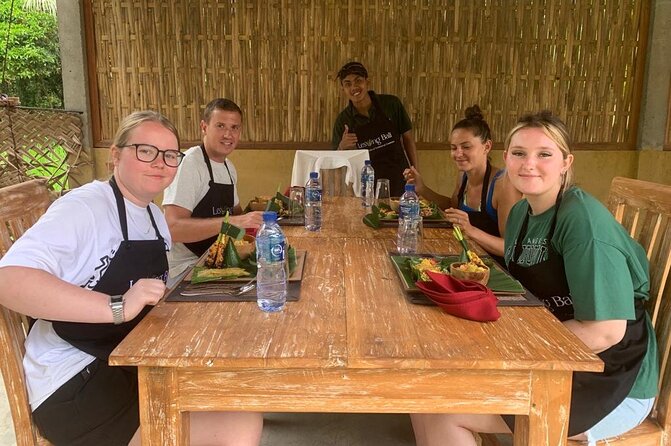
This class starts on the west side of Ubud, where the vibe is more countryside than city. Expect greenery around you and a slower pace that matches the kind of cooking you’re learning.
That matters. When your environment is calm, you can focus on the hands-on work: chopping, pounding spices, and learning how flavors build. Several instructors are known for teaching in a relaxed way, with enough time to ask questions without feeling rushed.
Also, the cooking space is set up for comfort and flow. You’re not sent out to cook in a random corner of someone’s kitchen. It’s organized, with the tools you need, so beginners aren’t stuck guessing what comes next.
More around Ubud, from the Monkey Forest to the Campuhan ridge



The itinerary that turns ingredients into flavor
This isn’t just a cooking demo. The order of stops helps your brain connect food to place.
1) Traditional market stop (only on the morning class)
If you book the morning option, you start with a traditional market tour. You’ll see ingredients up close and learn what spices and produce matter for Balinese cooking. You can even buy spices from the local market as part of this segment.
Why this is valuable: Balinese flavors are built from layered ingredients, not just one hot spice. Seeing produce and spices in real form helps you understand why the same dish can taste different when a key ingredient changes.
If you choose afternoon or evening, this market segment isn’t listed as part of your schedule, so the day starts later with the house and farm components instead.
2) A traditional Balinese house visit and coffee/tea
Next comes a visit to a local Balinese home. You’ll learn how the household is organized and how buildings are placed in the compound. You’ll also get a break with coffee or tea, often with snacks, while your guide explains everyday life and cultural context.
This is where the “why” clicks. Even if you only remember a few details, you start cooking with better context: spices, herbs, and rituals aren’t random. They’re part of a lived culture.
One small consideration: in some experiences you may view the home compound and grounds more than going room-to-room inside. If you’re hoping for a full interior tour, the information provided points more toward compound layout and daily life than guaranteed access to every room.
3) Farm exploration and spice harvesting
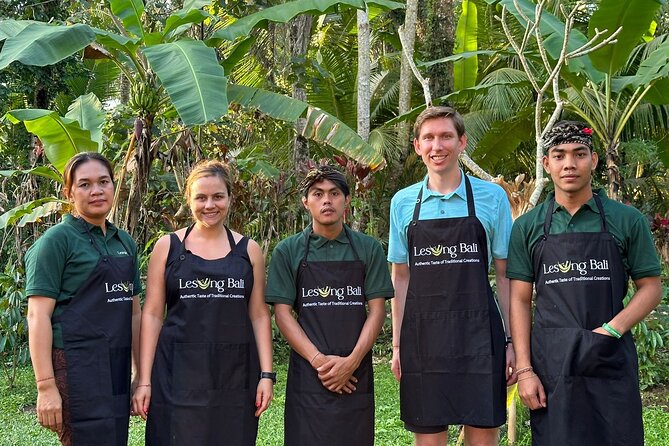
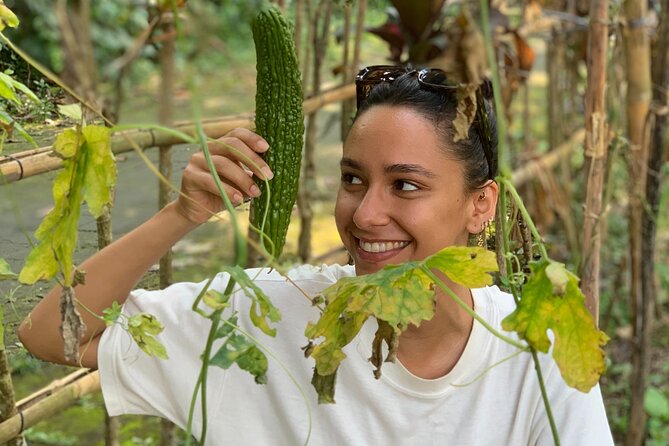
After the house visit, you head to the farm area to start the cooking program. You’ll explore the farm and harvest spices you’ll use in class.
This step is more than a photo opportunity. It helps you recognize plant forms—what you’re actually chopping later—and it reinforces the idea of fresh ingredients. Several people highlight how the setting is clean and peaceful, and how the farm visit makes the later cooking feel grounded.
If you’re a fan of flavors that taste like they were “meant” for the dish, this is one of the key reasons the class earns such high ratings.
More farm and village cooking classes

Choosing your menu: regular, vegetarian, and vegan
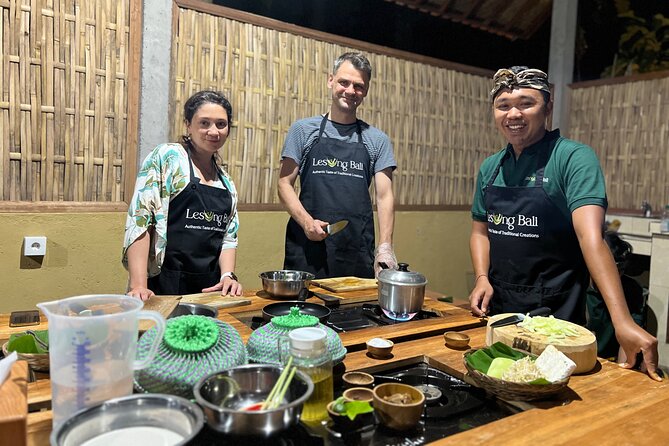
Before the cooking begins, you’ll decide on your menu option. You can choose regular, vegetarian, or vegan, depending on what’s available for your session.
This matters for two reasons:
1) You’ll cook a full meal, not just one adjustment.
2) The teaching stays relevant. Instead of swapping ingredients at the last second, you follow a plan that fits your dietary choice.
From the way the menus are described and how instructors teach, you can expect a variety of authentic Balinese dishes, with hands-on coaching throughout. Many classes in this format typically include multiple dishes and dessert, so you’ll likely end up eating quite a bit by the end.
Hands-on Balinese cooking: the lesung makes it real
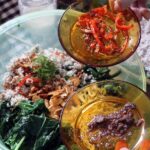
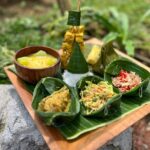
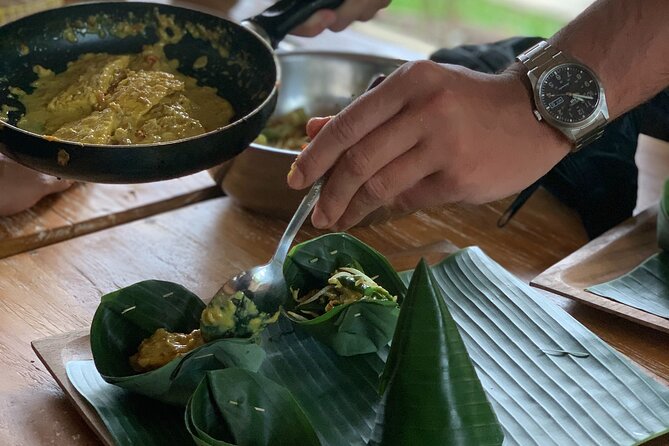
Here’s the part most people remember: the cooking itself. You’ll follow your chef’s guidance as you make dishes using fresh ingredients picked from the farm.
You’ll learn Balinese techniques, including:
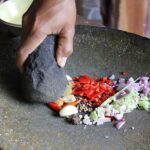
- Chopping and pounding spices
- Using a lesung (mortar and pestle) approach to break down aromatics the traditional way
- Working through quantities and ingredients based on your selected menu
The practical upside of learning this way: it changes how you think about seasoning. You start understanding that Balinese cooking often relies on blended spice pastes and layered flavors, not just sprinkling spices at the end.
If you’re worried you’re not a “real cook,” don’t overthink it. Multiple instructors are praised for being patient and clear, and for making the process comfortable even for people with limited cooking experience.
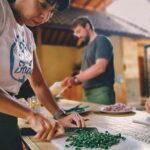
Also, you’ll get to do real tasks yourself. One common theme in feedback is that the class is hands-on rather than purely observational, with assistants helping so you can keep up without feeling lost.
What you eat and how the meal feels
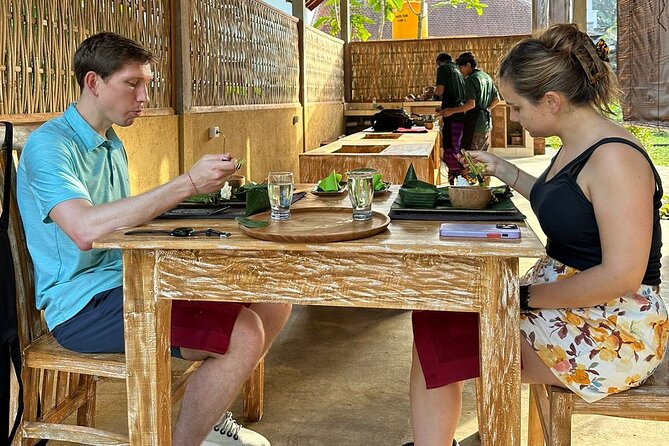
This isn’t a small tasting menu. You should plan for a full meal.
You’ll enjoy what you cook afterward, and you’ll likely also be served:
- coffee and/or tea
- mineral water
- Balinese cake
- and snacks during parts of the cultural route
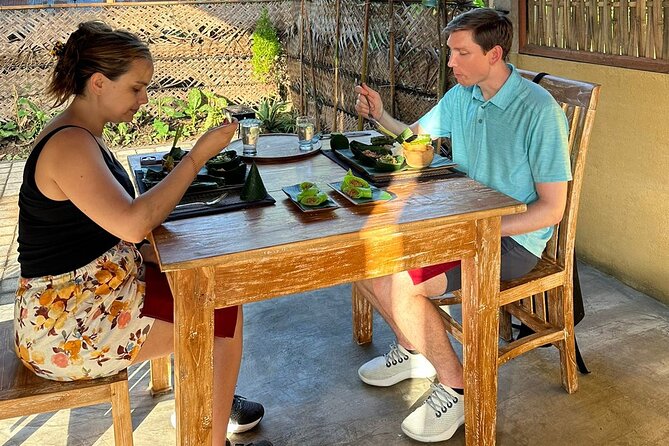
Some people specifically mention cooking around six dishes plus dessert in their sessions. Even if your exact count varies with your menu, the structure points to a satisfying final spread rather than a bite-sized plate.
The result: you leave full, with a better sense of how multiple dishes work together in a Balinese-style meal.
Transfers, timing, and what “included” really means
This experience includes practical basics that matter in Ubud.
Included:
- Air-conditioned vehicle
- mineral water
- coffee and/or tea
- Balinese cake
- all fees and taxes
- free shuttle service within the Ubud area only
- pickup offered (with the understanding that outside-Ubud locations cost extra)
Not included:
- pickup/drop-off outside of Ubud area
- extra transportation rates by area, listed as:
- Nusa Dua and Jimbaran: IDR 500,000 / car
- Uluwatu: IDR 550,000 / car
- Kuta, Seminyak, Sanur, Canggu: IDR 450,000 / car
Why this matters for value: Ubud traffic and short distances can still add up. The included shuttle inside Ubud keeps the experience simple. If you’re staying outside Ubud, check the extra car cost early so you’re not surprised later.
Duration is listed as about 5 hours, and morning/afternoon/evening options are available, so you can match it to your energy level.
Price and value: is $39.71 worth it?
At $39.71 per person, the price is strong for what you get.
You’re paying for:
- a guided cultural route (house + market on morning option)
- farm ingredient sourcing (harvesting spices)
- hands-on instruction plus cooking tools
- multiple dishes and a meal outcome
- beverages plus Balinese cake
- an air-conditioned transfer setup
In other words, you’re not just buying recipes. You’re buying time with teachers, ingredient context, and a full meal you didn’t have to plan or shop for yourself.
If you compare it to doing a cooking class plus separate market tour plus a guided food experience, this price feels efficient—especially with small-group size capped at 15.
Weather and pace: the only real risk factor
This experience requires good weather. If it’s canceled due to poor weather, you’ll be offered another date or a full refund.
A weather-dependent outdoor farm component is the main reason. If you plan this on a tight schedule, try not to make it your only option for a day where rain is unpredictable.
Pace is generally described as relaxed rather than rushed. Some people enjoy that slow rhythm because it gives time for questions and for learning technique, not just completing tasks.
Who this class fits best
This tour fits best if you want more than a menu and a photo.
It’s a great fit for:
- food lovers who want to cook with real ingredients and real technique
- beginners who want step-by-step help
- couples or solo travelers who appreciate a small group (max 15)
- anyone who cares about vegetarian or vegan options and still wants authentic dishes
If you only want a quick, entertainment-style cooking show, this may feel too “hands-on” and structured. But if you like learning and eating what you make, it’s exactly the right match.
Practical tips so your day goes smoothly
A few things to keep in mind before you go:
- Come hungry. The meal is substantial, and you’ll be eating what you cook.
- Expect spice prep work. Even when it’s guided, you’ll be chopping and pounding, so keep your hands happy and your patience on.
- Bring questions. The instruction is where the value lives, and you’ll get the most out of it by asking what substitutions mean in Balinese cooking.
- Choose the right time of day. If the market tour is important to you, book the morning class, since that’s the schedule that includes the traditional market segment.
- If you’re outside Ubud, check the transportation costs for your area ahead of time.
Should you book this Balinese cooking class in Ubud?
I’d book this if you want an experience that connects Balinese cooking to the place it comes from—market ingredients, a traditional home visit, and a farm where the spices you use come from.
It’s especially worth it if you:
- want small-group personal attention
- care about vegetarian or vegan menus that are planned, not patched together
- enjoy learning technique like lesung spice pounding instead of just following recipes
Skip it only if you’re short on time and need something lighter than a full half-day meal-and-learning session, or if you’re booking during a period when weather cancellations would be a problem.
FAQ
FAQ
Is there a morning, afternoon, or evening option?
Yes. You can choose morning, afternoon, or evening classes.
Does the class include a market tour?
The traditional market tour is included for the morning class only.
What dietary options are available?
You can choose regular, vegetarian, or vegan options.
How long is the experience?
It runs about 5 hours (approx.).
Is pickup included?
Pickup is offered, and there’s a free shuttle service within the Ubud area only. Extra transportation is listed for areas outside Ubud.
How big is the group?
The group size has a maximum of 15 travelers.
What’s included in the price?
Included items are coffee and/or tea, mineral water, air-conditioned vehicle, Balinese cake, all fees and taxes, and the free shuttle service within Ubud.
What happens if weather is bad?
The experience requires good weather. If it’s canceled due to poor weather, you’ll be offered a different date or a full refund.
More Bali Reviews & Picks


More Farm & Village Cooking
More Around Ubud & the Monkey Forest
Still deciding? More Bali days reviewed, from volcano sunrises to island crossings










Ubud, Monkey Forest & Campuhan, compared.
 ★ 5.0All-Inclusive Ubud Private TourFrom $10014,344 reviews
 ★ 5.0Best of Ubud Full-Day Tour with Jungle SwingFrom $568,571 reviews
 ★ 5.0Ubud: Monkey Forest, Jungle Swing, Rice Terrace, and Water TempleFrom $317,160 reviews
 ★ 5.0Best of Ubud 1-Day Private TourFrom $544,451 reviews
 ★ 4.4Ubud Palace Legong Dance Show TicketFrom $63,979 reviews
 ★ 5.0Body Massage Experience in Ubud Traditional SpaFrom $213,506 reviews
 ★ 4.4Ubud Kecak and Fire Dance Show TicketsFrom $62,631 reviews
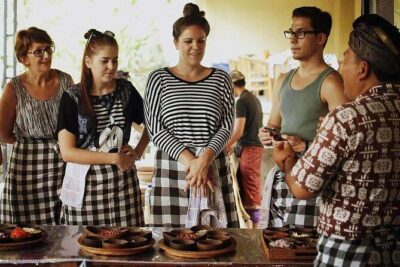 ★ 5.0Ubud Cooking Class Bali with Balinese ChefFrom $351,609 reviews
Browse the lists this tour appears in