
Reviewed · UBUD, MONKEY FOREST & CAMPUHAN
Ubud Arts & Crafts Tour
Jewelry and masks in one tight morning. This Ubud arts and crafts tour mixes Celuk’s gold-and-silver workshops, Mas woodcarving, and Ubud’s art shops so you get a fast, structured look at Bali’s creative side. It runs about four hours with a coach ride and a guide to connect the dots.
I love how the tour slows down for real craft work—watching makers at goldsmith and woodcarving centers, not just browsing from a distance. I also like the pacing and group setup: a maximum of 15 people, which makes it easier to ask questions as you move between stops.
One possible drawback: you will spend time in higher-end shops and galleries, where prices can be steeper than what you’ll find elsewhere in Bali. If you shop with a strict budget, plan to compare before you buy.
In This Review
- Quick takeaways
- Why Celuk, Mas, and Ubud Work as One Craft Route
- Price and Logistics: What You’re Really Paying For
- Pickup, Timing, and the Pace of a 4-Hour Morning
- Stop 1: Celuk Village and the Gold-Silver Jewelry Workshops
- Stop 2: Mas Carving Center, Hand Work, and Dance-Mask Detail
- Stop 3: Ubud Art Market and the Traditional-to-Contemporary Mix
- Shopping Smart: What to Expect When the Tour Hits Higher-End Stores
- Who This Tour Suits Best (and Who Might Skip It)
- Practical Tips to Get More Out of It
- Should You Book This Ubud Arts & Crafts Tour?
- FAQ
- How long is the Ubud arts and crafts tour?
- How much does the tour cost?
- What areas are pickup and drop-off offered from?
- Where does the tour visit during the experience?
- Is admission included?
- Is food or drinks included?
- What time does the tour start?
- What is the maximum group size?
- Does it include a mobile ticket?
- Can I cancel for a full refund?
Quick takeaways
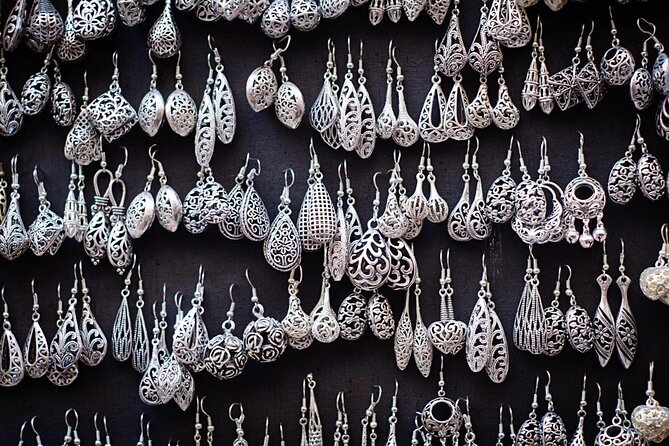
- Celuk is all about gold and silver: watch jewelry craft in working workshops and galleries.
- Mas focuses on hand-carved detail: naturalistic forms, Hindu myth characters, and dance masks.
- Ubud adds the art-gallery angle: traditional and contemporary paintings in a high-quality stop.
- You get guided context: the tour explains what makes Balinese art distinctive, not just what’s on display.
- Small group format: up to 15 travelers, plus group discounts.
Why Celuk, Mas, and Ubud Work as One Craft Route
If you only hit one place for shopping in Bali, you can end up seeing “stuff” without learning why it looks the way it does. This route fixes that by pairing three very different craft worlds in one morning: jewelry making, wood carving, then the art and gallery scene in Ubud.
Celuk and Mas give you the production end of the story—workshops, tools, and traditional forms. Then Ubud shifts the lens to where finished pieces get presented, priced, and collected. The best value here is not buying something fast. It’s understanding what you’re looking at while your guide puts it into words.
More around Ubud, from the Monkey Forest to the Campuhan ridge



Price and Logistics: What You’re Really Paying For
At $50 per person for about four hours, this tour isn’t trying to be a bargain-basement shopping trip. The value comes from several built-in things at once: hotel pickup and drop-off by coach from major areas, a guide, and admission tickets at each stop.
That “tickets included” detail matters. When you’re paying separately for entry fees and transport on your own, the math gets less friendly. Here, the schedule does some of the organizing for you, so you can focus on seeing the craft work and not negotiating your way between villages.
A quick heads-up: food and drinks are not included. That means you’ll want to plan for an early lunch or a late snack on your own after the tour ends.
Pickup, Timing, and the Pace of a 4-Hour Morning
The tour starts at 8:30 am. Pickup is offered from major hotels in Kuta, Seminyak, Sanur, Jimbaran, and the Nusa Dua area, so you don’t need to coordinate your own rides to reach the craft villages.
The day is designed to feel structured: three main stops, each about an hour. That makes it a good fit if you want a craft hit without losing your whole day. The downside is also simple: you won’t have hours and hours to wander slowly, compare dozens of stalls, or sit through every workshop you pass. If you’re the type who likes to browse without pressure, you’ll still get time to look—but you’ll be moving on schedule.
Also note the group size: it caps at 15 travelers. That’s big enough to feel lively, but small enough to keep the guide’s attention from disappearing into the crowd.
Stop 1: Celuk Village and the Gold-Silver Jewelry Workshops
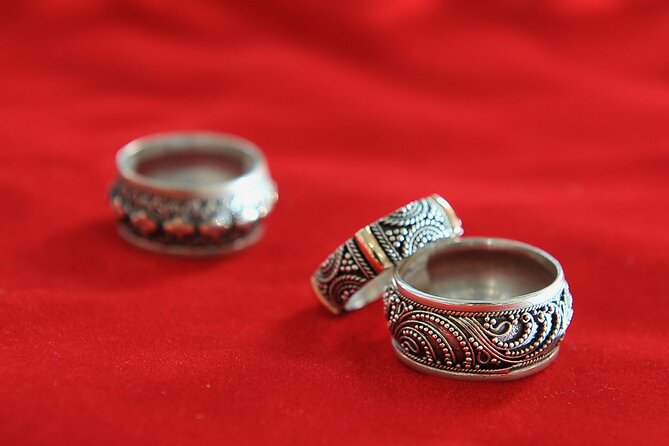
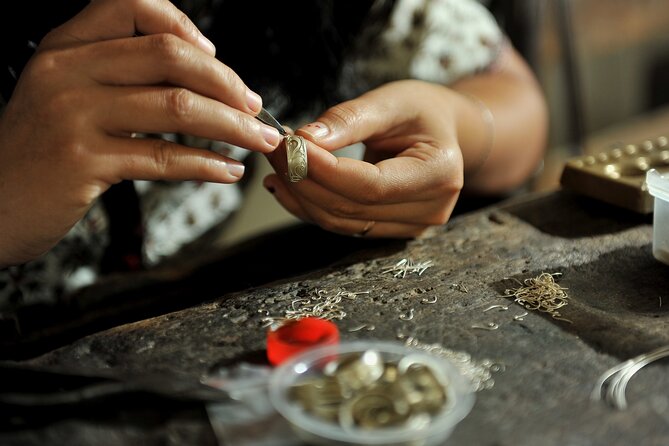
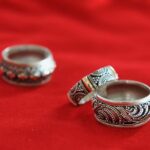
Celuk is the jewelry-making heart of the route. You’ll go to workshops and galleries where silversmiths and goldsmiths work on intricate pieces. What makes this stop more interesting than a jewelry store is that you’re seeing the process while a guide explains what you’re watching.
In Celuk, the craft work tends to be detailed and hands-on: rings, brooches, and other pieces are made through many steps, often tied to family trades and the local cottage industry model. The guide’s role here is important because it turns the visuals into meaning—why certain designs are recognizable, and how the work progresses from raw materials to finished jewelry.
One thing to keep in mind: this is also a shopping-oriented environment. That’s not automatically bad, but it does change the mood. You’ll likely see higher-end displays alongside the working craft side, so if your goal is strictly to admire the craft and take photos, be prepared for a bit of sales energy in the background.
Stop 2: Mas Carving Center, Hand Work, and Dance-Mask Detail
Mas is where you trade metal for wood. This village is known for a distinctive woodcarving style, and the big idea is the naturalistic forms and character work tied to Hindu mythology. It’s not only about making shapes; it’s about making stories in wood.
A strong part of this stop is the chance to meet local woodcarvers and see carving done by hand. You’ll hear about the history of woodcarving on the island, then watch how carvers translate designs into pieces—especially items like masks used in traditional dance performances.
If you usually think of souvenirs as generic, Mas is the place that helps you notice the difference. The details matter here: the patterns, the facial expressions, the way myth characters get portrayed, and the way natural design elements show up in the carving style.
Possible drawback: because this is still a craft-and-selling stop, you may see finished masks and carvings sold for prices that reflect style and workmanship. If you’re shopping, don’t rush. Ask questions about what you’re looking at (at least at a basic level) and compare calmly.



Stop 3: Ubud Art Market and the Traditional-to-Contemporary Mix
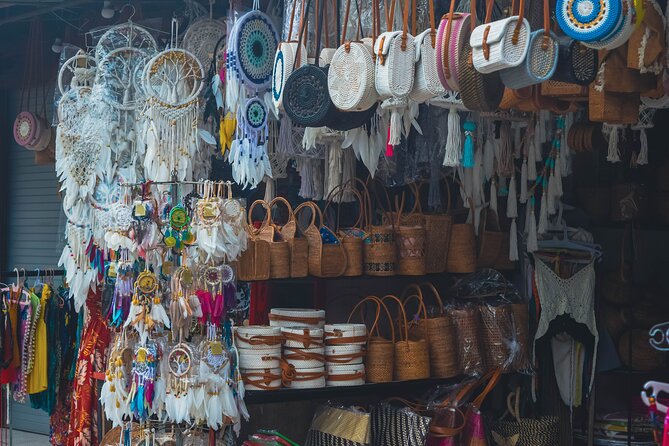
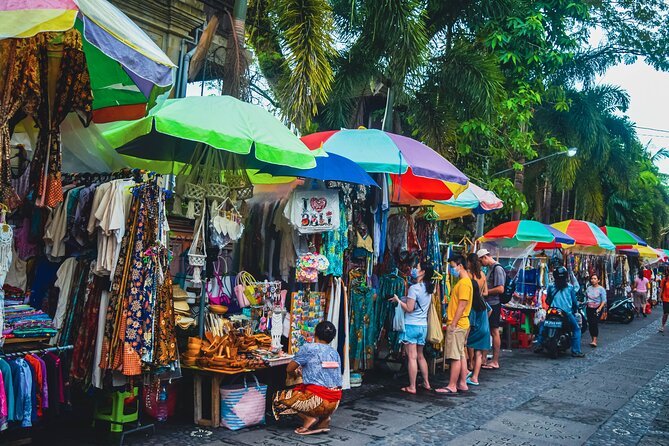
After Celuk and Mas, Ubud changes the feel. This is where the tour shifts from craft production to the presentation of finished art—paintings, galleries, and shops where local artists and international painters also work.
You’ll spend about an hour in Ubud’s art-focused area with your guide visiting a higher-quality shop. Since Ubud has many galleries and stores, the guide’s framing helps you sort through what’s traditional versus what’s more contemporary. You get a chance to see Balinese paintings and art in different styles rather than just one “type” of souvenir.
This is also the stop where the tour delivers on one subtle promise: it doesn’t just point at objects. It explains what makes Balinese art distinctive. That matters if you want to bring home something beyond “pretty decoration.” Even if you don’t buy, you’ll likely leave with a better eye for details like subject matter, color choices, and the overall look of the artwork.
Shopping Smart: What to Expect When the Tour Hits Higher-End Stores
Here’s the honest tradeoff. This tour includes visits that lean toward higher-quality shops and galleries. That’s good if you want a smoother experience and help learning what you’re seeing. But if you’re chasing the lowest price, you should plan on comparing.
One practical strategy: treat the tour stops as your “learning + shortlist” phase. If you find a piece you love, note what it costs and what it is (materials, style, and artist/piece details if available). Then, if you’re willing to do your own shopping afterward, check similar items in other busy areas like Legian or Kuta for comparison.
Also, remember that handmade work can mean price differences are real—not just because one shop is more expensive. The tour’s value is that you’re better prepared to tell the difference between basic mass-produced items and pieces that reflect skill and tradition.
Who This Tour Suits Best (and Who Might Skip It)
This is a great fit if you:
- like art and want to see craft making up close, not just buy at the end
- want a compact 4-hour plan that covers Celuk jewelry, Mas carving, and Ubud galleries
- enjoy guided explanations that help you recognize traditional styles versus contemporary takes
You might consider another option if you:
- mostly want beach time or zero shopping pressure
- hate structured schedules and prefer roaming freely without a coach timetable
- only want one category (say, only painting or only jewelry) and would rather spend longer in a single neighborhood
Practical Tips to Get More Out of It
Because you’re visiting workshops and an art market in a single morning, your best tool is attention. Look closely at the steps involved in crafting jewelry and carving wood. In workshops like Celuk and Mas, the most meaningful souvenirs can be your understanding and your photo notes, not always the purchase.
Since food and drinks aren’t included, plan your timing so you’re not stuck hungry while you’re deciding what to buy. If you want lunch afterward, you’ll do best by treating this tour as a morning block that ends with time to eat on your own.
Finally, be ready for a mix of markets, shops, and workshops. The “craft watching” side is real, but the “browse and buy” side is also part of the experience.
Should You Book This Ubud Arts & Crafts Tour?
I’d book it if your idea of a good Bali day is learning how art gets made, then seeing how it gets sold and displayed in Ubud. For $50, the included pickup, guide, and admission tickets make it a solid value if you don’t want to map out transport and entrances yourself. The small group limit is also a real plus if you like to ask questions.
Skip it or compare carefully if you’re price focused and expect to bargain hard for the best deals. Since the tour stops include higher-end shop time, your satisfaction will depend on whether you treat the trip as a guided craft education first—and a shopping plan second.
In short: if you want to go beyond souvenirs and see the craft logic behind what you’re buying, this route is a smart choice.
FAQ
How long is the Ubud arts and crafts tour?
The tour runs for about 4 hours.
How much does the tour cost?
It costs $50.00 per person.
What areas are pickup and drop-off offered from?
Pickup and drop-off are offered from major hotels in Kuta, Seminyak, Sanur, Jimbaran, and the Nusa Dua area.
Where does the tour visit during the experience?
You visit Celuk Village for gold and silver work, Mas for woodcarving, and Ubud for art shops and galleries.
Is admission included?
Yes. Admission tickets are included for the stops.
Is food or drinks included?
No. Food and drinks are not included.
What time does the tour start?
The start time is 8:30 am.
What is the maximum group size?
The tour has a maximum of 15 travelers.
Does it include a mobile ticket?
Yes, a mobile ticket is included.
Can I cancel for a full refund?
Yes, with free cancellation. You can cancel up to 24 hours in advance for a full refund. If you cancel less than 24 hours before the start time, the amount paid is not refunded.
More Bali Tour Picks



More Bali Reviews & Picks
More Around Ubud & the Monkey Forest
Still deciding? More Bali days reviewed, from volcano sunrises to island crossings







Ubud, Monkey Forest & Campuhan, compared.
 ★ 5.0All-Inclusive Ubud Private TourFrom $10014,344 reviews
 ★ 5.0Best of Ubud Full-Day Tour with Jungle SwingFrom $568,571 reviews
 ★ 5.0Ubud: Monkey Forest, Jungle Swing, Rice Terrace, and Water TempleFrom $317,160 reviews
 ★ 5.0Best of Ubud 1-Day Private TourFrom $544,451 reviews
 ★ 4.4Ubud Palace Legong Dance Show TicketFrom $63,979 reviews
 ★ 5.0Body Massage Experience in Ubud Traditional SpaFrom $213,506 reviews
 ★ 4.4Ubud Kecak and Fire Dance Show TicketsFrom $62,631 reviews
 ★ 5.0Ubud Cooking Class Bali with Balinese ChefFrom $351,609 reviews