
Reviewed · UBUD, MONKEY FOREST & CAMPUHAN
Balinese Ubud cooking school (9 Dish Cooking and Market Tour)
This is one of the few cooking classes in Bali where you actually eat what you made. In Ubud, the Balinese Ubud cooking school pairs a morning market tour with hands-on cooking of nine dishes, plus recipe copies you can bring home. I love that the menu goes well beyond the usual 2–4 dishes, and I love that you can choose regular or vegetarian without getting a watered-down version. One possible snag: pickup is only arranged in the Ubud area, so if you’re staying farther out, you’ll likely deal with extra transport charges.
The timing is about 5 hours, and it’s run like a smooth, family-style operation: guides and kitchen staff keep things moving, and the pace stays friendly even if you’ve never cooked Balinese food before. You’ll get a full day of food culture for $58, not just a quick cooking demo with a snack.
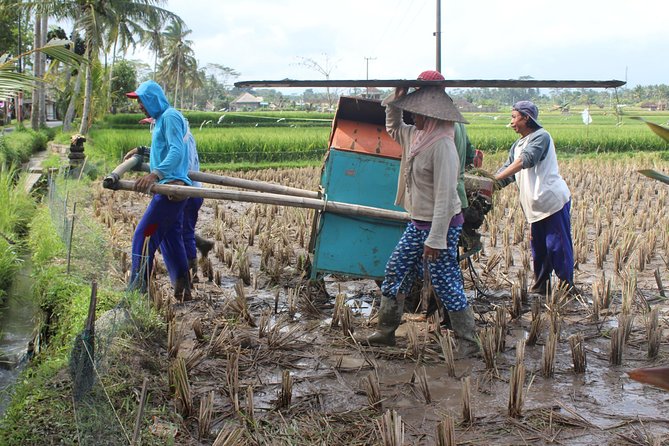
If you pick the morning option, expect local sights before the stove time. You’ll start near Ubud Palace, visit a traditional market, see rice paddies in the morning program, and then cook with Balinese chefs using equipment and ingredients that are hard to recreate at home. Bring a camera and wear comfy clothes you don’t mind getting a little food-splashed.
In This Review
- Key takeaways before you go
- Why this Ubud cooking class works (and most don’t)
- The morning market + rice paddies stops: what you’re really learning
- Inside the kitchen: how nine dishes are taught without chaos
- What hands-on feels like here
- The team dynamic
- Menu breakdown: what you’ll cook, and how regular vs vegetarian stays balanced
- Regular menu includes
- Vegetarian menu swaps in the same spirit
- The food ritual: tasting, then lunch (or dinner) with what you made
- Price and logistics: is $58 actually good value?
- One thing to watch: where your pickup ends
- What to bring (and why)
- Who should book this, and who might skip
- Should you book the 9-Dish Ubud class?
- FAQ
- How long is the cooking class?
- Is pickup included?
- Do I need to choose regular or vegetarian?
- What’s included besides cooking?
- Is the market visit included, and when does it happen?
- How many dishes will I make?
- What food will I get at the meal?
- What drinks are included?
- What’s the group size limit?
Key takeaways before you go
- Nine dishes, not three: you’ll learn enough technique to cook a whole Balinese-style meal later.
- Morning market stop is part of the deal: you’ll see how people buy spices, fruits, and ingredients.
- Rice paddies add real context: you’ll learn how rice is grown and harvested in Bali.
- Regular or vegetarian menus: your class still hits the same core flavor ideas and dishes.
- Small group size: max 14 travelers, which keeps your station time practical.
- Recipe copies to take away: you leave with a cooking roadmap, not just memories.
Why this Ubud cooking class works (and most don’t)
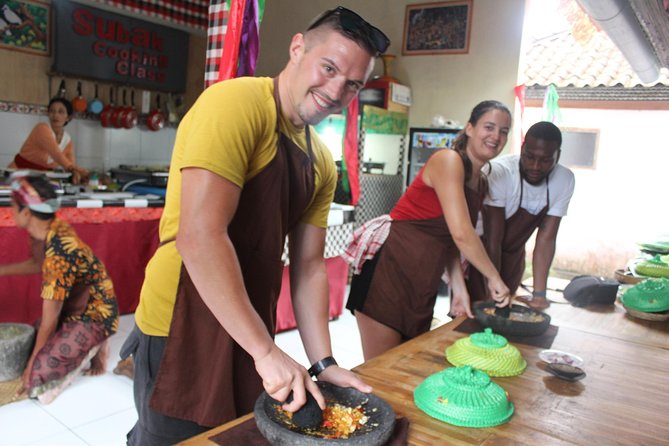
Cooking classes often promise authenticity, then deliver a quick lesson with a couple of safe dishes. This one is built around volume and process. You’re taught step-by-step by Balinese chefs while you cook at your own station, and the big payoff is that you’re making enough food to feel like you really cooked a meal, not just a tasting course.
What also helps is the way the day is structured. You don’t jump straight to chopping and frying. The class pulls you toward the reasons Balinese food tastes the way it does—spices sold in local markets, rice as a foundation ingredient, and the practical rhythms of home cooking. That context matters when you try these recipes later, because you understand what you’re aiming for, not just what goes into the pan.
The overall vibe is also relaxed. People laugh, the staff help constantly, and you’re not left standing around waiting for someone to translate a complicated menu. One more plus: it’s a mobile ticket experience, so once you’ve booked, you’re not scrambling with paperwork.
More around Ubud, from the Monkey Forest to the Campuhan ridge



The morning market + rice paddies stops: what you’re really learning
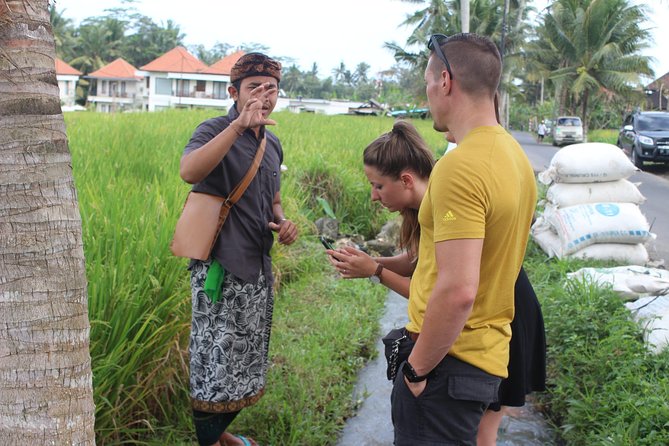
If you choose the morning tour, you get two culture-heavy pre-cooking stops. First comes a traditional market with a guide who shows you how ingredients are sold and used. Second comes a visit to rice paddies, where you learn about rice types and harvesting timing.
Here’s why these stops make the cooking part easier:
You learn what ingredients look like in real life.
Balinese recipes rely on fresh produce, spice blends, and specific preparations. Seeing items at the market helps you later when you’re trying to replace them at home. You’ll also notice that the market isn’t just where people buy food—it’s where people decide what’s fresh and what’s worth using today.
You get the rice context that Balinese food assumes.
Most meals in the menu are served with white rice, but this class gives you the origin story: how rice is grown in Bali, how many kinds you’ll find, and the harvest timing. Even if you never grow rice yourself, it helps you understand why rice is treated like a constant companion, not an afterthought.
You taste what you can’t guess from a recipe.
Food tasting is included, and the market stop is a great place to try fruits and sweets you might never see at home. That matters because Balinese flavor can be a mix of savory, aromatic, and lightly sweet notes—especially when you’re making things like palm-sugar desserts.
One practical note: the traditional market visit is for the morning class only. If you’re aiming for that market experience, don’t choose the afternoon option.
Inside the kitchen: how nine dishes are taught without chaos
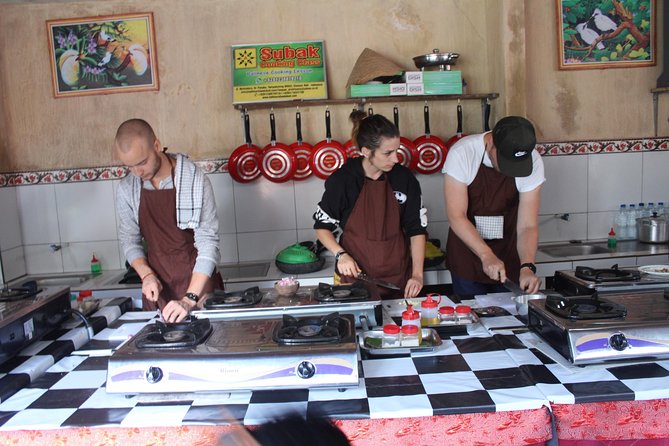
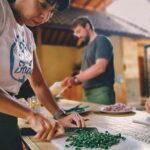
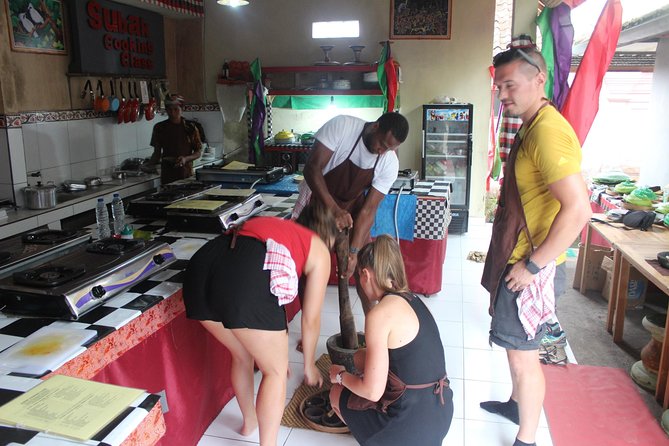
The cooking school experience is set up so you can actually keep up. You’re guided step by step by a Balinese chef, and the kitchen team supports with prep and help so you’re not stuck figuring things out alone.
The best part is the sheer number of dishes. You’ll work through soups, proteins, spice-based sides, sambal-style raw chili blends, spice paste basics, and a dessert. That spread is useful because Balinese cooking isn’t one technique—it’s a set of techniques that repeat in different combinations. By the end, you’ll have practiced a real mini curriculum.
What hands-on feels like here
This isn’t a lecture. You’re in the action making dishes and learning how to put spice and aromatics together. Some ingredients may be easier because equipment and supplies are provided, and you’re not starting from scratch. But the structure stays practical: you’ll cook with guidance rather than being thrown into the deep end.
The team dynamic
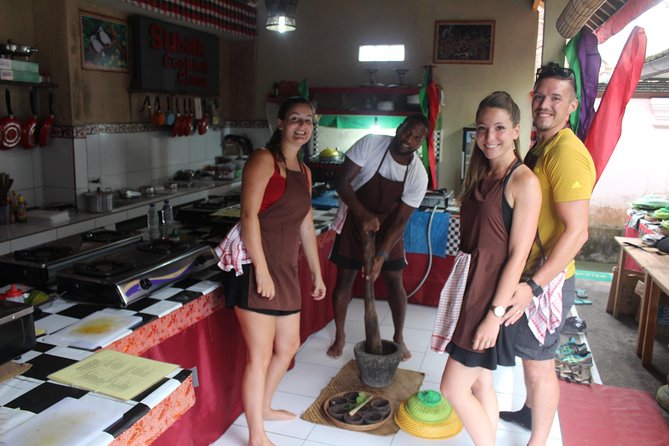
Small-group format helps. With a max group size of 14 travelers, you’re less likely to get stuck waiting your turn at shared stations. And the staff are part of the experience, not background noise—people often mention friendly, funny hosts and clear instruction. You may meet instructors like Yogi or Tata depending on the day, and the operation is led by the team connected with Wayan Aris.
More farm and village cooking classes

Menu breakdown: what you’ll cook, and how regular vs vegetarian stays balanced
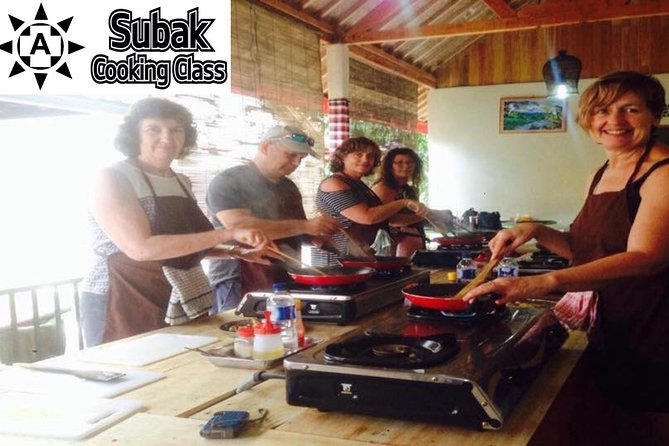
Your experience centers on making at least nine recipes. You can pick regular or vegetarian when booking, and the structure stays similar across both menus.
Regular menu includes
- Soup Sayur Bali (Balinese vegetable soup)
- Ayam santan Bumbu Bali (Balinese fried chicken with coconut milk)
- Tempe Manis (sweet fried tempe)
- Sate Lilit Bali (Balinese chicken satay)
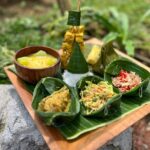
- Pepes Ayam (grilled and steamed chicken in banana leaf)
- Lawar Bali (mix vegetable with Balinese spices)
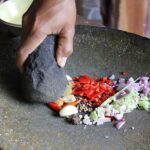
- Sambal Matah (raw spices with coconut oil)
- Base Gede (basic spice paste)
- Klepon Cake (sticky flour dumplings with palm sugar)
All main courses are served with white rice.
Vegetarian menu swaps in the same spirit
- Soup Sayur Bali
- Tofu Bumbu Bali (fried tofu with basic sauce)
- Tempe Manis
- Sate Tempeh (soybean cake skewer with peanut sauce)
- Pepes Tofu (grilled or steamed tofu in banana leaf)
- Lawar Bali
- Sambal Matah
- Base Gede
- Klepon Cake
If you pick vegetarian, you’re not just eating sides. You still build the core flavor foundation—especially with Base Gede, Sambal Matah, and the dessert—so your final meal tastes like a complete Balinese menu.
The food ritual: tasting, then lunch (or dinner) with what you made
Expect built-in moments to eat along the way. Food tasting is included, and the class meal is a lunch or dinner buffet depending on your timing.
This is more than a reward. Tasting during the day helps you connect instruction to outcome. When you taste what you’re making, you learn how salt, spice, coconut, and fresh aromatics interact in Balinese food.
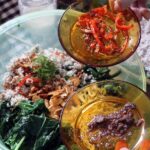
Then you sit down to eat what you cooked. The menu is designed to feel complete: soup for the start, savory mains and spice pastes, sambal for fresh heat, rice as the base, and the chewy-sweet klepon to finish.
You’ll also have the option to take food with you if you can’t finish everything, which is handy because nine dishes can create a serious amount of lunch.
Price and logistics: is $58 actually good value?
$58 for about 5 hours is a strong deal when you look at what’s included. You’re paying for:
- Pickup and drop-off within Ubud area only
- Kitchen equipment and ingredients
- Recipe copies to take away
- Food tasting
- Rice paddies visit (morning option)
- Traditional market (morning only)
- A local guide/host
- Lunch or dinner buffet featuring your dishes
Most classes you’ll see in tourist areas focus on a handful of dishes and leave you with less cultural context. Here, the value is in the combination of market + rice fields + nine recipes + meals + take-home recipes. You’re basically buying a half-day food education you can reproduce.
One thing to watch: where your pickup ends
Pickup is included only for the Ubud area. If you’re outside Ubud, there are additional charges. The organizer asks you to bring cash for any extra transport costs in that situation.
What to bring (and why)
- Camera: you’re visiting market and rice paddies, and you’ll want to remember the ingredient sights.
- Something comfy: you’ll be moving between stops and standing at a kitchen station.
- Cash if you’re staying outside Ubud: it saves time.
Who should book this, and who might skip
This is ideal if you:
- Want real Balinese cooking skills, not just a fun food afternoon
- Prefer structured guidance over guesswork
- Like market culture and ingredient shopping, not only frying and chopping
- Need a vegetarian option that still feels like a full cooking experience
You might consider a different activity if:
- Your main goal is hands-on speed and total independence (this is guided, and the pace is organized for the group)
- You’re staying outside Ubud and don’t want to deal with potential transport add-ons
The class also works well for couples and small groups because the max size keeps the day personal without turning it into a private production.
Should you book the 9-Dish Ubud class?
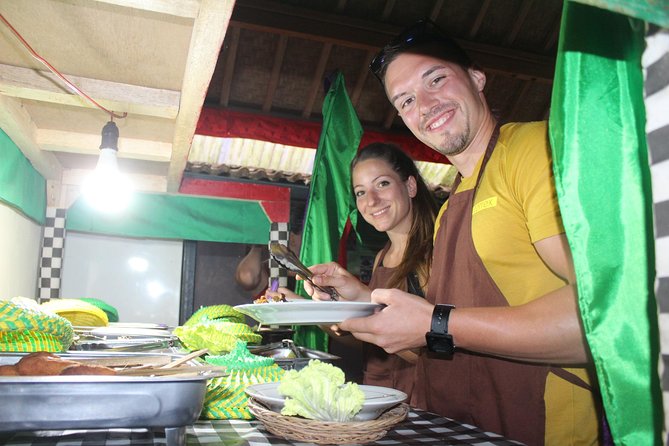
If you want a single Bali experience that gives you both cultural context and real cooking practice, I’d book it. Nine dishes is the big hook, but the market and rice paddies are what make the recipes stick in your brain and on your stove later.
Pick the morning option if you care about the traditional market and rice fields. Choose regular or vegetarian based on your preference, then go hungry and ready to cook your way through a full Balinese-style meal.
One last quick tip: show up ready to taste, ask questions, and take notes on the flavors you like. The recipe copies help, but your memory of how sambal, spice paste, and coconut balance is what makes these dishes work at home.
FAQ
How long is the cooking class?
It runs for approximately 5 hours.
Is pickup included?
Pickup and drop-off are included for the Ubud area only. If you stay outside Ubud, additional charges may apply.
Do I need to choose regular or vegetarian?
Yes. You’ll need to choose regular or vegetarian for the menu.
What’s included besides cooking?
The price includes bottled water, food tasting, lunch or dinner buffet, recipe copies to take away, kitchen equipment, and guides/hosts. The morning option also includes the market and rice paddies visit.
Is the market visit included, and when does it happen?
The traditional market visit is included for the morning class only.
How many dishes will I make?
You’ll prepare at least nine Balinese recipes.
What food will I get at the meal?
Your class meal is a lunch or dinner buffet made from the dishes you cook. Main courses are served with white rice. A dessert is also included (klepon).
What drinks are included?
Alcoholic drinks are not included. Mineral water is included.
What’s the group size limit?
The experience has a maximum of 14 travelers.
More Bali Reviews & Picks


More Farm & Village Cooking
More Around Ubud & the Monkey Forest
Still deciding? More Bali days reviewed, from volcano sunrises to island crossings











Ubud, Monkey Forest & Campuhan, compared.
 ★ 5.0All-Inclusive Ubud Private TourFrom $10014,344 reviews
 ★ 5.0Best of Ubud Full-Day Tour with Jungle SwingFrom $568,571 reviews
 ★ 5.0Ubud: Monkey Forest, Jungle Swing, Rice Terrace, and Water TempleFrom $317,160 reviews
 ★ 5.0Best of Ubud 1-Day Private TourFrom $544,451 reviews
 ★ 4.4Ubud Palace Legong Dance Show TicketFrom $63,979 reviews
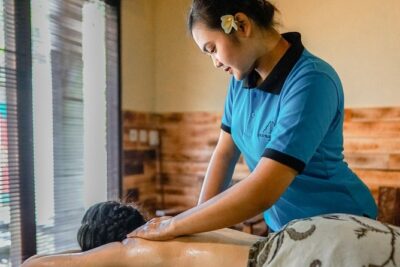 ★ 5.0Body Massage Experience in Ubud Traditional SpaFrom $213,506 reviews
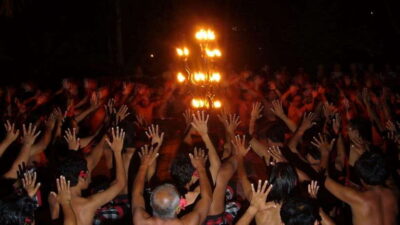 ★ 4.4Ubud Kecak and Fire Dance Show TicketsFrom $62,631 reviews
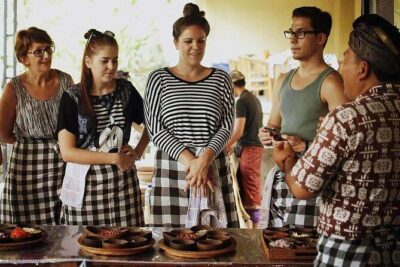 ★ 5.0Ubud Cooking Class Bali with Balinese ChefFrom $351,609 reviews
Browse the lists this tour appears in