Reviewed · BALI
Day with a Balinese Family in a Village
A village day in Bali, not a show. This small-group visit with a Balinese family lets you see everyday life close up, from rice work to coconut oil to the handmade offerings used in daily worship.
I love the hands-on parts—especially making offerings and learning how coconut oil is produced—and I also like the home-cooked meal that’s prepared over a wood fire, plus homemade coffee. One thing to consider: it’s a 6-hour morning that includes walking outside, so plan for heat and comfortable shoes rather than expecting a sit-down experience the whole time.
In This Review
- Key moments that make this Ubud-area village day work
- Why a Balinese family visit feels different from a typical tour
- Pickup at 8:30 and how the day actually flows
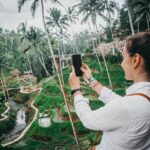
- Rice fields walk near Ubud: watch how rice is grown day to day
- Coconut oil production: learn a skill with everyday uses
- Lunch at the family home: wood-fire cuisine and real hospitality
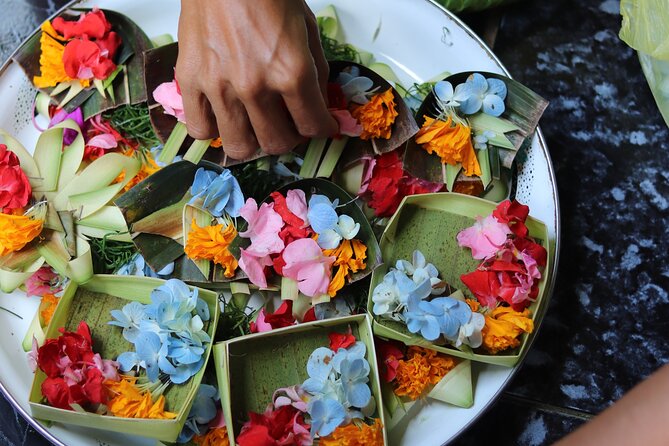
- Balinese offerings: you’ll make them, then learn the meaning
- Coffee and conversation: why the relaxed timing is a feature
- Price and value: what you’re really paying for
- Guide and driver impact: when language and humor make the day easier
- Who this suits best (and who might want a different format)
- A realistic consideration: outdoor time and a morning start
- Should you book this Balinese family day near Ubud?
- FAQ
- How long is the Balinese family village day near Ubud?
- What time does the tour start, and where do I meet?
- What’s included in the price?
- Is the admission ticket included?
- What language options are available with the guide?
- How big is the group?
- What should I plan for regarding tipping and cancellation?
Key moments that make this Ubud-area village day work
- Small group (max 5 travelers) means more questions and less waiting
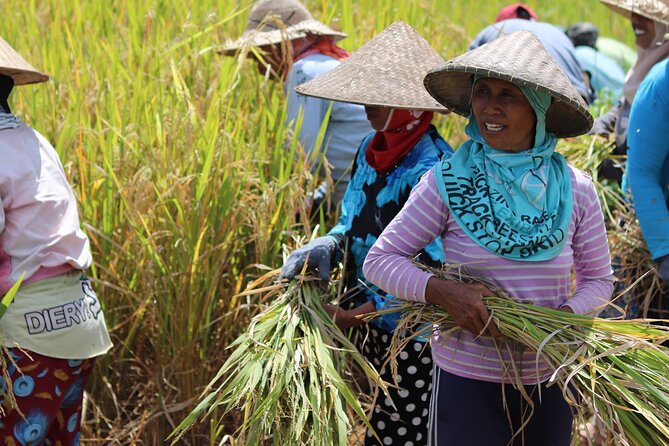
- Rice fields walk shows real cultivation methods, not staged photos
- Coconut oil production teaches how the same oil ends up in cooking and massage
- Wood-fire lunch + homemade coffee gives you a true taste of home cooking
- Making colorful offerings helps you understand daily rituals and meanings
- French or English speaking guide keeps the day understandable, even when concepts get spiritual
Why a Balinese family visit feels different from a typical tour
This is the kind of day where you’re not just looking at culture—you’re meeting the people who practice it. A family welcomes you into their village routine, and the schedule stays flexible enough to feel personal rather than factory-run.
The standout value here is that it’s structured around real daily work: rice cultivation, food, and offerings. With a max group size of 5, you’re more likely to get real conversation instead of hovering at the edge of a group photo.
More of Bali worth booking, from the Ubud rice terraces to the reefs off the Bukit.



Pickup at 8:30 and how the day actually flows
The day starts at 8:30am with pickup from Coco Supermarket in Ubud. Your tour ends back at that same meeting point, so you don’t need to figure out transport after you’ve spent hours out in the village.
You’ll travel in an air-conditioned vehicle, which is a nice buffer in Bali’s heat. The total time is about 6 hours, and the pace is described as relaxed, which matters because most of the meaning of the day comes from slow observation and questions.
Rice fields walk near Ubud: watch how rice is grown day to day
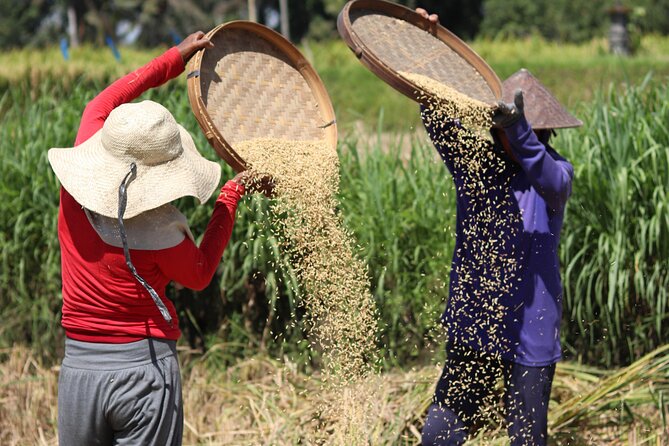
One of your first stops is a walk through the rice fields, where you observe different methods of rice cultivation. Instead of hearing rice explained in a classroom, you see it as lived work—where plants, water, and season rhythms decide what happens next.
This part is valuable because rice is the backbone of many Balinese rural lives. Even if you’re not a farming expert, you’ll come away with a more grounded view of why people treat their fields with care and patience.
The practical side: you’ll be walking outdoors and moving between places in the village area. Bring comfortable shoes and expect some uneven ground, especially if you’re visiting during or after rain.
Coconut oil production: learn a skill with everyday uses
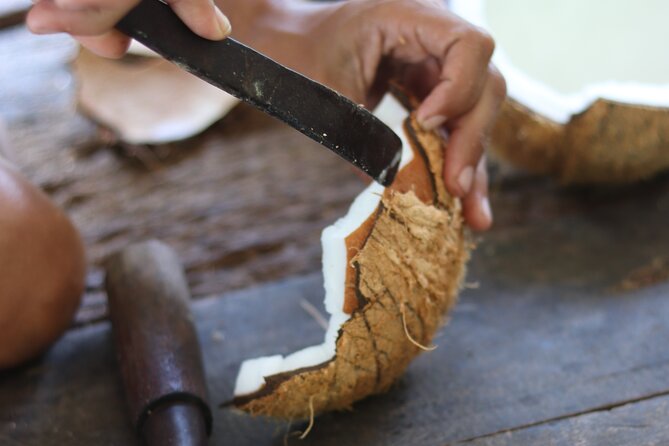
Next up is artisanal coconut oil production. You’re not just tasting something flavored with coconut—you’re learning how coconut oil is made, and why it matters.
The tour information highlights that the oil is used for cooking and also for massages. That detail is important. It tells you this isn’t a tourist product; it’s a household ingredient and a practical part of daily care.
If you like “how it’s made” experiences, this section is a sweet spot: hands-on enough to feel real, structured enough that you’re not left guessing. You’ll likely get clearer explanations from the guide (French or English), which makes the process easier to follow.
Lunch at the family home: wood-fire cuisine and real hospitality
You’ll have local lunch at the inhabitant’s house, included in the price. Traditional cuisine is prepared over a wood fire, and there’s also homemade coffee served during the day.
This is the section where the visit often becomes memorable for reasons beyond the food. A home-cooked meal is where hospitality turns into conversation. You can ask simpler questions too—what something is made from, how it’s served, and what’s special about it for the family.
One practical note: because lunch happens at the family home, it may feel less like a restaurant schedule and more like a household rhythm. That’s normal here, and it’s usually part of the charm.





Balinese offerings: you’ll make them, then learn the meaning
The hands-on highlight for many people is making offerings—the colorful arrangements made by weaving leaves and plant fibers. You’ll also get an introduction to the meanings behind the offerings, which is where the day turns from craft to culture.
This matters because the offerings aren’t just decorative. In Balinese daily life, they connect people to faith, community, and routine. When a family teaches you, you pick up the logic behind the practice instead of treating it like a souvenir.
In past groups, hosts such as Gaia and Ganyar have been praised for how warmly they explain the process, and how comfortably you can ask questions. That personal teaching style makes a difference, especially if you’re traveling with kids or you’re the type who likes understanding the why.
Coffee and conversation: why the relaxed timing is a feature
Between rice, coconut oil, lunch, and offerings, there are natural pauses where you can slow down and talk. The overall atmosphere is described as relaxed, and that’s exactly what you want on a village day.
The best moments often happen when the guide or host answers what you’re actually curious about—belief, daily work, food, or why certain materials are used. If you’re traveling with someone who wants more talking time (or you’re trying to practice French or English), this format helps.
Price and value: what you’re really paying for
The price is $72.08 per person for about 6 hours, with pickup included and an air-conditioned vehicle. On top of that, the tour includes lunch, coffee and/or tea, all fees and taxes, and even a donation as part of the experience.
That bundle is what makes the value make sense. A “basic” tour might only cover transport plus a guide. Here, you’re also getting the meal and multiple culture-focused stops with hands-on components—rice fields observation, coconut oil production, offering-making, and coffee.
The only add-on you should plan for is a tip, since tips aren’t included. If you’re trying to budget, consider that small extra cost as part of making sure the guide and driver are recognized.
Also, the experience is often booked in advance (on average, about 36 days ahead). That doesn’t mean you have to book that early, but it suggests it’s a popular option near Ubud—so if you have fixed dates, don’t wait too long.
Guide and driver impact: when language and humor make the day easier
The tour includes a French or English speaking guide, and that’s huge for a day like this. Offering-making and daily rituals are easier to understand when you can ask follow-up questions in the language you’re most comfortable with.
A few specific names show up in guidance and driving support. For example, a driver named Sywa has been described as attentive and punctual, and hosts like Gaia and Ganyar have been praised for personality, humor, and the way they explain their lives.
Even if your group language choice is set, the real win is how the guide keeps the day moving while leaving space for your questions.
Who this suits best (and who might want a different format)
This is a strong fit if you want more than photos and facts. It’s ideal for couples, solo travelers, and families, especially if you’re traveling with kids who enjoy practical, real-life activities.
One reason: the day includes multiple touchpoints that children can enjoy—walking outdoors, seeing rice cultivation, learning how something like coconut oil is made, and making offerings by hand. The experience is also marked as suitable for most travelers, and service animals are allowed.
If you prefer slow, scenic nature walks only (no hands-on tasks), you might find parts of this day more active than you expected. But if you like to learn by doing, this is one of the most straightforward ways to understand daily life around Ubud.
A realistic consideration: outdoor time and a morning start
Here’s the main “watch out” item: the schedule is about 6 hours, starting at 8:30am, and includes walking in rice fields and around village areas. That means you’ll be outdoors for meaningful chunks of time.
If you’re sensitive to heat or humidity, plan for it. Wear breathable clothing and keep hydration in mind. The day is described as relaxed, but it’s still a village walk day—so comfort matters.
Also, since you’re participating in offering-making and food time is part of the flow, don’t book this as a last-minute add-on if your whole day is already packed with other commitments.
Should you book this Balinese family day near Ubud?
If your goal is to see Bali as lived life—rice work, coconut oil, home cooking over wood fire, and the meaning behind daily offerings—this is a smart booking. The price feels reasonable because it covers more than just a guide: it includes lunch, coffee/tea, transport, fees/taxes, and a donation.
Book it if you want a day that’s personal and hands-on, with the chance to ask questions in French or English. I’d also choose it if you’re traveling with kids who like making things and seeing how daily routines work.
Skip it (or pick something else) if you want a mostly indoor museum-style experience, or if you’d rather avoid outdoor walking and participation.
If your dates are flexible, you can also feel calmer about timing: cancellation is free up to 24 hours in advance of the start time, based on local time.
FAQ
How long is the Balinese family village day near Ubud?
It runs for about 6 hours.
What time does the tour start, and where do I meet?
Pickup starts at 8:30am at Coco Supermarket, Jalan Raya Pengosekan, Ubud. The experience ends back at the same meeting point.
What’s included in the price?
The tour includes lunch, coffee and/or tea, an air-conditioned vehicle, all fees and taxes, a donation, and a French or English speaking guide.
Is the admission ticket included?
Yes—admission is free.
What language options are available with the guide?
The guide is French or English speaking.
How big is the group?
This activity has a maximum of 5 travelers.
What should I plan for regarding tipping and cancellation?
Tipping isn’t included, so you’ll want to budget for that. You can cancel for a full refund up to 24 hours before the experience’s start time.