
Reviewed · YOGA, SOUND HEALING & MELUKAT RITES
Discover Balinese Mystic & Death Ritual in Bali
Balinese rituals have a way of stopping you cold. This private day tour takes you from the haunting Trunyan Cemetery to the surprising baby-birth rites of Bayung Gede, with a speedboat ride and temple stops that most visitors skip. You also get time at viewpoints and sacred sites like Kintamani and Kehen Temple, so your day mixes big questions with classic Bali scenery.
What I like most is the private setup, where your guide can adjust the order and pace, and the inclusion of key costs like entry fees and a speedboat (so you are not constantly hunting tickets). I also love that the day is built around real local practices, including meetings with Balinese priests and healers, not just quick photo stops.
One thing to consider: this tour centers on death rituals (Trunyan is not for the faint of heart), and timing can feel like a lot of moving around, depending on pickup location.
In This Review
- Quick hits before you go
- Why Trunyan and Bayung Gede feel like Bali’s other world
- Your full day: how the 8 to 10 hours usually flow
- Stop 1: Trunyan Cemetery and the bamboo-cage death ritual
- Stop 2: Bayung Gede newborn rites and hanging placentas
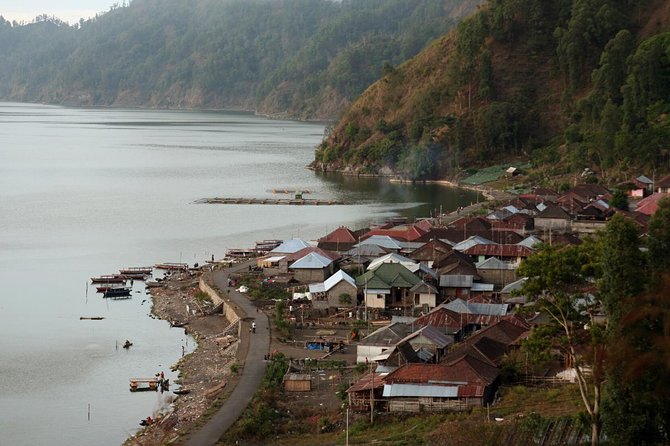
- Stop 3: Kintamani Plateau for Mount Batur and the lake
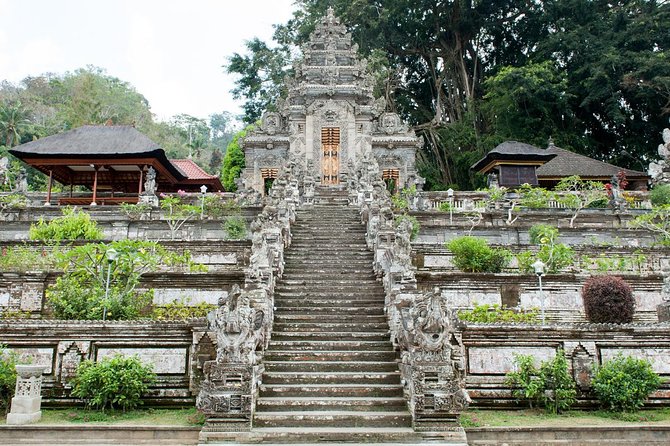
- Stop 4: Kehen Temple and the steps people call Heaven
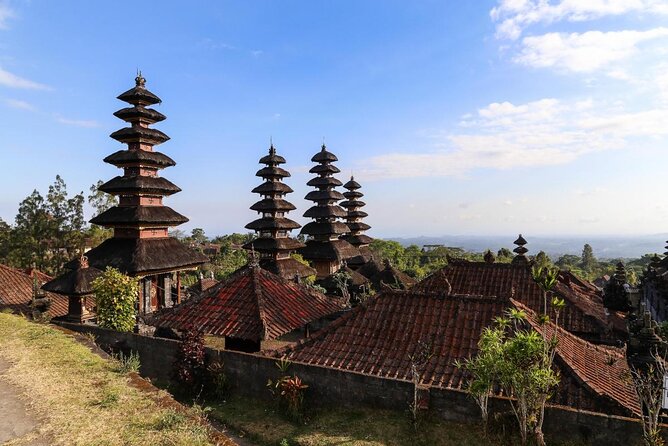
- Stop 5: Penglipuran and the old village with bamboo forest vibe
- Guides can make or break this kind of tour
- Price and value: what you’re paying for at $81.80
- Timing and comfort: the real logistics to plan for
- Who this tour suits best (and who should reconsider)
- So, should you book it?
- FAQ
- How long is the Discover Balinese Mystic & Death Ritual in Bali tour?
- Where does the tour take place, and is pickup offered?
- What does the price include?
- Is lunch included?
- Is this tour private?
- What is the cancellation policy?
Quick hits before you go
- Trunyan Cemetery shows a funeral tradition that does not use cremation, with a cleansing ritual and bamboo-cage placement
- Bayung Gede is famous for its hanging newborn placentas, tied to beliefs about ancient village origins
- Speedboat ride is built into the plan, plus admission and donation fees are covered
- Kehen Temple includes the well-known steps people call the steps of heaven
- Penglipuran offers an old-village look at architecture, social system, and belief traditions
- Lunch is on you, but bottled water is included
Why Trunyan and Bayung Gede feel like Bali’s other world
This is not the Bali of beach clubs and casual temple selfies. It is a day that leans into the spiritual side: birth rituals, death rituals, and the people who keep those beliefs alive. If you enjoy culture with weight and meaning, you will probably find this tour worth the effort.
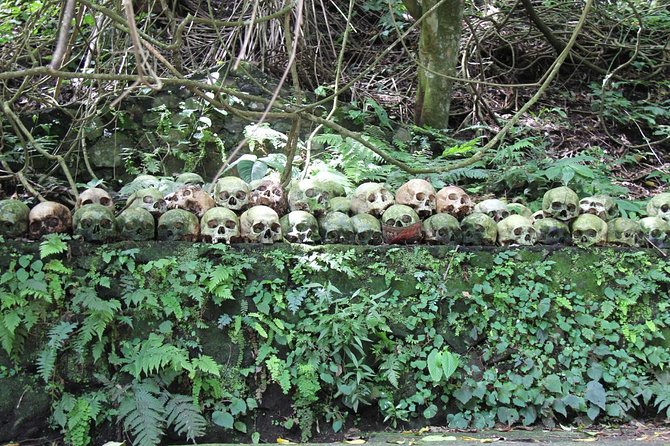
Trunyan Cemetery is the emotional anchor. The Trunyanese do not cremate their dead. After a cleansing ritual, the body is placed in a bamboo cage, which is a very different approach from what most visitors expect. Your visit there lasts about an hour, long enough to take it in without rushing.
Then Bayung Gede flips the mood, but not the spirituality. This ancient village is believed to be the parent of all Bali’s ancient villages. You will see the hanging newborn placentas there, an unusual tradition that connects daily life to sacred belief and community memory.
More yoga, sound healing and Melukat water rites

Your full day: how the 8 to 10 hours usually flow
This runs about 8 to 10 hours, and the structure is straightforward: cemetery, birth-ritual village, scenic highlands, temple, and an old village. Most stops are around an hour, with a shorter viewpoint moment at Kintamani. The total time often feels longer than the stop durations because you spend time traveling between them, and the plan includes a speedboat transfer.
The tour is private, so only your group goes with your guide and driver. That matters because it lets you move at a pace that works for you, ask questions, and adapt the order if your group needs a pause.
Pickup is offered, and you’ll also get a mobile ticket. Lunch is not included, so you will want to plan where you will eat based on what timing looks like for your group. Bottled water is provided, and admission and donation fees are handled for you.
Stop 1: Trunyan Cemetery and the bamboo-cage death ritual
Trunyan Cemetery is the reason this tour has its name. The village life here is traditionally distinct from much of Bali, and the cemetery reflects that difference clearly. You are not seeing a modern memorial. You are seeing how one community handles death through rituals and beliefs that go deep.
The key detail is that the dead are not cremated. After a cleansing ritual, the body is placed in a bamboo cage. That sequence is important because it is part of the ceremony’s meaning, not just the final resting arrangement.
What to expect in practice: you will likely need to slow your own pace mentally. This is one of those stops where you do not want to sprint for photos and move on. Even if you are curious, you should be ready for the topic to feel serious and personal.
Timing is about 1 hour, and admission is included. If your group is sensitive to death rituals, this is the portion where you will feel it most. If your group is steady and respectful, the visit can be surprisingly clarifying—Bali’s spiritual logic makes more sense once you see how communities handle life events in a whole-system way.
Stop 2: Bayung Gede newborn rites and hanging placentas
After Trunyan, Bayung Gede shifts the focus from endings to beginnings. This is another ancient village, and it carries an almost “family tree” idea—many believe Bayung Gede is the parent of Bali’s ancient villages.
The highlight here is the hanging newborn placentas. It is an unusual sight, and it can feel strange at first if you are coming from cultures that treat placenta-related traditions as private or medical. In Bayung Gede, it is presented as part of sacred continuity and community belief, tied to the spiritual framing of birth.
Your time here is about 1 hour, and admission is listed as free. That makes it one of the best “value-per-minute” stops on the day, because you are getting a rare view of a living tradition rather than a staged display.
Stop 3: Kintamani Plateau for Mount Batur and the lake
Kintamani Plateau is your breather. After the heavy cultural stops, this part gives you a scene-based reset: you look toward Mount Batur and Lake from the highlands. Even if you do not plan to do a long hike, the viewpoint moment helps balance the day.
This stop is about 30 minutes, with admission included. Think of it as a quick chance to frame the geography of the island in your mind. When you later hear about rituals and village life, it helps to remember that Bali’s communities exist inside dramatic terrain.
Because it is a shorter stop, make sure your group is ready to be on time back to the vehicle. This is the part where “we’ll just take one more minute” can eat into the tight schedule quickly.





Stop 4: Kehen Temple and the steps people call Heaven
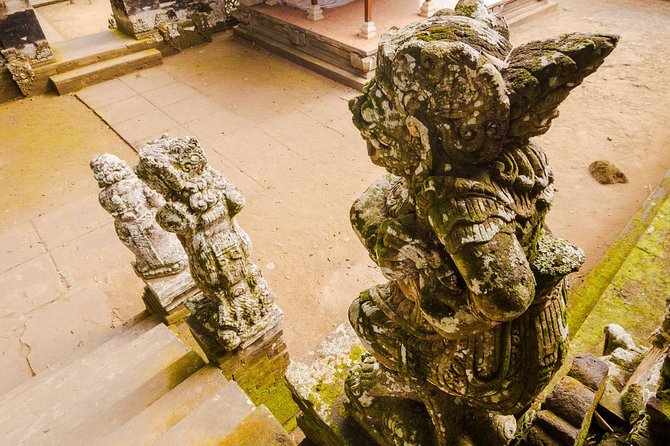
Kehen Temple is where the day tilts toward sacred architecture. The standout feature is the famous steps of heaven, which give you a visual path upward and help you feel the temple’s staged layout. You are not just walking through a yard. You are moving through a designed sacred space.
Expect about 1 hour here, and admission is included. Kehen Temple is a good stop for people who want a spiritual experience without the emotional weight of death rituals. It gives you a different type of understanding: reverence expressed through building, movement, and ceremony space.
This is also where a good guide really helps. If your guide explains what you are seeing in plain terms, you will get more out of the visit than by focusing only on the photo angles.
Stop 5: Penglipuran and the old village with bamboo forest vibe
Penglipuran is a traditional village experience, and it is a nice final chapter. You will spend about 1 hour, and admission is included. The selling point is the village’s unique architecture, social system, and belief system, which is more than just “pretty streets.”
The name you might see for this stop leans toward a bamboo forest vibe, and either way, you’re walking through a carefully lived-in old community design. It is a great way to end the day because it ties the whole theme together: Bali’s spirituality is not only in cemeteries and temples. It is also expressed in how communities organize daily life.
If you have energy, take your time here. This is the stop that rewards slow attention the most.
Guides can make or break this kind of tour
This is the sort of tour where the guide matters. You are dealing with intense topics and sacred sites, and you want someone who can explain without turning it into a lecture or a performance.
One guide name that came up clearly was Mertha, described as friendly, helpful, and able to explain the day in a way that makes it feel smooth and meaningful. Another guide name from the same tour experience was Ah Gung, praised for patient explanations of culture and practices.
Even without a named guide you can expect the right approach for this itinerary: they should give context before each stop, and they should be willing to answer basic questions in a respectful way. If you want the best day, come ready with a couple of questions like:
- What role do priests and healers play in these rituals?
- How do local families explain these practices to younger generations?
Price and value: what you’re paying for at $81.80
At $81.80 per person, this feels like a “pay once, relax” kind of tour. Here’s why the value can add up.
Included costs include speedboat, air-conditioned vehicle, parking fees, fuel surcharge, bottled water, and admission & donation fees. That is a lot of line-items that you would normally have to figure out on your own. Lunch is the only major “big ticket” missing piece.
Is it still worth it if you hate long days? That depends on your tolerance for travel time. You are getting multiple sites across a full day, and the day needs that structure to work. But if you want both cultural depth and transport that’s handled for you, this price starts to make sense quickly.
The tour is also customizable in a private format. You are not stuck with a rigid group schedule. If your group has specific interests, that flexibility can be part of the value, not just a nice bonus.
Timing and comfort: the real logistics to plan for
The itinerary is a full-day loop, and the “moving around” part can be the toughest part for some people. If your pickup starts farther out, expect more time on the road and potentially a longer travel rhythm. One experience shared included a long, winding mountain drive on narrow roads, followed by a boat crossing to reach the lake area before the day’s next segment.
That matters because it affects how you feel at the end of the day. If you get motion sick easily, or if you prefer shorter stretches between stops, you should take that seriously. If you are fine with travel time and your focus is cultural experiences, the logistics usually become part of the story rather than a problem.
A practical tip based on what’s included: since bottled water is covered, your only hydration panic is solved. Your biggest cost gap is food—plan for lunch and any personal expenses.
Who this tour suits best (and who should reconsider)
This tour is best for you if you:
- want Balinese culture through rituals, not just scenery
- feel curious about practices involving life events—birth and death
- like having a guide who can explain what you’re seeing at a human pace
It’s a tougher fit if you:
- are very uncomfortable with death rituals
- need a fully lighthearted day with minimal intensity
- are traveling with someone who falls under the tour’s caution: it is not recommended for women in monthly period (based on the tour’s additional info)
If your group is respectful, steady, and open-minded, you are likely to get a day that feels genuinely different from the usual temple circuits.
So, should you book it?
I would book this tour if you want a culturally focused Bali day with real “meaning sites,” plus classic stops like Kintamani and Kehen Temple. The included speedboat and admission fees make it a hassle-light choice, and the private format gives you room to stay comfortable and ask questions.
I would hesitate if your idea of a perfect trip is mostly easy sightseeing with zero heavy topics. Trunyan is central here, and the emotional tone is part of the point. If you can handle that, this tour can feel like a rare, thought-provoking window into how Balinese communities treat the biggest moments of life.
FAQ
How long is the Discover Balinese Mystic & Death Ritual in Bali tour?
The tour runs about 8 to 10 hours.
Where does the tour take place, and is pickup offered?
It’s listed for Kuta, Indonesia, and pickup is offered.
What does the price include?
For $81.80 per person, the tour includes bottled water, speedboat, air-conditioned vehicle, fuel surcharge, parking fees, and admission & donation fees.
Is lunch included?
No. Lunch costs extra and is not included in the tour price.
Is this tour private?
Yes. It’s a private tour/activity, and only your group participates.
What is the cancellation policy?
You can cancel for a full refund if you cancel up to 24 hours in advance. If you cancel less than 24 hours before the start time, the amount paid is not refunded.
More Bali Reviews & Picks

More Yoga, Healing & Melukat Rites


Still deciding? More Bali days reviewed, from volcano sunrises to island crossings






Yoga, Sound Healing & Melukat Rites, compared.
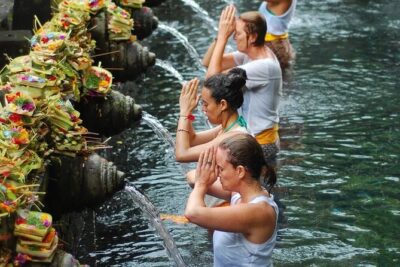 ★ 5.0Ubud Tour – Balinese Healing By Shaman And Self PurificationFrom $74236 reviews
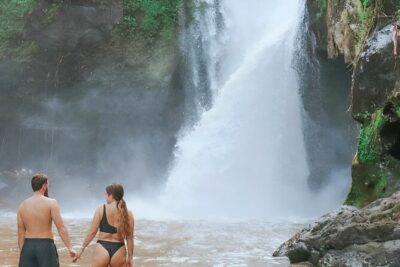 ★ 5.0Ubud Day Tour: Sacred Monkey Forest, Tegenungan Waterfall, Rice TerraceFrom $24190 reviews
 ★ 5.0Ubud yoga, rice terrace walk and floating Breakfast tourFrom $2585 reviews
 ★ 5.0Meditate with a ShamanFrom $9977 reviews
 ★ 5.0Ubud: Monkey Forest, Rice Terraces & Sacred TemplesFrom $6969 reviews
 ★ 5.0A Day Retreat In UbudFrom $8551 reviews
 ★ 5.0Purification Holy Bath at Beji Gria WaterfallFrom $5944 reviews
 ★ 5.0Ubud Tirta Empul Temple Tour with Purification ExperienceFrom $2736 reviews
Browse the lists this tour appears in