
Reviewed · HOLY SPRINGS & TEMPLE TRAILS
Purification Holy Bath at Beji Gria Waterfall
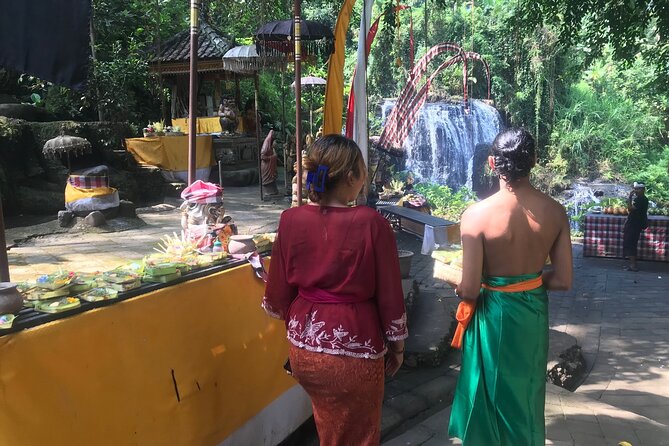
A waterfall ceremony can feel like therapy. The Beji Gria Waterfall purification holy bath mixes temple prayer, ritual water steps, and two big emotional moments at the falls. I’m drawn to the clear, step-by-step structure led by a temple priest and the natural setting that makes the whole thing feel real, not staged.
I love how much guidance you get, from the local authorized guide walking you through each phase to the provided offerings, including incense sticks and a special sash/cloth. I also like the design of the ritual itself: first you do the balancing holy bath, then you cleanse your aura, and then you intentionally release stress with a loud cry/scream and celebrate with loud laughter. One consideration: it can feel a bit commercial around the site, so be ready for salesy moments if you do not want extra products.
In This Review
- Key points before you go
- A temple-led waterfall reset in Ubud
- What actually happens during the purification holy bath
- 1) Prayer and meditation with the priest
- 2) The first holy bath for health balance
- 3) The second holy bath to cleanse your aura
- 4) Release anxiety, tension, and sadness at the first waterfall
- 5) Express happiness at the second waterfall
- 6) The final blessing with coconut-water holy water
- The waterfall setting: cold water and real surroundings
- Photos and performance energy (yes, you’ll want a camera)
- Price and what you’re really paying for
- Timing, pickup, and how to plan your day
- What to bring (and what will save you)
- Who this is best for (and who should skip it)
- A note on the experience vibe: spiritual first, but not sterile
- Should you book the Purification Holy Bath at Beji Gria Waterfall?
- FAQ
- How long does the experience take?
- Where does pickup happen?
- Is the tour private?
- Is admission included?
- What is included in the holy bath ceremony?
- Are food and drinks included?
- What should I bring?
- Is everyone allowed to participate?
- What are the age limits?
- What is the cancellation policy?
Key points before you go
- Temple-led steps: you’ll pray/meditate with a priest before any bathing starts
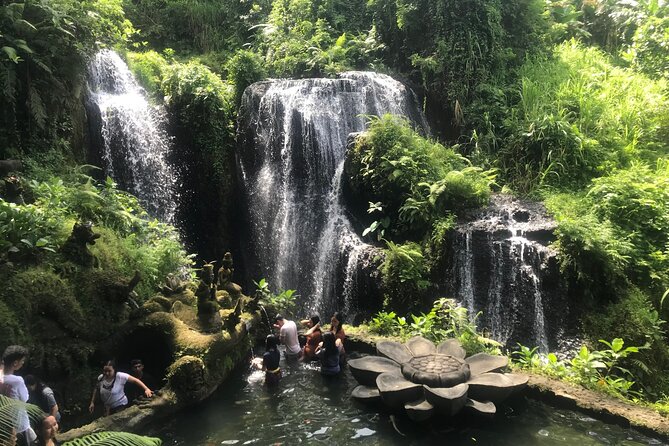
- Two holy baths: one for health balance and one for aura cleansing in a small well
- Emotional release at the waterfalls: scream/cry at the first fall, then smile/laugh at the second
- Helpful logistics: hotel pickup and drop-off, plus a guide who stays with you
- What’s included vs not: offerings and a sash/cloth are included; food and drinks are not
A temple-led waterfall reset in Ubud
Ubud is full of spiritual experiences, but this one has a very physical core. You’re not just watching or taking photos from a safe distance. The purification holy bath is built around body, breath, and emotion—prayer first, water steps next, then release and joy at the waterfalls.
What makes this experience practical is the clear pacing. You’ll get led through each stage, so you’re not left wondering where to stand, what to do, or when the ritual changes. That matters, especially if you’re traveling with limited patience for guesswork.
The other thing I like is that it’s tied to a real place and local practice. The ceremony uses temple holy water and includes a final blessing with green and yellow coconut water—a detail that turns it from a generic “tourist ceremony” into something more specific and meaningful.
More Bali waterfalls, from Tegenungan to the hidden jungle drops

What actually happens during the purification holy bath
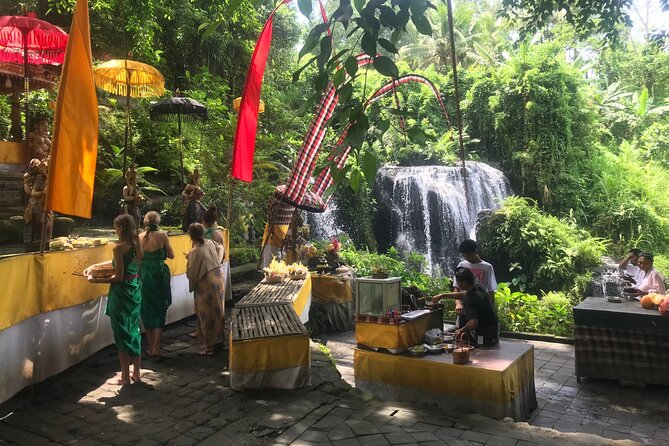
Think of the ceremony as six steps that build on each other. You’ll start with prayer, move into two separate bathing phases, then handle the emotional release at the waterfalls, and finally wrap up with the priest’s blessing.
1) Prayer and meditation with the priest
Before you enter the water, you’ll participate in a meditate/pray moment led by a temple priest. This sets the tone and gives you a clear start point. If you prefer structured experiences (and not just free time at a viewpoint), this part helps a lot.
2) The first holy bath for health balance
Next, you walk through a narrow canyon for your first holy bath. The purpose is described as balancing your health. This step is important because it’s the first physical threshold—you go from viewing to doing, with the guide helping you follow the flow.
3) The second holy bath to cleanse your aura
Then comes the second bathing stage at a small well. This one is described as cleansing your aura so you can attract happiness and luck. It’s a different setting and a different intention, so you’re not repeating the same moment twice. Expect it to feel more focused and deliberate.
More Bali temples and holy-spring blessings
4) Release anxiety, tension, and sadness at the first waterfall
At the first waterfall, the ritual specifically asks you to release stress and sadness by screaming or crying as loudly as you can. I like that this is not optional theater; it’s part of the method. If you’re the type who worries about embarrassment, bring a sense of humor. After all, your guide is there to help you get through it.
5) Express happiness at the second waterfall
At the second waterfall, the ceremony flips the mood. You’re asked to express happiness by smiling and laughing as loudly as you can. If you’re going with friends, it’s one of those moments that can break the ice fast—because everyone has to participate, even if your laugh starts out shy.
6) The final blessing with coconut-water holy water
The last step is receiving a blessing from the priest with pure holy water mixed from green and yellow coconut water. This final phase matters because it closes the ritual loop: you start with prayer, do two cleansing steps, release and celebrate, then finish with a direct blessing.
The waterfall setting: cold water and real surroundings
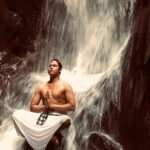
Beji Gria Waterfall is the star, and the route inside the ritual is part of the experience. You’ll move from a narrow canyon into bathing areas near the falls. That means you’re not just arriving, changing, and jumping in.
One review-style detail worth keeping in mind: the water tends to feel very cold, but people describe it as cleansing and grounding. So plan for your body’s first reaction. Wear light clothing to stay comfortable outside the water, and bring a change so you’re not freezing after.
Also, expect surfaces that are wet and uneven. You’ll want steady footing and patience with your balance. This is one of those Bali experiences where the “I’ll just be careful” approach is not enough. You actually need to stay aware.
Photos and performance energy (yes, you’ll want a camera)
If you care about photos, this is a strong choice. The ceremony involves two waterfall moments where the energy is high—scream/cry at the first, smile/laugh at the second. That’s exactly the kind of action that produces memorable shots without needing fake poses.
One more practical tip: bring a camera plan that matches real conditions. You’ll likely want to keep your phone/camera protected, and you’ll want your hands free for ritual steps. Sunscreen and a hat can also help you stay comfortable while waiting for your turn in any outdoor sections.
Price and what you’re really paying for
At $59 per person, this isn’t a bargain like a bus-and-walk option, but it also isn’t priced like a luxury spa. You’re paying for four main things:
- Hotel pickup and drop-off (private transfer)
- A local authorized guide who explains and accompanies the ceremony
- Included offerings (incense sticks) and the special sash/cloth
- Parking fees covered, so you’re not dealing with small surprises
Food and drinks are not included, so budget for that separately. In my view, the value comes from removing stress. You’re not figuring out where to go, how to participate respectfully, or when each ritual step begins. In Bali, that kind of guided certainty is worth money.
The experience is listed as lasting 3 to 4 hours, but the full block from pickup to drop-off is around 5 hours, depending on where your hotel is and traffic conditions. Build your day around that, and avoid booking anything tight right after.
Timing, pickup, and how to plan your day
Your day starts with pickup from your lobby hotel by Bali Yowana Tour. The ride to the waterfall is about 30 minutes to 1 hour, depending on traffic and your exact location.
At the waterfall, you’ll spend about 2 hours with your guide. After the holy bath finishes, you’ll return to your hotel, again about 30 minutes to 1 hour depending on traffic.
Two scheduling tips that make the experience smoother:
- Start the day light: you’ll be in water and moving around, so avoid a huge meal right before.
- Leave buffer time: the full experience block is around 5 hours end-to-end.
What to bring (and what will save you)
The packing list is not fancy, but it’s spot on for a water-and-ritual activity. Wear light, comfortable clothing, and bring the items below so you’re not scrambling on-site.
Bring:
- Swimsuit and a change of clothes
- Sunscreen, sunglasses, and a cap or hat
- Water bottle and snacks
- Camera (with a plan to protect it near water)
- Petty cash for small purchases if needed
Also, remember the ceremony includes incense offerings and ritual cloth, so you don’t need to bring those. Your job is mainly comfort and preparedness.
Who this is best for (and who should skip it)
Most people can participate, but there are clear limits. The minimum age is 10 years old, and the maximum age is 60 years old. Women on period/menstruation are not allowed to do the holy bath, based on temple safety policy.
Who I think it fits:
- You want a structured, guided spiritual experience rather than wandering
- You like nature settings and are okay getting cold and wet
- You’re open to emotional participation (the scream/cry and laughter parts)
Who might find it challenging:
- You dislike rituals that ask you to be loud or emotionally expressive
- You don’t handle cold water well
- You need lots of downtime; this is an active ceremony flow
A note on the experience vibe: spiritual first, but not sterile
One thing I pay attention to is atmosphere. This tour is about a purification ceremony, but the site can also feel a little commercial. If you’d rather keep your attention strictly on the ritual, you can still do that—you just need to be mentally prepared for sales pitches around the area.
If that kind of pressure would stress you out, go in with a firm mindset: decide your boundaries before you arrive, and stick to them.
Should you book the Purification Holy Bath at Beji Gria Waterfall?
Book it if you want something that combines real ritual structure with a stunning natural setting and a guide who keeps you on track. The ceremony is designed with clear stages—prayer, two baths, release, joy, and a final blessing—so it feels intentional instead of random.
Skip it if you’re looking for a calm, quiet nature walk only. This is not that. It’s closer to a guided emotional-reset ceremony in water, with audience-style participation.
If you’re still deciding, here’s my quick rule: if cold water, wet steps, and loud participation don’t scare you, this is a memorable way to spend a half-day in Ubud with a strong sense of purpose.
FAQ
How long does the experience take?
The holy bath itself is about 2 hours. From pickup to drop-off, plan around 5 hours total, depending on hotel location and traffic.
Where does pickup happen?
You’ll be picked up from your lobby hotel by Bali Yowana Tour.
Is the tour private?
Yes. It’s listed as a private tour/activity, meaning only your group participates.
Is admission included?
Yes. Admission ticket is included for the Beji Griya Waterfall portion.
What is included in the holy bath ceremony?
You’ll have a local authorized guide who accompanies you through each step. Offerings for the holy bath are included, including incense sticks, along with a special sash/cloth.
Are food and drinks included?
No. Food and drinks are not included.
What should I bring?
Bring light comfortable clothing, a swimsuit, and a change of clothes. Also bring sunscreen, sunglasses, a cap or hat, a water bottle, snacks, a camera, and petty cash.
Is everyone allowed to participate?
Most travelers can participate, but women on period/menstruation are not allowed to do the holy bath for safety reasons.
What are the age limits?
Minimum age is 10 years old and maximum age is 60 years old.
What is the cancellation policy?
You can cancel for a full refund up to 24 hours in advance of the experience start time. If you cancel less than 24 hours before, the amount paid will not be refunded.
More Yoga, Healing & Melukat Rites
More Temples & Holy Springs
More Bali Waterfall Trails
Still deciding? More Bali days reviewed, from volcano sunrises to island crossings


Holy Springs & Temple Trails, compared.
 ★ 5.0Ubud: Monkey Forest, Jungle Swing, Rice Terrace, and Water TempleFrom $317,160 reviews
 ★ 5.0Full-Day Tour to Water Temples and UNESCO Rice Terraces in BaliFrom $392,539 reviews
 ★ 5.0Bali Instagram: Gate of Heaven Temple TourFrom $85737 reviews
 ★ 5.0Ubud Tour with Monkey Forest Waterfalls Temples and MoreFrom $30495 reviews
 ★ 5.0Uluwatu Temple Entry and Kecak Fire Dance TicketFrom $29479 reviews
 ★ 5.0Ubud Top Attractions: Waterfalls, Temples and Rice TerracesFrom $39460 reviews
 ★ 5.0Private Tour: Uluwatu Temple & Southern Bali HighlightsFrom $45387 reviews
 ★ 5.0Private Tour Bali Beaches and Uluwatu Temple with DinnerFrom $48363 reviews
Browse the lists this tour appears in