
Reviewed · BATUR VOLCANO & KINTAMANI HIGHLANDS
Kintamani Lake & Volcano Tour
Mount Batur is the headline, but the story is wider. This day trip threads together Balinese dance, artisan villages, and the dramatic highlands around Kintamani, so you get big scenery and real culture in one long, friendly day.
I really like the way the route mixes performance and place: the Barong Dance at Batubulan, then woodcarving in Mas, then Goa Gajah’s carved stone. The best part for me is that the pacing keeps moving, so you’re not just stuck in traffic all day.
One thing to plan for: volcano views can get hazy when the mountains sit under mist or rain, and some stops can feel shopping-forward. Still, if you go in with the right expectations, it’s a solid, high-value introduction to Bali’s craft-and-spirit side.
In This Review
- Quick takeaways
- A Full-Day Bali Route That Actually Covers Ground
- Price and Logistics: Is $67.95 Good Value?
- Pickup in Air-Conditioned Comfort (and Why Start Time Matters)
- Stop 1: Barong Dance at Batubulan (Uma Dewi)
- Stop 2: Mas Woodcarving Center and the Reality of Craft Stops
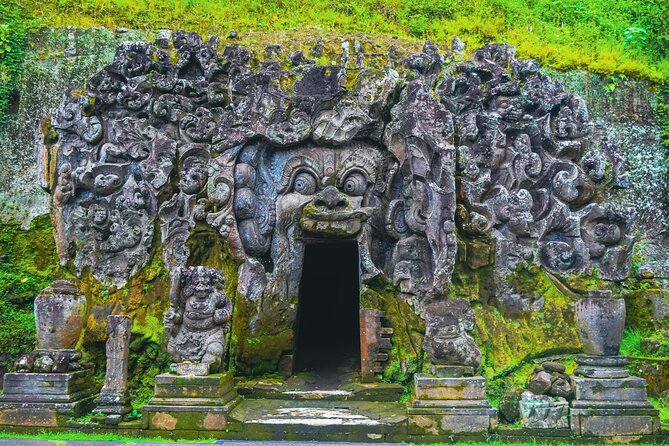
- Stop 3: Goa Gajah (Elephant Cave) for 11th-Century Stone Carvings
- Stop 4: Kintamani Highland—Mount Batur and Lake Batur Views
- Lunch Stop: Great Views, Your Wallet Steps In
- Stop 5: Celuk Village for Gold and Silver Work in Ubud
- Holy Springs Stop: A Quick Cultural Pause on the Way Back
- Guide Quality and Group Size: How You’ll Feel in the Day
- Weather, Expectations, and the Volcano Reality Check
- Who Should Book This Tour (and Who Might Skip It)
- Should You Book the Kintamani Lake & Volcano Tour?
- FAQ
- How long is the Kintamani Lake & Volcano tour?
- What’s included in the ticket price?
- Is lunch included?
- Do I get hotel pickup and drop-off?
- How big is the group?
- Can I cancel for a full refund?
Quick takeaways
- Barong Dance at Batubulan with a full ritual-style performance in the mix
- Mas woodcarving center where you can watch detail work being made on-site
- Goa Gajah (Elephant Cave), including the 11th-century stone carvings and sacred grounds
- Kintamani highlands for Lake Batur + Mount Batur views (weather can affect what you see)
- Celuk Village for gold and silver work as you head back toward Ubud
- Max 15 people with English-speaking licensed guides, including guides like Guside, Anto, and Radi mentioned in feedback
A Full-Day Bali Route That Actually Covers Ground
This tour is built for people who want a lot of Bali in one shot, without hiring a private driver and building a plan from scratch. The day runs about 8 hours, starting around 8:30am, and it’s designed as a straight-through circuit: craft village, temple cave, highlands views, then back toward Ubud.
What I like is the emotional range. You start with something loud and ceremonial (the Barong dance), then you switch to hands-on artistry (wood carving, metal work). After that, the mood changes again in the cool Kintamani air, where Mount Batur and Lake Batur become the visual centerpiece.
The tour also has structure that helps you enjoy it. You’re not left guessing what to look for at each stop. An English-speaking licensed guide keeps the story flowing, and several guides are singled out by name in feedback—Guside, Anto, and Radi—for being friendly, flexible, and ready to help with photos.
More sunrise treks and hot springs around Mount Batur

Price and Logistics: Is $67.95 Good Value?
At $67.95 per person, the price makes sense if you value two things: included admissions and not having to coordinate rides between stops. The tour includes admission tickets at the main stops (Barong Dance, Mas carving center, Elephant Cave, and the Kintamani lunch-view stop). It also includes hotel pickup and drop-off for many south Bali areas, plus an English-speaking licensed guide.
Where the math gets tricky is extras and timing. Lunch is not included, so you’ll be paying for food, and prices can vary depending on the restaurant they use that day. Also, some riders reported needing to pay a pickup-related top-up in cash if their hotel was outside the usual included areas (example: Tabanan came up). This isn’t guaranteed for everyone, but it’s smart to be ready with some extra cash.
For best value, this is the sweet spot:
- You want one guided day that covers major highlights.
- You don’t want to stress over transport.
- You’re okay with spending time at craft stops that sell items.
If you’re the type who hates shopping pressure, or you only care about one or two sites, you may feel the day is less “efficient” than it looks on paper.
Pickup in Air-Conditioned Comfort (and Why Start Time Matters)
You’re picked up in an air-conditioned minivan from many south Bali hotel zones like Kuta, Seminyak, Sanur, Jimbaran, and Nusa Dua. That matters more than it sounds. Most of the effort on Bali day trips is travel time. A proper pickup lowers friction so you can focus on the stops.
Because it starts around 8:30am, the earlier you’re ready, the smoother the day goes. You’ll be moving through different regions—then settling into the highlands part of the day where weather can swing quickly. If you’re prone to motion sickness, it’s worth taking your usual travel precautions early since the drive is part of the experience.
The tour also runs as a small group (maximum 15 travelers). That generally helps with getting photos, asking quick questions, and not feeling like you’re just part of a crowd line.
Stop 1: Barong Dance at Batubulan (Uma Dewi)
The day starts with the Barong Dance at Uma Dewi in Batubulan, a place known for stone carving and ornate temples. The performance is based on Balinese myth and is staged around the classic theme of good vs. evil, with religious and profane forces in the story.
This is a great first stop for two reasons:
- It gives you quick cultural context before you hit the temples and highlands.
- It sets the tone for the whole trip—Balinese culture here isn’t just museum-style. It’s alive, staged, and emotional.
Do note one practical reality. A few pieces of feedback mention that the performance can feel longer than expected once it gets going, and some people felt the pacing was more like a full show package than a quick cultural clip. If you’re going with kids or you hate waiting around, pack a little patience.
Stop 2: Mas Woodcarving Center and the Reality of Craft Stops
Next comes Mas Carving Center, a woodcarving village where you can watch artisans work. It’s not a “look but don’t touch” situation. You’re watching people chip and shape details from wood blocks, and you get to see how craft happens in real time.
I like Mas because it’s easy to understand even if you don’t know the background. The visuals do the teaching. You also get a feel for how Bali’s artistic economy supports itself—craft isn’t a side hobby here; it’s a core skill.
The downside? These craft centers often include sales. Some feedback describes feeling a bit pressured or awkward to buy at multiple places. My practical advice is simple: set a spending limit before you go. If you buy, buy happily. If you don’t, you’ll still be able to enjoy the work without turning the stop into a decision marathon.


Stop 3: Goa Gajah (Elephant Cave) for 11th-Century Stone Carvings
Then you head to Goa Gajah, the 11th-century Elephant Cave. Even if you don’t care about the “elephant” name, the carvings and the cave-temple setting are the point. The entrance area includes rock carvings of entangled leaves, ocean-wave patterns, animals, and shapes linked to local spirits. You walk through the sacred temple grounds and soak up the atmosphere.
This stop is one of the more rewarding ones because it mixes:
- history that you can actually see in stone,
- a dramatic setting (carved entry + cave feel),
- and a slower pace compared with show-and-shop stops.
Practical tip: wear shoes with good grip. You’re walking around temple grounds, and stone can be slick if it’s damp. Also, bring a light layer even in warm months—cave areas can feel cooler than the road.
Stop 4: Kintamani Highland—Mount Batur and Lake Batur Views

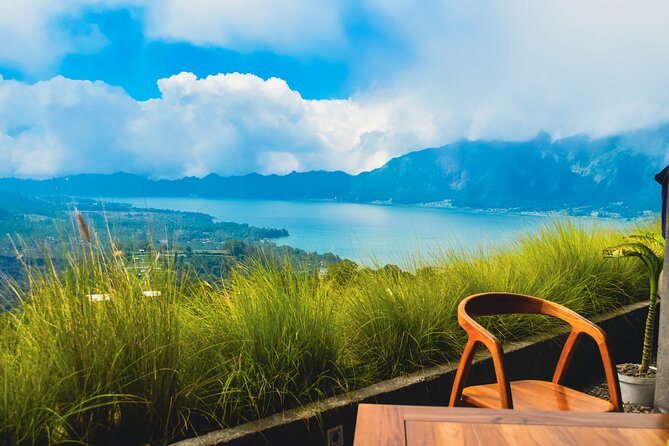
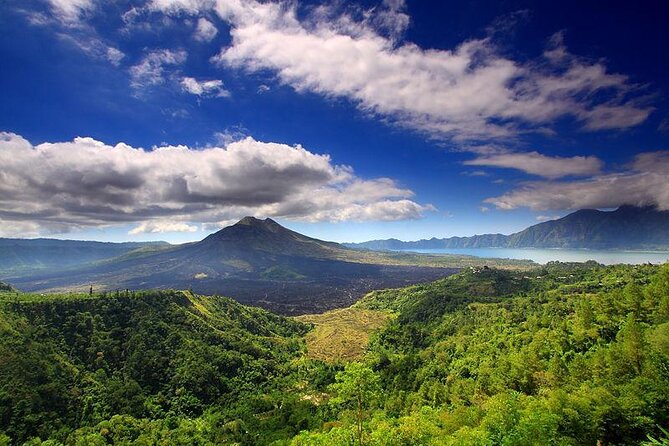
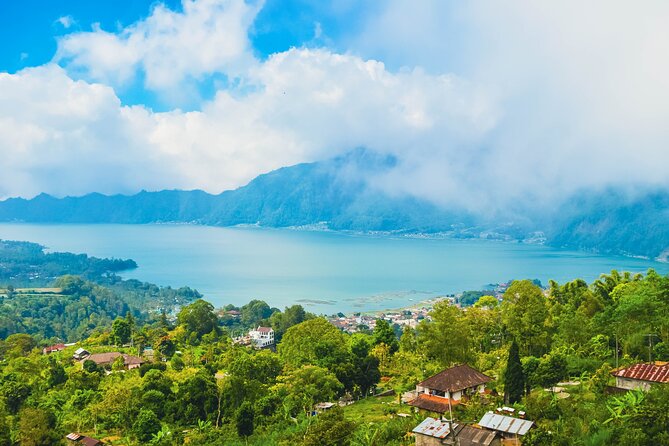
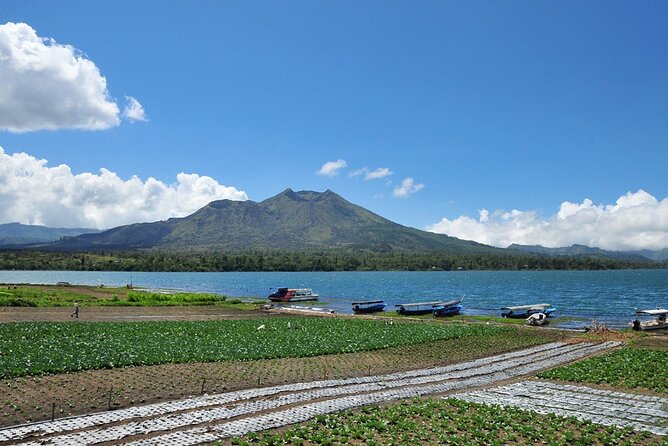
This is where the trip earns its name. You reach the Kintamani highlands, look out over Lake Batur, and set eyes on Mount Batur, an active volcano with lava flows forming dark ribbons down the slopes.
In clear weather, this stop is pure payoff. Several feedback notes call the volcano view the highlight, and there’s a restaurant setup that gives you a chance to enjoy the scenery while you eat.
However, you need to know the main downside: fog and mist can hide the volcano. Rainy days came up in feedback, and people said they couldn’t see much through cloud cover. So while you can’t control the weather, you can control your preparation:
- bring a rain layer,
- keep your expectations flexible,
- and remember the view might be limited on overcast days.
Also, the tour doesn’t promise you’ll get super close to the peak. Some people wanted a “closer” feel, so if that’s your dream, go in expecting an epic panorama rather than a hike-level viewpoint.
Lunch Stop: Great Views, Your Wallet Steps In
Lunch is at a restaurant with views of the volcano area, but it’s own expense. Several riders mention the view being excellent, so if you choose wisely, lunch becomes part of the experience instead of just a break.
One caution that shows up in feedback: some restaurants can be cash-friendly but card-challenged due to signal issues. I’d treat that as a strong hint: bring some cash for your meal and small purchases. Also, buffet pricing can feel steep depending on what’s offered that day—one person called it expensive and average.
If you’re hungry, budget time for ordering and eating. The lunch window is also when the day’s schedule resets before the return drive.
Stop 5: Celuk Village for Gold and Silver Work in Ubud
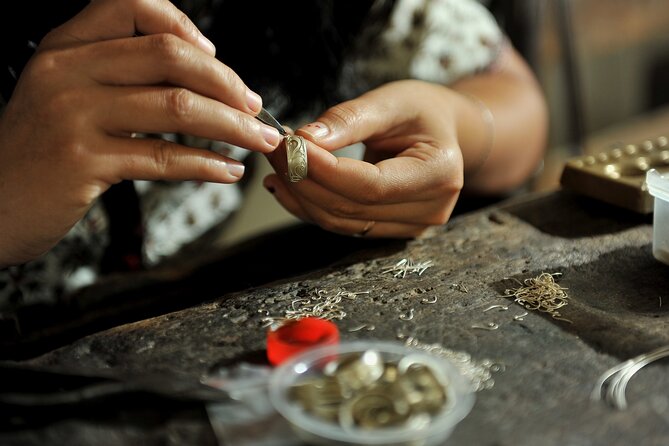
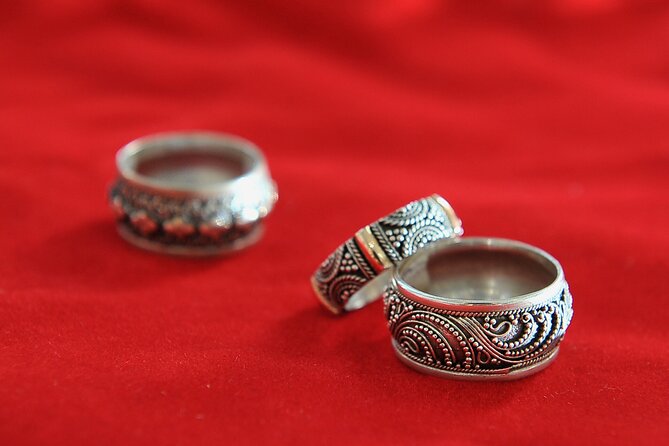
On the return toward Ubud, you pass through Celuk Village, the gold and silver making center. The tour frames it as Ubud’s artistic and spiritual heart, and the Celuk stop focuses on metalwork that you can see as part of the local economy.
This is a good complement to the morning’s woodcarving. You’ll feel the contrast between:
- carving (wood shaping),
- and fine metal craft (silvery shine, gold work, hands-and-tools production style).
Again, this is part of the craft circuit, meaning you may see items for sale. If you like artisan work, it’s fascinating. If you’d rather just move between sights, it can feel like another shop stop in a day that already has several.
Holy Springs Stop: A Quick Cultural Pause on the Way Back
On the way back, the tour includes a stop at Holy Springs, described as having water with reputed therapeutic and healing properties. This is one of those “short pause, cultural meaning” stops. It’s not positioned as a major time sink, but it helps break up the return drive.
If you enjoy small cultural stops, you’ll probably like this. If you prefer only big ticket attractions, you might treat it as a brief stretch-and-snack moment (even though the tour data says food is not included).
Guide Quality and Group Size: How You’ll Feel in the Day
A lot of your enjoyment here rides on your guide. And the feedback includes some strong guide names: Guside, Anto, and Radi. People highlighted how the guide was friendly, helpful with photos, and able to explain what you’re seeing.
Small group size also changes your experience. With a max of 15 travelers, you’re less likely to get stuck behind someone who’s moving slowly. You also get more chances to ask a quick question like:
- what you’re seeing in the carvings,
- what the dance story means,
- or why that highland view matters.
If you end up as the only traveler or a very small group (one review mentioned a solo situation), the dynamic can shift. Some guides may take the opportunity to tailor the day or add side visits. That can be a plus, but it can also mean more time spent in additional stops, so make sure you communicate your preferences early.
Weather, Expectations, and the Volcano Reality Check
Mount Batur is the reason many people pick this tour. The important truth is simple: clouds can steal your view. On misty days, the volcano can fade into the same gray you’d see on a mountain drive at home. That doesn’t ruin the tour, but it changes the payoff.
I’d also keep expectations in line with the fact that the tour is designed as a loop of multiple cultural points. It’s not a dedicated volcano hike. You’re going for a viewpoint, carvings, dance, and craft scenes.
So if you want:
- a multi-stop cultural day with big scenery,
- some hands-on craft watching,
- and a guided itinerary that keeps you moving,
then this tour fits your goal. If you’re chasing a close, rugged volcano experience with minimal shopping stops, you might feel better hiring a private driver just for the highlands and lunch.
Who Should Book This Tour (and Who Might Skip It)
This tour is a good match for:
- First-timers in Bali who want a structured highlights day
- People who like culture beyond temples—dance, carving, and craft villages included
- Travelers who want hotel pickup and an English-speaking licensed guide
- Couples or solo travelers who enjoy chatting in small groups
You might skip or rethink it if:
- You hate shopping stops or feel uncomfortable with sales pressure at craft centers
- You’re only interested in the volcano and want a closer viewpoint
- You’re very sensitive to rain-related changes and need guaranteed clear views
For many people, the solution is mindset. Treat the craft centers as part of understanding Bali’s daily creative economy, not as a test of your shopping restraint.
Should You Book the Kintamani Lake & Volcano Tour?
Yes, I’d book it if you’re after a guided, value-priced day that strings together Barong Dance, Goa Gajah, and Kintamani highlands without you doing logistics. At $67.95, the combination of included admissions, English-speaking guide time, and transportation is strong, and the max group size keeps it manageable.
But book with eyes open. The volcano view depends on weather, and you’ll spend real time at artisan stops that may include selling. If that sounds fun—or at least tolerable—you’ll likely enjoy this as a classic Bali sampler day.
If your priority is pure volcano viewing only, or you want to avoid craft-shop circuits entirely, then a private driver plan may suit you better.
FAQ
How long is the Kintamani Lake & Volcano tour?
The tour runs about 8 hours.
What’s included in the ticket price?
Hotel pickup and drop-off (from many south Bali hotel areas), an English-speaking licensed guide, and admission tickets at the listed stops. Food and drinks are not included.
Is lunch included?
No. Lunch is available at the restaurant with views, but it’s at your own expense.
Do I get hotel pickup and drop-off?
Yes, pickup and drop-off are offered from major hotels in the Kuta, Seminyak, Sanur, Jimbaran, and Nusa Dua area. Pickup charges can apply for some locations outside those areas.
How big is the group?
The tour has a maximum of 15 travelers.
Can I cancel for a full refund?
Yes. You can cancel up to 24 hours in advance for a full refund. Canceling within 24 hours of the start time isn’t refundable.
More Bali Tour Picks


More Bali Reviews & Picks
More Batur Volcano & Kintamani Days


Still deciding? More Bali days reviewed, from volcano sunrises to island crossings


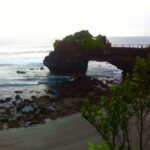
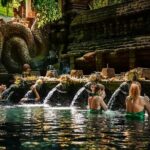



Batur Volcano & Kintamani Highlands, compared.
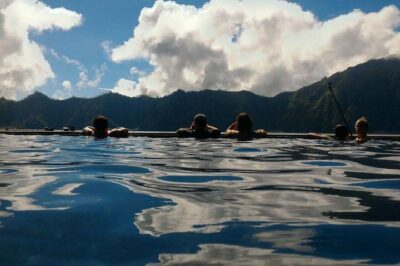 ★ 5.0Mount Batur Sunrise Hike and Natural Hot Spring OptionFrom $331,927 reviews
 ★ 5.0Mount Batur Sunrise Hike with BreakfastFrom $301,757 reviews
 ★ 5.0Mount Batur Sunrise Jeep Tour with Optional ActivitiesFrom $241,555 reviews
 ★ 5.0Mount Batur Jeep AdventureFrom $211,420 reviews
 ★ 5.0Mount Batur Sunrise Jeep TourFrom $391,247 reviews
★ 5.0Mount Batur Sunrise Jeep TourFrom $201,198 reviews
★ 5.0Mount Batur Sunrise Jeep TourFrom $391,247 reviews
★ 5.0Mount Batur Sunrise Jeep TourFrom $201,198 reviews
 ★ 5.0Mount Batur Sunrise Trekking Private All InclusiveFrom $21906 reviews
 ★ 5.0Mount Batur Sunrise Trekking Private Tour with Breakfast and Hotel TransferFrom $49885 reviews
Browse the lists this tour appears in