
Reviewed · BATUR VOLCANO & KINTAMANI HIGHLANDS
Kintamani Vulcano Tour
Volcano views and sacred baths in one day. I love Gunung Kawi for its carved cliff setting and I love seeing the Melukat purifying bath at Tirta Empul. One thing to plan for: lunch isn’t included, so you’ll want to budget or snack.
This is a long day, about 9 hours, but it stays focused. You’ll move from Ubud north through temple stops and scenic viewpoints around Mount Batur, then end in Tegalalang’s famous rice terrace area. I also like that bottled water, admission tickets, and a sarong for temple visits are included.
The payoff is a smooth, guided loop that’s meant to be easy. Pickup is offered, you ride in an air-conditioned vehicle, and it’s private for your group. If you want a lot of highlights without figuring out tickets and timing, this format makes sense.
In This Review
- Key highlights worth planning around
- Ubud to North Bali: why this day trip works
- Morning start with a traditional produce market stop
- Gunung Kawi (Mount Kawi): cliffside carvings in rice-terrace views
- Tirta Empul Temple and the holy spring Melukat procession
- Kintamani Highland: Lake and Mount Batur views in one focused hour
- Tegalalang rice terraces: the subak irrigation story you can see
- Transport, timing, and how to make the day feel easy
- Price and value: is $52.62 per person a good deal?
- A note on guides and driving: how local storytelling changes the trip
- Who should book this Kintamani volcano day trip
- Should you book the Kintamani Volcano Tour from Ubud?
- FAQ
- FAQ
- How long is the Kintamani Volcano Tour?
- What time does the tour start?
- Is pickup included?
- Is this a private tour?
- What’s included in the price?
- Is lunch included?
- Do I need to bring a sarong for the temple visits?
- Do I get a mobile ticket?
- Can I cancel for free?
Key highlights worth planning around
- Gunung Kawi’s cliff carvings in a rice-terrace setting
- Tirta Empul’s holy spring at Tampaksiring and the Melukat purifying bath procession
- Kintamani Highland viewpoints around Lake and Mount Batur
- Tegalalang rice terraces with traditional subak irrigation scenery
- Temple basics handled for you, including admission and a provided sarong
- A driver/guide team that can add local context, like Dewa and Kadek (depending on your booking)
Ubud to North Bali: why this day trip works
This Kintamani volcano-style day trip is built for people who want the north-Bali “wow” in one go. You’re not just doing one temple or one viewpoint. You’re stacking cliff carvings, a sacred spring ritual, and big volcanic scenery, then finishing with classic rice terraces.
What makes it a good value is that the money mostly goes to the parts you’d otherwise pay for yourself. Admission is included at the stops, and you’re riding in an air-conditioned vehicle with bottled water. That means you’re spending less time on logistics and more time watching, walking, and taking photos.
The pacing is also set up for variety. The morning starts with a local market feel, then swings into two temple sites, then out to Kintamani’s highlands for the volcano views, and finally down to Tegalalang for the rice paddies.
More sunrise treks and hot springs around Mount Batur

Morning start with a traditional produce market stop
The day kicks off in Ubud with a traditional produce market that serves local villages. This is the kind of stop that helps you get your bearings fast—before the temples and the scenery take over.
You’ll see everyday ingredients rather than a tourist-only layout. It’s also a good moment to pick up small snacks or drinks if you’re the kind of person who likes to be prepared, since lunch isn’t included later.
Practical tip: if you’re wearing something that’s comfortable for walking around a market, you’ll be glad you did. You’ll likely do a bit of moving around before the first temple stop.
Gunung Kawi (Mount Kawi): cliffside carvings in rice-terrace views
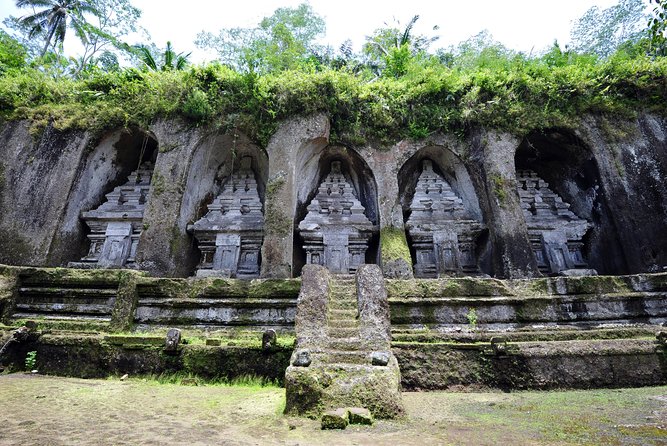
Gunung Kawi is the first major temple moment, and it’s special for its setting. The complex features large old carvings cut into cliff rock, and it sits in a beautiful area close to rice terraces.
You get the best of two worlds here: stonework that feels ancient and a surrounding environment that looks made for slow photos. The carvings date to the late 11th century, so it’s not a modern “show temple.” It’s older, more grounded, and it reads as a working part of the landscape rather than a staged stop.
Why I like this stop: it’s a temple where the location matters as much as the details. Even if you’re not a temple-archaeology person, you’ll likely feel the atmosphere because the carvings are literally wrapped into the cliff setting.
What to consider: temples usually mean you’ll want comfortable shoes and a respectful pace. Don’t plan to treat this like a quick photo-and-run moment. Take your time, look at the rockwork, then step back to catch the rice-terrace views.
Tirta Empul Temple and the holy spring Melukat procession
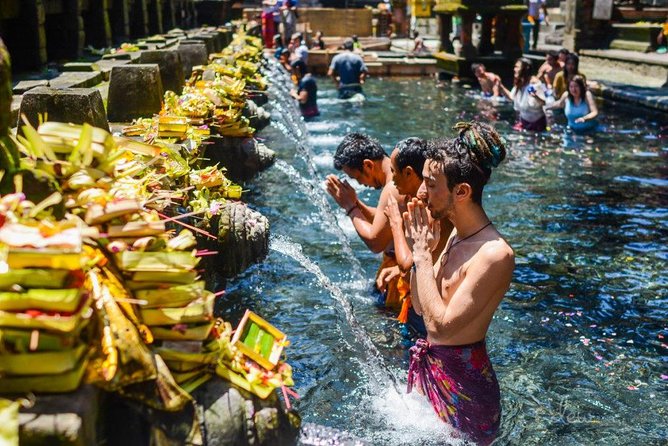
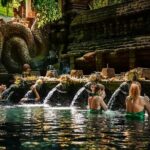
Next comes Tirta Empul Temple, built around the sacred spring at Tampaksiring. The spring bubbles up in the inner courtyard of the temple complex, and it’s believed to have magic curative power.
This is also where the experience becomes more than just sightseeing. Depending on timing, you can watch the Hindu Melukat procession—the purifying bath ritual. That’s a powerful cultural moment to witness because it’s active. People aren’t only there to look; they’re there to participate in a spiritual practice.
Why this stop feels meaningful: you’re seeing a living ritual tied to a sacred natural feature (the spring). Even if you don’t fully know the background, the atmosphere and purpose come through. It helps that the tour includes admission tickets here, so you can focus on being present rather than handling paperwork.
Practical tip: temple etiquette matters. The good news is that you use a sarong for the visit, and that’s included. Still, wear clothing you’re comfortable adjusting and moving in if you spend time close to the ritual area.
Kintamani Highland: Lake and Mount Batur views in one focused hour
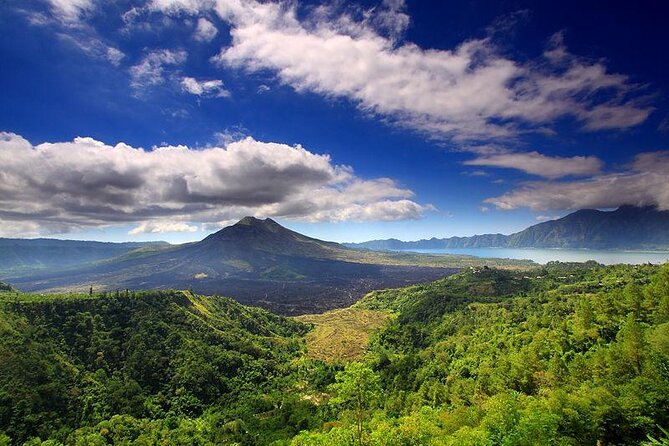
After the temples, you head north to Kintamani Highland. This area sits around the Mount Batur caldera and covers well-known communities like Penelokan, Toya Bungkah, Batur, Kedisan, Abung, Songan, and Kintamani itself.
Most people think of Kintamani as a viewpoint zone, and that’s not wrong. The tour gives you about an hour here to take in very beautiful views around Lake and Mount Batur. That volcanic backdrop is the reason many folks make the trip at all.
What you’re really buying with this stop: time to slow down and look. When you’re on the ground in Bali, it’s easy to get stuck in the “just drive to the next thing” rhythm. A dedicated Kintamani block breaks that up and lets the day breathe.
What to consider: Kintamani is a scenic payoff, but weather can change the vibe. If it’s misty, you may get softer views. If visibility is good, you’ll likely feel why this area is famous.

Tegalalang rice terraces: the subak irrigation story you can see
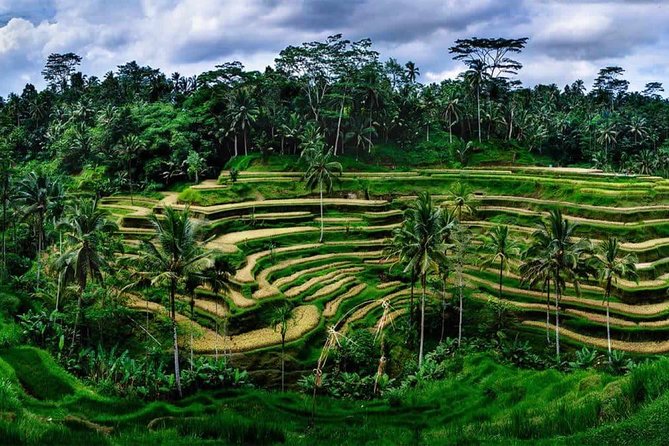
The day ends at Tegalalang Rice Terrace, one of the most photographed rice-paddy areas near Ubud. Here, the real star is how the rice fields are shaped and watered.
Tegalalang is famous for views of rice paddies involving the subak, the traditional Balinese cooperative irrigation system. The idea is larger than just farming. It’s community-based water management, handed down through tradition and local practice.
Why it’s worth the final stop: after temples and volcanic scenery, the rice terraces give you a calmer, slower kind of beauty. You’re not looking at sacred stone or a mountain caldera. You’re looking at working farmland and the human design that shapes it.
What to consider: because it’s popular, you’ll want to be patient with photography timing. Bring a flexible mindset and aim for the best light you can manage within the time you’re given. This stop is about an hour, so use that time well—walk a little, find a good angle, then spend a few minutes just watching the water channels and terraces.
Transport, timing, and how to make the day feel easy
This is a 9-hour tour, starting around 9:00 am, with a pickup offered and an air-conditioned vehicle. That matters because you’re moving through several distinct areas in one day. The fewer decisions you make, the more you can relax into the experience.
The included bottled water is also a nice practical touch. It’s a small thing, but it helps on a long day when you want to avoid paying for drinks at each stop.
One timing reality: the day is full. You’ll likely do quick transitions between places. That’s why it helps to pack like it’s a day trip that mixes culture and scenery:
- Comfortable shoes for temple and terrace areas
- Something light you can layer if the highlands feel cooler
- A plan for lunch since it’s not included
If you’re the type who gets hangry, snacks can keep you smiling through the middle of the day.
Price and value: is $52.62 per person a good deal?
At about $52.62 per person, the price is meaningful because many of the expensive-feeling items are bundled in. You get:
- Admission tickets at the included stops
- Bottled water
- Air-conditioned vehicle transport
- Private transportation
- All fees and taxes
- Sarong included for temple visits
What you don’t get is lunch and personal expenses. That’s the main “extra” you’ll feel in your wallet.
So the value question comes down to this: if you were planning the same day on your own, you’d likely spend time and money separately on entry fees, transport, and basic supplies like water. Here, the structure handles those costs for you.
The private aspect also matters. Even if you’re not traveling with a big group, private transportation tends to reduce waiting and improve timing control. It’s not a backpacker-style hop-on, hop-off day.
A note on guides and driving: how local storytelling changes the trip
A lot of the quality of day trips comes down to the person behind the wheel and the person explaining what you’re seeing. In examples like Dewa (guide) and Kadek (driver), the standout theme is clear communication and safe, polite driving.
If you get a guide like Dewa, expect more than just dates and names. The explanations tend to focus on local culture and what the spaces mean—especially around the temple visits and the ritual moments.
If your driver is like Kadek, you’re likely to get careful driving and useful context during the ride. One thing that can make the day feel extra personal is when a driver adds an extra learning stop when time allows, such as a coffee plantation visit. That’s not guaranteed for every booking, but it shows the kind of thoughtful add-on that can happen on the route.
Who should book this Kintamani volcano day trip
This tour fits best if you want:
- Temples plus volcano scenery without heavy planning
- A full north-Bali day that stays organized
- Included admissions and basic needs like bottled water and sarong
- A private setup for your group, with pickup offered
It may not be the best choice if you want a slow, unstructured vacation day. The schedule is packed with four major stops, so you’ll want to enjoy transitions and keep moving at a decent pace.
Also, if you’re mainly interested in one thing—only volcano views, for example—then you might prefer a shorter, narrower tour. But if you want variety, this is a strong mix.
Should you book the Kintamani Volcano Tour from Ubud?
If you want a single-day hit list for north Bali, I’d book it. You’re getting temple culture, a real ritual moment at Tirta Empul, major Kintamani views around Lake and Mount Batur, and an iconic rice terrace finale at Tegalalang—all with admission and key extras handled.
Be sure you’re comfortable with a long day and plan for lunch since it isn’t included. If you show up with decent walking shoes and a flexible attitude for timing, the day feels smoother and more rewarding.
FAQ
FAQ
How long is the Kintamani Volcano Tour?
The tour runs for about 9 hours.
What time does the tour start?
The start time is 9:00 am.
Is pickup included?
Pickup is offered.
Is this a private tour?
Yes. It’s listed as private, so only your group participates.
What’s included in the price?
Included items are bottled water, air-conditioned vehicle, private transportation, all fees and taxes, admission for the temple stops, and sarong use for temple visits.
Is lunch included?
No, lunch isn’t included.
Do I need to bring a sarong for the temple visits?
No. Sarong use for the temple visit is included.
Do I get a mobile ticket?
Yes. A mobile ticket is included.
Can I cancel for free?
Yes. Free cancellation is available, with a full refund if you cancel up to 24 hours in advance of the experience’s start time.
More Bali Tour Picks


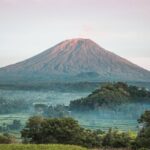
More Bali Reviews & Picks
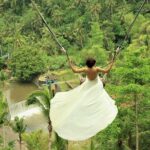
More Batur Volcano & Kintamani Days


Still deciding? More Bali days reviewed, from volcano sunrises to island crossings




Batur Volcano & Kintamani Highlands, compared.
 ★ 5.0Mount Batur Sunrise Hike and Natural Hot Spring OptionFrom $331,927 reviews
 ★ 5.0Mount Batur Sunrise Hike with BreakfastFrom $301,757 reviews
 ★ 5.0Mount Batur Sunrise Jeep Tour with Optional ActivitiesFrom $241,555 reviews
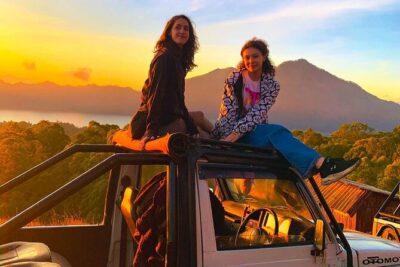 ★ 5.0Mount Batur Jeep AdventureFrom $211,420 reviews
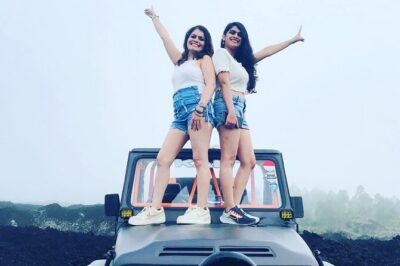 ★ 5.0Mount Batur Sunrise Jeep TourFrom $391,247 reviews
★ 5.0Mount Batur Sunrise Jeep TourFrom $201,198 reviews
★ 5.0Mount Batur Sunrise Jeep TourFrom $391,247 reviews
★ 5.0Mount Batur Sunrise Jeep TourFrom $201,198 reviews
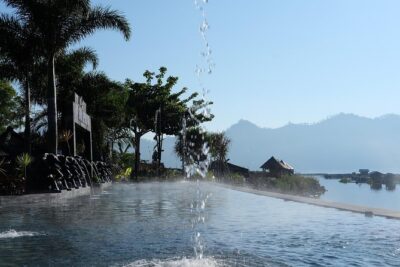 ★ 5.0Mount Batur Sunrise Trekking Private All InclusiveFrom $21906 reviews
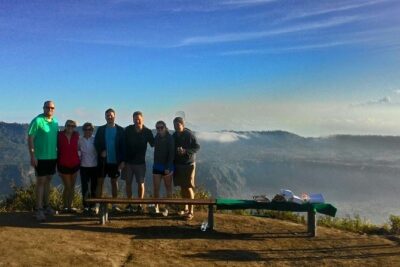 ★ 5.0Mount Batur Sunrise Trekking Private Tour with Breakfast and Hotel TransferFrom $49885 reviews
Browse the lists this tour appears in