
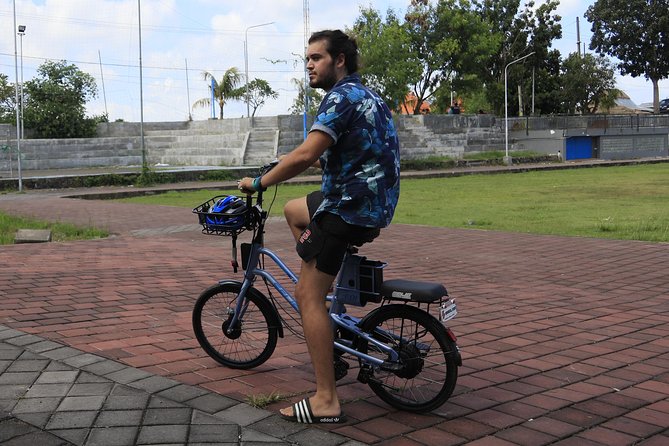
Reviewed · CYCLING & COUNTRYSIDE E-BIKE RIDES
Kuta Seminyak Scooter Lessons
Scooters in Bali feel scary at first. This Seminyak lesson turns that fear into control by starting with a powered bike and teaching you scooter basics with patient instructors like Raffi, plus local street know-how. You get a practical, calm approach to riding so you can handle your own transport later without stress.
One thing to consider: the experience depends on good weather, and it does not include breakfast or water, so plan accordingly before you meet.
It runs as a private session (just your group), and the whole thing is built to take you from fundamentals to confident street riding in about 2 hours.
In This Review
- Key things to know before you go
- Scooter Confidence in Seminyak, built for real-life driving
- What you learn: from bicycle basics to scooter control
- Riding smart on Bali roads: street rules and police awareness
- The Canggu practice area: what the session feels like
- Price and value: what $52 buys you
- Logistics that help: mobile ticket, timing, and meeting point
- How to prepare so you get the most from the lesson
- Who this scooter lesson is best for
- Should you book Kuta Seminyak Scooter Lessons?
- FAQ
- Where does the scooter lesson take place?
- How long is the scooter lesson?
- How much does the lesson cost?
- What’s included in the experience?
- Is this a private tour?
- What if the weather is bad or I need to cancel?
Key things to know before you go
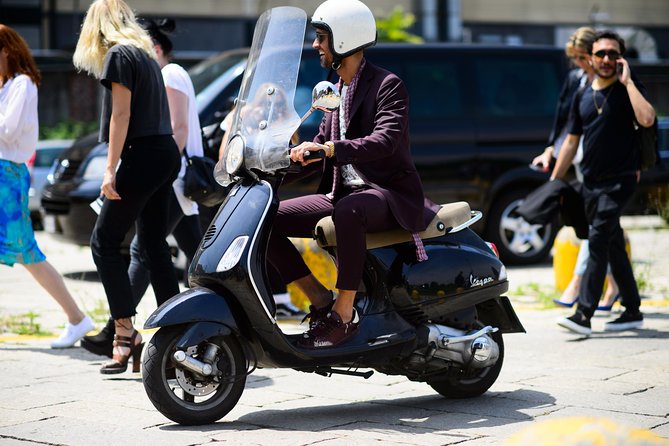
- Powered bike first: you learn the scooter rhythm on a bicycle-style setup before you level up to a real scooter.
- Quiet roads, then busier streets: coaching typically starts calmer, then you gradually gain confidence on more active roads.
- Local street rules + police awareness: you’re taught not only how to ride, but how to avoid common trouble spots.
- All the core gear included: bicycle, scooter, and helmet are part of the experience.
- Private, small-group feel: only your group participates, so instruction can stay focused.
- Canggu practice base: the lesson is anchored around Jalan Raya Canggu in the Tibubeneng area.
Scooter Confidence in Seminyak, built for real-life driving
If you’re planning any length of stay in Bali, scooter skills stop being a fun idea and start being a money-saver. A lot of places in Asia make scooters the default way to get around, and learning sooner means you can spend less time hunting rides and more time exploring.
This lesson in Seminyak (Canggu area) is designed to get you safely moving, not just riding in circles. It starts with the basics like you would on a bicycle, then scales up to scooter handling once you can manage balance, start/stop, and direction changes.
I like how the coaching aims at confidence you can actually use on Bali streets. The instructors in past sessions, including Raffi and Dio, are praised for being patient and focused on the fundamentals before you hit the road.
The other big plus: you’re not only learning scooter control. You also learn local rules of the street and practical ways to avoid trouble with police, which is where a lot of first-timers get stuck.
More cycling and e-bike rides through the rice country



What you learn: from bicycle basics to scooter control
The heart of the lesson is the progression. You begin with a powered bike that shares the same basic motion logic as a scooter. That matters because scooters have their own feel—throttle response, balance at low speed, and how you manage turns when everything is moving around you.
Once you handle the powered bike comfortably, you move up to the actual scooter. This step-by-step approach means you’re not thrown onto a scooter and told to figure it out. Instead, the goal is to build muscle memory in a controlled way first.
In the smoother lessons, instructors take time to check your basics before going further. One common thread in feedback is how teachers make sure you’re calm and in control before you ride on more active roads.
You also learn how to ride with attention to what’s happening around you. That includes timing your moves and reading street flow, which is how you avoid the frantic feeling that makes new riders freeze.
If you’ve watched Bali traffic from a distance and thought it looks chaotic, this structure is the antidote. You get a teaching path that’s logical: learn balance and rhythm, then learn scooter specifics, then apply it in real street conditions.
Riding smart on Bali roads: street rules and police awareness
Scooter lessons that only focus on the machine miss the point. Bali streets aren’t just about handling; they’re about navigating local traffic expectations. This experience includes instruction on local street rules and how to avoid common problems that can lead to police attention.
That training is valuable because it reduces your risk while you’re still learning. New riders tend to focus on the handlebars and forget that behavior matters—where you position, how you merge, and how you respond to changing road conditions.
The coaching style also seems built for first-timers. One lesson described going from a quieter road to busier roads with the instructor positioned at the back to help keep things calm. That approach is practical: you don’t just get thrown into traffic, and you don’t feel alone while you adapt.
The goal is not to make you an expert overnight. It’s to help you develop habits that keep you from panicking and getting into situations you don’t understand yet.
If you’re hoping to rent a scooter later during your trip, this is the part that can change your whole experience—from stressed to self-sufficient.
The Canggu practice area: what the session feels like
The session is based in the Canggu area, starting around Jalan Raya Canggu in the Tibubeneng area (Kuta Utara, Badung). That’s a good practical location choice because it gives you access to roads that range from calmer stretches to more active lanes.
Even without a formal multi-stop itinerary, the lesson typically changes in difficulty. You usually start on quieter roads to get your coordination right. Then you gradually move toward busier streets once you’re comfortable.
That progression is important for two reasons. First, your hands and feet need repetition. Second, street confidence comes from experience, not bravery. When an instructor is guiding you through that step-up moment, it’s much easier to keep your focus instead of spiraling into worry.
Also, the experience ends back at the meeting point, which helps you plan the rest of your day. You’re not stuck wondering how to get back to your hotel after a lesson.
Because it’s private for your group, the pace can stay tied to your comfort level. That matters if you’re nervous, slow to warm up, or learning at a different speed than you expected.
Price and value: what $52 buys you
At $52 for about 2 hours, this scooter lesson can be a strong value for the right traveler. The reason is simple: scooter learning often becomes a high-cost headache if you don’t have a basic plan. You could spend money on taxis, private drivers, or multiple ride-share attempts just to cover short distances while you wait to feel ready.
This lesson includes:
- A bicycle for the early learning stage
- A scooter for the main practice
- A helmet
That gear inclusion matters. It reduces the hassle of figuring out rentals and makes the lesson more straightforward. You show up, get taught, and practice with what you need.
What’s not included:
- Breakfast and water
- Private transportation to and from the meeting point
So while the lesson price is clear, your day still needs a little prep. Bring your own water plan. If you’re doing the lesson during a busy travel day, consider eating beforehand so you’re not distracted while learning.
For me, the value is strongest if you want scooter freedom for at least part of your trip. If you’re only staying a few days and won’t ride much, you might decide it’s not worth the investment. But if you want to move around independently, this lesson can pay you back quickly in reduced transport costs and reduced stress.






Logistics that help: mobile ticket, timing, and meeting point
You’ll receive a mobile ticket, which keeps things simple. The activity runs daily, with opening hours listed from 1:00 AM to 11:30 PM, so you can generally pick a time that fits your schedule.
The meeting point is near public transportation, which is useful if you don’t want to rely on a private car just to start learning. It’s also private for your group, so your instructor can meet you and focus on your session rather than building around other groups.
Where you should pay attention is weather. This experience requires good weather, and if it gets canceled due to poor weather, you’ll be offered a different date or a full refund. That protects you from losing money to conditions outside your control.
If you’re planning around sunsets and hot hours, remember that learning is easier when visibility and road conditions are stable. Even experienced riders do better when the session is comfortable and predictable.
How to prepare so you get the most from the lesson
Because the lesson includes key riding gear, you don’t need to hunt for a helmet or figure out how to work a scooter before the session. That’s a big relief.
Your main preparation needs to be human, not mechanical:
- Eat first. Breakfast is not included.
- Bring water or plan to buy it nearby. Water is also not included.
- Show up ready to learn in small steps, especially if you’re nervous about traffic.
You’ll also do better if you come with a mindset shift. This is not a one-try test. The purpose is building basic control so you can expand into real riding.
A helpful strategy is to focus on what your instructor is correcting. In past lessons, instructors like Raffi and Dio were praised for being patient and breaking things down into easy steps. That’s your cue to listen for small corrections rather than trying to power through.
If your goal is to ride independently later in Bali, treat the lesson like training for habits. Small changes—like how you start, stop, and turn—often matter more than speed.
Who this scooter lesson is best for
This lesson is a great fit if you:
- Want a practical way to learn scooter basics for a longer Bali stay
- Feel uneasy riding in traffic and want structured confidence-building
- Prefer a patient instructor who checks your basics before you ride more actively
- Want local street guidance, not just mechanical riding tips
It’s also a good choice if you’re traveling with a group and want it to stay private. Only your group participates, so you aren’t competing with strangers for attention.
If you’re an absolute beginner with bikes too, the powered bike start helps. It’s easier to build the learning curve from something that feels familiar before switching fully to a scooter.
And if you’ve already ridden a scooter briefly but you still don’t feel safe navigating street rules, the police-awareness and local rule coaching is the part that can close the gap.
Should you book Kuta Seminyak Scooter Lessons?
Book it if you want scooter independence and you’d rather learn in a guided, calm way than figure it out under pressure. The combination of step-by-step practice (powered bike first), gradual road exposure, and local rule coaching makes this a smart setup for first-timers.
Don’t book it if you won’t ride much during your trip, or if you’re traveling in a way that makes weather cancellations likely to ruin your schedule. Since the session depends on good weather, flexibility helps.
If you’re on the fence, here’s a simple way to decide: if you can see yourself riding more than a handful of times during your stay, learning here is likely to feel like a bargain. If you only need a taxi a few times, the lesson may be extra.
FAQ
Where does the scooter lesson take place?
It takes place in Seminyak, with the start point listed as Jalan Raya Canggu in the Tibubeneng area (Kuta Utara, Badung, Bali), and the activity ends back at the meeting point.
How long is the scooter lesson?
The duration is approximately 2 hours.
How much does the lesson cost?
The price is $52.
What’s included in the experience?
Included are the use of a bicycle, a scooter, and a helmet.
Is this a private tour?
Yes. It is a private tour/activity, and only your group participates.
What if the weather is bad or I need to cancel?
The experience requires good weather. If it’s canceled due to poor weather, you’ll be offered a different date or a full refund. You can cancel for a full refund up to 24 hours in advance.
More Bali Reviews & Picks
More Cycling & E-Bike Rides
Still deciding? More Bali days reviewed, from volcano sunrises to island crossings










Cycling & Countryside E-Bike Rides, compared.
 ★ 5.0Electric Cycling Tour of Ubud with Free Hotel Transfer and LunchFrom $411,397 reviews
 ★ 5.0Ubud: Downhill Cycling with Volcano, Rice Terraces and MealFrom $36536 reviews
 ★ 5.0Ubud eBikes Tour to Tegallalang Rice TerraceFrom $30507 reviews
 ★ 5.0Half-Day Ubud Electric Cycling Tour to Tirta Empul Water TempleFrom $49315 reviews
 ★ 5.0Kintamani Cultural and Nature Cycling Tour ( Manual Bike )From $33257 reviews
 ★ 5.0Haunted Valley Waterfall ATV and Bike TourFrom $50251 reviews
 ★ 5.0Bali Countryside Cycling ToursFrom $36246 reviews
 ★ 5.0Half Day Cycling Tour ( Manual Bike )From $33225 reviews
Browse the lists this tour appears in