Reviewed · BALI
Mangrove Reforestation and Exploration around the Nusa Islands
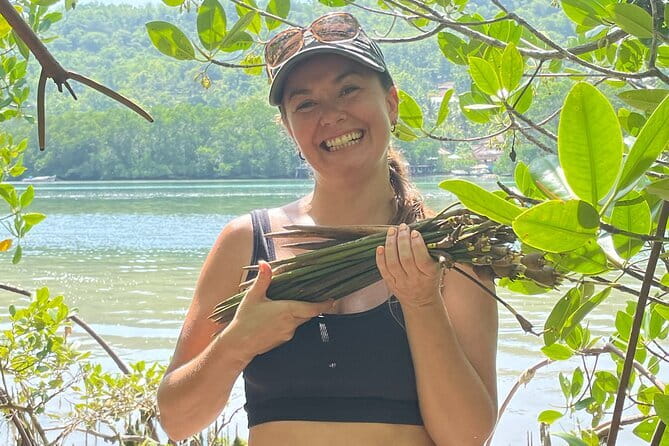
Planting mangroves on an island edge feels personal. This 7-hour Nusa Islands tour mixes real conservation work with easygoing island exploration, guided by local island natives with a nine-years-in-the-making restoration effort.
What I like most: you plant ten young mangroves and get your hands into the seedling process, then you learn how these forests protect coasts and support life. The other big win for me is the day’s rhythm: work in the morning, lunch on Nusa Ceningan, then time in and around the mangrove forest by canoe or boat.
One thing to consider: this tour is not recommended for people with mobility challenges, and there’s outdoor time where walking and getting into a small boat can matter.
In This Review
- Key things to know
- Mangrove Work Meets Nusa Island Hopping
- Price and What You Really Get for $76.60
- The 7-Hour Flow: Planting, Nursery Prep, and Island Lunch
- Mangrove Point at Nusa Lembongan: Education That Makes Planting Make Sense
- Working in the Nursery: Getting Your Hands Dirty (In a Good Way)
- Lunch on Nusa Ceningan: A Proper Break Between Work and Explore
- Exploring Nusa Lembongan and Nusa Ceningan After the Planting
- Canoe or Boat Through the Mangrove Forest: Seeing It Alive
- Why This Nine-Years Legacy Feels More Real Than a One-Day Project
- Who Should Book This Tour (and Who Might Skip It)
- Should You Book Mangrove Reforestation and Exploration Around the Nusa Islands?
- FAQ
- How long is the mangrove reforestation and exploration experience?
- Where does the tour start and end?
- What’s included in the price?
- What do I do during the reforestation activity?
- How many people are in the group?
- Is there flexibility if I need to cancel?
- Is it suitable for people with mobility challenges?
Key things to know
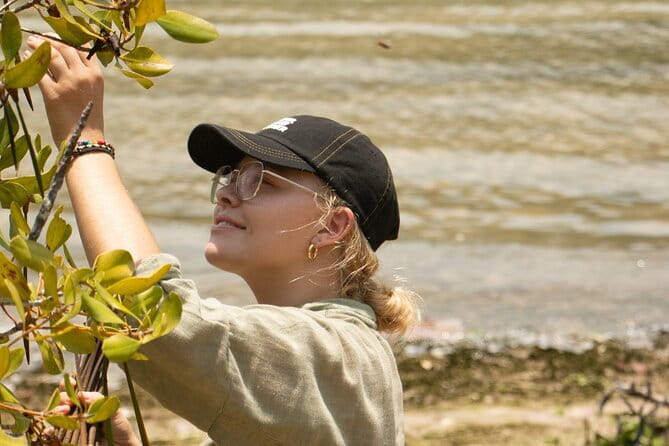
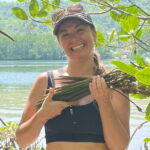
- Plant ten mangrove trees along the forest’s edge as part of the reforestation effort
- Prep seedlings in the nursery so the next group benefits from your work
- Learn how mangroves protect coastlines and store carbon, not just how to plant
- Lunch on Nusa Ceningan breaks up the day with ocean views and island atmosphere
- Explore Nusa Lembongan and Nusa Ceningan, then finish in the mangrove forest by canoe or boat
- Small groups (max 10) keep it hands-on and easier to ask questions
Mangrove Work Meets Nusa Island Hopping
This is one of those rare tours where the “activity” isn’t just a scenic stop. You’re actually contributing to a living ecosystem, and the rest of the day still feels like a vacation: island views, a proper lunch, and time moving around Nusa Lembongan and Nusa Ceningan.
I like the local angle. The people running this are island natives who know the terrain and the mangrove systems up close. That matters because mangroves aren’t just a photo backdrop. They’re a coastal buffer, a nursery habitat, and part of the food web—so the day feels more purposeful when the guide can explain what you’re seeing and why it matters.
The other nice part is the balance. You get real physical involvement, but the schedule also gives you breaks and exploration time. You’re not stuck in one place all day. Instead, it’s mangrove work followed by island wandering, capped with a mangrove-forest ride by canoe or boat.
More of Bali worth booking, from the Ubud rice terraces to the reefs off the Bukit.
- ️Nusa Penida by Private Boat – Snorkeling 4 spots, Swim with Mantas + Land Tour
★ 5.0 · 6,424 reviews
Price and What You Really Get for $76.60
At about $76.60 per person for roughly 7 hours, the value comes from what’s bundled into the day—not just the “experience label.”
Here’s what you’re effectively paying for:
- Transportation (private) that keeps the day smooth
- All fees and taxes, so you’re not nickel-and-dimed at stops
- Lunch and snacks, which is big on an island day when you’d otherwise buy food on your own
- Canoe or boat for the mangrove-forest portion, which is often the expensive part in island activities
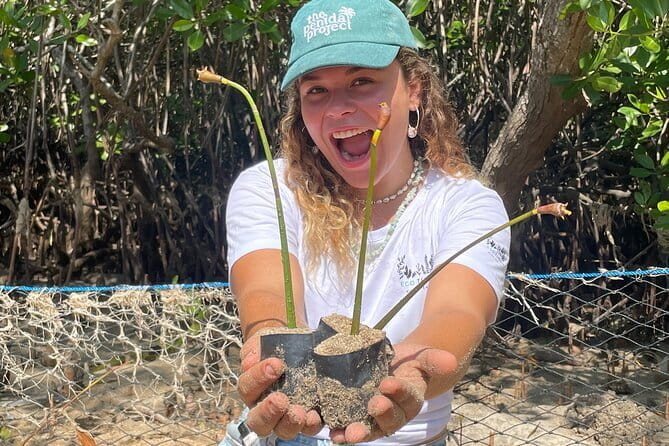
- The conservation work itself: planting ten mangroves and helping prep seedlings for future planting
If you’ve done island tours where you mostly watch from a distance, this cost makes more sense because your time turns into measurable effort. You’re not only learning. You’re helping put young trees into the mud and assisting in the nursery workflow that sets up the next group.
Also, the group size is capped at 10, which usually means less waiting, more time with the guide, and a calmer vibe when you’re handling seedlings and working outdoors.
The 7-Hour Flow: Planting, Nursery Prep, and Island Lunch
Even though the formal itinerary only lists one main stop, the day has a clear sequence that fits how mangrove restoration actually works: prep first, plant second, then get you into the ecosystem so the lesson lands.
You start in the area of Ecotourism Nusa Penida Buyuk and head toward Mangrove Point on Nusa Lembongan. After the mangrove session begins, the work is hands-on and structured:
- You’ll participate in mangrove education so you understand what you’re planting
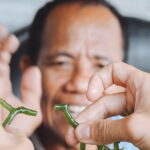
- You help collect and prepare seedlings in the nursery
- Then you plant ten young mangroves along the forest edge
After the planting work, the day doesn’t just send you straight back. You get lunch on Nusa Ceningan. It’s described as local and paired with ocean views and island atmosphere, which is exactly what you want after time working outdoors.
Then you shift into exploration mode. You get time to explore Nusa Lembongan and Nusa Ceningan, with chances for hidden spots and postcard-worthy views. You finish with the most fitting closer: exploring the thriving mangrove area by boat or canoe, so you can see the ecosystem in motion instead of only on land.
Mangrove Point at Nusa Lembongan: Education That Makes Planting Make Sense
The mangrove session is the heart of the day, and it isn’t presented like a dry lecture. The goal is to connect the hands-on work to real ecosystem function.
You’ll learn why mangroves matter, with the emphasis on practical effects:
- Protecting coastlines (they’re part of the natural defense system against erosion and wave impact)
- Storing carbon (so they matter beyond the local shoreline)
- Supporting biodiversity (mangroves are habitat, not just vegetation)
This is also where you’ll likely understand why the timing and method matters. Mangrove restoration is about survival rates. If seedlings are handled wrong or placed in unsuitable spots, results can suffer. You’re not just “planting something.” You’re learning how the process links to the ecosystem’s future.
One of the best bits from the feedback I’ve seen around this style of tour is that explanations can reach both adults and kids. People describe guides who keep things clear enough that younger participants can grasp the big picture. Even if you’re not bringing a class back to school, it makes the experience more satisfying because you can actually connect what you’re doing with what you’re seeing.
If you care about coral ecosystems too, you’ll appreciate that mangroves are taught as part of a connected coastal system. One of the nearby ecology activities people mention is coral reef rehabilitation, and it reinforces the same message: protecting coastal nature often works as a package.
Working in the Nursery: Getting Your Hands Dirty (In a Good Way)
This tour includes a nursery step, and it’s a big deal. Planting is the headline, but nursery prep is the quiet work that makes restoration realistic.
Here’s what that feels like in practice:
- You collect and prepare mangrove seedlings
- You get shown what to do before planting so you aren’t guessing
- You’re helping set up the next wave of reforestation, not only today’s planting
That “next group” element makes the work feel bigger than a one-day photo moment. It’s not just about your personal participation; it’s part of a continuing routine. And that long-term focus matches the tour’s nine-year legacy claim, which you can feel in the way the day is structured.
Also, it’s a good way to slow down and understand the plant itself. Mangrove seedlings aren’t like typical garden starts. They’re part of a coastal system with specific conditions, and prepping them gives you respect for the process.

Lunch on Nusa Ceningan: A Proper Break Between Work and Explore
After the planting effort, you’ll eat lunch on Nusa Ceningan. The description calls out ocean views and island vibes, and that’s not a small detail. On island days, the wrong meal timing can ruin your energy and your mood.
What makes this lunch valuable in the overall experience:
- You get food included so you can focus on the day
- You likely eat partway through the schedule after the main work
- The setting helps reset you before you start moving around the neighboring islands
If you’ve ever done a conservation-style activity where you end up snacking randomly, this is a smoother setup. You know there’s a meal coming, and the ocean backdrop makes it feel like a reward rather than a checkpoint.
Exploring Nusa Lembongan and Nusa Ceningan After the Planting
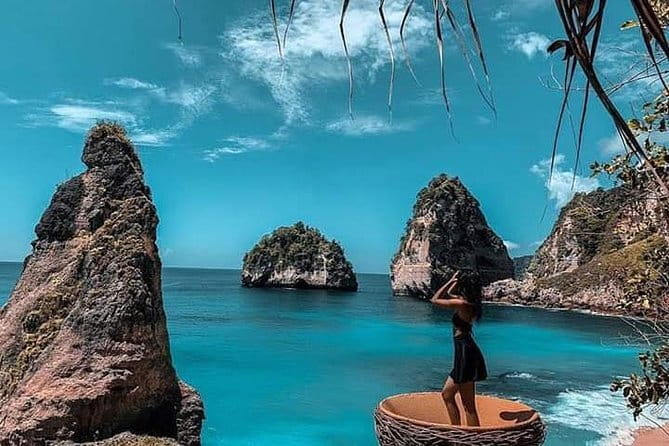
Once lunch is done, the day turns more exploratory. You’ll have time to explore both Nusa Lembongan and Nusa Ceningan, described as full of charm, hidden spots, and scenic photo chances.
I like this shift because it prevents conservation fatigue. Instead of spending the entire day in one role—planting, learning, repeating—you get variety. You can stretch your legs, look for views, and let the meaning of the morning settle.
Also, it helps you connect the work to the place. Mangroves aren’t floating in an educational vacuum. They’re part of island coastlines. When you explore around the Nusa Islands right after the planting lesson, you’re more likely to notice coastal edges, water movement, and why protected habitat matters.
If you’re traveling with a group, this part of the itinerary tends to work well because people can focus on different things: some will chase photos, others will ask questions about mangrove functions, and everyone benefits from having a knowledgeable person nearby.
Canoe or Boat Through the Mangrove Forest: Seeing It Alive
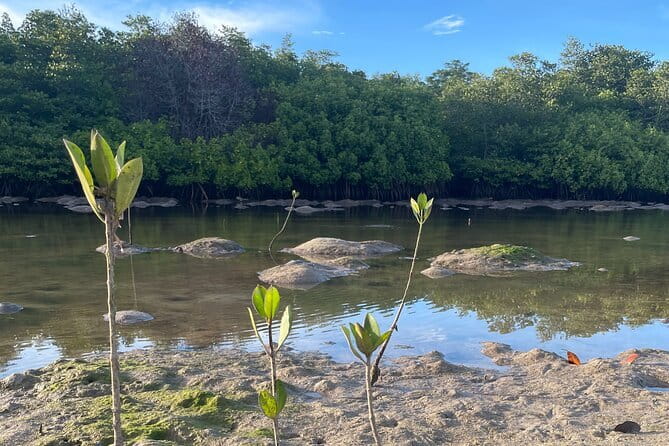
The day ends with a mangrove-forest visit by canoe or boat. This is the moment that ties everything together.
Why it matters:
- You move through (or alongside) the ecosystem rather than only looking at it from the shore
- You can spot signs of a living habitat, not just planted stems
- The earlier lessons about coastline protection, carbon storage, and biodiversity become easier to imagine
Even if you’re not a “nature person,” this part usually clicks because it’s physical and visual. You’re part of the environment’s geometry—water channels, forest edge, and the overall feel of a coastal wetland.
One practical note: you’ll want to dress for outdoors and for the reality of being near the water. The tour includes a canoe or boat segment, so comfort and footwear matter more than usual on a “walking-only” island day.
Why This Nine-Years Legacy Feels More Real Than a One-Day Project
A lot of conservation tours advertise good intentions. This one adds structure: seedling prep for the next group, then tree planting, then an ecosystem walk-through by canoe or boat.
That continuity is what makes the tour feel credible. You’re not only getting a “volunteer moment.” You’re helping with a repeated workflow:
- nursery preparation that supports future planting
- planting ten mangroves as part of an ongoing restoration effort
- education that explains the ecology behind the work
Over time, those repeated tasks are how a forest actually comes back. And that’s why the day doesn’t feel like theater. You can sense that the organization is trying to build results, not just run activities.
It’s also a nice reminder that mangrove restoration is a human story. The guide approach is community-led and island-native, which usually means the work fits local knowledge and local reality better than a short-term outsider program.
Who Should Book This Tour (and Who Might Skip It)
This tour is a strong match if you want:
- a hands-on conservation day, not just sightseeing
- a chance to learn why mangroves matter (coastlines, carbon, biodiversity)
- a manageable duration of about 7 hours with lunch included
- small-group attention (max 10)
You might consider skipping it if:
- you need a mobility-friendly experience, because it’s not recommended for people with mobility challenges
- you don’t want to get involved in outdoor work like collecting and prepping seedlings
- you prefer a purely relaxed beach-and-view itinerary
For most people, the good news is that it’s listed as suitable for most travelers. The work is structured, and the explanations are described as clear enough for kids, which suggests the team isn’t just showing up and handing you tools.
Should You Book Mangrove Reforestation and Exploration Around the Nusa Islands?
I’d book this if you want your island day to mean something and you’re okay with getting a bit hands-on. The value is in the combination: ten mangrove trees planted, nursery prep, education, lunch on Nusa Ceningan, and a finishing ride through the mangroves by canoe or boat. That mix is harder to find at this price point than you’d think.
Book it too if you like the idea of learning by doing. The day isn’t just facts; it’s planting and then seeing the ecosystem immediately after.
Skip it if mobility is an issue for you, or if you’d rather spend the day purely on viewpoints without any outdoor work.
If you’re doing a Nusa-focused trip and you’re open to trading one more “coral-only” day for a different part of coastal nature, this is a smart way to expand your understanding of the whole system.
FAQ
How long is the mangrove reforestation and exploration experience?
It runs for about 7 hours.
Where does the tour start and end?
It starts at Ecotourism Nusa Penida Buyuk, Jalan, Ped, Nusa Penida, Klungkung Regency, Bali 80771, Indonesia and ends back at the meeting point.
What’s included in the price?
It includes private transportation, all fees and taxes, lunch, snacks, and a canoe or boat.
What do I do during the reforestation activity?
You plant ten young mangrove trees along the forest’s edge, and you also collect and prepare mangrove seedlings in the nursery as part of the education and restoration process.
How many people are in the group?
The tour has a maximum of 10 travelers.
Is there flexibility if I need to cancel?
Yes. You can cancel for a full refund up to 24 hours in advance of the experience start time. If you cancel less than 24 hours before, the amount paid is not refunded.
Is it suitable for people with mobility challenges?
It’s not recommended for people with mobility challenges.
More Bali Reviews & Picks
- ️Nusa Penida by Private Boat – Snorkeling 4 spots, Swim with Mantas + Land Tour
★ 5.0 · 6,424 reviews