
Reviewed · NUSA PENIDA ISLAND HOPPING
Seaweed Farming Activity and Sightseeing at Diamond Beach
Seaweed farming off Nusa Penida is not your usual beach day. What makes this outing special is that you actually work with local families and learn their daily techniques, then you end with famous coastal views at Atuh Beach and Diamond Beach. It’s designed as a small-group, real-life look at how seaweed supports island incomes, not just a drive-by photo stop.
I especially like the hands-on part of the morning. You get a presentation first, then you head out with local farmers and try the process yourself, which makes the rest of the day feel more meaningful. The second big win is that the tour wraps in more than scenery: you get a local lunch and the team also takes photos/videos and shares them after, so you don’t spend the whole day juggling your phone.
One thing to plan around: sea conditions and tides can affect what you can do in the water. In those cases, the beach portion still delivers, and a good guide (I heard Ayu can keep things fun with plenty of Indonesia stories) helps the day feel worth it.
In This Review
- Key points to know before you go
- Seaweed Farming at Nusa Penida: Why This Tour Feels Different
- Meeting at the Ecotourism Nusa Penida Basecamp Below Coral Cafe
- The Morning Presentation: What You Learn Before You Get Hands-On
- Hands-On Seaweed Farming: Traditional Techniques and Trying It Yourself
- What the Seaweed Work Feels Like (And How to Show Up Right)
- Lunch Plus the Photo/Video Bonus You’ll Actually Use
- Atuh Beach: The Scenic Stop That Can Steal the Day
- Diamond Beach (Pantai Diamond): Walk Down, Swing, or View From Above
- Price and Logistics: Is $74.19 Worth It?
- Who This Tour Fits Best (And Who Should Rethink It)
- Should You Book Seaweed Farming and Diamond Beach?
- FAQ
- How long is the seaweed farming and sightseeing day?
- Where do I meet for the tour?
- Is lunch included?
- Are water boots provided?
- How many people are in each group?
- Can I get hotel pickup and drop-off?
Key points to know before you go
- Small group feel with a maximum of 6 travelers, so questions don’t get lost.
- Presentation first, hands-on next, so you understand what seaweed farming does before you touch anything.
- Water boots available for the ocean portion, which saves you from searching for gear on the island.
- Atuh Beach + Diamond Beach means you get both a scenic viewpoint stop and the iconic Diamond Beach area.
- Photos and videos included, taken during the day and shared afterward.
- Air-conditioned transport ties the long-ish day together without turning it into a sweaty logistics puzzle.
Seaweed Farming at Nusa Penida: Why This Tour Feels Different
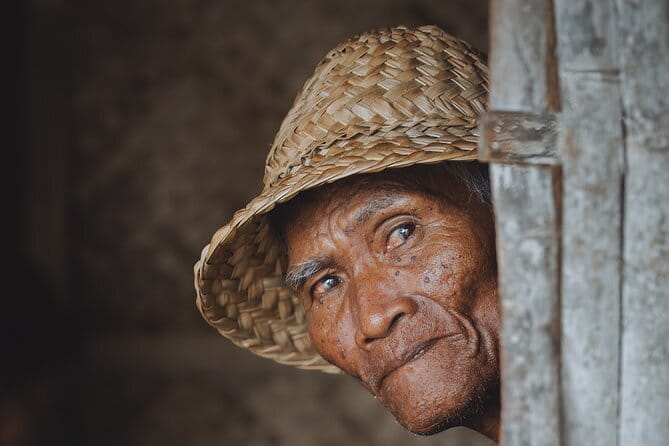
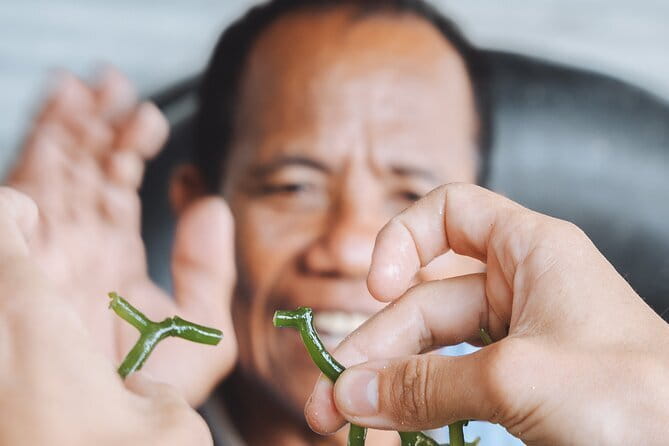
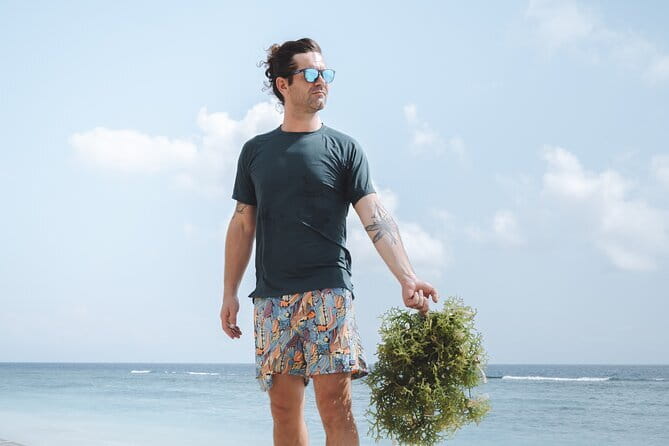
This isn’t a generic eco-tour where you watch from a distance. The core value here is that you’re getting a rare, hands-on glimpse into the daily life of Nusa Penida’s seaweed farmers, with an explanation of why it matters—economically and environmentally.
Seaweed farming is one of those quiet industries that many visitors never see. Here, you get the story in plain language first: how seaweed is grown, what it supports along the coast, and why local families depend on it even when the market can be unpredictable. When you understand the “why,” the rest of the day clicks. Diamond Beach photos look prettier, sure—but you’ll also know what kind of work helped shape the shoreline around you.
There’s also a practical impact angle. Your participation is tied directly to supporting local families who rely on seaweed farming for a more stable, sustainable income. That matters when you’re deciding whether to spend money on a “feel-good” tour or one that actually connects you to the local rhythm of the place.
More island days across Nusa Penida and the Nusa islands
- ️Nusa Penida by Private Boat – Snorkeling 4 spots, Swim with Mantas + Land Tour
★ 5.0 · 6,424 reviews
Meeting at the Ecotourism Nusa Penida Basecamp Below Coral Cafe
Most of the day starts from a basecamp in Nusa Penida, located below the Coral Cafe area. You’ll meet at Ecotourism Nusa Penida Buyuk, Jalan, Ped, Nusa Penida, Klungkung Regency, Bali 80771, Indonesia, and the activity ends back at the same spot.
Why this matters: it keeps the start focused. You’re not hopping between random pick-up points. After you settle in, you’ll join a presentation that sets expectations and gives context before you go anywhere near the ocean portion.
Plan to arrive with a little time buffer so you can get oriented and comfortable. You’ll also be offered the chance to borrow water boots before heading out. That’s a small detail, but it can make or break comfort—especially if you’re not used to slippery, coastal ground.
The Morning Presentation: What You Learn Before You Get Hands-On
The day begins with a presentation at the basecamp. This is more than a sales talk. You’ll learn:
- how seaweed farming works in daily practice
- why it’s important for coastal ecosystems
- what it means for the local community
Then you’ll get orientation for the hands-on activity—what you’ll do, how you’ll do it, and what to be mindful of in the ocean environment.
This “learn first” setup is a big reason the tour feels coherent. Without it, seaweed farming could feel random or just messy for the sake of tourism. With the context, you can connect your effort to the bigger picture: the work is repetitive by design, and the whole point is consistency and care.
If you’re a photo person, this part also helps you frame what you’re seeing later. You’ll know what to look for when you’re on-site, not just where to point your camera.
Hands-On Seaweed Farming: Traditional Techniques and Trying It Yourself
After the presentation and prep, you head out by well-maintained air-conditioned vehicle to the seaweed farm area. This is where you meet local farmers and learn traditional farming techniques firsthand.
You’re not expected to become a professional diver or seaweed farmer by lunch. But you are encouraged to participate with guidance from the tour team and local partners. The goal is that you experience the steps, understand the workflow, and see the effort required to keep farms operating day after day.
A key detail: this tour is designed around the idea that you’ll try the work yourself, not just watch it. That’s what turns a cultural explanation into a real memory. You’ll likely be handling or working with parts of the farming setup under supervision, guided by people who do this for a living.
One more reality check, based on real-world conditions: tides and sea conditions can affect access or what’s safely doable in the water. If that happens, don’t assume the whole day is ruined. The tour still includes the scenic beach stops, and the guide can keep the day moving with stories and context so you still leave with a sense of place—not just sand photos.
What the Seaweed Work Feels Like (And How to Show Up Right)
The tour notes recommend moderate physical fitness. That usually translates to being able to stand, walk on uneven ground, and move around during the ocean portion without expecting a totally flat, wheelchair-smooth route.
Here’s how you can make your day easier:
- wear clothes you don’t mind getting a bit wet (and be practical with footwear)
- keep your phone secured for the water portion
- listen closely during orientation so you’re not guessing on the farm
Also, service animals are allowed. If you’re traveling with one, it’s worth bringing it up during booking so the team can guide you on the best way to manage it during the ocean segment.
Lunch Plus the Photo/Video Bonus You’ll Actually Use
After the seaweed farming experience, you’ll have a local lunch included. That’s a meaningful add-on because it breaks up the day and gives you time to reset before the beach portions. It also keeps things grounded in local life rather than switching to generic, tourist-only meals between activities.
Another feature I appreciate: the team takes photos and videos throughout the day and happily shares them afterward. For busy travelers, this can be a lifesaver. Instead of constantly switching between guide talk, beach framing, and selfie mode, you can focus on enjoying what’s happening while still leaving with images.
Just keep expectations realistic: you’ll still want your own photos at the beaches, but having someone handle the in-between moments (like you participating in the farm work) is a genuine value.
Atuh Beach: The Scenic Stop That Can Steal the Day

Your day includes a stop at Atuh Beach (Pantai Atuh). This is one of the viewpoints that tends to look like it came straight from a postcard folder. Even if your morning seaweed portion gets limited by conditions, Atuh still has that “wow, I’m glad we came” energy.
Atuh Beach works well in a route like this because it gives you a coastal payoff without requiring a super long trek. It’s a strong contrast after the farm work: you go from hands-on labor and salt-air reality to wide-open scenery and easy photo angles.
It’s also a great place to slow down. The tour structure moves fast enough to be fun, but Atuh gives you a chance to pause, look out, and take in the coastline from a satisfying viewing perspective.
Diamond Beach (Pantai Diamond): Walk Down, Swing, or View From Above
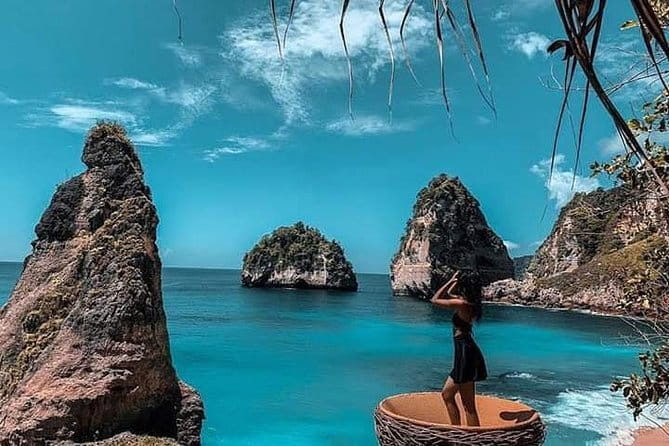
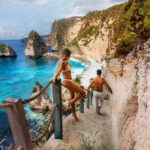
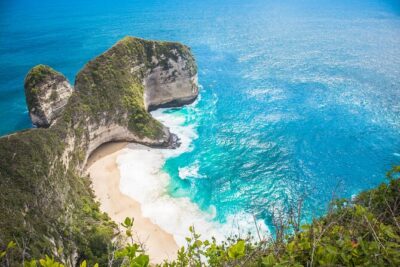
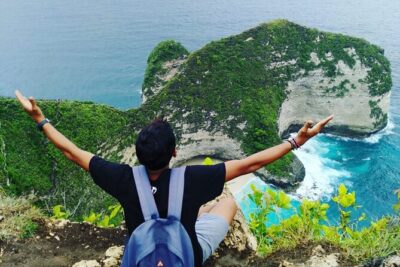
After Atuh, you’ll visit Diamond Beach in East Nusa Penida (Pantai Diamond). This is the stop most people recognize, and for a reason: the iconic coastal rock formations and the dramatic shoreline make it an easy place to lose track of time.
You have options for how you experience it:
- walk down to get closer to the sand and surf area
- try the Bali swing
- or stay above for panoramic views
That flexibility is smart because people have different comfort levels with steep paths, crowds, and time in the sun. If you want more adrenaline, you can go for the swing. If you’d rather keep it calmer, the view from above is usually enough to get that “Diamond Beach” feeling without exhausting yourself.
One more practical note: Diamond Beach is visual, but it also rewards good timing. If the group moves slowly, you’ll get better photo angles and more room to enjoy the coastline rather than squeezing between others.
Price and Logistics: Is $74.19 Worth It?
The price is listed at $74.19 per person, and the average booking window is about 33 days in advance. For a day that includes a presentation, hands-on seaweed farming, transport in an air-conditioned vehicle, lunch, gear support (water boots), plus photos/videos, it’s not a bargain—but it is a solid value if you want more than beaches.
Here’s what you’re really paying for:
- access to a specific local livelihood (seaweed farming) that most visitors never see
- a guided, structured experience with orientation so you understand what you’re doing
- small group size (max 6), which usually means a better day than big-van tours
- beach time at two distinct locations, not just one
If your priority is only the fastest possible beach hits, you might find cheaper day tours. But if you care about connecting the scenery to local work, this format makes the money easier to justify.
Who This Tour Fits Best (And Who Should Rethink It)
This tour fits best if you want:
- a cultural, hands-on activity rather than a passive sightseeing day
- to learn how seaweed farming supports coastal communities
- two major Nusa Penida beach stops (Atuh and Diamond) in one outing
- a small group schedule with guided context
It may be less ideal if:
- you only want zero-activity scenery time and don’t like any chance of ocean-based limitations
- you’re expecting guaranteed, uninterrupted farming time regardless of tide and sea conditions
- you’re traveling with very limited mobility and aren’t comfortable with moderate fitness demands
For families, couples, and solo travelers who enjoy learning from locals, this day feels like a good mix of work, views, and meaning.
Should You Book Seaweed Farming and Diamond Beach?
If you’re choosing between another beach-only day and this more purposeful outing, I’d lean toward booking it—especially if you like the idea of meeting the people behind the landscape. The combination of a morning livelihood experience, lunch, and then iconic coastline stops is a strong use of your time on Nusa Penida.
Do consider one thing before you commit: the seaweed portion can be affected by tides. That doesn’t mean the day falls apart, but it does mean you should go in with flexibility and focus on the whole experience, not just one segment.
If your ideal Bali day is about photos with zero effort and no variables, you may want a simpler route. If you want your pictures to come with context—and you like learning by doing—this is the kind of tour that makes your time on Nusa Penida feel more real.
FAQ
How long is the seaweed farming and sightseeing day?
It runs for about 6 hours 30 minutes.
Where do I meet for the tour?
You meet at Ecotourism Nusa Penida Buyuk, Jalan, Ped, Nusa Penida, Klungkung Regency, Bali 80771, Indonesia. The tour ends back at the same meeting point.
Is lunch included?
Yes. A local lunch is included.
Are water boots provided?
You can borrow water boots before heading out for the seaweed farming activity.
How many people are in each group?
The group maximum is 6 travelers.
Can I get hotel pickup and drop-off?
Yes, but you need to request it at least 12 hours in advance.
More Bali Reviews & Picks
- ️Nusa Penida by Private Boat – Snorkeling 4 spots, Swim with Mantas + Land Tour
★ 5.0 · 6,424 reviews
More Nusa Penida & Island Hopping
- ️Nusa Penida by Private Boat – Snorkeling 4 spots, Swim with Mantas + Land Tour
★ 5.0 · 6,424 reviews
Still deciding? More Bali days reviewed, from volcano sunrises to island crossings



Nusa Penida Island Hopping, compared.
 ★ 5.0️Nusa Penida by Private Boat – Snorkeling 4 spots, Swim with Mantas + Land TourFrom $1006,424 reviews
 ★ 5.0Nusa Penida day trip: boat, 4 snorkeling, Manta rays & Land tourFrom $782,033 reviews
 ★ 5.0Bali Nusa Penida West Private All-Inclusive TourFrom $801,277 reviews
 ★ 5.0Open Water Course in Nusa Lembongan – Get Certified on remote island (next Bali)From $461864 reviews
 ★ 4.5Nusa Penida One Day Trip with All-inclusiveFrom $51743 reviews
 ★ 5.0️ Nusa Penida Instagram Tour: The Most Famous Spots (Private All-Inclusive)From $119538 reviews
 ★ 5.02 Days Discover Scuba Diving in Nusa Lembongan – Scuba InitiationFrom $151506 reviews
 ★ 5.0Nusa Penida Island Beach Tours Private All InclusiveFrom $64447 reviews
Browse the lists this tour appears in