
Reviewed · NUSA PENIDA ISLAND HOPPING
Open Water Course in Nusa Lembongan – Get Certified on remote island (next Bali)
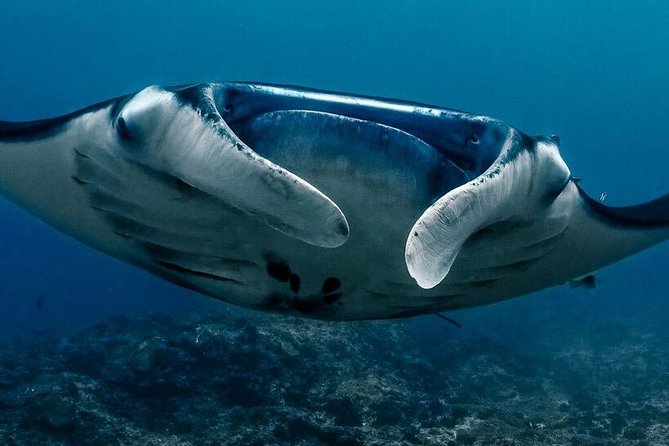
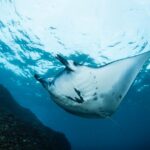
Manta rays are on the menu. This SSI Open Water course on remote Nusa Lembongan gets you training to 18 meters (60 feet) with real instructor coaching, not just a checklist, and the base has the practical stuff like Wi‑Fi, lockers, and bathrooms. One thing to keep in mind: conditions and site access can affect whether you’ll make every featured stop (including manta-focused spots), so stay flexible.
What makes this course work so well is the structure: you build knowledge first, then drill skills in shallow water over multiple sessions, and finally put it all together with at least four open-water training outings in the sea. If you’re nervous, that matters—several instructors at this school are praised for staying calm and patient when someone gets spooked on early underwater sessions.
The only real drawback is that you’re committing to three days of active learning outdoors and in the ocean, so you’ll want moderate physical fitness and a good attitude toward practicing the basics again and again (that’s how it sticks).
In This Review
- Key Things I’d Focus On Before You Go
- Getting Your SSI Open Water Card on Nusa Lembongan
- Three Days of Training: What You Actually Learn
- Crystal Bay, Mangrove Point, Toyapakeh, and Jungut Batu
- Gear Included Means Less Stress on Day One
- Instructor Coaching: Calm, Clear, and Adjusted to You
- Depth and Safety Reality Check (18m Is Serious)
- Price and Value: Is $461.48 Worth It?
- Who Should Book This Course (and Who Might Want a Different Fit)
- FAQ
- FAQ
- How deep will I be trained for?
- How long is the Open Water course on Nusa Lembongan?
- How many training sessions will I do in shallow water?
- How many ocean sessions are included?
- What’s included in the price?
- Is accommodation included?
- Is digital photo/video included?
- Is the course private?
- What happens if weather is poor?
- Should You Book This SSI Open Water Course?
Key Things I’d Focus On Before You Go
- SSI Open Water certification to 18m (60 feet), so you come away with a globally recognized card
- Multi-step training: theory, then shallow-water sessions (at least 5), then ocean sessions (at least 4)
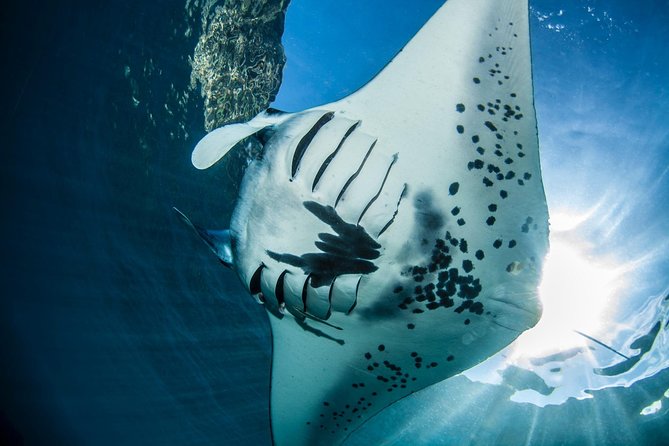
- Manta-ray targeted experience in the area, with the understanding that conditions can change plans
- Comfortable training base: lockers, toilets/showers, change rooms, and Wi‑Fi
- Gear is included (mask, tank, fins, and the rest of the scuba kit you need)
- Instructors with proven patience like Silvère, Loïc, Kaka, and Pablo, especially when nerves show up
Getting Your SSI Open Water Card on Nusa Lembongan
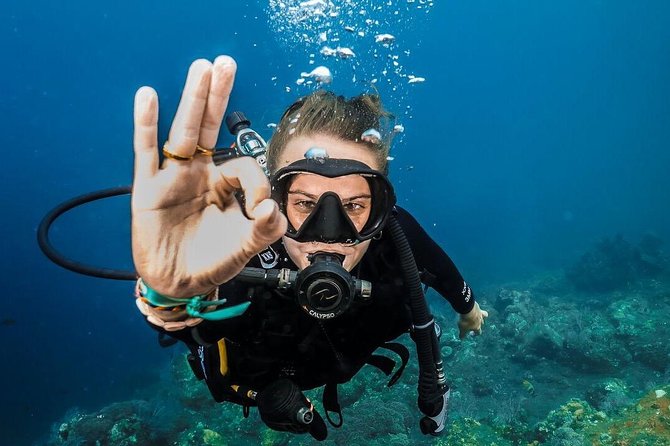
If you’re trying to turn first-time curiosity into actual certification, this course is built for that moment. SSI’s Open Water program is the most popular beginner scuba credential, and here you get the full learning arc: classroom basics, controlled skill practice close to shore, and then guided underwater work where you learn how everything feels in real conditions.
The setting is a big part of the appeal. Nusa Lembongan is quieter than Bali, more island-feeling, and it’s a smart base if you want marine life without the big-city rush. You’ll be starting from the Jungutbatu area, then spending your days at different coastal spots around the island.
And yes—marine life is a real part of the experience. From what I can tell from instructors’ approach and the kinds of sightings people call out, you’ll have a decent chance at classic Indo-Pacific wildlife like turtles, octopus, and sometimes sharks, plus plenty of fish and coral. You’re not booking a zoo; you’re booking training in the right places for the ocean to do its thing.
More island days across Nusa Penida and the Nusa islands
Three Days of Training: What You Actually Learn
This course is organized in three main stages, and each one has a purpose. The goal isn’t just getting your card—it’s learning how to stay in control underwater, even when things feel new.
Step one is knowledge
You’ll develop your understanding of scuba basics: how breathing underwater works, how buoyancy and equipment fit together, and how to handle the common moments that beginners worry about. This theory time is what makes later practice less random.
Step two is shallow-water skill building
You’ll do basic exercises in shallow water—either a beach setup or a swimming pool—over at least five practice sessions. Expect to repeat core skills until they become automatic: controlled breathing, calm equipment handling, and basic underwater positioning.
Step three is open-water ocean practice
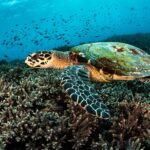
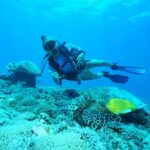
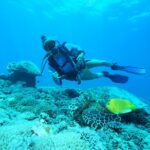
Then comes the part everyone remembers: ocean sessions where you use the skills for real, with at least four ocean sessions for technique practice and exploring the seabed. You’re trained under a certified instructor, and the program is designed to get you comfortable up to 18 meters (60 feet).
The practical takeaway: you’re not just learning to follow instructions. You’re learning why your body and gear behave the way they do, then building muscle memory through repetition.
Crystal Bay, Mangrove Point, Toyapakeh, and Jungut Batu
Your training happens across multiple ocean areas, and each stop has its own vibe and learning value.
Crystal Bay
This is one of the featured spots for the program, and it’s the kind of location that supports the “first proper underwater learning” stage. You can expect conditions that help beginners progress without feeling like they’re dropped into chaos.
Mangrove Point at Nusa Lembongan
Mangroves matter more than most people think. Even when you’re focused on skills, mangrove-adjacent waters often feel more protected than open stretches. That’s a plus for learning control and staying relaxed.
Toyapakeh
Toyapakeh is another key area used for the open-water portion. The benefit here is variety. You’ll experience different conditions and terrain, which makes your later certification feel more solid.
Jungut Batu Beach
Starting and returning to the Jungutbatu area keeps logistics simpler, and it’s often where the program’s “daily rhythm” happens—briefings, equipment prep, and regrouping so you can focus on learning.
One real-world note: the course highlight includes manta rays, but access can be situation-dependent. That doesn’t mean you should expect a perfect itinerary every day; it means you should book with flexibility.
Gear Included Means Less Stress on Day One
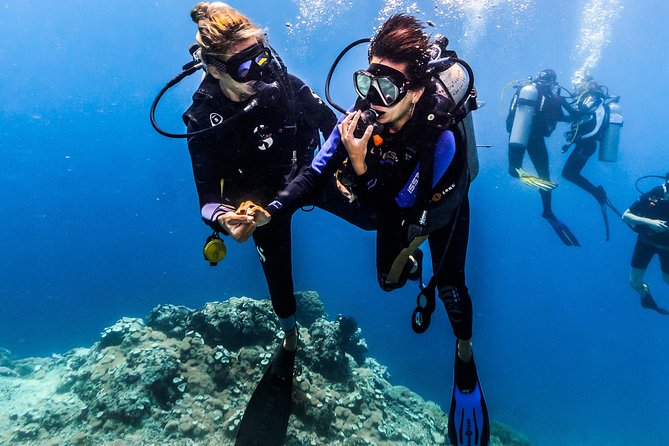
I like courses that handle the boring stuff. This one does. Your package includes the necessary scuba gear, from mask to tank to fins. So you’re not spending your first vacation day trying to figure out sizing or buying equipment you won’t use again.
It also matters that the training base offers lockers, bathrooms, and change rooms, plus Wi‑Fi and even a restaurant. That sounds minor until you’re tired, wet, and ready to eat something that isn’t vending-machine snacks. Having a real place to regroup keeps the day from turning into a frantic logistics game.
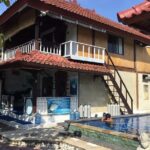
If you’re planning a longer stay, note that accommodation is available on-site (dormitory & bungalows), but it’s not included in the course price. If you want the easiest schedule, staying close can reduce friction between sessions.
Instructor Coaching: Calm, Clear, and Adjusted to You
A huge part of beginner scuba is emotional. You can know the theory and still panic when you’re underwater and everything feels unfamiliar.
What stands out here is the way instructors are described for clarity and patience. Names that come up include Silvère, Loïc, Kaka, and Pablo—and the consistent theme is straightforward teaching. People also highlight instructors adapting to personal level and needs, which is exactly what you want in an Open Water course.
One example from the kind of feedback this school gets: when someone felt panicked during an early session of the day, the instructor stayed calm and guided them through it. That matters because a good instructor doesn’t just teach skills—they help you keep your head while you learn.
More scuba trips, from the Tulamben wreck to Menjangan
Depth and Safety Reality Check (18m Is Serious)
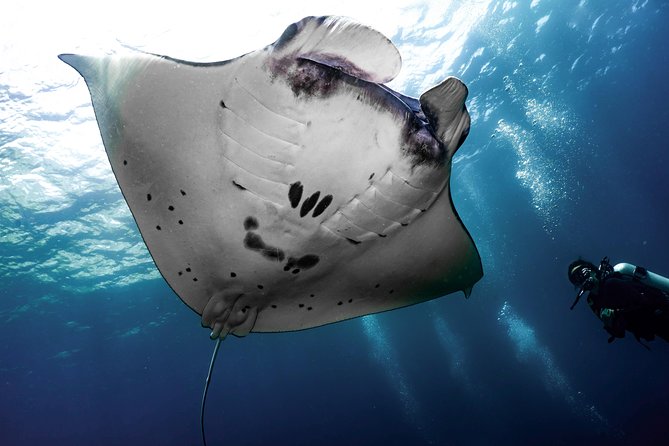
The program targets certification to 18 meters (60 feet), and that’s a meaningful depth for a first certification. The good news is that SSI’s Open Water format is designed for controlled progression: theory, shallow practice, then guided ocean sessions.
You should still take it seriously. The course asks for moderate physical fitness, and if you’re uncomfortable with being in the water for multiple practice blocks, you’ll want to decide before you commit.
Also, if you’re the type who gets nervous easily, it helps to mentally treat the first ocean sessions as training. Your job is to practice the basics and learn to stay calm—not to hunt wildlife like a movie hero.
Price and Value: Is $461.48 Worth It?
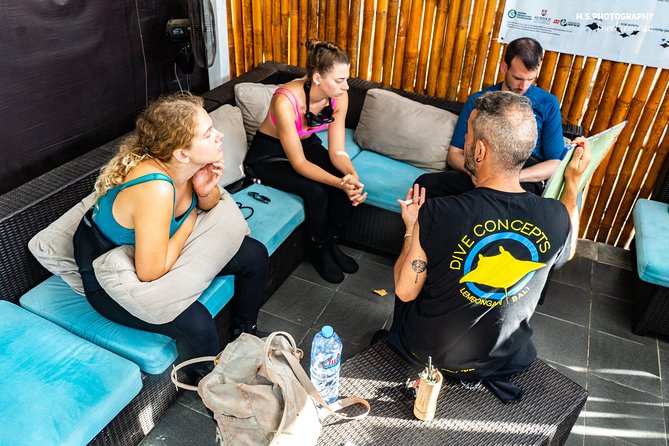
At $461.48 per person for about three days, this isn’t a budget whim—but it also isn’t just paying for a certificate. You’re paying for a complete training package: certified instruction, equipment, and access to facilities like lockers, bathrooms, showers, and Wi‑Fi.
Here’s how I’d judge the value:
- Gear is included, which often costs extra if you try to piece it together yourself.
- You’re paying for multiple practice sessions in shallow water and at least four ocean sessions, not just a quick try-and-see.
- You get a real training base with basic comfort, plus a restaurant that helps you keep energy up between sessions.
Not included are digital souvenir photos/videos, though they’re available to purchase. If you’re someone who loves recording memories, you can decide later whether the souvenir option is worth it.
One more practical value point: this course is often booked in advance (on average about 35 days ahead), which usually means the operator stays busy. If you’re set on specific dates, plan ahead.
Who Should Book This Course (and Who Might Want a Different Fit)
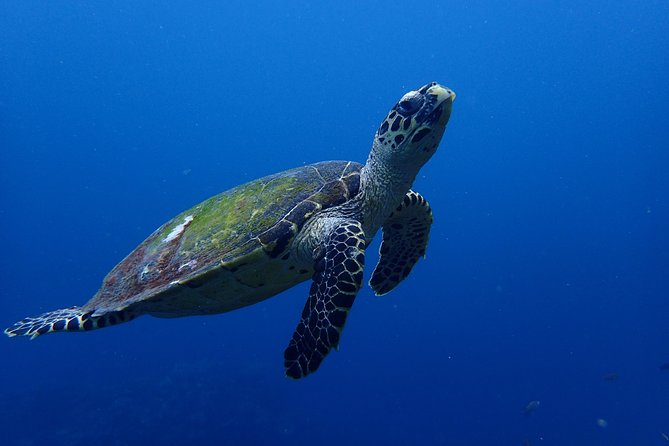
This Open Water course on Nusa Lembongan is a great fit if:
- You want a first scuba certification that’s globally recognized (SSI Open Water).
- You’re excited about marine life and want training in the kind of waters where people often see turtles and manta-related highlights.
- You like structured learning with a certified instructor guiding you step by step.
- You’re traveling with a group that wants a private experience (it’s only your group).
You might choose a different option if:
- You’re not comfortable with a full three-day commitment of practicing skills in the ocean.
- You’re unsure you can handle being underwater even with calm coaching.
Also, the minimum age is 10 years, so it can work for older kids who are ready for training.
FAQ
FAQ
How deep will I be trained for?
The SSI Open Water course is designed for you to dive to 60 feet (18 meters).
How long is the Open Water course on Nusa Lembongan?
It takes about 3 days (approx.).
How many training sessions will I do in shallow water?
You’ll do basic exercise training in shallow waters (beach or swimming pool) with at least 5 sessions.
How many ocean sessions are included?
You’ll have at least 4 ocean sessions for practicing technique and exploring underwater.
What’s included in the price?
The package includes a certified instructor, use of scuba equipment, and dive center facilities including Wi‑Fi, toilet, shower, locker, and change room.
Is accommodation included?
No. Accommodation is available on-site (dormitory & bungalows) but it’s not included.
Is digital photo/video included?
No. Digital souvenir photos/videos are available to purchase, but they are not included.
Is the course private?
Yes. It’s listed as a private tour/activity, so only your group participates.
What happens if weather is poor?
The experience requires good weather. If it’s canceled due to poor weather, you’ll be offered a different date or a full refund.
Should You Book This SSI Open Water Course?
If your goal is simple—get certified, learn solid skills, and do it on a calmer island base—then this is a strong choice. The value comes from the full training structure (theory, shallow practice, and multiple ocean sessions), plus the comfort of facilities and included gear.
Book it if you’re ready to practice skills and you want instructors who are known for being patient and clear, like Silvère, Loïc, Kaka, and Pablo. Just go in with flexibility about specific wildlife-focused outcomes, because the ocean doesn’t always follow a checklist.
More Bali Reviews & Picks
More Scuba & Wreck Dives
More Nusa Penida & Island Hopping
Still deciding? More Bali days reviewed, from volcano sunrises to island crossings
Nusa Penida Island Hopping, compared.
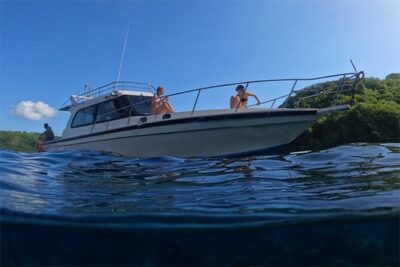
 ★ 5.0️Nusa Penida by Private Boat – Snorkeling 4 spots, Swim with Mantas + Land TourFrom $1006,424 reviews
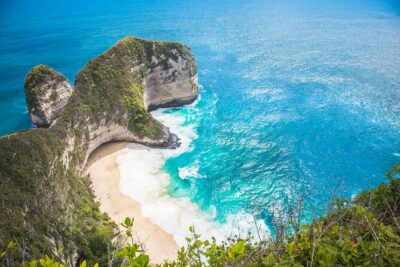
 ★ 5.0Nusa Penida day trip: boat, 4 snorkeling, Manta rays & Land tourFrom $782,033 reviews
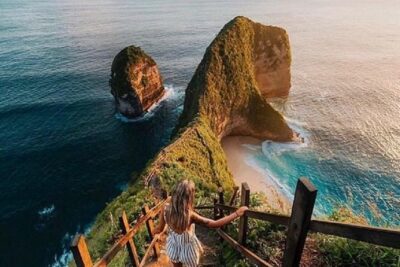
 ★ 5.0Bali Nusa Penida West Private All-Inclusive TourFrom $801,277 reviews
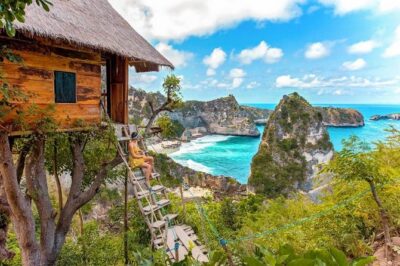
 ★ 4.5Nusa Penida One Day Trip with All-inclusiveFrom $51743 reviews
 ★ 5.0️ Nusa Penida Instagram Tour: The Most Famous Spots (Private All-Inclusive)From $119538 reviews
 ★ 5.02 Days Discover Scuba Diving in Nusa Lembongan – Scuba InitiationFrom $151506 reviews
 ★ 5.0Nusa Penida Island Beach Tours Private All InclusiveFrom $64447 reviews
 ★ 4.5Snorkeling In Nusa Penida Departing From Bali IslandFrom $104325 reviews
Browse the lists this tour appears in