
Reviewed · NUSA PENIDA ISLAND HOPPING
2 Days Discover Scuba Diving in Nusa Lembongan – Scuba Initiation
Breathing underwater is easier than you expect. This 2-day DSD intro scuba course in Nusa Lembongan walks you from small pool drills to real open-water time, with gear handled and a certified instructor close by. You’ll get that rare mix of learning fast and still seeing serious marine life.
I love the step-by-step coaching. You start with a short briefing and pool practice, then you go down to a maximum of 12 meters (40 feet) with skills you practiced right beforehand. I also love the odds of the standout spot: the plan calls for a first underwater outing at Manta Point (often where mantas cruise) and a second at Crystal Bay.
One consideration: Manta Point has an extra 300,000 Rp per person fee, and a few past students noted some gear can look a bit worn. It’s not a deal-breaker, but it’s smart to plan for it and do a quick equipment check before you get in.
In This Review
- Key Things To Know Before You Suit Up
- Your Two Days in Nusa Lembongan: What Actually Changes Underwater
- Pool Practice That Sets You Up for Calm, Not Chaos
- Day 2: Two Underwater Outings at Manta Point and Crystal Bay
- What You’ll See: Marine Life, Coral, and the Manta Moment
- Stops on the Route: Mangrove Point, Toyapakeh, Jungut Batu Beach
- Gear, Comfort, and Facilities: What’s Included (and What Isn’t)
- Depth Limit: Why 12 Meters Helps First-Timers Enjoy It
- Price and Value: What $151.01 Really Buys You
- Private Group Experience: Why That Matters for Your First Time
- Who Should Book This Intro Course (And Who Might Think Twice)
- Practical Tips So Your Day Goes Smoothly
- Should You Book This 2-Day Scuba Intro Course in Nusa Lembongan?
- FAQ
- What happens on Day 1?
- What happens on Day 2?
- How deep do I go?
- What’s included in the price?
- What costs extra?
- Do I need to know how to swim?
- What’s the minimum age?
- Is this a private experience?
- Where does it start and end?
- What if weather is bad?
Key Things To Know Before You Suit Up
- Progressive learning: pool drills first, then two supervised underwater outings.
- Real reef scenery: you’ll head to Manta Point and Crystal Bay for top-tier marine life.
- Instructor close at hand: your certified guide stays focused on control, calm, and safety.
- Clear depth limit: maximum 12 meters (40 feet) keeps the course beginner-friendly.
- Gear and comfort basics included: mask, snorkel, fins, buoyancy control device, regulator, plus wetsuit and weight belt.
Your Two Days in Nusa Lembongan: What Actually Changes Underwater
This is built for first-timers who want the “wait, I’m breathing down here?” moment without guessing. Day 1 is about getting your body and brain used to the scuba rhythm. Day 2 is about putting those basics to work while you look around at corals and fish—at a controlled depth your instructor is managing.
You’re not expected to be brave from minute one. The format is designed so the learning curve is progressive. After the first short adjustment, the breathing flow starts to feel normal, and you can put more attention on buoyancy and movement instead of panic.
Because it’s 2 days, you get time to learn, not just “try once and hope.” That matters a lot on a small island like Nusa Lembongan, where conditions can change and schedules need to stay flexible.
More island days across Nusa Penida and the Nusa islands
Pool Practice That Sets You Up for Calm, Not Chaos
Day 1 begins with a short briefing, then you move into the swimming pool for a few core exercises. This is where you practice the parts that make or break a first course: getting comfortable with the regulator, managing your breathing pace, and understanding how to use your buoyancy control.
Think of the pool as your control room. You’ll be able to focus on skills without worrying about waves, current, or open-water surprises. Your instructor can correct small things fast, like how you hold your body or how you check your breathing.
The experience description also emphasizes learning how to assemble your equipment. That’s practical. When you know what you’re doing before you step onto a boat, you feel more confident when you’re gear in place and ready.
Day 2: Two Underwater Outings at Manta Point and Crystal Bay
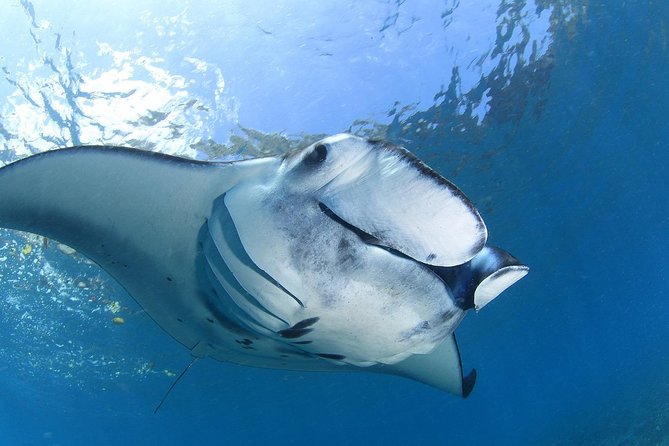
On Day 2, you head out for two separate underwater outings with a break between them. Your plan is typically:
1) Manta Point
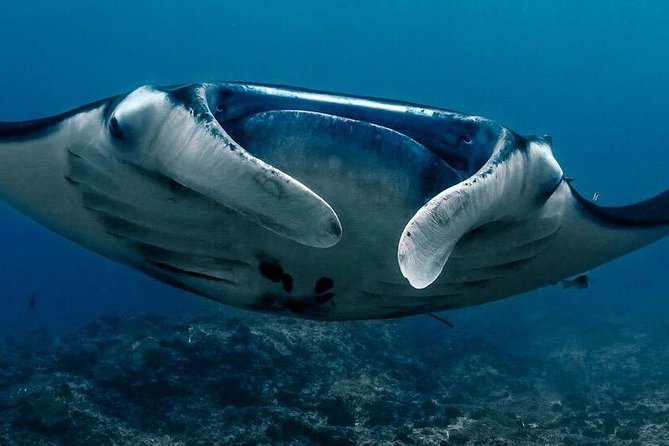
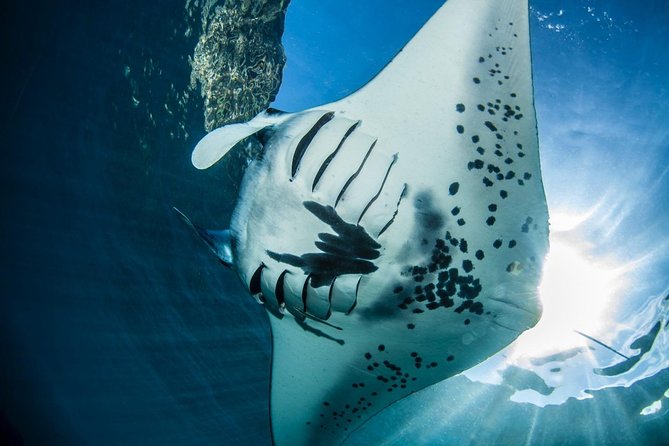
This is described as a mantas’ cleaning station, often in the 3–5 meter range. That shallow setup is a good fit for a first course because it keeps things manageable while giving you a strong chance at the headline wildlife.
2) Short rest/refuel on the boat
This gives you time to catch your breath—literally and figuratively—before the second outing.
3) Crystal Bay
This is your second underwater session, where you’ll continue training while you look for corals, reef fish, and other marine life.
Even if conditions don’t line up perfectly, the overall idea stays the same: you get one “wow” stop and one classic reef stop, all under close supervision.
What You’ll See: Marine Life, Coral, and the Manta Moment
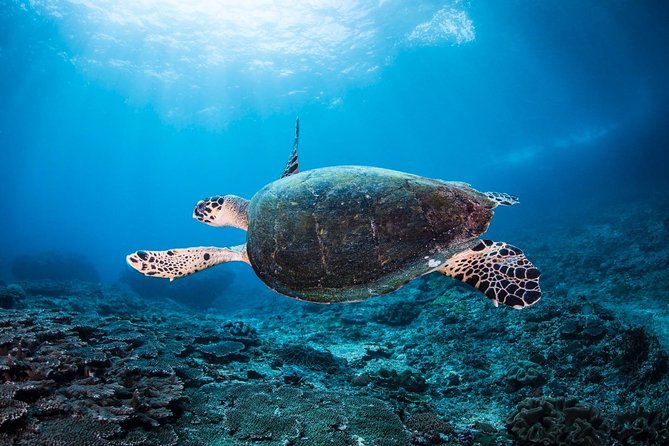
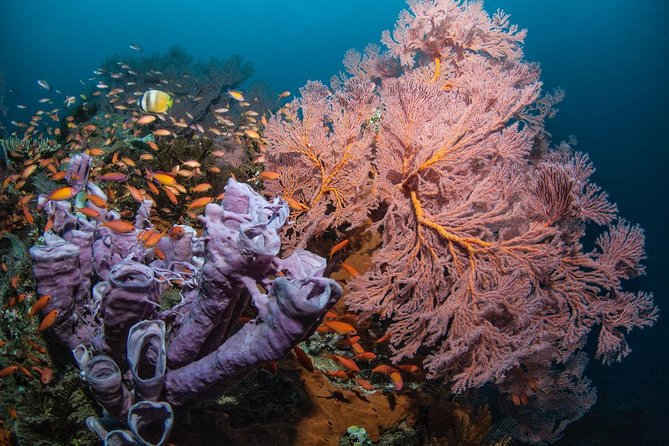
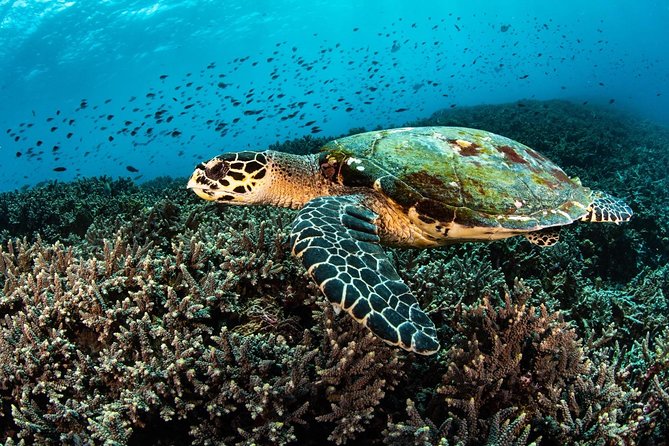
This course is sold on the feeling of weightlessness plus real wildlife time. You should expect to see vivid corals and plenty of marine life. That’s not just marketing; you’re traveling to well-known underwater areas where visibility and life tend to be better than random spots.
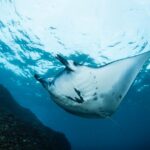
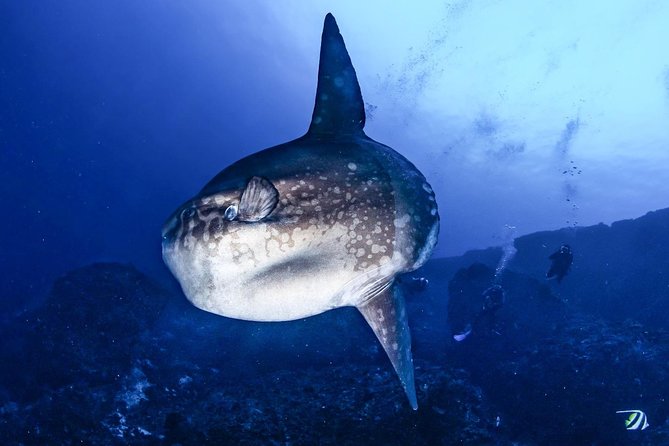
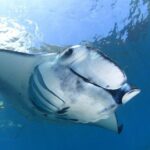
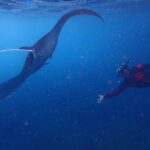
The standout draw is manta ray time at Manta Point. It’s specifically described as a cleaning station, and that’s why it’s such a magnet for mantas. If you want that “I can’t believe I’m watching this underwater” memory, this is where you aim for it.
Crystal Bay is the second big target. It’s positioned as a place for a more typical beginner-friendly reef experience. You’ll get that mix of learning and discovery: you watch the instructor, keep control of your breathing and buoyancy, then you look around at fish and coral.
Stops on the Route: Mangrove Point, Toyapakeh, Jungut Batu Beach
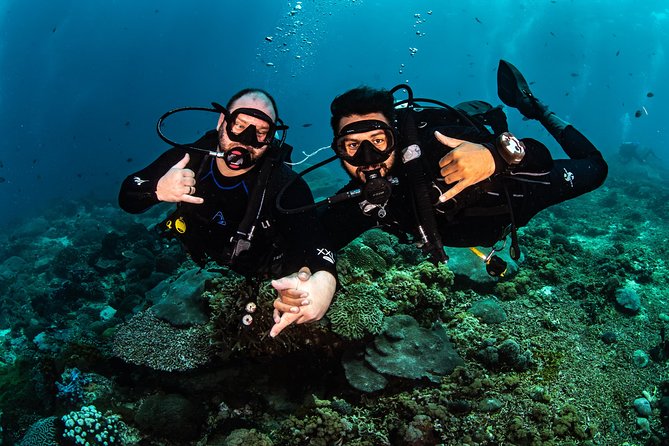
You’ll move around the island by boat, with several named stops along the way: Mangrove Point, Toyapakeh, and Jungut Batu Beach, plus your underwater targets. Not every stop is guaranteed to be an underwater entry point, but the route matters because it affects time on the water and how quickly you’re in position when conditions are right.
Here’s how I’d think about these stops in practice:
- Mangrove Point can be your first glimpse of the coast and an easy surface moment between sessions.
- Toyapakeh and Jungut Batu Beach are part of the local access and staging, so they’re more about logistics and getting you to the right water than a “mission highlight.”
- The actual “story” of your day is driven by where you enter at Manta Point and Crystal Bay.
If you’re the type who likes to understand the flow of the day, ask your instructor what the day’s water plan is before you gear up. On an island schedule, small changes happen.
More scuba trips, from the Tulamben wreck to Menjangan
Gear, Comfort, and Facilities: What’s Included (and What Isn’t)
Good news: you don’t have to hunt down scuba gear in advance. The included setup covers the essentials: mask, snorkel, fins, buoyancy control jacket, regulator, and other necessary instruments. You also get a wetsuit and a weight belt.
You’re also not stuck with bare-minimum changing conditions. The center facilities are listed as including Wi-Fi, a toilet, shower, locker, and a change room. On a sweaty tropical day, those are the details you’ll appreciate more than you think.
Not included: digital souvenir photos/videos. That means if you want a memory you can share later, you’ll likely be paying extra.
Also note: a few past students reported some gear can show age. I’d treat that as a simple checklist item. Before you get in the water, ask for a quick fit check and confirm everything feels smooth and secure—especially the regulator and buoyancy control.
Depth Limit: Why 12 Meters Helps First-Timers Enjoy It
The course has a clear maximum depth of 40 feet (12 meters). For beginners, that matters for two reasons.
First, your brain stays calmer when the “how far down” question has boundaries. Second, instructors can keep you focused on basic skills rather than spending mental energy on depth management.
This is where the word progressive really pays off. You’re learning skills in the pool, then applying them in a controlled environment. Your instructor is there for technique, pacing, and confidence—so you can spend your attention on buoyancy and looking around.
Price and Value: What $151.01 Really Buys You
At about $151.01 per person for roughly 2 days, you’re paying for several things at once:
- instruction in scuba basics (briefing + pool time)
- certified supervision
- full rental gear and wet gear essentials
- two separate underwater outings, with one being a top mantas target
- access to on-site facilities
That’s not just “equipment rental plus a quick look.” It’s training time plus guided water time, which is why intro courses can feel expensive compared to casual snorkeling. Here, you’re also paying for safety systems and instructor attention.
The one cost you should plan for: the 300,000 Rp per person extra fee to reach Manta Point. If mantas are your top goal, treat that fee as part of the “core experience” budget, not a surprise add-on. If you’re cost-sensitive, ask the team how Manta Point is handled on your exact day.
Private Group Experience: Why That Matters for Your First Time
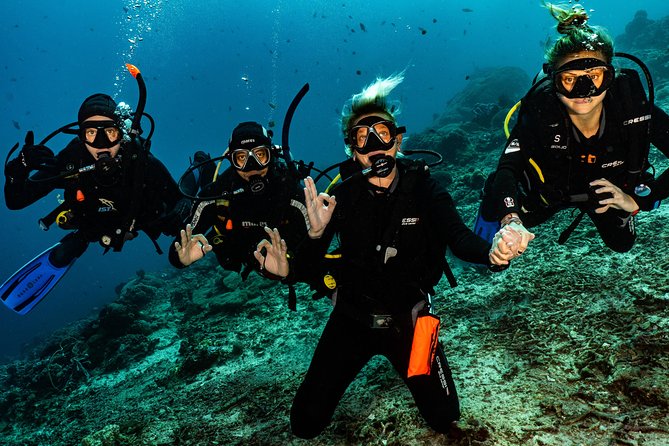
This is listed as a private tour/activity, meaning it’s only your group. For a first scuba course, that often means a smoother pace and more direct instructor attention.
Even if the group is small, you’re still learning something new with equipment that changes how your body feels. A private setup helps reduce waiting, confusion, and mixed skill levels. The instructor can focus on you and your comfort instead of juggling a big class.
Who Should Book This Intro Course (And Who Might Think Twice)
This setup fits best if you:
- have no prior scuba experience and want guided coaching
- want a structured first step with a maximum depth limit
- care about a real chance at manta rays
- like the idea of learning in a pool first, then applying it
It requires a minimum age of 10. It also calls for a moderate physical fitness level. If you’re recovering from injury or you’re worried about water anxiety, talk to the instructor ahead of time. The course is designed to be progressive, and many people find that once they’re calm with the breathing rhythm, the experience becomes far more manageable.
Practical Tips So Your Day Goes Smoothly
- Bring a plan for rest and hydration between sessions. You’ll be on a boat and you’ll have gear on, so comfort matters.
- Arrive ready for a quick gear-fit check. If anything feels off, say it early while adjustments are easy.
- Expect the learning curve to feel weird at first. Then it usually clicks, and your attention shifts to movement and looking around.
- Budget for the Manta Point add-on fee if you want that mantas cleaning station chance.
- If you’re thinking about photos/video, decide early whether you want them. They’re not included.
Should You Book This 2-Day Scuba Intro Course in Nusa Lembongan?
If your dream is to breathe underwater and still feel safe while learning, this is a strong choice. You get structured pool practice, a certified instructor, and two different underwater outings with a serious wildlife target. The depth limit and close supervision make it realistic for first-timers.
I’d book it if Manta Point and Crystal Bay are on your “must see” list. I’d also book it if you prefer a guided, controlled format over improvising.
Skip or reassess if you’re extremely budget-sensitive once you factor in the 300,000 Rp Manta Point fee, or if you’re worried about gear condition and you don’t feel comfortable asking for a fit check before entering the water.
FAQ
What happens on Day 1?
You’ll start with a short briefing, then do a few basic exercises in the swimming pool to learn core scuba skills.
What happens on Day 2?
You’ll do two supervised underwater outings: first at Manta Point, then after a short rest on the boat, a second outing at Crystal Bay.
How deep do I go?
The course lists a maximum depth of 40 feet (12 meters).
What’s included in the price?
Included are a wetsuit and weight belt, a certified instructor, dive center facilities (Wi-Fi, toilet, shower, locker, change room), and scuba equipment such as mask, snorkel, fins, buoyancy control jacket, regulator, and other instruments.
What costs extra?
Digital souvenir photos/videos are available for purchase, and reaching Manta Point has an extra fee of 300,000 Rp per person.
Do I need to know how to swim?
You should have a moderate physical fitness level, and there are pool exercises first to help you get comfortable, but the info provided does not specify a swimming test.
What’s the minimum age?
The minimum age required is 10 years old.
Is this a private experience?
Yes. It’s listed as private, so only your group participates.
Where does it start and end?
It starts at Dive Concepts Lembongan in Jungutbatu, Nusa Lembongan, and ends back at the meeting point.
What if weather is bad?
This experience requires good weather. If it’s canceled due to poor weather, you’ll be offered a different date or a full refund.
More Scuba & Wreck Dives
More Nusa Penida & Island Hopping

Still deciding? More Bali days reviewed, from volcano sunrises to island crossings

Nusa Penida Island Hopping, compared.
 ★ 5.0️Nusa Penida by Private Boat – Snorkeling 4 spots, Swim with Mantas + Land TourFrom $1006,424 reviews
 ★ 5.0Nusa Penida day trip: boat, 4 snorkeling, Manta rays & Land tourFrom $782,033 reviews
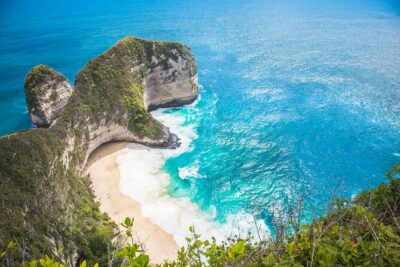 ★ 5.0Bali Nusa Penida West Private All-Inclusive TourFrom $801,277 reviews
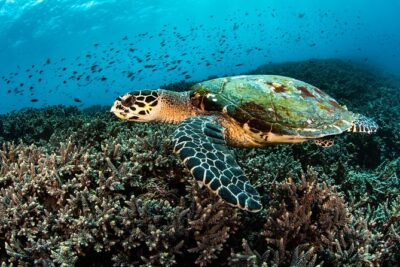 ★ 5.0Open Water Course in Nusa Lembongan – Get Certified on remote island (next Bali)From $461864 reviews
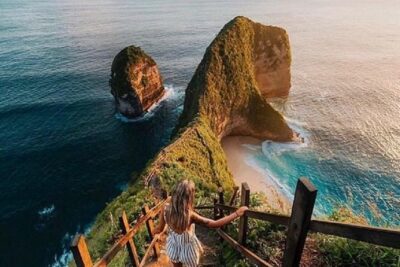 ★ 4.5Nusa Penida One Day Trip with All-inclusiveFrom $51743 reviews
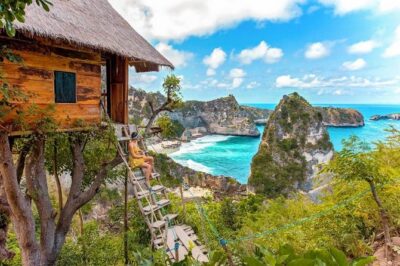 ★ 5.0️ Nusa Penida Instagram Tour: The Most Famous Spots (Private All-Inclusive)From $119538 reviews
 ★ 5.0Nusa Penida Island Beach Tours Private All InclusiveFrom $64447 reviews
 ★ 4.5Snorkeling In Nusa Penida Departing From Bali IslandFrom $104325 reviews
Browse the lists this tour appears in