
Reviewed · NUSA PENIDA ISLAND HOPPING
Advanced Open Water Course – Advanced Certification in Lembongan (next to Bali)
Next level happens fast underwater. This Advanced Open Water course in Nusa Lembongan is a practical 2-day way to turn basic certification into confident skill—through five supervised training sessions, including a deep “planning + physiology” dive close to 30 meters (100 feet).
I like that the course leans less on heavy classroom theory than typical beginner training, while still covering the essentials you’ll actually use. I also like the “pick your focus” approach: besides deep work and compass navigation, you choose three specialty directions that match what you want to see or improve.
One thing to consider: this is weather-dependent. If conditions are off, your schedule can shift, so build some flexibility into your Bali-area days.
In This Review
- Quick hits before you go
- Why Lembongan is such a good stepping-stone
- What SSI Advanced Open Water actually teaches
- The deep dive planning + physiology part (and why it matters)
- Underwater navigation: compass skills that feel usable
- Specialty adventure dives: choose what you want to get better at
- Where you’ll train: Crystal Bay, Manta Point, Mangrove Point, Toyapakeh, Jungut Batu Beach
- Dive Concepts Lembongan: equipment, comfort, and what to expect on the day
- Pricing: does $431.28 feel fair for two days and certification?
- Weather and scheduling: how to keep your trip from getting cranky
- Who should take this course (and who should wait)
- Should you book Advanced Open Water in Lembongan?
- FAQ
- Do I need Open Water certification first?
- What depth can I be certified for?
- How long is the course?
- How many training dives are included?
- What topics are covered in the dives?
- Is equipment included?
- How big is the group?
- What dive sites are visited during the course?
- What facilities are available at the dive center?
- What costs extra besides the course price?
Quick hits before you go
- SSI Advanced Open Water certification, including permission up to 30m / 100 feet
- Five training dives over about 2 days, with one deep session and one underwater navigation session
- Compass + time + landmarks practice for real underwater orientation (not guesswork)
- Specialty adventure dives you can select based on your interests like photography, buoyancy control, fish ID, or wreck exploration
- Small group limit (max 5) plus an easy-to-use dive center with lockers, Wi‑Fi, showers, and toilets
Why Lembongan is such a good stepping-stone
Lembongan sits right next to Bali, but it feels like a different pace: slower, easier logistics, and water that’s well-suited to training. If you just finished Open Water and you want momentum, this is the kind of course that takes your skills from “I can do it” to “I can do it with a plan.”
The big value here is continuity. Advanced Open Water isn’t about starting over. It’s about taking what you already learned and making it more controlled—better buoyancy habits, smarter decision-making at depth, and smoother navigation so you don’t rely on luck or a friend’s wake.
Also, this course uses an instructor-led setup with all equipment included. That matters because it removes one common frustration: you shouldn’t be hunting gear pieces or guessing how your setup will feel when you add depth and new tasks.
More island days across Nusa Penida and the Nusa islands
What SSI Advanced Open Water actually teaches
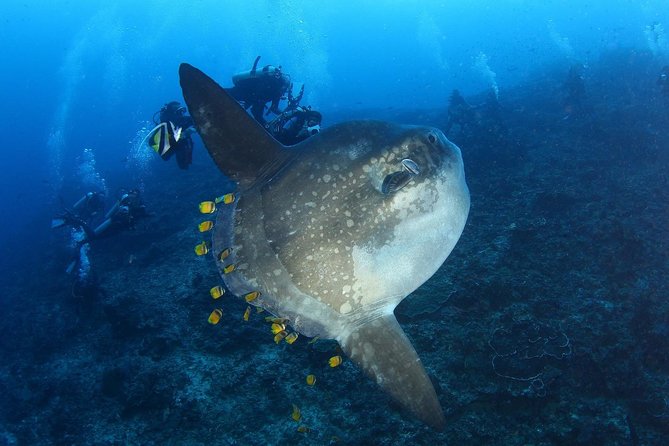
This course is built around five training dives that add structure to your underwater skills. You’ll practice what matters most when conditions get more complex than your first certification dives.
Here’s the core split:
- One Deep Adventure Dive: you’ll learn dive planning and how to handle the physiological side of going deeper, where your body reacts differently than it did at Open Water depths.
- One Underwater Navigation Adventure Dive: you’ll refine compass skills and learn a practical system using kick cycles, visual landmarks, and time.
- Three specialty adventure dives: you choose your focus areas from a longer list. Options mentioned include photography, buoyancy control, fish identification, and exploring wrecks.
Even if you don’t know yet what you want long-term, this structure helps you figure it out. You get to test different skill styles under supervision, which is far safer than “trying things” on your own.
And yes, the course is described as mellower and less theory-centered than Open Water. That doesn’t mean “no learning.” It means you’ll likely spend more time doing and refining, rather than sitting through endless explanations you won’t remember once you’re in the water.
The deep dive planning + physiology part (and why it matters)
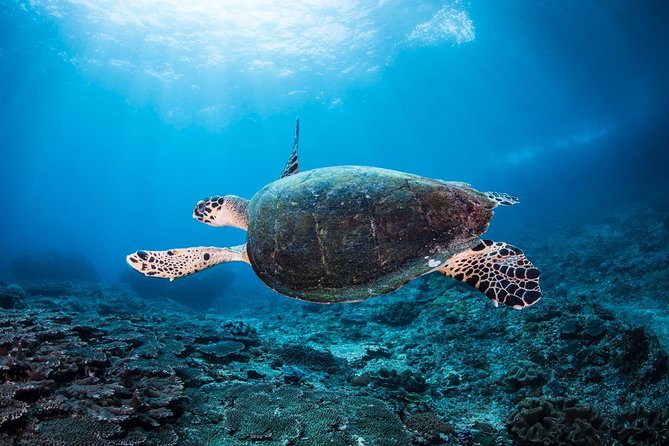
Depth changes everything: breathing rate habits, air consumption, time awareness, and how you manage stress. That’s why the deep dive isn’t just about going lower. It’s about preparing your decisions before you leave the surface.
In this course, the deep training specifically targets:
- planning your dive, not just following a guide
- handling the physiological effects and challenges that come with deeper scuba sessions
For you, that means fewer surprises. You learn to think ahead about how deep work affects you and how to respond calmly if something feels off.
A practical tip: when you’re doing advanced depth training, stay focused on smooth control. If you get task-loaded (new depth + new technique + new environment), your buoyancy and breathing usually get sloppy. The point of this course is to train that discipline while an instructor can correct you.
Underwater navigation: compass skills that feel usable
Underwater navigation can sound intimidating until you realize it’s just a system. Here, the navigation adventure dive is designed to build competence, not create a personality test.
You’ll refine compass use and connect it to three real-world anchors:
- kick-cycles (counting your effort so your speed stays consistent)
- visual landmarks (so you can verify you’re on track)
- time (so you can adjust even if visibility or conditions change)
This matters because “good navigation” isn’t only about reading a compass. It’s about using multiple cues together so you can recover if one cue fails.
If your Open Water navigation felt like following someone’s body language, this course is meant to change that. Your goal is independence with training wheels—then you slowly remove those wheels over time.
Specialty adventure dives: choose what you want to get better at
One of the smartest parts of this course is the way it lets you shape your training. You’ll plan your learning path with your instructor by choosing from a list of adventure dive options.
The examples given are especially useful because they map to what many people actually care about once they’ve gotten certified:
- photography (so you can move calmly and keep your camera habits from wrecking your buoyancy)
- buoyancy control (so you waste less effort and disturb less life)
- fish identification (so you start recognizing what you’re looking at)
- exploring wrecks (so you learn how to approach that kind of environment responsibly)
You won’t be “locked in” to one track. That’s a big deal if you’re not sure what you want yet. In two days, you’ll learn enough about different skill types to decide what’s worth pursuing later on.
More scuba trips, from the Tulamben wreck to Menjangan
Where you’ll train: Crystal Bay, Manta Point, Mangrove Point, Toyapakeh, Jungut Batu Beach
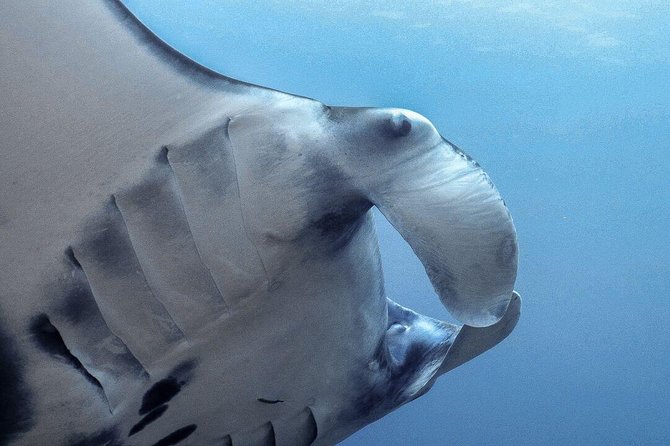
The course uses a route of dive sites around Nusa Lembongan. You’ll typically go to:
- Crystal Bay
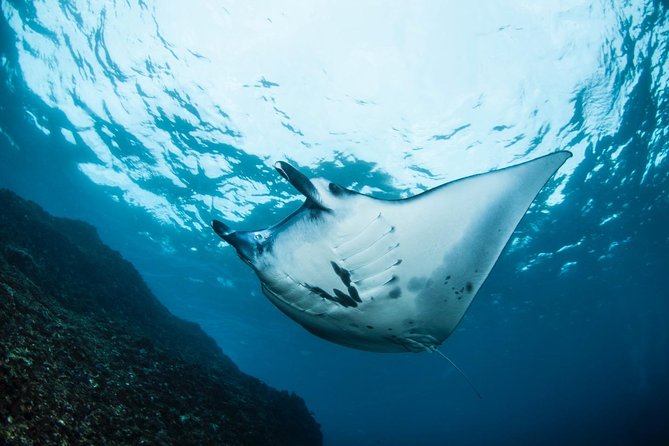
- Manta Point
- Mangrove Point (Nusa Lembongan)
- Toyapakeh
- Jungut Batu Beach
Each stop helps you practice skills in slightly different conditions. Even without getting overly specific about what you’ll see, the value is that your instructor can check your technique across varied underwater setups—good for buoyancy, task management, and navigation confidence.
Here’s what I’d pay attention to at each type of stop:
- Crystal Bay: expect a setting that’s useful for getting your body rhythm dialed in early in the course—new tasks, then steady refinement.
- Manta Point: a location used as part of the advanced route, which usually means the conditions are right for training deeper work and focused control.
- Mangrove Point: training here can reward calm movement and good trim, because complex coastal features tend to punish sloppy finning.
- Toyapakeh: a classic Lembongan-area stop that helps build consistency across days—your second day should feel more controlled than your first.
- Jungut Batu Beach: handy for tying your learning together on the final sessions, when you’ll be building confidence to handle remaining course tasks.
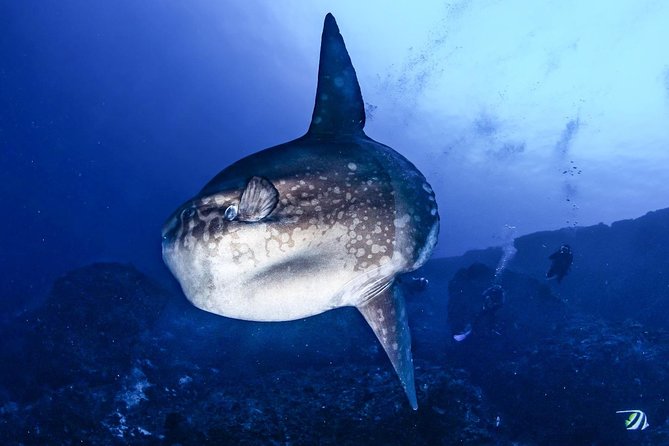
Small reality check: marine life can be hit or miss, and visibility can vary with weather. The course focus is your skills. If you keep your technique sharp, you’ll get value even when the sea doesn’t cooperate perfectly.
Dive Concepts Lembongan: equipment, comfort, and what to expect on the day
The course includes masks, snorkel, fins, buoyancy control jacket, regulator, and other instruments, plus wetsuit and a weight belt. That’s a relief. You don’t need to worry about fitting, compatibility, or whether your gear will work for deeper training.
The dive center facilities are also set up to make the day smoother:
- Wi‑Fi
- lockers, showers, toilet
- a change room
- and a restaurant where food is own expense
There’s also a max group size of 5 travelers. That smaller number matters. You usually get more individual attention and less waiting around while someone else figures out buoyancy or clearing.
From the instructor angle, names come up a lot in the feedback around Dive Concepts, including Valentin, Kaka, Hugo, Sara, and Silvère. The pattern is consistent: people feel safe, relaxed, and well looked after because the instruction is both professional and patient.
Pricing: does $431.28 feel fair for two days and certification?
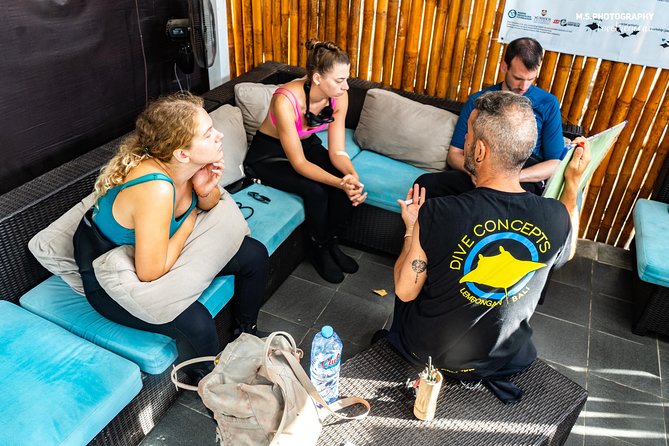
At $431.28 per person for about 2 days, you’re paying for a serious upgrade: SSI Advanced Open Water training, five supervised dives, an instructor, and the full basic equipment kit.
To judge value, compare what’s included:
- Equipment is covered.
- The instructor is included.
- The dives are training dives specifically aimed at certification.
What’s not included matters too:
- digital souvenir photos/videos (sold separately)
- accommodation at the dive center (dormitory and bungalows are available, but you pay that separately)
- restaurant meals on-site (own expense)
For most people, the math works best if you were already planning to spend money on equipment or would otherwise lose time renting and troubleshooting gear. If you travel with your own kit and already know it fits well, you might feel the price is slightly less exciting—but you’re still getting structured training and certification, which is the expensive part.
Also, the course’s small group size and the “less theory, more doing” style can be a hidden value. Time in the water is where skills actually lock in.
Weather and scheduling: how to keep your trip from getting cranky
This experience requires good weather. That’s not a threat; it’s reality. Tropical areas can flip from calm to bouncy, and training at depth needs conditions that keep control possible.
If conditions aren’t safe or suitable, you’ll be offered a different date or a full refund. The best way to protect your schedule is simple: don’t make your entire Bali plan so tight that you can’t absorb a day shift.
If you’re combining this with other activities, I suggest leaving at least a little breathing room around your course dates. Advanced training is short, but the sea decides the pace.
Who should take this course (and who should wait)
This course is clearly for you if:
- you’re already Open Water certified
- you want more confidence and more professional technique
- you’re interested in depth skills, navigation practice, and choosing specialties like buoyancy control or photography
You should also have moderate physical fitness. Scuba training isn’t a marathon, but you do need enough stamina and comfort to handle repeated entries/exits and the physical effort of finning while concentrating.
This is also a good fit if you prefer a training style that spends more time practicing than lecturing. The course description emphasizes a mellower, less theory-centered approach, which often suits people who learn best by doing.
If you’re anxious about depth or task-loading, that’s not automatically a no. The course is built for progress under supervision. Just be honest with your instructor about how you feel at the start.
Should you book Advanced Open Water in Lembongan?
If you’ve completed Open Water and you want a real skills upgrade fast, I think this is a strong booking choice. The combination of five training dives, certification up to 30 meters, practical navigation training, and instructor support makes it more than a sightseeing add-on.
Book it if you:
- want structured advancement rather than random extra dives
- like small-group attention (max 5)
- are willing to be flexible with weather
Skip it (or wait) if you:
- can’t commit to being on-site for the full 2 days
- know you’ll be stressed by schedule changes
- aren’t ready for depth training progression from Open Water
For the price, you’re buying a clear pathway: plan better, navigate better, and leave with a credential that signals you’re ready to go further—responsibly.
FAQ
Do I need Open Water certification first?
Yes. You have to be Open Water certified before you can take this Advanced Open Water course.
What depth can I be certified for?
This course certifies you to dive to depths up to 100 feet (30 meters) with SSI.
How long is the course?
It runs for 2 days (approx.).
How many training dives are included?
You’ll complete five training dives during the course.
What topics are covered in the dives?
You’ll do a deep-focused adventure dive, an underwater navigation adventure dive using a compass, and three other specialty adventure dives based on your interests.
Is equipment included?
Yes. The package includes masks, snorkel, fins, buoyancy control jacket, regulator, wetsuit, weight belt, and other instruments.
How big is the group?
The course has a maximum of 5 travelers.
What dive sites are visited during the course?
You’ll visit Crystal Bay, Manta Point, Mangrove Point (Nusa Lembongan), Toyapakeh, and Jungut Batu Beach.
What facilities are available at the dive center?
The dive center facilities include Wi‑Fi, toilet, shower, locker, and a change room. A restaurant is available, but food is your own expense.
What costs extra besides the course price?
Digital souvenir photos/videos are not included. Accommodation is also not included, though dormitory and bungalows are available at the dive center.
More Bali Reviews & Picks
More Scuba & Wreck Dives
More Nusa Penida & Island Hopping
Still deciding? More Bali days reviewed, from volcano sunrises to island crossings
Nusa Penida Island Hopping, compared.
 ★ 5.0️Nusa Penida by Private Boat – Snorkeling 4 spots, Swim with Mantas + Land TourFrom $1006,424 reviews
 ★ 5.0Nusa Penida day trip: boat, 4 snorkeling, Manta rays & Land tourFrom $782,033 reviews
 ★ 5.0Bali Nusa Penida West Private All-Inclusive TourFrom $801,277 reviews
 ★ 5.0Open Water Course in Nusa Lembongan – Get Certified on remote island (next Bali)From $461864 reviews
 ★ 4.5Nusa Penida One Day Trip with All-inclusiveFrom $51743 reviews
 ★ 5.0️ Nusa Penida Instagram Tour: The Most Famous Spots (Private All-Inclusive)From $119538 reviews
 ★ 5.02 Days Discover Scuba Diving in Nusa Lembongan – Scuba InitiationFrom $151506 reviews
 ★ 5.0Nusa Penida Island Beach Tours Private All InclusiveFrom $64447 reviews
Browse the lists this tour appears in