
Reviewed · NUSA PENIDA ISLAND HOPPING
Try Diving in Nusa Lembongan – Penida. For beginners (with 2 ocean dives)
Scuba training on a small island makes sense. This beginner course mixes a pool skills session with two underwater outings around Nusa Lembongan and Nusa Penida, backed by a 100-percent safety record and tight instructor attention in a small group. It’s a practical way to learn buoyancy control without feeling rushed.
I especially like the personal feel you get from having an instructor close by during the ocean portion. One possible drawback: coaching can feel tough in the first minutes for true first-timers—so if you’re nervous, say so right away and ask for slower guidance.
You’ll spend about 8 hours total, with paperwork and gear at the shop, then a structured day that feeds you and keeps you comfortable (water, hot drinks, and a lunch box). The max group size is 8, so you’re not just a number.
In This Review
- Key things worth knowing
- Where this fits: Nusa Lembongan and Nusa Penida’s beginner-friendly draw
- The day-by-day plan (and why the timing works)
- 8:00 am: Meet at Bali Diving Academy (paperwork + gear)
- 10:00 am: Pool session first (skills without panic)
- Midday surface interval: drinks and a lunch box
- Second ocean outing, then back by mid-afternoon
- What you’ll see underwater: mantas, mola molas, and the local site mix
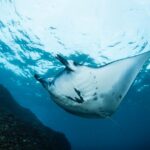
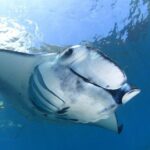
- Manta rays: possible all year, not guaranteed
- Mola molas: best odds in July–October
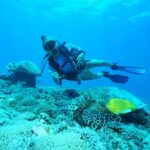
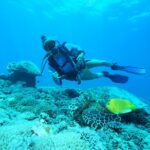
- Coral and clear water: the learning bonus
- Gear, food, and comfort: what’s included and why it matters
- Safety and instructor attention: the core reason this works for beginners
- The one caution: patience can vary when you’re new
- How to get the most from your two ocean outings
- Price and value: is $125 a good deal?
- Who should book this, and who should skip it
- Should you book this Nusa Lembongan beginner course?
- FAQ
- FAQ
- Do I need prior scuba experience?
- How many ocean sessions are included?
- How long is the whole experience?
- What happens in the pool session?
- What’s included with the price?
- How big is the group?
- Where do I meet for the tour?
- Is food provided?
- Can I see manta rays or mola molas?
- What if the weather is bad?
- When will I get confirmation after booking?
Key things worth knowing
- Pool-to-ocean progression: you learn basics in a pool first, then apply them on two guided underwater outings.
- Small group limit (8 max): better instructor-to-student attention for beginners working on neutral buoyancy.
- Comfort on the boat: you get hot drinks plus tea and coffee during the surface interval, and a lunch box on board.
- Marine-life care focus: the approach aims to avoid negative effects on creatures and coral while you practice good habits.
- Manta and mola chances vary: manta rays can show up, and mola molas are seasonal (July–October), but sightings aren’t guaranteed.
Where this fits: Nusa Lembongan and Nusa Penida’s beginner-friendly draw
Nusa Lembongan and Nusa Penida sit in southeast Bali, and they’re famous for underwater wildlife. You’ve got a strong chance of clear water, colorful coral, and headline animals—when conditions line up.
This course is built for people starting from zero. The day begins with skills in a pool so you can learn breathing and basic control before you’re out in open water. Then you move into two guided ocean outings with an experienced instructor close by.
If your main goal is seeing manta rays or hoping for mola molas during the July–October season, this is a smart entry point. You’re getting structured training while still aiming for the best local marine spots.
More island days across Nusa Penida and the Nusa islands

The day-by-day plan (and why the timing works)
This is an 8-hour, start-to-finish kind of day. It runs from 8:00 am to roughly 3:00–3:30 pm.
8:00 am: Meet at Bali Diving Academy (paperwork + gear)
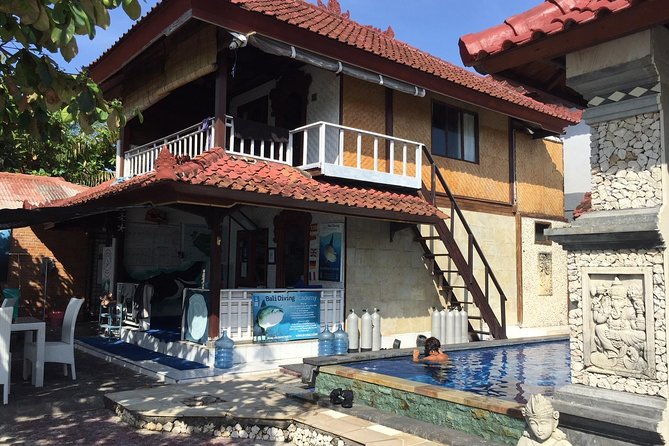
You meet at Bali Diving Academy Lembongan, in Jungut Batu (Nusa Penida area). This is where you handle the admin and get your gear set up. The good news: you don’t have to pack your kit. Everything you need is provided.
That matters for value. Beginner scuba days can get pricey when rentals and add-ons pile up. Here, the essentials are included, so your day is simpler to plan.
10:00 am: Pool session first (skills without panic)
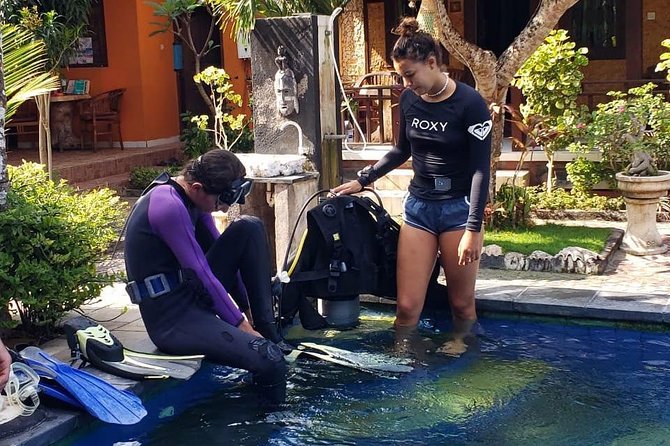
You start with a pool session to build basic dive skills. The focus is learning how to breathe underwater and controlling buoyancy—keeping yourself comfortable at the right depth without constantly fighting your gear.
For a first timer, the pool stage is the difference between feeling “blanket overwhelmed” and feeling “okay, I can do this.” It also gives your instructor time to check your comfort level before you go into the ocean.
Midday surface interval: drinks and a lunch box
After the first ocean outing, you get about a one-hour surface interval. Tea and coffee are available, plus you’ll have hydration and a choice of a lunch box.
This is one of those small details that makes a huge difference. Scuba training can leave you hungry fast, and open-water days can wear you out even if you don’t feel tired yet. Eating and cooling down properly helps you show up for the second outing with more steadiness.
More scuba trips, from the Tulamben wreck to Menjangan

Second ocean outing, then back by mid-afternoon
You complete the second guided ocean outing after the surface interval. Then you return to the shop between 3:00 and 3:30 pm.
The pacing is realistic: you practice, recover, then practice again. You don’t get jammed into an all-day schedule where everyone gets sloppy from exhaustion.
What you’ll see underwater: mantas, mola molas, and the local site mix
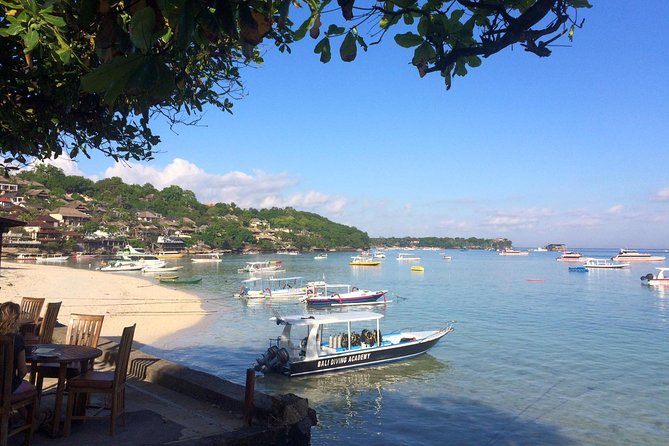
Nusa Lembongan and Nusa Penida are known for big animals and clear water. This is also a region with multiple well-known underwater spots—your exact route can vary based on conditions.
Manta rays: possible all year, not guaranteed
Manta rays can be seen all year, but sightings depend on the dive site and daily weather. The itinerary mentions well-known locations such as Manta Bay, Crystal Bay, Gamat Bay, Toya Pakeh, and Sental.
Even if you don’t see a manta, the day still tends to deliver healthy coral and colorful life. You’re also practicing core skills, so you’re not just “hoping and praying” for a single animal.
Mola molas: best odds in July–October
Mola molas are especially known during July–October. That’s the seasonal window highlighted for this area.
If you’re traveling in those months and you want the best chance at mola molas, this course still makes sense even as a beginner. You’ll be in the water during the prime season while learning the basics safely.
One note to keep your expectations grounded: marine sightings are never guaranteed. You’re going for opportunities, and conditions decide the final outcome.
Coral and clear water: the learning bonus
This region is also known for clear water and coral reefs. That helps beginners, because visibility makes it easier to track depth and follow your instructor’s cues.
It’s also a reminder to slow down. The best beginner experience is when you focus on smooth breathing and calm movements, not speed.
Gear, food, and comfort: what’s included and why it matters
For $125 per person, the practical value here is that you’re not piecing together a bunch of separate costs. You get the pool session, two guided ocean outings, and the gear. You also get support on the boat with hydration and hot drinks, plus lunch via a lunch box.
That setup matters because first-time scuba training has a tendency to become confusing and expensive. Here, the structure is clear, and you’re cared for during the day, not just dropped off at a site.
Also, the company highlights a responsible approach around marine life. In plain terms: you’re guided on how to act in a way that reduces stress on animals and avoids unnecessary contact with coral.
Safety and instructor attention: the core reason this works for beginners
This course is marketed with a 100-percent safety record, and it’s designed around small group sizes—max 8 travelers. In real terms, that helps because you’re more likely to get quick feedback when something feels off.
Your instructors are right there when you’re learning. You’ll practice neutral buoyancy and basic skills, then apply them in two ocean outings with close supervision.
The one caution: patience can vary when you’re new
Here’s the balanced bit. One honest experience mentioned an instructor who seemed impatient when a student wasn’t confident underwater after just a few minutes. That didn’t mean the entire operation was unsafe or careless, but it does signal a reality: your comfort can depend on how coaching clicks with your personality.
My advice: be upfront at the start. Tell your instructor you’re nervous, and ask for clear step-by-step cues. Beginners do best when they feel they can speak up without delay.
How to get the most from your two ocean outings
You can’t force mantas or mola molas to show up. But you can control how smoothly you learn.
- Arrive with a calm mindset. The goal is controlled breathing and steady body position.
- Pay attention in the pool. If you get one skill right there—buoyancy—your ocean experience gets easier fast.
- Tell your instructor immediately if you feel uneasy. Don’t wait until it becomes a bigger issue.
- Treat the second outing like practice, not a performance. You’ll often improve just by staying relaxed and following cues.
Also, remember this experience expects a moderate physical fitness level. If you’re unsure, check with the operator beforehand so you’re comfortable with the day’s movement and setup.
Price and value: is $125 a good deal?
$125 per person for two ocean outings plus a pool session is strong value in this area, mainly because several day-of costs are folded in: gear, instruction, and boat provisions (water, hot drinks, and a lunch box).
What you’re paying for isn’t just the underwater time. You’re paying for:
- a beginner-friendly progression (pool first)
- an instructor-led day with close supervision (small group)
- practical comfort (food and drinks)
- local guidance around famous underwater sites like Manta Bay and Toya Pakeh
If you’ve ever priced beginner scuba training piece by piece, you know how quickly small add-ons add up. Here, the day is organized so you can spend money on the experience itself, not on extras.
One more value angle: it’s booked, on average, about 20 days in advance. If your travel dates are tight or you want this specific school, plan ahead.
Who should book this, and who should skip it
This is a great fit if you:
- are a true beginner with no prior underwater experience
- want a structured pool-to-ocean training day
- care about getting personal attention in a small group
- want a realistic chance at mantas (and mola molas in July–October) while learning safely
It might be less ideal if:
- you know you need very gentle coaching and you may get stressed by direct feedback
- you’re looking for a long, independent underwater exploration day (this is guided training with a beginner plan)
If you’re the “I need reassurance every step” type, just communicate that early. The best results come when your instructor understands how you learn.
Should you book this Nusa Lembongan beginner course?
I’d book it if your top priority is learning scuba basics in a guided, beginner-safe way while you’re in Nusa Lembongan and Nusa Penida. Two ocean outings is a solid amount for a first attempt, and the day’s structure (pool skills, surface interval with drinks, then a second outing) helps you settle in.
You should also consider booking if you’re traveling in July–October and want a chance at mola molas. For mantas, it’s an all-year opportunity, but you’ll want the flexible mindset of someone who understands marine sightings depend on weather and site choice.
If you want one simple rule: go in ready to learn, speak up early if you’re nervous, and focus on calm control over showing off. That’s the fastest path to a first-time success.
FAQ
FAQ
Do I need prior scuba experience?
No. This program is designed for absolute beginners. You start with a pool session to learn basics, then continue with two guided ocean outings.
How many ocean sessions are included?
You get two guided ocean sessions as part of the course.
How long is the whole experience?
It runs for about 8 hours, starting at 8:00 am and returning around 3:00–3:30 pm.
What happens in the pool session?
You practice basic underwater skills in a pool, including breathing underwater and building comfort and control before going into open water.
What’s included with the price?
The price includes scuba equipment, instruction, boat support, water, hot drinks, and a lunch box during the day.
How big is the group?
The group size is capped at a maximum of 8 travelers.
Where do I meet for the tour?
You meet at Bali Diving Academy Lembongan in Jungut Batu, Nusa Penida, Bali.
Is food provided?
Yes. There’s a lunch box on the boat, plus tea and coffee during the surface interval.
Can I see manta rays or mola molas?
Manta rays can be seen all year but sightings aren’t guaranteed and depend on the dive site and weather. Mola molas are most noted during July–October.
What if the weather is bad?
The experience requires good weather. If it’s canceled due to poor weather, you’ll be offered a different date or a full refund.
When will I get confirmation after booking?
You receive confirmation at the time of booking, unless you book within 9 days of travel, in which case confirmation comes within 48 hours if available.
More Bali Reviews & Picks
More Scuba & Wreck Dives
More Nusa Penida & Island Hopping
Still deciding? More Bali days reviewed, from volcano sunrises to island crossings




Nusa Penida Island Hopping, compared.
 ★ 5.0️Nusa Penida by Private Boat – Snorkeling 4 spots, Swim with Mantas + Land TourFrom $1006,424 reviews
 ★ 5.0Nusa Penida day trip: boat, 4 snorkeling, Manta rays & Land tourFrom $782,033 reviews
 ★ 5.0Bali Nusa Penida West Private All-Inclusive TourFrom $801,277 reviews
 ★ 5.0Open Water Course in Nusa Lembongan – Get Certified on remote island (next Bali)From $461864 reviews
 ★ 4.5Nusa Penida One Day Trip with All-inclusiveFrom $51743 reviews
 ★ 5.0️ Nusa Penida Instagram Tour: The Most Famous Spots (Private All-Inclusive)From $119538 reviews
 ★ 5.02 Days Discover Scuba Diving in Nusa Lembongan – Scuba InitiationFrom $151506 reviews
 ★ 5.0Nusa Penida Island Beach Tours Private All InclusiveFrom $64447 reviews
Browse the lists this tour appears in