
Reviewed · HIKING & TREKKING
Mount Agung Sunrise Trekking Private Tours
The midnight climb is the point. Scale Mt. Agung with a private guide as you hike in darkness, using supplied flashlights, and then watch sunrise over Bali and out toward Lombok. I like that the experience is built around route-finding and timing, not just getting you to the top.
I especially love the mountain-break rhythm. You get a campfire break and a real breakfast setup (bread, hardboiled egg, fruit, tea or coffee), which makes the cold feel manageable on the way up. It also gives you a moment to breathe before you push higher for sunrise.
One consideration: this trek is physically demanding and can get cold fast. Warm layers and proper shoes aren’t included, and the descent can be slippery on loose, rocky ground.
In This Review
- Mt. Agung Sunrise Trek: quick take on what makes it special
- Why starting at midnight changes everything
- Price and what $55 really buys you
- Pickup areas and the reality of a long travel day
- At the base of Besakih: where your trek begins
- The midnight hike: flashlights, steep sections, and pacing
- Fire stop and breakfast: why it’s more than a snack
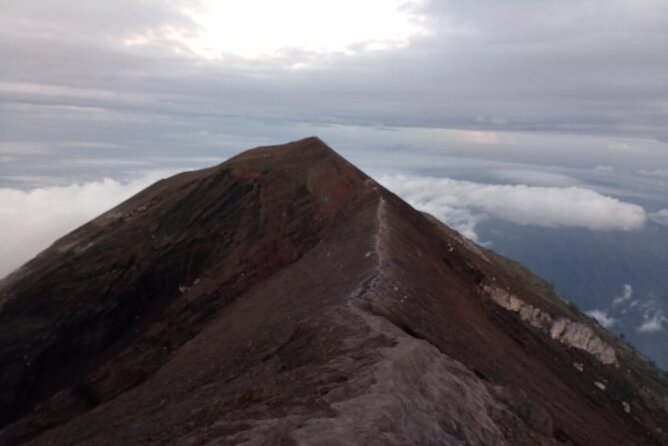
- Sunrise from the crater rim: the view you’re here for
- The descent: where injuries happen if you ignore grip
- What to wear and pack (based on what actually helps on this trek)
- Guides and drivers: the difference between a slog and a story
- Who this trek is for (and who should pick another sunrise plan)
- Should you book Mount Agung Sunrise Trekking Private Tours?
- FAQ
- How long is the Mount Agung sunrise trek?
- Where is the tour located?
- Do you get pickup and drop-off?
- What time does the hike start?
- Is sunrise viewing included?
- What is included in the tour price?
- What is not included?
- What should I have for physical fitness?
- Is the tour private?
- Is free cancellation available?
Mt. Agung Sunrise Trek: quick take on what makes it special
- Private guide, not a cattle call so pacing can match your fitness.
- Flashlight + raincoat + trekking poles help you move safely through the dark.
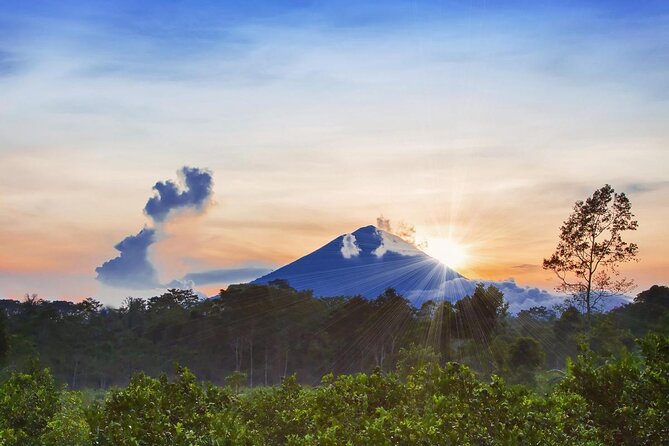
- Sunrise from the crater rim with sweeping views across Bali and toward Lombok’s peaks.
- Fire stop and breakfast keep you fueled during the coldest stretch.
- Besakih Temple route option lets you pass Bali’s mother temple area if you choose that path.
- Steep, rocky descent means you’ll need grip and patience.
Why starting at midnight changes everything
Mt. Agung sunrise trekking feels like a different sport than a daytime hike. You start in the dark, with the trail lit only enough to keep moving safely, and your body shifts into uphill gear right away.
That timing also shapes your rewards. Instead of just seeing a view, you earn it through the long climb and the controlled push toward sunrise. The result is a crater-rim perspective that feels huge—Bali below, and the wider region stretching out as the sky lightens.
If you’re expecting an easy stroll, you’ll be disappointed. But if you like challenge and clear payoffs, this is exactly the kind of Bali experience that sticks with you.
More private Bali tours

Price and what $55 really buys you
At about $55 per person, this trek is positioned as good value for what’s included. You’re paying for (1) a private guide and driver, (2) equipment for night hiking (trekking poles, flashlight, raincoat), (3) entry/ticket coverage, and (4) a mountain breakfast with water during the hike.
You’re also paying for time. A 12 to 16 hour day is long, and the tour runs on precision—midnight starts, stops at the right moments, and getting you into position before sunrise.
What’s not included matters. You’ll still need warm layers and proper hiking shoes, plus personal expenses. In practice, that means you should budget your gear or plan to bring what you already own.
Pickup areas and the reality of a long travel day
This tour offers pickup and drop-off across a wide slice of Bali: south Bali, Ubud, Amed, Lovina, and Candidasa. That’s a real convenience if you don’t want to figure out your own transport for a midnight departure.
Expect a long day, even before you hike. Some rides can take a while, and part of the value of having a driver is that you arrive at the base zone with less stress. One thing I like here is that the pickup and end point are the same meeting location, so you’re not juggling extra transfers later.
Plan for fatigue. Midnight starts mean you’ll want a calm evening before the tour and an early bedtime if you can manage it.
At the base of Besakih: where your trek begins
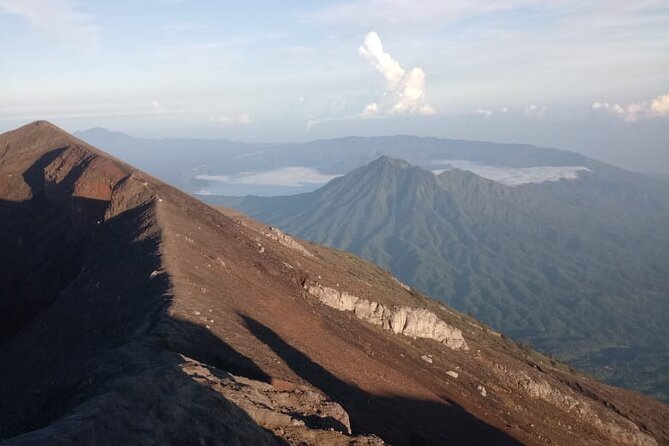
Your start point is at Pura Pengubengan Besakih in Rendang, Karangasem Regency. From there, you’re set up for a night hike up Mt. Agung toward the sunrise viewpoint.
There’s also a temple route option you should know about. If you take the trek via Besakih Temple, you’ll pass the mother of the temple in Bali. Besakih Temple is Bali’s biggest Hindu temple complex (Pura Besakih), and the temple area has wide panorama views that can stretch toward the ocean.
This isn’t a museum stop. It’s more like a moving landmark—something you pass along the way that adds cultural grounding to what is otherwise a hardcore climb. If you’re the type who likes context while trekking, this little detour is a bonus.
The midnight hike: flashlights, steep sections, and pacing
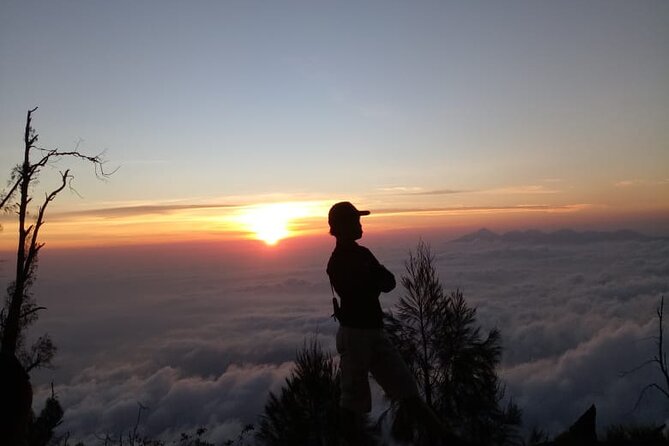
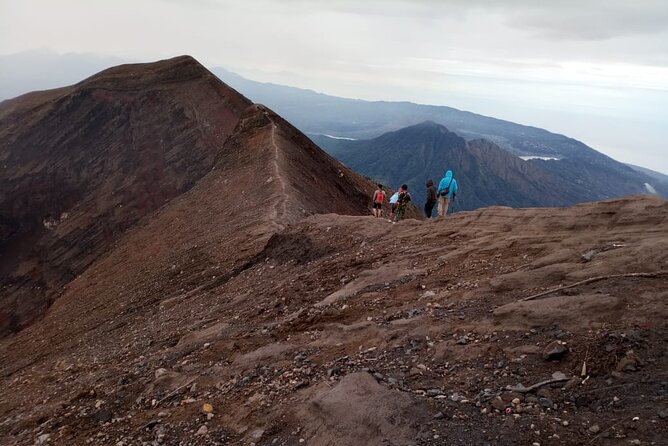
The hike begins at night with flashlights you’re provided. The trail starts manageable, then turns steeper as you gain elevation and move from forest sections into more rugged terrain.
A key detail: you’re not just walking—you’re negotiating. Rocky, angled sections can feel like an uphill stream bed, and footing takes focus even for fit hikers. Trekking poles help, and they also help your joints during the frequent push-ups and short stops.
Pacing is everything on Mt. Agung. Some guides move steadily and keep momentum; others set longer rhythm breaks. Either way, you’ll likely stop multiple times on the way up, and your guide should be able to manage heat, cold, and energy.
If you get cold quickly, tell your guide early. I’ve found that asking for slower pacing or more frequent breaks makes a huge difference, especially when temperatures drop near the top.
More Bali hikes and ridge treks

Fire stop and breakfast: why it’s more than a snack
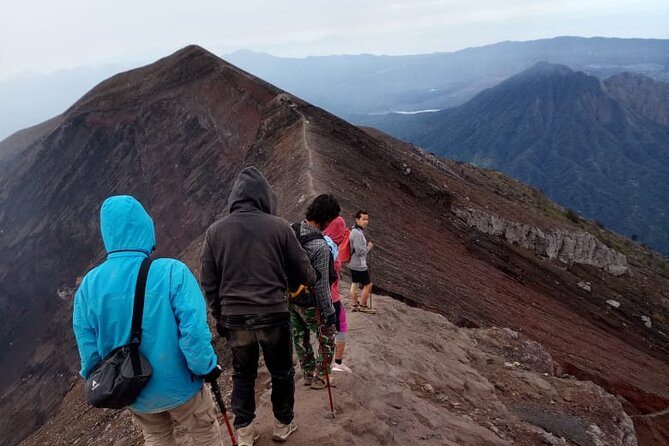
One of the best parts is the cold-weather rhythm: you hike, you gain elevation, you get chilled, and then you reach a warming fire stop. Guides may collect sticks and set up a small fire before breakfast, which turns a brutal stretch into something tolerable.
Breakfast is included, and it’s not fancy—but it’s smart for trekkers. You’ll have bread, hardboiled egg, seasonal fruit, biscuits, and tea or coffee, plus water during the hike.
This is where your day gets easier mentally. Food helps you keep hiking without feeling shaky, and the fire break gives you a moment to reset your breathing and warmth before the final push.
I also like that the tour keeps you nourished at the mountain itself. You’re not waiting for a restaurant plan while your legs are begging for fuel.
Sunrise from the crater rim: the view you’re here for
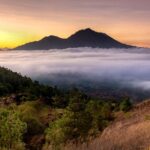
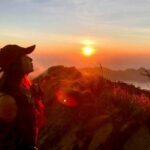
Reaching the summit area in time is the whole point. You’ll watch sunrise over Bali, with views extending toward Lombok’s Mt. Rinjani and its peaks.
What makes this feel special is the direction and scale. You’re high enough that the horizon opens up in a way that’s hard to fake elsewhere in Bali. When the sky lightens, you get a sense of geography: islands layered in the distance, volcanic slopes below you, and the long climb behind you.
Try to slow down once you’re there. The temptation is to rush photos, but sunrise is short. If your guide sets up a comfortable moment (coffee, food, a few minutes of warming), take it.
If clouds or fog roll in, don’t panic. The mountain can cloud up as you climb, and conditions can shift quickly as the sun rises. Being there on time gives you your best shot.
The descent: where injuries happen if you ignore grip
Coming down is often harder than people expect. One reason is that your legs are tired, and the trail surface can turn loose and slippery. Even when it isn’t raining at the moment, the forest and rocky zones can still be muddy.
One review-style lesson I’d carry into any real Mt. Agung attempt: wear shoes with real tread. Runners can work on paper, but they often don’t grip well on loose, damp rocks. And please, skip sandals.
Going downhill is also the moment where you may need to slow your pace more than you want to. The trail can feel narrow in parts, and loose stones can shift under your feet. Trekking poles are especially useful here, not just for climbing.
If you’re prone to knee pain, take it seriously. Short steps, one foot at a time, and a steady rhythm beat speed every time.
What to wear and pack (based on what actually helps on this trek)
The tour includes trekking poles, flashlight, and a raincoat, but it does not include warm layers or shoes. For Mt. Agung, that’s a big deal.
Here’s what I’d pack with care:
- Warm layers you can layer fast (cool forest hiking, then much colder upper sections, plus wind at the top).
- Hiking shoes with grip, not smooth-soled sneakers and not sandals.
- Plenty of water; bringing extra is smart since you’ll be active for hours in changing temperatures.
- A mindset for steady movement: you’ll likely feel tough moments where you wonder if you can keep going.
Some hikers also recommend gloves because cold bites on the upper parts. If you forget, a guide may have a solution at the fire stop, but I wouldn’t count on it—bring your own if you can.
If you like carrying a backup light, think about a headlamp-style option even though you’re provided flashlights. The goal is simple: you want light reliability if something shifts on the trail.
Guides and drivers: the difference between a slog and a story
This trek is private, and that matters. When your guide matches your pace and keeps you safe, the whole climb feels less intimidating.
Real names you might hear include Darta and Gede Darta—guides described as calm, attentive, and focused on safety. Drivers also get mentioned by name, like Ketut Bude and Rodih, often as prompt and skilled on local roads.
Communication levels can vary. Some guides have limited English, but good guidance still comes through in clear pacing, practical safety advice, and how they manage the group’s energy.
What you should look for in any guide you get: they should keep the plan coherent (stops, cold management, and a realistic push toward sunrise). If your goal is sunrise timing, you want someone who doesn’t rush you into a long cold wait.
Who this trek is for (and who should pick another sunrise plan)
This is best for hikers who can handle steep, rocky trails at night. The tour is designed for travelers with at least moderate physical fitness, and it’s not for everyone.
It’s especially suitable if you:
- enjoy challenging climbs more than casual sightseeing,
- like early starts and can handle cold conditions,
- want a private guide and a guided route up a sacred volcano.
It’s probably not a great fit if:
- you don’t have the shoe grip or layers for cold altitude hikes,
- you want a gentle, low-effort sunrise,
- you’re looking for a short outing. This is a long day.
If you mainly want sunrise with less climbing intensity, you might compare with other volcano sunrise routes people choose for an easier day. But if your idea of fun includes earning views the hard way, Mt. Agung is your place.
Should you book Mount Agung Sunrise Trekking Private Tours?
Book it if you want one of the most memorable sunrise experiences in Bali and you’re willing to treat it like a real hike, not a photo stop. With the private guide, included trekking gear, and the fire stop breakfast, the trek rewards effort with a crater-rim sunrise view that feels bigger than your usual Bali horizon.
Skip (or be extra cautious) if you’re unprepared for cold and steep terrain. The fact that warm layers and shoes aren’t included is the signal: bring the right clothing and footwear, and don’t underestimate the descent.
If you do go, make your life easier by showing up with layers, good grip shoes, and a calm attitude about timing. Mt. Agung gives back when you respect the mountain—and it’s a night-to-sunrise journey you’ll talk about long after you’re back down.
FAQ
How long is the Mount Agung sunrise trek?
The trek runs about 12 to 16 hours.
Where is the tour located?
The tour is in Ubud, Indonesia, with hiking on Mt. Agung.
Do you get pickup and drop-off?
Yes. Pickup and drop-off are offered in south Bali, Ubud, Amed, Lovina, and Candidasa.
What time does the hike start?
Hiking begins in darkness, with starts around midnight mentioned for the trek.
Is sunrise viewing included?
Yes. The tour is built around hiking to reach the summit area for sunrise, with breakfast afterward.
What is included in the tour price?
You get a private driver and guide, trekking poles, flashlight, raincoat, and breakfast with water during the hike (including bread, hardboiled egg, seasonal fruits, biscuits, and tea or coffee).
What is not included?
Warm jacket, shoes, and other personal needs are not included.
What should I have for physical fitness?
You should have at least moderate physical fitness level.
Is the tour private?
Yes. It is a private tour/activity, and only your group participates.
Is free cancellation available?
Yes. Free cancellation is available up to 24 hours in advance for a full refund. If you cancel less than 24 hours before the start time, the payment is not refunded.
More Private Bali Charters
More Bali Tour Picks
More Bali Reviews & Picks
Still deciding? More Bali days reviewed, from volcano sunrises to island crossings



Hiking & Trekking, compared.
 ★ 5.0Mount Batur Sunrise Hike and Natural Hot Spring OptionFrom $331,927 reviews
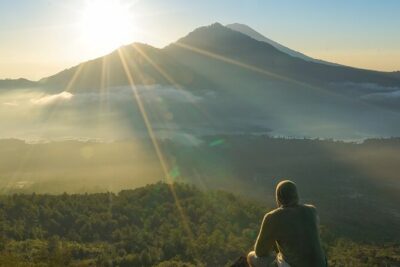 ★ 5.0Mount Batur Sunrise Hike with BreakfastFrom $301,757 reviews
 ★ 5.0Mount Batur Sunrise Trekking Private All InclusiveFrom $21906 reviews
 ★ 5.0Mount Batur Sunrise Trekking Private Tour with Breakfast and Hotel TransferFrom $49885 reviews
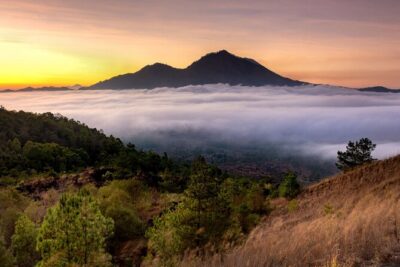 ★ 5.0Private Mount Batur Sunrise Trekking TourFrom $39634 reviews
 ★ 5.0Mount Batur Sunrise Trekking (Private Tour and Breakfast at Restaurant)From $39598 reviews
 ★ 5.0Private Tour Mount Batur Sunrise Trekking and Natural Hot SpringFrom $63431 reviews
 ★ 5.0Private Tour : Mount Batur Sunrise Trekking With Private GuideFrom $42422 reviews
Browse the lists this tour appears in