
Reviewed · NUSA PENIDA ISLAND HOPPING
Snorkeling in Wall Point, Gamat Bay and Manta Bay: Nusa Penida Island
A day on Nusa Penida is all about the water. This trip trades Bali traffic for a speedboat run and three major snorkeling stops: Crystal Bay (Wall Point), Gamat Bay, and Manta Bay—where manta rays are spotted almost daily. You’ll get hotel/villa pickup from several Bali areas, plus shared boat rides and a professional guide to help you enjoy the time you’re actually in the water.
I love the setup here because the basics are handled: snorkeling equipment and a life jacket come with the tour price, so you don’t need to rent gear or guess what to bring. I also like the stop order. Crystal Bay and Gamat Bay give you excellent coral-and-fish time first, then you end with the big target: mantas and other large critters.
One thing to think about: manta sightings are not a promise. If the sea is choppy or visibility drops, your chances can go down, and the day may feel more rushed than you expected since the schedule includes travel time to and from Nusa Penida.
In This Review
- Key Things to Know Before You Go
- Pickup in Bali, Then Off to Sanur for the Speedboat
- What this means for your day
- Crystal Bay (Wall Point): Clear Water and the First “Wow” Moment
- Why this stop is worth starting with
- Gamat Bay: Coral Gardens and Small Stuff That Adds Up
- A practical expectation
- Manta Bay: The Big Target, and Why Conditions Decide Everything
- If you come for mantas
- Time on the Water vs. Time on the Move
- About the boats
- What’s Included (and What You’ll Need to Pay For)
- My practical advice
- What to Bring for a Smoother Snorkeling Day
- Who This Tour Fits Best
- Age limits
- Price and Value: Is $90 a Good Deal?
- A Balanced Reality Check: What Can Go Wrong (and How to Prepare)
- Should You Book This Snorkeling Route?
- FAQ
- Where does pickup happen for this tour?
- How long is the snorkeling day?
- Is snorkeling equipment included?
- Is lunch included?
- What should I bring with me?
- What happens if weather conditions are poor?
Key Things to Know Before You Go
- Three well-known snorkeling areas: Crystal Bay (Wall Point), Gamat Bay, and Manta Bay in one day
- Snorkel gear and life jacket included (mask, fins, life jacket), plus a professional snorkeling guide
- Sea conditions matter: the trip requires good weather, and wave height can affect what you see
- Time in the water is limited per stop (about 40 minutes at each main snorkeling stop)
- Boat is small compared with big-ship expectations during the snorkeling portion, so plan for simple comfort
Pickup in Bali, Then Off to Sanur for the Speedboat
This is a classic Bali-to-Nusa-Penida day: you start with hotel/villa pickup and then head to the speedboat departure from Sanur Beach. The tour includes pickup options from a long list of areas around your stay, including Seminyak, Kuta, Legian, Jimbaran, Nusa Dua, Tanjung Benoa, Denpasar, Canggu, and Sanur. If you’re planning a beach-hotel stay in southern Bali, this is the kind of service that saves real time (and sanity) versus trying to coordinate transfers on your own.
The ride itself is a sharing speedboat to Nusa Penida. That means you’re not alone on the water, but you also aren’t locked into a long, uncomfortable drive before you even start. The tour also mentions a personalized welcome once you arrive at the port, and that’s the kind of small touch that helps when you’re hopping between boats and locations fast.
More island days across Nusa Penida and the Nusa islands

What this means for your day
If you hate feeling like you’re always rushing, know the trip is built for momentum. You’re moving from Bali to Nusa Penida, then between bays, then back again. The payoff is that you get three different snorkeling areas instead of one.
Crystal Bay (Wall Point): Clear Water and the First “Wow” Moment
Crystal Bay, also called Wall Point, is the first stop and one of the main reasons people do this exact route. The pitch is simple: clear water and good visibility. This matters because Nusa Penida snorkeling can vary a lot by day. If the water is clear, you’ll notice the difference immediately—fish look sharper, coral texture stands out, and you spend less time just trying to find something worth looking at.
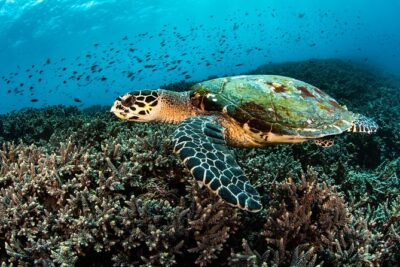
Crystal Bay is also described as a regular turtle spot. That doesn’t mean you’ll definitely see turtles, but it does mean the area is known for them. Even when you don’t get a turtle, you’re typically looking at a mix of coral and reef life.
Why this stop is worth starting with
Coming first is smart. Early in the day, most people are fresher and more patient with setup and water-entry. By the time you reach the later stop that people really talk about—Manta Bay—you’ll already have your “reef eyes” on. It’s the difference between just snorkeling and really enjoying what you’re seeing.
Gamat Bay: Coral Gardens and Small Stuff That Adds Up
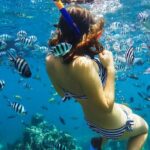
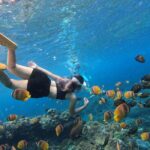
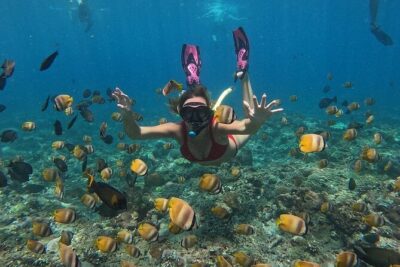
After Crystal Bay, you head to Gamat Bay, which is known for coral and lots of marine life. The description focuses on thousands of fish and reef critters living among colorful coral. This is a good stop if you enjoy the smaller details: fish shapes, movement in the water, and the feeling of being surrounded by life rather than just scanning for one big animal.
The timing at each main snorkeling stop is about 40 minutes, and that’s important. Forty minutes sounds short until you remember that you’re dealing with breathing, finning, and positioning in open water. If you want to see more than the first couple of meters, you’ll want to stay calm and not waste energy.
More snorkelling with mantas and the reefs off the coast

A practical expectation
This is not framed as a “swim for hours and see everything” type of outing. Instead, it’s a route that strings together strong sites with short, focused snorkel sessions. If you treat each stop like a photo-and-observation window, you’re much less likely to feel disappointed by the time on the water.
Manta Bay: The Big Target, and Why Conditions Decide Everything
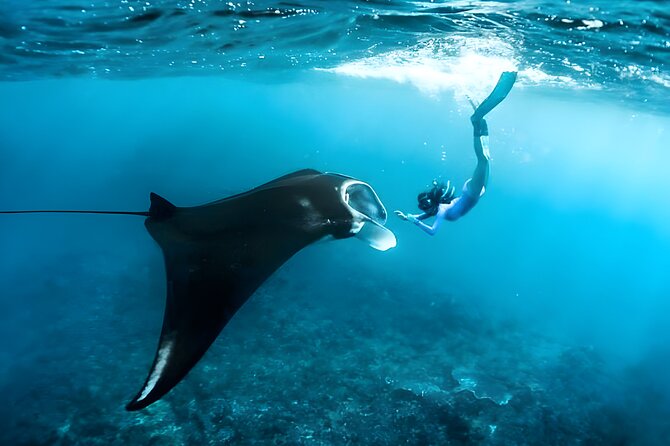
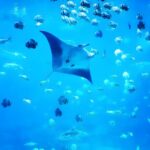
The final stop is Manta Bay, and this is where the trip earns its reputation. The tour notes that manta rays are spotted almost daily, along with other marine life such as spotted stingrays and nurse sharks. It also specifies the manta type as coral manta (Manta alfredi).
Here’s the key practical point: manta rays are not guaranteed on any snorkeling schedule. The tour itself emphasizes frequent sightings, but sea state can change what you see. If visibility is reduced or the water is rough, mantas may be harder to spot, even if they’re in the area.
There’s also a pattern that shows up with this kind of wildlife snorkeling: the biggest animals often appear when you’re calm and patient, not when you rush. So once you’re in the water at Manta Bay, slow down, keep your fins steady, and give your eyes time to adjust.
If you come for mantas
You’re paying for a chance at something special, not a guaranteed encounter. If you’d be happy with great reef snorkeling even without mantas, you’ll likely feel the trip is worth it. If mantas are the only reason you booked, build in a backup mindset: conditions drive sightings.
Time on the Water vs. Time on the Move
This trip runs about 6 to 7 hours total. That includes hotel pickup, transport to the port, boat travel to Nusa Penida, and then the move between snorkeling bays.
It’s also clear that most of your actual snorkeling time is concentrated into short sessions—around 40 minutes at each of the three main stops. That can be totally fine if you go in knowing the model: three targeted areas, not one long drift around a single reef.
About the boats
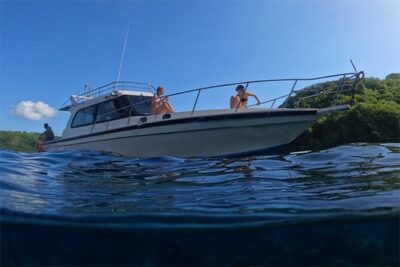
You use a sharing snorkeling boat for the in-water portion, and the snorkeling boat is described as small in comparison with bigger expectations. Think simple and functional: you’re there to get you in the water and back. If you want onboard extras like toilets or a larger setup, you should not plan on it here.
If you’re prone to motion sickness, bring that strategy with you. Speedboats can feel fast, and choppy seas make everything harder—especially snorkeling.
What’s Included (and What You’ll Need to Pay For)
This tour is good value if you compare like-for-like. For $90 per person, you get:
- Round-trip speedboat ticket to Nusa Penida (sharing boat)
- Snorkeling boat (sharing boat)
- Snorkeling equipment: mask, fins, life jacket
- Professional snorkeling guide
- Taxes and services
- Pickup and drop-off from many Bali areas (including Seminyak and surrounding neighborhoods)
What’s not included is also clear:
- Lunch
- Towels
- Personal expenses
My practical advice
- Plan on bringing your own towel or buying one nearby at the start of the day.
- Bring a change of clothes, since you’ll be wet after snorkeling.
- Eat something sensible before pickup or during the gap before you start—since lunch isn’t included, you’ll want a plan.
What to Bring for a Smoother Snorkeling Day
The tour specifically asks you to bring sunscreen, a camera, and change of clothes. That’s exactly right. Add these practical ideas based on how the day works:
- Water-ready sunscreen (reef-safe if you can)
- A phone in a waterproof case if you’re serious about photos
- A small bag for goggles/mask after you swim
- Reef shoes are not mentioned, so use your own judgment based on your comfort in entry/exit conditions
Dress code is listed as smart casual, which usually means: wear something you don’t mind getting splashed, and bring swimwear under it. You’ll likely feel more comfortable if you’re not in stiff clothes you can’t rinse off quickly.
Who This Tour Fits Best
This snorkeling route fits best if you:
- Want three famous Nusa Penida bays in one day instead of picking just one
- Prefer a guided approach with equipment provided
- Can handle short snorkeling sessions and don’t need all-day time in the water
- Are okay with sea conditions affecting wildlife sightings
It also fits solo travelers who want an easy structure. It may be less ideal for you if you expect a long, leisurely snorkeling day with plenty of time to wander slowly and linger.
Age limits
The tour lists a minimum age of 5 and a maximum age of 60. If you’re near the edges of that range, consider how comfortable you’ll be with speedboat rides and open-water snorkeling time.
Price and Value: Is $90 a Good Deal?
At $90 per person, you’re paying for a full day package: transfers, speedboat transport, gear, and a guide, plus taxes and services. If you try to recreate this independently, the combo of speedboat timing and gear logistics tends to cost more than you expect.
Where the value question comes in is the snorkeling time. Each stop is about 40 minutes, and the day includes travel time. If you judge value only by minutes in the water, it might feel tight. But if you judge it by variety—Crystal Bay plus Gamat Bay plus Manta Bay—this route is set up to give you a lot of “see something different” opportunities.
A Balanced Reality Check: What Can Go Wrong (and How to Prepare)
The most common “watch out” with this kind of trip is wildlife expectation. Mantas are described as spotted almost daily, but conditions can still get in the way. If the water is rough or visibility drops, your chance at mantas may decrease.
Also, don’t expect a big-ship comfort experience. The snorkeling boat is small during the water portion, and the overall schedule moves quickly. If you want lots of onboard downtime, this isn’t that.
How you prepare makes a big difference:
- Go with a flexible mindset about mantas
- Keep expectations realistic about snorkeling time
- Bring proper sun protection and wet-change clothes
- Protect your camera setup before you get in the water
Should You Book This Snorkeling Route?
Book it if you want a structured, well-supplied day that hits the three classic Nusa Penida snorkeling areas: Wall Point (Crystal Bay) for clarity and reef life, Gamat Bay for coral-and-fish time, and Manta Bay for your best shot at mantas, plus stingrays and nurse sharks.
Skip or reconsider if you:
- Are only satisfied by guaranteed manta rays
- Want long snorkeling sessions with more time to drift and explore
- Expect a large, comfort-heavy boat setup
If you’re the kind of traveler who likes “best-known stops” and can enjoy a short, focused snorkel window, this is a strong way to spend a day near Bali—especially with pickup and gear handled for you.
FAQ
Where does pickup happen for this tour?
Pickup is offered from multiple areas in Bali, including Seminyak, Kuta, Legian, Jimbaran, Tanjung Benoa, Nusa Dua, Canggu, and Denpasar. Pickup is also available from Sanur.
How long is the snorkeling day?
The total duration is about 6 to 7 hours.
Is snorkeling equipment included?
Yes. The tour includes snorkeling equipment: mask, fins, and a life jacket.
Is lunch included?
No, lunch is not included.
What should I bring with me?
Bring sunscreen, a camera, and change of clothes. Towels are also not included.
What happens if weather conditions are poor?
The experience requires good weather. If it’s canceled due to poor weather, you’ll be offered a different date or a full refund.
More Bali Reviews & Picks



More Snorkelling & Manta Trips
More Nusa Penida & Island Hopping

Still deciding? More Bali days reviewed, from volcano sunrises to island crossings








Nusa Penida Island Hopping, compared.
 ★ 5.0️Nusa Penida by Private Boat – Snorkeling 4 spots, Swim with Mantas + Land TourFrom $1006,424 reviews
 ★ 5.0Nusa Penida day trip: boat, 4 snorkeling, Manta rays & Land tourFrom $782,033 reviews
 ★ 5.0Bali Nusa Penida West Private All-Inclusive TourFrom $801,277 reviews
 ★ 5.0Open Water Course in Nusa Lembongan – Get Certified on remote island (next Bali)From $461864 reviews
 ★ 4.5Nusa Penida One Day Trip with All-inclusiveFrom $51743 reviews
 ★ 5.0️ Nusa Penida Instagram Tour: The Most Famous Spots (Private All-Inclusive)From $119538 reviews
 ★ 5.02 Days Discover Scuba Diving in Nusa Lembongan – Scuba InitiationFrom $151506 reviews
 ★ 5.0Nusa Penida Island Beach Tours Private All InclusiveFrom $64447 reviews
Browse the lists this tour appears in