
Reviewed · UBUD, MONKEY FOREST & CAMPUHAN
Traditional Balinese Cooking Class with Ubud Tour
Cooking in Bali hits different. It’s a full-day class built around family-style hospitality and real hands-on food making, then you tack on major temple sights afterward. I especially like the practical rhythm: pick produce, cook together, eat what you made, then head out for Taman Mumbul and Tanah Lot. One heads-up: it starts early at 7:00 am and the day is packed, so it’s not the best fit if you want a slow, late-morning schedule.
The vibe feels personal in a good way. The group max is 6 people, and the cooking host and guide lead you step-by-step; in the real-world examples, teachers like Yanti are patient and keep things friendly, and guides like Mang Ming handle the driving leg with solid English. The possible drawback is that you’ll be on the move for a full 8 hours, including transport by minivan and multiple stops, so comfy shoes and a bit of stamina matter.
What makes this tour worth your time is that it’s not only about food. You get the context for why the cooking works—ingredients from a nearby plantation, cooking methods you can actually repeat later, plus temple visits that connect what you ate to Balinese belief and daily life.
In This Review
- Key points at a glance
- What you’re really buying: a Balinese family kitchen day
- Price and value for $65.65: what you actually get
- Timing and ride: starting at 7:00 am and staying on the move
- Tea, costume photos, and a small-group rhythm
- From plantation to chopping board: how the class really works
- Dishes you’ll make (and how to enjoy them even if you’re a beginner)
- Lunch that feels like a real meal, not an afterthought
- Taman Mumbul Temple: a meaningful pause after the kitchen
- Ubud Palace and the Traditional Art Market: craft time with purpose
- Tanah Lot Sea Temple: the famous finale with a dose of realism
- What to pack (so your day stays comfortable)
- Who should book this (and who should skip it)
- Should you book this Balinese cooking + temple day?
- FAQ
- What time does the tour start?
- How long is the experience?
- How big is the group?
- Where do pickups happen?
- What dishes are you expected to cook?
- What’s included in the price?
- What is not included?
- Is there free cancellation?
Key points at a glance

- Small group size (max 6) keeps the class interactive, not watch-and-guess.
- Family teaching approach is warm and patient, like learning at someone’s home.
- Garden-to-kitchen flow includes picking ingredients and using what you select.
- You eat your own lunch (plus dessert and coffee/tea with Balinese sweets).
- Temple stops add meaning at Taman Mumbul and Tanah Lot.
- Hotel pickup in many Bali areas reduces the hassle of getting around.
What you’re really buying: a Balinese family kitchen day
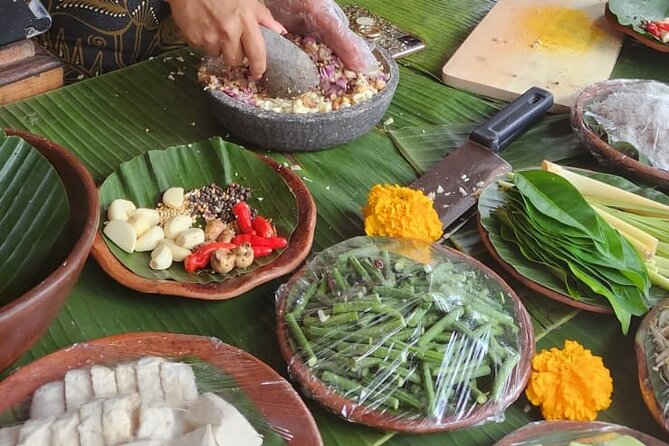
On paper, this is a cooking class plus temple visits. In practice, it feels like you’re joining a family rhythm: arrive, meet the host, snack on Balinese treats, cook together, then sit down and eat what you made. That matters because you’re learning technique, not just collecting photos.
The standout theme from the experiences shared with this tour is the kindness. People talk about warm welcomes, lots of laughter, and a patient teacher who slows down when you need it. That’s the difference between a generic “activity” and a day you can remember because you learned something real.
You’ll also get a built-in photo moment by changing into traditional Balinese clothing during the class. It’s not just a costume gimmick. It’s tied to the cultural setting of the day, and it helps you see how food prep fits into daily life.
More around Ubud, from the Monkey Forest to the Campuhan ridge


Price and value for $65.65: what you actually get
At $65.65 per person, this is a mid-range single-day experience. What helps the value is that it includes the things that often cost extra on Bali day tours:
- Hotel pickup and drop-off (for selected hotels)
- Air-conditioned minivan transport
- Lunch, meaning the food you cook
- Coffee or tea with Balinese sweets at the cooking venue
- English-speaking driver cum guide for the temple portion (Taman Mumbul and Tanah Lot)
- Taxes, fees, and handling charges
What’s not included is also clear: alcohol (available to buy) and dinner. That’s normal for a day tour, but it means you should plan your evening food choices before you go.
If you’re deciding between a basic cooking class and a cooking day that includes temples, this one leans toward the “learn + culture” combo. You’re paying for both. If you only care about cooking, you might compare prices with shorter classes that skip the sites. If you want a full, well-rounded day, this format makes sense.
Timing and ride: starting at 7:00 am and staying on the move
The tour starts at 7:00 am with pickup from the Ubud area and also from parts of Canggu, Kuta, Legian, Seminyak, Sanur, Nusa Dua, Jimbaran, and Uluwatu (select hotels). That early start is what makes it possible to include plantation time, the full cooking class, lunch, and multiple major stops before returning you to your hotel.
The tour runs about 8 hours. You’ll ride in an air-conditioned minivan, then do some walking and a short bicycle transfer to a nearby plantation area. So bring shoes you can handle on uneven ground.
In terms of logistics, you get a mobile ticket and you’re picked up close to public transportation options. Translation: you’re not trying to figure out how to meet a guide in the middle of nowhere.
Tea, costume photos, and a small-group rhythm
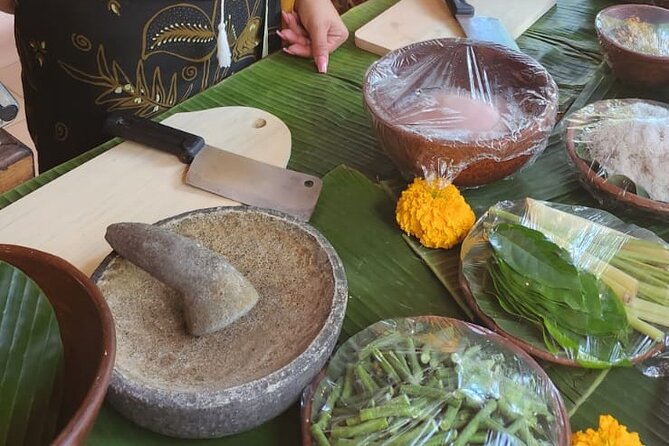
Before you start chopping, the day begins with a warm setup. You’re picked up early, then you’ll head to the village area where your host is waiting with tea and traditional Balinese treats. This is the part people often overlook, but it sets the mood. You’re not thrown into a lesson on an empty stomach.
Then comes the cultural layer: you change into traditional Balinese clothes for classic photos and a fun, respectful snapshot of the day. This is also when you’ll settle into the group dynamic. With a maximum of 6 travelers, your questions get answered in real time, and you’re not stuck waiting for the instructor to notice you.
One more practical point: the day is structured so you get both the cooking work and the temple sightseeing without feeling like you’re sprinting from one random place to another. Still, it’s a full itinerary, so don’t book a late dinner plan right after.
From plantation to chopping board: how the class really works
The cooking part has a simple, smart sequence:
- You head to a nearby plantation area to pick fresh ingredients.
- You return to the kitchen space.
- Your guide walks you through the menu and how each element comes together.
- You do the work: chopping, seasoning, blending sauces, and assembling dishes.
You’ll get hands-on time with typical Balinese dishes such as chicken soup, mixed vegetables with fresh coconut satay, banana leaf chicken, and tropical fruit salad. The method matters here: you’re learning the process and not only watching someone else do it.
One reason the teaching style lands well is patience. In the examples connected to this experience, the cooking host is described as giving clear instructions and staying steady when people need extra help. That’s a big deal if you’re not a confident cook.
Also, you’ll likely find that seasoning is where many cooking classes either rush or skip the explanation. Here, you get tips and tricks along the way. That’s how you leave knowing what to adjust next time you cook at home.
More farm and village cooking classes
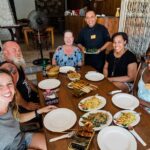
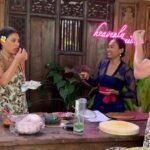
Dishes you’ll make (and how to enjoy them even if you’re a beginner)
Even if you’ve never cooked Balinese food before, the menu gives you a mix of skills. Some parts are chopping and mixing. Others are about sauce building and balancing flavors.
Here are the dishes the experience highlights, and what to watch for as you cook:
- Coconut satay elements: you’ll use fresh coconut and learn how it changes the flavor profile compared with sweetened or packaged versions.
- Banana leaf chicken: you’ll be working with wrapping and presentation, which is part culinary technique and part cultural style.
- Chicken soup: usually feels more forgiving and helps you understand the base flavors early.
- Tropical fruit salad: a cool, refreshing counterpoint to the richer dishes, and a good skill to take home.
My advice for the best results is simple: ask your guide what you should taste for at each step. Even if the recipe is straightforward, taste is the real guide. If your portion is off, you can often correct it with small seasoning adjustments—this is the moment to learn that.
And yes, you’ll eat what you cook. The lunch is built around your results, so you won’t leave hungry or just “participated and watched.”
Lunch that feels like a real meal, not an afterthought
After cooking, you sit down as a group to enjoy the results. This is where the tour earns its keep. Eating a meal that you made is satisfying in a different way than eating a pre-set restaurant lunch.
The experience also includes dessert and coffee/tea during the day, with coffee or tea and Balinese sweets at the cooking venue. That’s a nice finishing touch because it closes the loop: you’re not done once the cooking is over. You get a full meal-and-sweet rhythm.
This is also a good time to ask your host what you can replicate easily at home. If you want souvenirs, the best one is technique you can repeat.
Taman Mumbul Temple: a meaningful pause after the kitchen
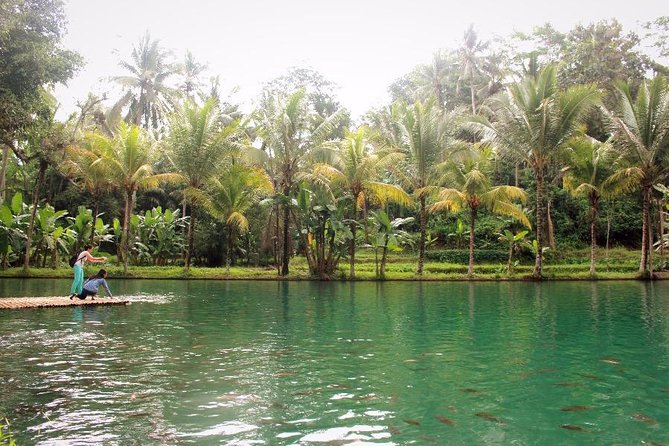
After lunch, the day shifts from cooking to spirituality and scenery. The first temple stop is Taman Mumbul, where your guide covers the essentials with an English-speaking driver cum guide. This matters because it turns the visit from a checklist into something you can actually connect to what you ate.
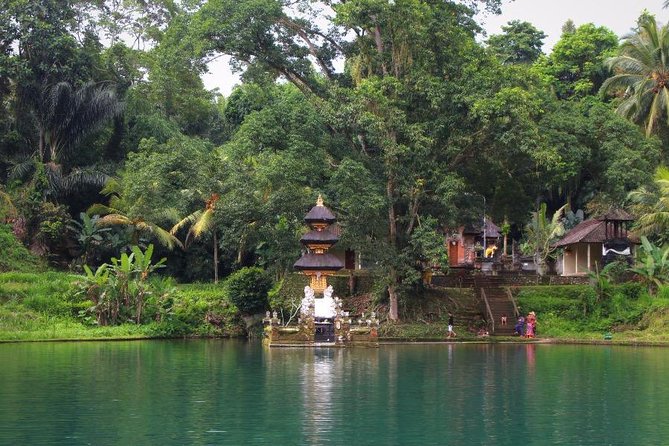
Taman Mumbul is part of Bali’s water-and-temple world. Even without turning it into a lecture, you’ll get the basic context for why these sites matter to daily life and ritual. It’s a good break from the warm, hands-on kitchen energy.
Practical tip: dress for temple visits. You’ll want clothing that respects the setting and footwear that handles outdoor paths.
Ubud Palace and the Traditional Art Market: craft time with purpose
The program also includes classic Ubud stops, including Ubud Palace and the Ubud Traditional Art Market. This is useful if you want cultural context beyond temples and cooking.
The palace stop helps you see another side of how Balinese life is organized around tradition and ceremony. The market stop gives you a chance to browse crafts and see what people are buying and making locally.
You’re not stuck in a rush. The timing is part of what makes the day work: you get one foot in cultural life and one foot in the food lesson you just completed. That connection makes even casual browsing more interesting.
Tanah Lot Sea Temple: the famous finale with a dose of realism
Next up is Tanah Lot, Bali’s best-known sea temple landmark. Your guide and transport bring you there as a wrap-up to the day, so you can end with something you recognize even if you haven’t studied Bali in advance.
Tanah Lot is photographed a lot for a reason: it’s a striking setting and an easy place to feel the scale of Bali’s coastal scenery. As a finale after cooking, it provides contrast. One moment you’re smelling spices and tasting sauces. The next you’re looking at the ocean and the temple’s silhouette against the water.
Realistic note: it’s a popular spot. If you want quiet photos, go into it with patience and a flexible attitude. The goal is the experience, not beating the crowd.
What to pack (so your day stays comfortable)
This is a full day with outdoor temple time and some movement, so pack with comfort in mind:
- Closed-toe, grippy shoes (temple grounds can be uneven)
- A light layer for morning-to-afternoon temperature shifts
- A sarong or clothing that covers you appropriately for temple visits (if you don’t have one, you might find the logistics handled on-site, but don’t count on it)
- Sunscreen and a hat, especially if you’ll be outside during ingredient selection
Also, bring a small bag for water and any personal items. Your hands will be involved in cooking, so having a place for phone/keys helps.
Who should book this (and who should skip it)
I’d point you toward this tour if you want:
- Hands-on cooking with clear teaching
- A small group where you can ask questions
- Lunch that’s actually the highlight, not a side dish
- Temple stops that aren’t just photo stops
You might want a different option if:
- You hate early starts. 7:00 am is firm.
- You want a mostly relaxed day with minimal walking.
- You’re only interested in one thing. This is a combo: cooking plus temples plus Ubud culture stops.
If you’re traveling with kids, the tour’s data is specific: child pricing applies only when sharing with two paying adults, and it’s not recommended for children under 5. If you’re close to that age line, check details carefully before booking.
Should you book this Balinese cooking + temple day?
If your idea of a great Bali day is learning something practical, then finishing with iconic sights, this is a strong choice. The best reason to book is the teaching and the food: people describe the experience as warm, patient, and genuinely delicious, especially with guides such as Yanti and family hosts like the Khrisna family, plus steady driving by people like Mang Ming.
If you can handle an early start and want a structured day that still feels personal, book it. If you’re seeking a laid-back morning or you hate being on a tight schedule, you’ll probably feel rushed.
FAQ
What time does the tour start?
The start time is 7:00 am.
How long is the experience?
It runs for about 8 hours.
How big is the group?
This activity has a maximum of 6 travelers.
Where do pickups happen?
Hotel pickup and drop-off are offered for select hotels, including areas such as Ubud, Canggu, Kuta, Legian, Seminyak, Sanur, Nusa Dua, Jimbaran, and Uluwatu.
What dishes are you expected to cook?
The class includes typical Balinese dishes such as chicken soup, mixed vegetables with fresh coconut satay, banana leaf chicken, and tropical fruit salad.
What’s included in the price?
Included are lunch (what you cook), a host/guide for the cooking class, an English-speaking driver cum guide for the temple tour, air-conditioned minivan transport, hotel pickup and drop-off (select hotels), taxes/fees, and coffee or tea with Balinese sweets.
What is not included?
Alcoholic drinks are not included (they’re available to purchase), and dinner is not included.
Is there free cancellation?
Yes, you can cancel for free up to 24 hours before the experience start time for a full refund.
More Bali Reviews & Picks





More Farm & Village Cooking
More Around Ubud & the Monkey Forest

Still deciding? More Bali days reviewed, from volcano sunrises to island crossings







Ubud, Monkey Forest & Campuhan, compared.
 ★ 5.0All-Inclusive Ubud Private TourFrom $10014,344 reviews
 ★ 5.0Best of Ubud Full-Day Tour with Jungle SwingFrom $568,571 reviews
 ★ 5.0Ubud: Monkey Forest, Jungle Swing, Rice Terrace, and Water TempleFrom $317,160 reviews
 ★ 5.0Best of Ubud 1-Day Private TourFrom $544,451 reviews
 ★ 4.4Ubud Palace Legong Dance Show TicketFrom $63,979 reviews
 ★ 5.0Body Massage Experience in Ubud Traditional SpaFrom $213,506 reviews
 ★ 4.4Ubud Kecak and Fire Dance Show TicketsFrom $62,631 reviews
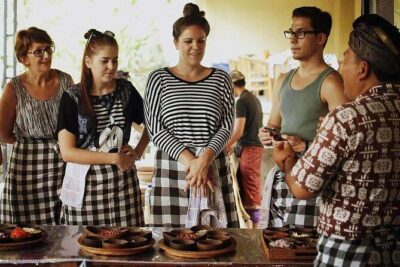 ★ 5.0Ubud Cooking Class Bali with Balinese ChefFrom $351,609 reviews
Browse the lists this tour appears in