Reviewed · BALI
Transforming Plastic Waste A Hands On Recycling Experience
Plastic waste has a second life here. This Bali workshop is hands-on, not sightseeing—so you get a real look at how plastic turns into useful materials. What makes it especially interesting is the studio-style approach: you’re sorting, creating, and watching machines at work, including a CNC setup that cuts plastic into products.
I love the practical, do-it-yourself parts. You’ll sort bottle caps by type and color, then make your own artwork from recycled plastic—so the lesson sticks because your hands are involved. I also like how the explanations come from r•Plastic’s sustainability and product-design work, with Martijn Huizing described as passionate and clear when he walks people through the process.
One possible drawback: there’s no lunch. You’ll get bottled water for topping up your bottle, but you should plan to eat beforehand if you don’t want your visit to turn into a snack scramble.
In This Review
- Key highlights you should know before you go
- Why This Bali Recycling Studio Feels Different From Usual Ubud Tours
- Your 90 Minutes: Sorting Caps, Making Art, and Getting Answers
- The Studio Tour: Where Plastic Waste Becomes a Real Material Stream
- Watching a CNC Machine Cut Plastic Into Products
- The Hands-On Moment: Sorting Caps and Creating Recycled Artwork
- Your Take-Home Keychain: Why Souvenirs Here Mean More Than a Trinket
- Price and Value: Is $15.06 Worth It?
- Where to Meet and How to Plan Your Day in Kemenuh
- Practical Tips: What to Bring and What to Expect On-Site
- Who Should Book r•Plastic in Ubud?
- Should You Book This Plastic Recycling Workshop?
- FAQ
- How long is the r•Plastic recycling experience?
- How much does it cost?
- Where does the experience start, and does it return there?
- What’s included during the experience?
- Is lunch provided?
- What activities will I do during the workshop?
- Will I receive a souvenir?
- Is this workshop suitable for families or kids?
- What’s the cancellation policy if the weather is bad?
Key highlights you should know before you go
- Hands-on sorting and recycled-plastic art so you’re not just watching from the sidelines
- Machine demos in a working studio, including a CNC machine cutting plastic into product parts
- A small group size (maximum 20) that keeps the pace friendly and questions easy
- A take-home handmade keychain made from Bali’s recycled plastic
- Family-friendly learning that works well for kids and school groups (including grade-school visits)
Why This Bali Recycling Studio Feels Different From Usual Ubud Tours
Ubud is great for temples, rice terraces, and coffee tastings. This experience goes a different route: you step into a recycling studio and treat plastic waste like a material with options, not just a problem to ignore.
It also helps that it’s structured like real process learning. You start with context, move into machine demonstrations, then do the work yourself. That flow matters because recycling isn’t one magic step—it’s sorting, preparation, shaping, and design choices.
More of Bali worth booking, from the Ubud rice terraces to the reefs off the Bukit.



Your 90 Minutes: Sorting Caps, Making Art, and Getting Answers
The whole experience runs about 1 hour 30 minutes, so it fits well into a busy day around Ubud. A mobile ticket makes it simple to manage, and the group stays capped at 20, which keeps the workshop from feeling rushed.
Here’s the rhythm of what you’ll do:
- Welcome and intro: you’ll hear about Bali’s plastic problem and why recycling matters
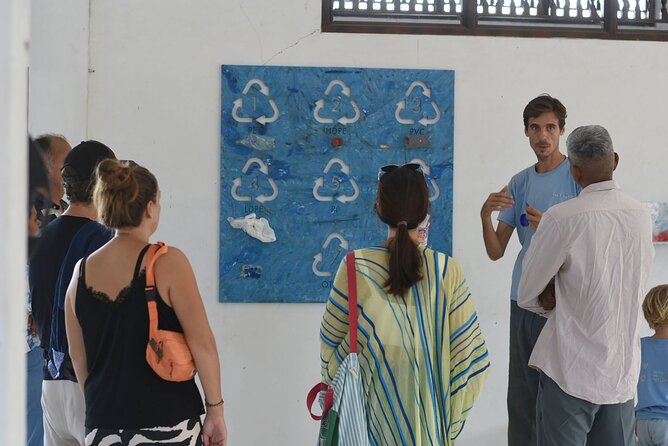
- Plastics and recycling lesson: you learn about plastic types and why sorting is a big deal
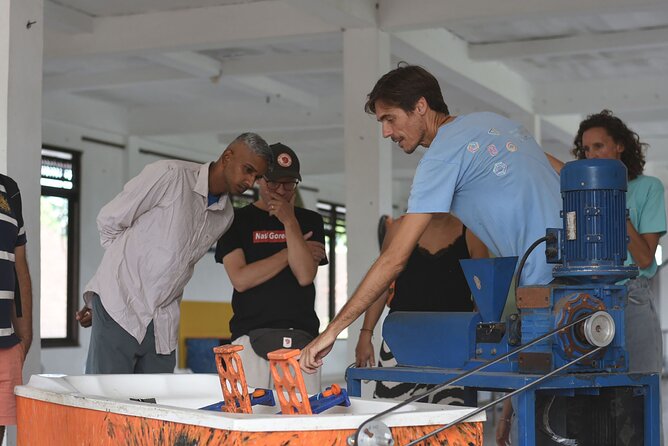
- Studio tour and machine demos: you see self-built machines working through the process
- Hands-on activities: sorting bottle caps and creating your own artwork from recycled plastic
- Q&A and souvenir: you ask questions and receive your handmade keychain made from recycled plastic
What I like about this format is that it doesn’t try to shock you. Instead, it teaches how waste streams can be processed into new materials—then gives you a small, personal “proof” in your hands when you take the keychain home.
The Studio Tour: Where Plastic Waste Becomes a Real Material Stream
This visit is built around a working recycling studio, which is exactly what you want if you hate tours where you mostly look at signs. You’ll get the behind-the-scenes view of how plastic is handled, and you’ll see machines designed for small-scale, decentralized recycling.
You’ll also learn why plastic isn’t just plastic. Different plastic types behave differently, and that affects whether items can be processed into something usable. Sorting bottle caps by color and type isn’t random craft time—it’s a practical step in keeping materials consistent.
One of the best parts is that the workshop ties the technical side to real-world challenges in Bali. You’re shown the waste issue, then pointed toward local efforts that try to reduce the “one-way trip to landfill” fate that plastic often gets.
Watching a CNC Machine Cut Plastic Into Products
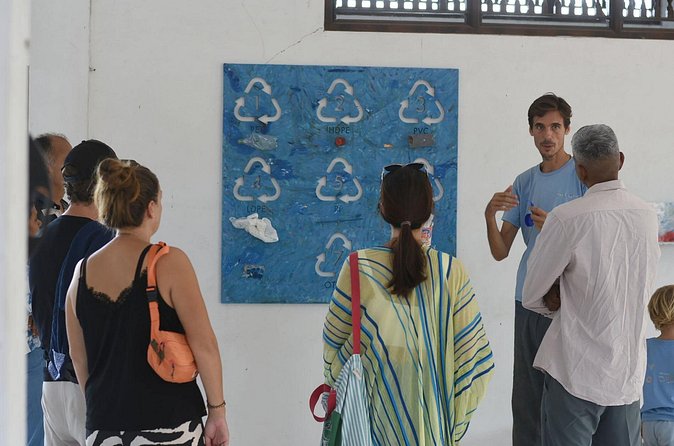
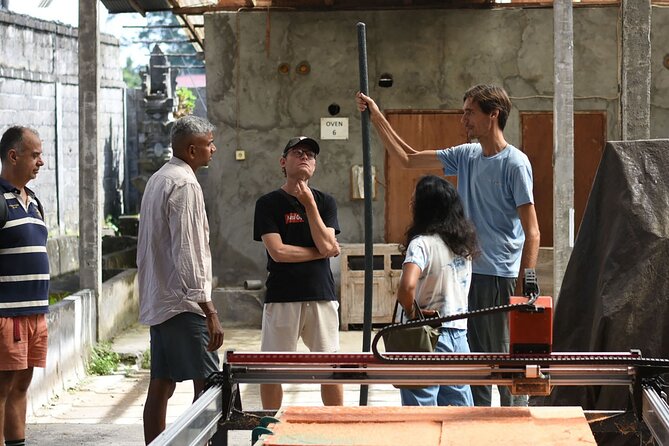
The highlight for a lot of people is the CNC machine demo. You’ll watch plastic get cut into product parts, including examples like surfboard racks and furniture.
Even if you’re not a maker, the CNC demo helps you understand something important: recycling isn’t only about melting and remolding. It’s also about precision, design, and using manufacturing tools to shape recycled material into functional objects.
From the way the experience is described, the goal isn’t to make you an engineer. It’s to help you see where recycling can realistically go when you treat plastic like a supply chain problem and a design problem at the same time.
The Hands-On Moment: Sorting Caps and Creating Recycled Artwork
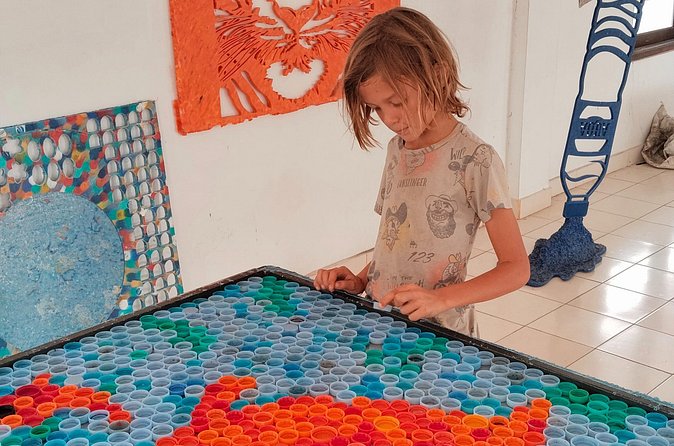
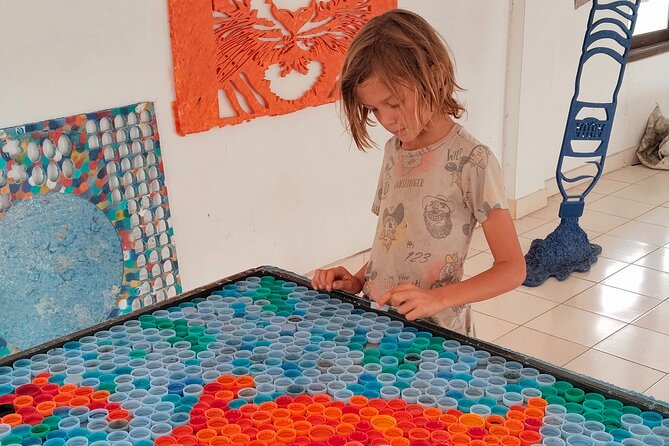
You won’t just stand and listen. You’ll sort bottle caps by color and type, then create artwork using recycled plastic pieces.
That sounds simple, but the payoff is big. When you sort materials yourself, you start to see why recycling systems depend on consistency, not wishful thinking. And when you make something you can look at later, you remember the lesson longer than you would from a slideshow.
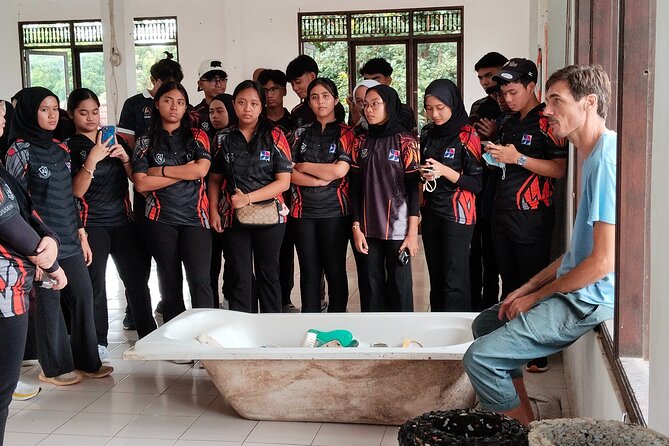
If you’re traveling with kids, this part is especially strong. School trips described in the feedback include grade-school groups learning about multiple plastic types and doing the sorting activities hands-on. The workshop seems to work when you want education that doesn’t feel like homework.





Your Take-Home Keychain: Why Souvenirs Here Mean More Than a Trinket
By the end, you take home a handmade keychain made from Bali’s recycled plastic. That’s not just a nice extra—it’s a way to connect what you learned to something you can use daily.
I also appreciate that the souvenir ties into the workshop’s main message: waste can be transformed into something valuable when you combine the right process with careful sorting. You leave with a physical reminder, not only good intentions.
Price and Value: Is $15.06 Worth It?
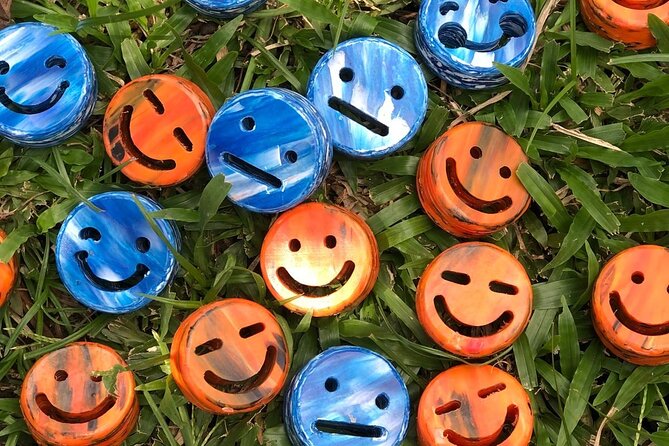
At $15.06 per person for about 1 hour 30 minutes, this is priced like an active workshop rather than a premium guided attraction. For that money, you’re getting several distinct parts: an educational intro to plastic types, a studio tour with machine demos, hands-on sorting and art-making, and a recycled-plastic keychain.
What makes it good value isn’t only the low price. It’s the mix of learning + doing + seeing real equipment in action. Many experiences in Bali charge more for less “work” from your hands.
If you’re the type who likes tours that change how you look at daily stuff—bottles, packaging, and material choices—this one fits well. If you want classic monuments and scenic stops, you may find it’s too different from what you expected.
Where to Meet and How to Plan Your Day in Kemenuh
The meeting point is at F73J+CFR, Jl. Ir. Sutami, Kemenuh, Kec. Sukawati, Kabupaten Gianyar, Bali 80582, Indonesia, and the activity ends back at the meeting point.
Because it’s in a studio setting, plan for the timing to feel more concentrated than a typical “drive around and stop often” tour. You’ll likely want to schedule it when you’re not rushing to the next reservation, since the experience is built to flow from lesson to workshop to demo.
Parking is listed as available, which helps if you’re using a private driver or scooter setup.
Practical Tips: What to Bring and What to Expect On-Site
No lunch is available, so think of this as a workshop you fit between meals. Bottled water is provided for topping up your own bottle, but water bottles are not available, since they avoid single-use plastic.
So bring a reusable bottle. It’s a small thing, but it keeps you comfortable and aligned with the workshop’s mindset.
Good weather matters for the experience. If conditions are poor, the tour may be canceled and you’ll be offered another date or a full refund.
Who Should Book r•Plastic in Ubud?
Book this if you want a Bali experience that actually teaches something tangible about waste. It’s ideal for people who like hands-on activities, basic materials science, or maker-style demos with real equipment.
It also looks like a strong fit for families. Feedback includes school and family groups enjoying the sorting and learning activities, including younger kids who were engaged by the process and explanations.
Skip it if you’re only after views, beaches, or a traditional sightseeing day. This is not a temple circuit or a scenic trek—it’s a workshop with a clear educational focus.
Should You Book This Plastic Recycling Workshop?
Yes, if you want a low-cost, hands-on Bali experience with real process learning. The combination of sorting, creating recycled artwork, and watching a CNC machine at work makes it more memorable than typical “watch and go” tours.
I’d especially recommend it if you’re the kind of traveler who likes practical takeaways. You’ll leave with a better understanding of why plastic recycling is complex, and you’ll walk away holding a recycled keychain you can actually use.
FAQ
How long is the r•Plastic recycling experience?
It’s approximately 1 hour 30 minutes.
How much does it cost?
The price is $15.06 per person.
Where does the experience start, and does it return there?
The tour starts at F73J+CFR, Jl. Ir. Sutami, Kemenuh, Kec. Sukawati, Kabupaten Gianyar, Bali 80582, Indonesia, and it ends back at the meeting point.
What’s included during the experience?
Bottled water is provided for topping up your own bottle, and parking is available.
Is lunch provided?
No. Lunch and food are not available, and there are no other drinks listed besides bottled water for topping up.
What activities will I do during the workshop?
You’ll sort plastic bottle caps by color and type, create artwork from recycled plastic, and watch machine demos, including a CNC machine demo.
Will I receive a souvenir?
Yes. You take home a handmade keychain crafted from Bali’s recycled plastic.
Is this workshop suitable for families or kids?
It’s described as suitable for most travelers, and the workshop format has been used for school visits and youth groups.
What’s the cancellation policy if the weather is bad?
Free cancellation is available, and the experience requires good weather. If it’s canceled due to poor weather, you’ll be offered a different date or a full refund.