
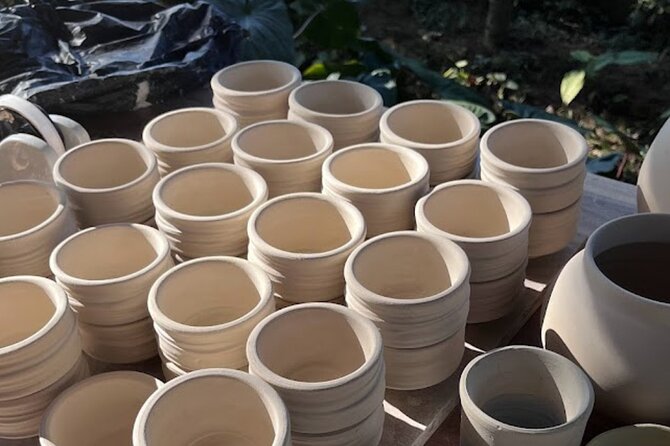
Reviewed · UBUD, MONKEY FOREST & CAMPUHAN
Ubud Pottery Ceramic Class in Bali
Clay time in Bali is strangely calming. This Ubud-area pottery class is a hands-on workshop guided by local artisans, where you shape a full 2kg of clay into your own pieces instead of just watching from the sidelines. I love how practical the teaching feels, and I love that you actually work the material, not just follow a demo.
In about 3 hours, you’ll learn core techniques like shaping and molding, plus you’ll likely get wheel work too (hand building is part of the set-up). The studio sits in a beautiful garden setting, which makes the whole session feel more relaxed than the typical classroom-tour combo.
One big consideration: if you want to take your pottery home, plan ahead. You’ll need at least 4 remaining days in your schedule for the studio process before you can leave with your work. Also, the meeting point is in Singapadu/Sukawati area—think about roughly 30 minutes from central Ubud, longer with traffic.
In This Review
- Key highlights worth knowing
- Where This Class Actually Starts: Tana ampo Pottery Studio near Ubud
- The 3-Hour Flow: What Happens Once You’re at the Studio
- Hand Building and Wheel Throwing: Two Skills, One Booking
- Why 2kg of Clay Changes the Whole Experience
- The Setting Matters: A Calm Garden Studio Vibe
- Value and Pricing: Is $31.31 Worth It?
- Taking Your Pottery Home: Plan a 4-Day Buffer
- Who This Class Fits Best (and Who Might Want Something Different)
- Booking Tips That Save You Hassle
- Should You Book This Ubud Pottery Ceramic Class?
- FAQ
- How long is the pottery class?
- Where is the meeting point?
- What does the class cost?
- What’s included in the price?
- How many people are in the group?
- Is the class suitable for beginners?
- How many days do I need left to take my pottery home?
Key highlights worth knowing
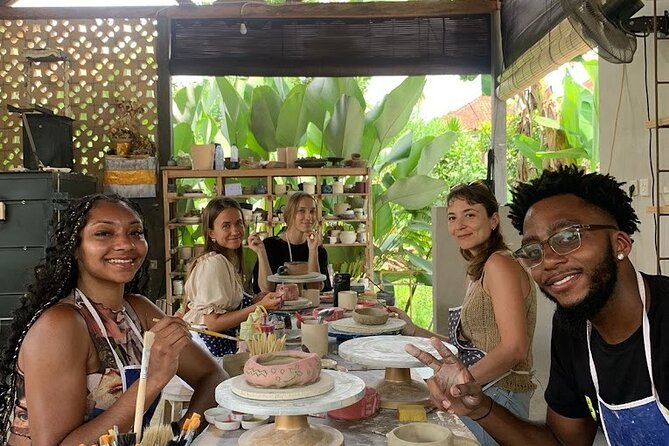
- A real studio experience in Singapadu, Sukawati, not a staged craft booth
- 2kg of clay gives you enough substance to make something you’re actually proud of
- Hand building plus wheel time for a full spread of skills
- Small groups (max 10) mean more attention from the mentor team
- Garden setting keeps the mood peaceful while you work
- Plan for pickup if you want to take your pottery home (you’ll need a buffer of days)
Where This Class Actually Starts: Tana ampo Pottery Studio near Ubud
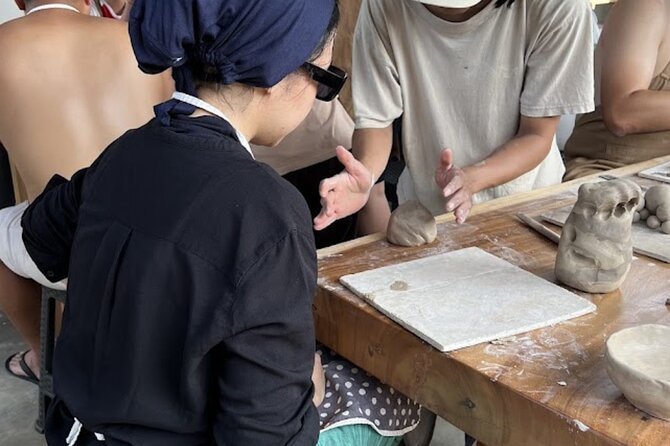
This pottery class meets at Tana ampo Pottery Studio in Central Singapadu, Sukawati (address: C793+8PH, Central Singapadu, Sukawati, Gianyar Regency, Bali). It ends back at the same meeting point, so you’re not dealing with some long hopscotch itinerary.
For timing, I’d build in extra margin. The ride from central Ubud is commonly about 30 minutes, but traffic can stretch it. That matters because you’re doing a craft class that runs for only around 3 hours—you don’t want to feel rushed on the way in or out.
If you’re planning the rest of your day, treat this like an actual workshop, not a quick “grab-and-go” activity. Arrive with enough time to settle, get oriented, and start handling clay at a comfortable pace.
More around Ubud, from the Monkey Forest to the Campuhan ridge



The 3-Hour Flow: What Happens Once You’re at the Studio
The most useful way to think about the class is as a guided sequence: you start with basics, then your attention shifts to shaping and making choices for your piece(s). You’re not just learning how pottery works in theory—you’re using your hands on the clay while the mentor team helps you correct, refine, and keep moving.
You’ll work with 2kg of clay, which is a big deal. In a lot of tourist versions of pottery, you get a tiny amount that forces you into quick, basic forms. Here, you have more material to experiment with proportions and shape without feeling like you’re racing the clock.
Expect a pace that cycles through:
- learning the starting technique (how to handle and shape)
- applying it to your own piece
- adding personal touches so it looks like you made it (because you did)
- cleaning up and wrapping your session
The exact breakdown can vary by group, but the core idea stays the same: you spend your time making, not waiting.
Hand Building and Wheel Throwing: Two Skills, One Booking
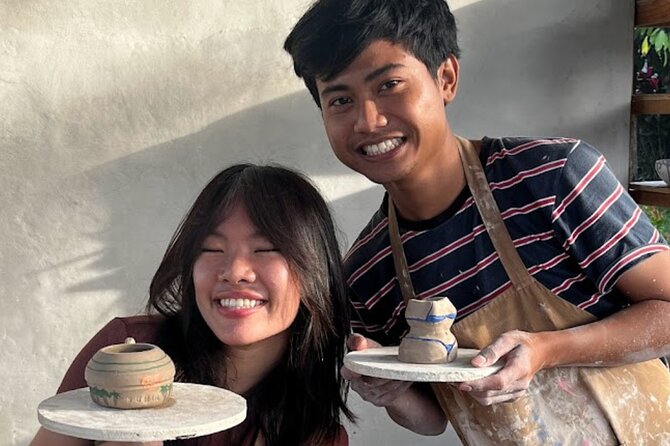
A standout part of this class is that you’re not limited to one style of pottery. At least part of the session includes both hand building and wheel work, so you get exposure to different methods.
Hand building is great because it teaches control. You’re feeling thickness, pressure, and form as you shape. It’s also forgiving in a way—if your first attempt isn’t perfect, you can adjust while the clay is still workable.
Wheel work (when included) teaches rhythm and balance. You’re learning how the spinning and your hands work together to create curves that are harder to achieve by hand alone. It also gives you that satisfying moment when the form starts to look like a real vessel instead of a blob.
Practical takeaway: if you like learning by trying, this setup makes sense. You get more than one “aha” moment in the same time window, which is why this class tends to land well for people who want a real skill experience without committing to a multi-day course.
Why 2kg of Clay Changes the Whole Experience
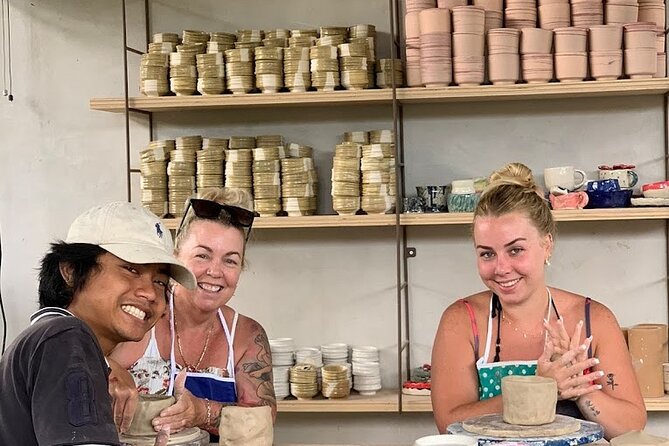
2kg of clay is a generous quantity for a short class. More clay usually means less stress: you can spend time refining your shapes and adding details, rather than snapping into survival mode.
It also affects how you experience the teaching. When you have enough material, you can:
- practice a step more than once
- adjust thickness and symmetry
- make personalization choices without the fear of wasting your only option
One more subtle point: you’ll understand the material better. Clay isn’t all the same. You’ll likely pick up that not every clay body works the same way, and that different clays behave differently during shaping and forming. That kind of learning makes the class feel more educational than just arts-and-crafts time.
The Setting Matters: A Calm Garden Studio Vibe
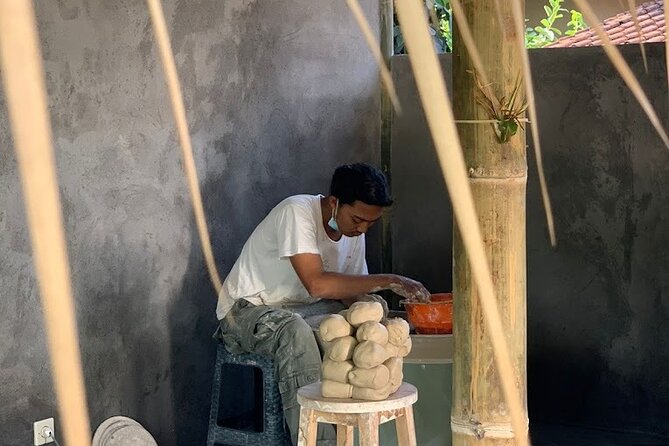
This workshop happens in the Singapadu area and it’s described as sitting in a beautiful garden setting. That sounds simple, but it changes the whole mood. Working with your hands is more enjoyable when the space doesn’t feel frantic or industrial.
Garden setting also helps you stay patient. Pottery rewards calm attention. If you’re the type who gets stressed in noisy group activities, a quieter studio can be the difference between a decent lesson and a genuinely relaxing one.
And because the class caps at 10 travelers/people, the atmosphere usually stays manageable. You get enough company to feel social, but not so many people that you’re constantly waiting for space or attention.
A few more Bali tours and experiences worth a look

Value and Pricing: Is $31.31 Worth It?
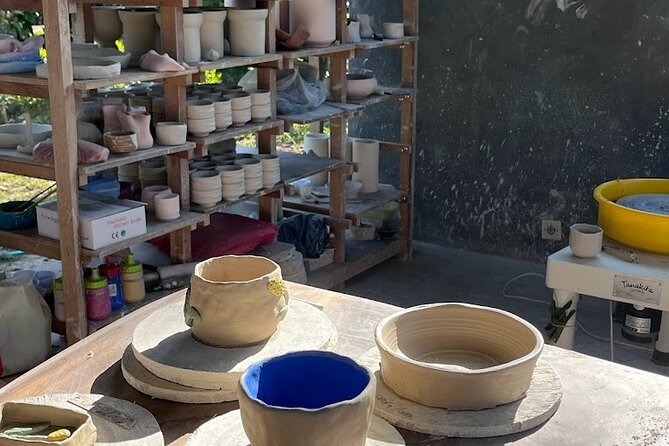
The price is $31.31 per person, and the included items are straightforward: a guided pottery class plus 2kg clay.
Here’s why that feels like good value for the right buyer:
- You’re not paying for a “show.” You’re paying for instruction and materials.
- You receive a meaningful amount of clay for a short session.
- You’re guided by a mentor team, which helps you avoid common beginner mistakes.
What’s not included is basically anything personal outside the class—so if you’re planning to buy additional souvenirs or items, budget separately. But for the core experience, the cost-to-time ratio is strong.
Also, a 3-hour format is a sweet spot. It’s long enough to feel like you made something real, and short enough to fit into a Bali schedule without blowing up your whole day.
Taking Your Pottery Home: Plan a 4-Day Buffer
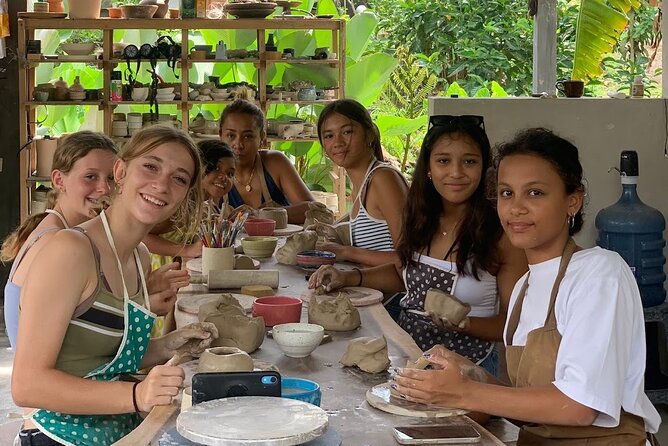
If you want to take your work home, the key rule is simple: keep at least 4 remaining days in your trip after the class.
That tells you something important. The studio needs time for the items to be properly finished after shaping. So don’t treat this as a same-day souvenir plan.
A smart move is to book your pottery class a few days before your trip ends (not during your last couple of days). That way you’re not stuck with the stress of changing plans or trying to coordinate pickup while you’re already on the move.
If your schedule is tight and you don’t have that 4-day buffer, you can still enjoy the class for the experience, but you should expect your finished pieces may not leave with you right away.
Who This Class Fits Best (and Who Might Want Something Different)
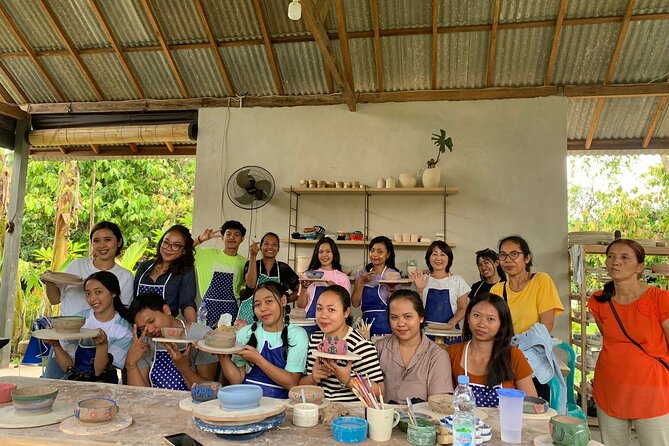
This pottery class is a strong match if you want:
- a practical Bali activity with a real skill focus
- guided instruction (not just a DIY table)
- small-group attention (max 10)
- a calm setting that doesn’t feel like a factory line
- a chance to try more than one technique (hand building and wheel time)
It’s also appealing for people who learn well by doing. You’ll get hands-on feedback as you shape and refine, which helps you leave with a piece that feels personal instead of generic.
You might want to consider another option if:
- you have zero flexibility for the 4-day home take requirement
- you prefer super-short activities with no waiting for finishing
- you’re looking for a tour that’s mostly sightseeing (this is primarily a workshop)
Booking Tips That Save You Hassle
You’ll typically book this about 6 days in advance on average, and confirmation is received at booking. A mobile ticket is part of the deal too, which keeps everything low-friction once your day comes.
I’d also plan your timing around the studio’s area. The meeting point is not in central Ubud itself, so build in transit time and give yourself enough buffer to get there without rushing.
Finally, treat the class like it’s the main event. If you stack it tightly with other appointments, you’ll feel the squeeze—especially if traffic moves slow or you lose a bit of time getting from your base.
Should You Book This Ubud Pottery Ceramic Class?
Yes, if you want a real hands-on workshop with guided help, a small group size, and a good chunk of materials (2kg clay) for a short visit. It’s a nice value at $31.31, and the garden studio setting makes it feel calm rather than chaotic.
Before you hit book, do two things: check you have the 4-day buffer needed to take your pottery home, and plan your transport time from Ubud so you don’t arrive late. If those two boxes are checked, this is the kind of Bali activity that feels worth the effort—because you leave with an object you made, not just a photo.
FAQ
How long is the pottery class?
The class runs about 3 hours (approximately).
Where is the meeting point?
It starts at Tana ampo Pottery Studio, listed as C793+8PH, Central Singapadu, Sukawati, Gianyar Regency, Bali 80582, Indonesia.
What does the class cost?
The price is $31.31 per person.
What’s included in the price?
The included items are the guided pottery class and 2kg clay.
How many people are in the group?
The class has a maximum of 10 people.
Is the class suitable for beginners?
Yes. Most people can participate, and the mentors teach from the basics.
How many days do I need left to take my pottery home?
If you want to take your work home, make sure you have at least 4 remaining days left in your trip.
More Bali Workshops & Classes
More Bali Reviews & Picks






More Around Ubud & the Monkey Forest



Still deciding? More Bali days reviewed, from volcano sunrises to island crossings











Ubud, Monkey Forest & Campuhan, compared.
 ★ 5.0All-Inclusive Ubud Private TourFrom $10014,344 reviews
 ★ 5.0Best of Ubud Full-Day Tour with Jungle SwingFrom $568,571 reviews
 ★ 5.0Ubud: Monkey Forest, Jungle Swing, Rice Terrace, and Water TempleFrom $317,160 reviews
 ★ 5.0Best of Ubud 1-Day Private TourFrom $544,451 reviews
 ★ 4.4Ubud Palace Legong Dance Show TicketFrom $63,979 reviews
 ★ 5.0Body Massage Experience in Ubud Traditional SpaFrom $213,506 reviews
 ★ 4.4Ubud Kecak and Fire Dance Show TicketsFrom $62,631 reviews
 ★ 5.0Ubud Cooking Class Bali with Balinese ChefFrom $351,609 reviews
Browse the lists this tour appears in