
Reviewed · UBUD, MONKEY FOREST & CAMPUHAN
Best of Ubud’s Highlights Full-Day Tour
Ubud can feel like a lot. This full-day private tour strings the main sights together without the usual ticket-and-transport headaches. I especially like included admission at the core stops and the convenience of private air-conditioned transport with an English guide who also drives.
You’ll move through a tight mix of places: an art village for gold and silver work, the sweeping view from Tegalalang’s rice terraces, and Ubud’s famous monkey forest. The main thing to watch is the pace: it’s a full 9 hours, with about an hour per major stop, so you’ll want to be ready to go-go-go.
In This Review
- Key highlights at a glance
- A tight Ubud day that actually feels efficient
- Celuk craft trail: gold, silver, and sculpture villages
- Tegenungan Waterfall: jungle views with a guided viewpoint
- Goa Gajah (Elephant Cave): 11th-century stone, water, and symbolism
- Tegalalang Rice Terrace: the view is real, so take it slowly
- Sacred Monkey Forest Sanctuary: nature experience, with rules
- Ubud Traditional Art Market and temples: use the free 1-hour window
- Optional add-ons when time allows in Ubud
- Price and value for $51.65 per person
- What you’ll like most (and what to mentally prepare for)
- Who should book this Ubud highlights tour
- Should you book?
- FAQ
- What time does the tour start?
- How long is the Best of Ubud’s Highlights full-day tour?
- Is pickup and drop-off included?
- Is this tour private?
- Are admission tickets included?
- Do I need to buy food during the tour?
- Does the tour include bottled water and transport costs?
- What sites are included in the core day?
- Is there a mobile ticket?
- What’s the cancellation rule?
Key highlights at a glance
- Admission included at the big sites, so you spend less time lining up
- Private transport with an English-speaking guide who also serves as your driver
- A craft-to-temple-to-terrace mix in one day, not just one type of attraction
- Celuk (plus other art villages) for gold and silver, with the option of other nearby craft towns
- Monkey Forest Sanctuary with more than 1049 long-tailed macaques in their natural habitat
- A full 1-hour free window in central Ubud for shopping and temples at your own pace
A tight Ubud day that actually feels efficient
Start time is 8:30am, and the tour runs about 9 hours. That schedule matters because Ubud’s best-known places tend to get crowded, and squeezing them into your own plan can turn into a game of waiting, rerouting, and re-checking.
With this setup, you’re not bargaining with public transport or trying to time multiple ticket lines. The value is also practical: entry fees are included for the main sights, and you get bottled water plus parking and fuel covered.
One detail I like: the guide is also your driver. That means you’re not switching between people and interpretation. It usually leads to smoother timing and clearer explanations as you travel.
More around Ubud, from the Monkey Forest to the Campuhan ridge


Celuk craft trail: gold, silver, and sculpture villages
Your day begins at Celuk Village, famous for its gold and silver jewelry. It’s a real maker’s stop, not just a shop window, and it pairs well with the rest of Ubud because it shows how craft and culture connect on the ground.
You’ll also have choices among three well-known art villages: Celuk, Mas, and Batuan. Mas is known for sculptures and carvings, and Batuan is known for its art tradition. Depending on how your day runs, you may spend time in more than one of these craft towns, which keeps the experience from feeling repetitive.
Practical tip: wear shoes you don’t mind getting dusty or scuffed. These villages are built for walking, and you’ll likely spend most of the hour moving around to see different workshops and styles.
Tegenungan Waterfall: jungle views with a guided viewpoint
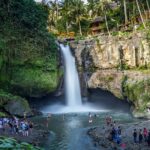
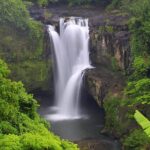
Next is Tegenungan Waterfall, set in a lush jungle setting. You’ll get about an hour here, which is enough to take in the view, pause for photos, and still keep the day from dragging.
What makes this stop worth your time is the contrast. After craft work, you shift to nature—green valley panoramas and the sound of cascading water as the centerpiece. It’s one of the easiest places in Ubud to appreciate quickly, even if you’re not a serious “waterfall person.”
A consideration: because it’s a popular highlight, it can feel busy. Your best move is to follow your guide’s lead on where to stand and when to move, so you’re not wasting time trying to find the perfect angle.
Goa Gajah (Elephant Cave): 11th-century stone, water, and symbolism
Then comes Goa Gajah, also called Elephant Cave Temple, dating back to the 11th century. This site is built like a stone sequence: you move through a complex that includes an ancient cave, fountains, and a bathing pool, plus stone-cut stupas.
What I like about Goa Gajah is how it doesn’t rely on one single photo moment. You get multiple “layers” in an hour—cave space, carved stone details, and the water features that shape how the temple feels.
Another reason it works in a highlights day: your guide can help you notice what your eyes might skip on a self-guided visit. In the feedback for this tour, people repeatedly pointed out guides who explained the purpose of temples and answered lots of questions, and names like Tedek, Arde, and Dastra came up for being friendly and attentive.
Tegalalang Rice Terrace: the view is real, so take it slowly
After the temple, you head to Tegalalang Rice Terrace. This is one of Ubud’s signature scenes: rice paddies spread down a valley, with terraces climbing and stepping across the slopes.
You get about an hour, which is the right amount of time to do two things: take in the sweeping outlook and then walk enough to see how the terrace pattern changes as you move. If you try to do rice terraces in a rush, you mostly miss the texture—how water, soil, and planting lines shape the whole view.
If you’re visiting in dry or bright conditions, plan for sun. Bring water (you’ll have some on the tour) and use the shade where you can. The tour timing won’t protect you from the weather, so smart breaks help.
More full-day tours that string together the best of the island


Sacred Monkey Forest Sanctuary: nature experience, with rules
Your next major stop is Sacred Monkey Forest Sanctuary. This is the natural habitat for Balinese long-tailed monkeys (Macaca fascicularis), with more than 1049 monkeys living there.
Expect the forest to feel alive in a very literal way. You’re not just looking at monkeys from a distance; the animals roam freely. For many people, this is the most memorable part of the day because the experience feels more like watching wildlife than touring a landmark.
One thing to remember: because the monkeys are free-roaming, your guide will matter here. In the tour feedback, the monkey forest was singled out as a favorite spot, with people saying they could have spent much longer just watching behavior and enjoying the forest scenery.
Ubud Traditional Art Market and temples: use the free 1-hour window
The schedule then gives you a 1-hour free time break in central Ubud. It’s self-visit, so you decide how to spend it, which is a big quality-of-life bonus on a day that’s otherwise structured.
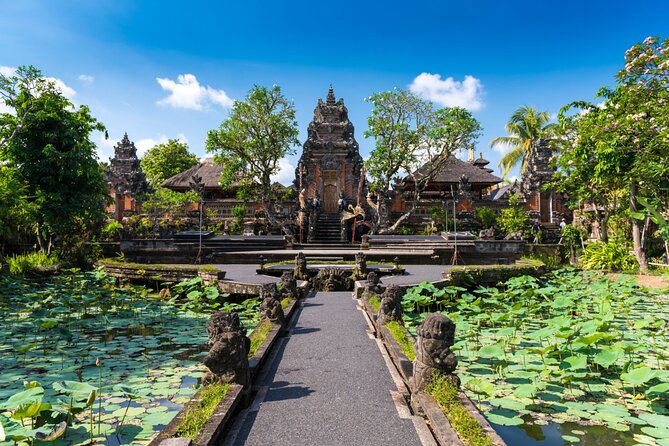
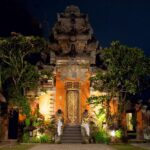
In that free time, you can explore the Ubud Traditional Art Market, plus nearby sights including Puri Saren Palace and Saraswati Temple. Even if you don’t buy anything, it’s a useful pause to reset your pacing and pick up snacks or small souvenirs without rushing.
Here’s how to make that hour count:
- Have one simple goal (a temple visit, a quick browse, or a snack break)
- Keep the next connection in mind so you don’t overstay your welcome
- If you want photos, do those early so you’re not leaving your shopping for the last five minutes
Optional add-ons when time allows in Ubud
Depending on how your day is running, you may have time for extra stops around Ubud. The tour data lists a set of possible add-ons, and a few are especially worth considering if you want more variety than temples and terraces.
Some options you might see if there’s time include:
- Kajeng Rice Fields Walk (loop around 45 minutes)
- A temple stop where sarongs are required for entrance
- A holy spring temple in the north of Ubud (ponds and pools mentioned)
- An ancient rock-cut Candi complex near Ubud (10 rock-cut shrines, 11th century)
- A scenic swing park overlooking a palm tree valley (listed as an optional thrill-type activity)
- A local market in Payangan for everyday supplies and food
How to decide: if you still have energy and want something more “local” than another viewpoint, choose the walk or the spring temple. If you’re tired, stick close to the core highlights and let your guide keep the day on track.
Price and value for $51.65 per person
At $51.65 per person, the best way to judge value is to look at what you’re not paying for separately and what you gain by combining everything. You get private air-conditioned transport, pickup and drop-off from multiple Bali areas, an English guide (also the driver), entry/admission fees for the main stops, plus bottled water and fuel/parking coverage.
That combination matters in Bali because time is money. Hiring transport and booking tickets one by one can add up fast, and it often turns into waiting around. Here, the big admissions are handled for you, and the flow between sites is managed.
Also, note the booking pattern: this tour is often booked about 24 days in advance on average. That suggests demand for the exact mix of Ubud highlights with an organized guide. If you’re traveling in peak season or with a tight schedule, booking earlier can give you more day options.
What you’ll like most (and what to mentally prepare for)
The most praised part across feedback is the day running smoothly with a guide who makes it fun and answers questions. Names like Dastra, Arde, and Tedek show up in the comments, and people mention early arrival, friendly attention, and explanations about temple purpose and Balinese culture.
That’s a strong sign you’re not just buying a car and a map—you’re getting interpretation. It’s especially useful for places like Goa Gajah, where your eyes might miss what makes the cave complex meaningful.
The main drawback is straightforward: the pace is packed. You’ll spend roughly an hour at each major stop, so if you want deep, slow museum-style time, this format may feel too quick.
Who should book this Ubud highlights tour
This tour is a great fit if you want:
- A first-timer day that hits Ubud’s best-known highlights in one go
- The comfort of private pickup and air-conditioned transport
- A guide who can explain what you’re seeing, not just point at it
- A balance of culture, nature, and scenic viewpoints (craft village, waterfall, cave temple, rice terrace, monkey forest)
You might skip it if you prefer long, unstructured wandering, or if you’re the type who wants half-day sits with no schedule pressure. This tour is designed to check off the big names efficiently.
Should you book?
If you’re staying in Ubud (or nearby) and you want to maximize a single day, I think this is an easy yes. The mix of stops makes sense, the key admissions are handled, and the private guide-and-driver setup cuts down on wasted time.
My only caution: be honest about your energy. If you like a relaxed pace, add buffer time on your own schedule around this day. If you want an organized highlights sweep with a guide who’s been praised for friendliness and cultural explanations, this one fits the bill.
FAQ
What time does the tour start?
The tour starts at 8:30am.
How long is the Best of Ubud’s Highlights full-day tour?
It runs about 9 hours.
Is pickup and drop-off included?
Yes. Pickup and drop-off are offered from Sanur, Ubud, Kuta/Legian, Seminyak, Canggu, Jimbaran, Nusa Dua, Benoa, and Denpasar.
Is this tour private?
Yes. It’s a private tour/activity, with only your group participating.
Are admission tickets included?
Admission is included for the main stops listed in the schedule, and you also get 1 hour of free time at the Ubud center stop.
Do I need to buy food during the tour?
Food and drink are not included, so you’ll be able to purchase what you want during free time.
Does the tour include bottled water and transport costs?
Yes. Bottled water, parking fees, and gas/petrol are included, along with a private air-conditioned vehicle.
What sites are included in the core day?
The core day includes Celuk Village, Tegenungan Waterfall, Goa Gajah (Elephant Cave), Tegalalang Rice Terrace, Sacred Monkey Forest Sanctuary, and a free time in central Ubud that can include the art market area, Puri Saren Palace, and Saraswati Temple.
Is there a mobile ticket?
Yes, the tour includes a mobile ticket.
What’s the cancellation rule?
Free cancellation is available up to 24 hours in advance for a full refund. Canceling less than 24 hours before the start time is not refundable.
More Bali Reviews & Picks


More Full-Day Island Highlights
More Around Ubud & the Monkey Forest

Still deciding? More Bali days reviewed, from volcano sunrises to island crossings




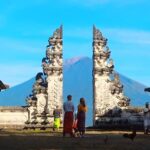
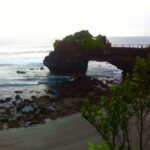
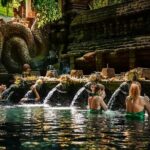
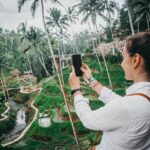



Ubud, Monkey Forest & Campuhan, compared.
 ★ 5.0All-Inclusive Ubud Private TourFrom $10014,344 reviews
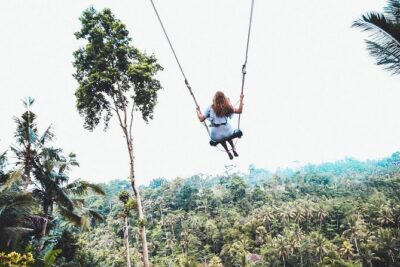 ★ 5.0Best of Ubud Full-Day Tour with Jungle SwingFrom $568,571 reviews
 ★ 5.0Ubud: Monkey Forest, Jungle Swing, Rice Terrace, and Water TempleFrom $317,160 reviews
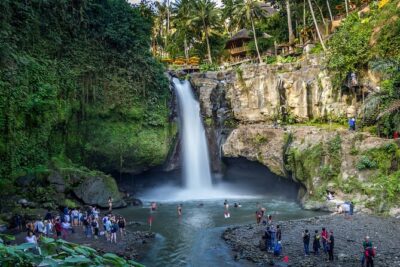 ★ 5.0Best of Ubud 1-Day Private TourFrom $544,451 reviews
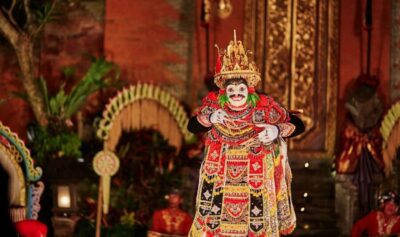 ★ 4.4Ubud Palace Legong Dance Show TicketFrom $63,979 reviews
 ★ 5.0Body Massage Experience in Ubud Traditional SpaFrom $213,506 reviews
 ★ 4.4Ubud Kecak and Fire Dance Show TicketsFrom $62,631 reviews
 ★ 5.0Ubud Cooking Class Bali with Balinese ChefFrom $351,609 reviews
Browse the lists this tour appears in