
Reviewed · HOLY SPRINGS & TEMPLE TRAILS
Full Day Tour to Water Temples UNESCO Rice Terraces in Bali
Temple gates and rice terraces, all in one day. Bali’s UNESCO subak water irrigation system is the star of this full-day outing, tied to Hindu farming beliefs and temple life. I especially loved how the guide framed what I was seeing—how water management drives the rice terraces—and the big, photogenic stretch of Jatiluwih Rice Terraces.
One thing to plan for: entrance fees and lunch aren’t included in the base price, so you’ll want to budget extra (and bring cash or be ready for the upgrade option).
In This Review
- Key highlights at a glance
- What makes this Ubud water-temple day worth your time
- UNESCO subak irrigation: the thread that connects every stop
- Jatiluwih Rice Terraces: big scale, real water logic, and easy photo moments
- Luhur Batukaru Temple: serenity at the foothills of Bali’s second highest volcano
- Handara Iconic Gate: a classic Bali photo stop with a strict time box
- Ulun Danu Bratan Temple on Lake Bratan: the water-portrait view you came for
- Price and value: what you really get for $42
- Logistics that matter: timing, private comfort, and how to pace the day
- The guide makes the difference: how Awan’s explanations turn scenery into meaning
- Who this tour fits best (and who may want a different plan)
- Should you book this full-day Water Temples and UNESCO Rice Terraces tour?
- FAQ
- How long is the full day tour?
- Is pickup from Ubud included?
- What is included in the price?
- Are entrance tickets included?
- Is lunch included?
- Is WiFi provided in the vehicle?
- Is this tour private?
- What is the cancellation policy?
Key highlights at a glance
- UNESCO subak irrigation system link between temple life and rice farming
- Jatiluwih Rice Terraces across 600+ hectares following the hillsides
- Luhur Batukaru Temple with mountain views and an 11th-century temple setting
- Handara Iconic Gate for fast, classic photo backdrops
- Ulun Danu Bratan Temple on Lake Bratan, famous for its water-view setting
What makes this Ubud water-temple day worth your time
This isn’t just a drive-by sightseeing loop. It’s built around one idea: Bali’s rice terraces aren’t random scenery. They’re engineered by the traditional subak irrigation system, which UNESCO has recognized as a World Heritage site. When you understand the water story, the terraces and temples stop feeling like separate stops and start feeling like one connected way of life.
The format also helps. You get door-to-door convenience from Ubud, then an air-conditioned vehicle to cover the distances without chewing up your day. And you’re not stuck with a generic script—guides on this route commonly focus on what the sites mean spiritually and how rice farming works in practice.
My only caution is the money side. The tour price is clear, but you should expect to pay entrance fees at several stops, plus decide about lunch. If you’re the type who hates surprise add-ons, it’s smart to price the full day before you go.
More rice-terrace mornings at Tegalalang and Jatiluwih


UNESCO subak irrigation: the thread that connects every stop
Bali’s subak is a traditional water-management system used for rice cultivation. The cool part is how it links farming to community and religion. On this kind of tour, you’ll usually spend time learning how water distribution affects terrace shapes and growing cycles—because terraces only work if water is controlled well.
I found that shift in perspective matters. With subak explained, you naturally start looking for practical details instead of only taking photos. You’ll pay attention to how water moves through the terraces, how the farming follows the hillside topography, and why temples show up in specific places within the agricultural landscape.
If you want a day that feels more than checklist tourism, choose the option that includes a good explanation time with your guide. The best value comes when the driving time becomes a guided education, not just transit.
Jatiluwih Rice Terraces: big scale, real water logic, and easy photo moments
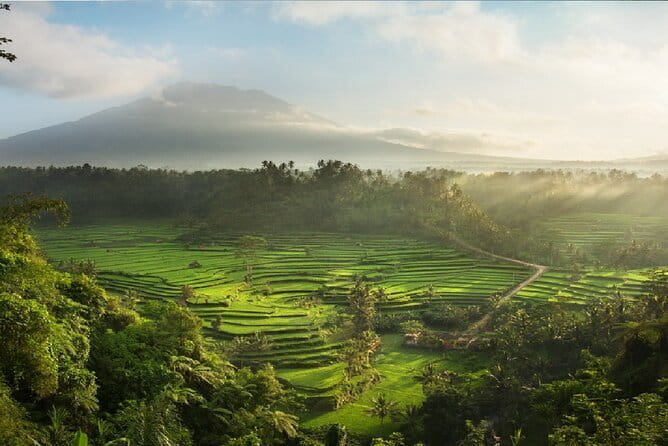
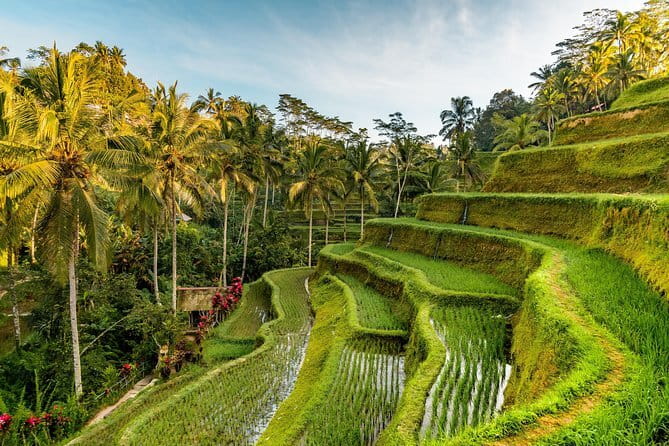
Jatiluwih is where many people feel the WOW hits first. This area covers 600+ hectares of rice fields, shaped to match the slope and the Batukaru mountain range. That means the terraces don’t look like a flat backdrop—they follow the hillsides, so you get repeating layers and long sight lines.
What makes Jatiluwih special is the scale. Over a single hour on-site, you can actually see how the terrace system spreads across a wide area rather than just viewing one tight section. If you’re a photographer, this stop gives you options: wider establishing shots, tighter terrace lines, and plenty of points where you can frame temple-and-farming scenes together with the hills.
Here’s the practical catch: admission tickets are not included in the base price (budget about USD $25 total for entrances across the day, though each stop can add its own amount). Plan for that before you get there, not after you’re already standing at a ticket counter.
Luhur Batukaru Temple: serenity at the foothills of Bali’s second highest volcano
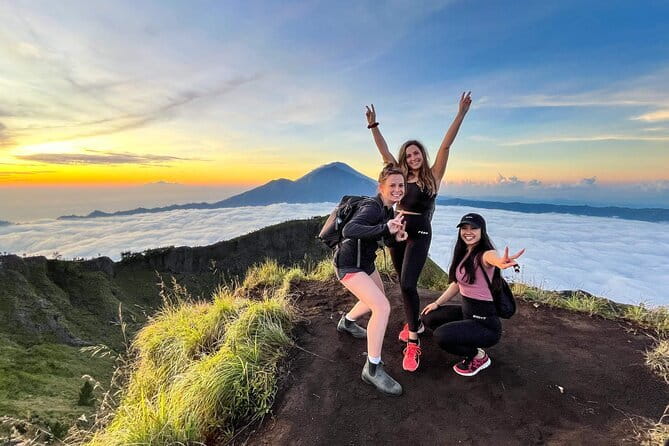
After Jatiluwih, you head toward Luhur Batukaru Temple, set at the foothill area of Mount Batukaru, Bali’s second highest volcano. The temple itself was built in the 11th century, which gives the whole setting an older, grounded feeling—less like a staged attraction, more like a working spiritual place.
Time-wise, you’ll typically spend about an hour at the stop. That’s enough to take in the architecture, look for the temple details, and enjoy the quieter atmosphere that tends to come with mountain-temple locations.
A key benefit here: it balances the day. After the expansive terrace views, Batukaru slows things down. If you’re traveling with someone who loves “pretty places” but also appreciates meaningful settings, this stop often hits the right note.
As with the rest of the day, entrance fees aren’t included, so keep your budget flexible. If you upgrade your package to include entrances, this is one place where having those costs handled makes your day smoother.
Handara Iconic Gate: a classic Bali photo stop with a strict time box
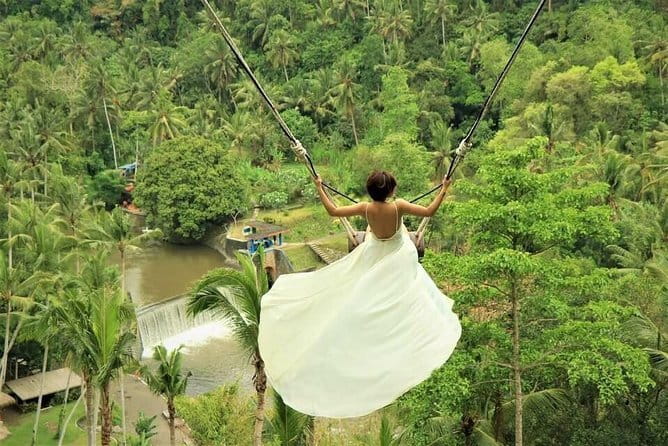
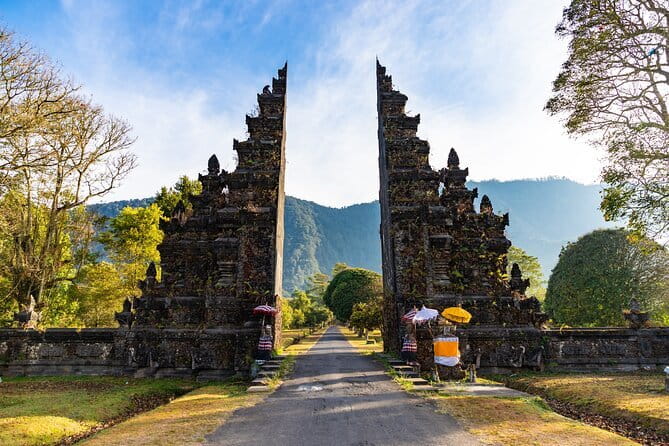
Then comes the Handara Iconic Gate—one of those places you recognize even if you don’t know its name. The gate’s design is unmistakably Balinese, and the view around it gives you a strong green backdrop for photos.
This is a great stop if your travel style includes picture-making and you like to get the shot quickly without turning the day into a long queue-and-wait session. You’ll typically have about an hour here, which is long enough for a few angles without turning into a full detour.
One consideration: because it’s built for photos, you’ll want to behave like a visitor, not like a walking camera crew. Move respectfully, keep things calm, and don’t block people trying to enjoy the gate.
Also note: entrances at this stop are not included in the base price. If you’re already spending on photos and snacks, this is one of those costs that can add up fast.
More Bali temples and holy-spring blessings



Ulun Danu Bratan Temple on Lake Bratan: the water-portrait view you came for
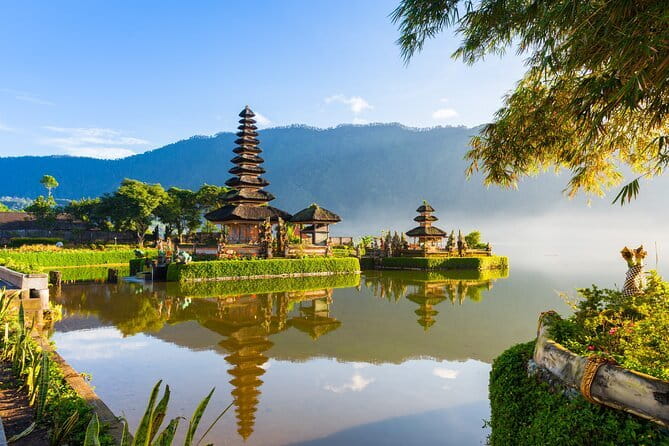
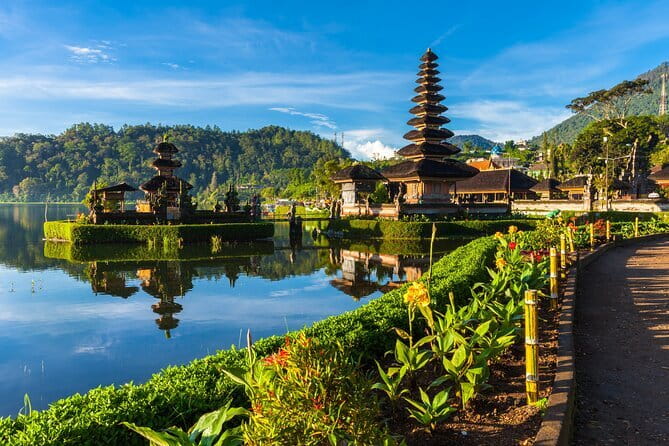
Ulun Danu Bratan Temple, also known as Pura Ulun Danu Bratan, is famous for how it looks in the landscape setting. The temple complex sits on the shores of Lake Bratan in the mountains near Bedugul, and it’s often described as floating on the water from certain angles.
You get about an hour here, which is usually perfect. You can walk around enough for different perspectives, get a shoreline view, and still not feel rushed.
What I like about this stop is the contrast with the rice terraces. Instead of working fields and water channels, you’re seeing a spiritual site surrounded by a lake setting. It keeps the day from feeling repetitive.
You should also plan for the fact that the weather around mountain lakes can change your comfort level. Bring layers if you run cold easily, and wear shoes that work well on damp surfaces.
Entrance tickets aren’t included, so again, either budget extra or consider the upgrade option that bundles entrances.
Price and value: what you really get for $42
The base price is USD $42 per person for about 8 hours total, and that total includes travel time. You’re not paying just for a “view.” You’re paying for a whole day’s transportation solution plus organized stops.
Here’s what’s included:
- Bottled water
- Air-conditioned vehicle
- Private transportation
- Fuel surcharge and parking fees
What’s not included:
- Lunch
- WiFi on board
- Entrance fees (approximately USD $25)
- Guide tipping
There’s also an upgrade option that can include entrance tickets and a restaurant lunch. If you like certainty in your budget, that upgrade often feels like better value than piecing together multiple small payments throughout the day.
Is $42 a deal? For Ubud-based travelers, yes—because you’re covering multiple sites in different directions without needing to figure out routing or pay multiple rides. The day works best when you treat the entrance fees as part of the real cost, not a surprise after the fact.
Logistics that matter: timing, private comfort, and how to pace the day
A typical day on this route runs about 8 hours, but you won’t spend all of it at the sites. Most of the remaining time goes toward traveling between stops. Each main location gets around an hour, so you’ll move through the day in a steady rhythm.
Since this is a private tour for your group, you won’t be stuck waiting for strangers to finish photos. That matters when you only get one hour at each location.
Pickup is offered, and the vehicle is air-conditioned—big plus in Bali. Bottled water is included, which saves you the hassle of tracking down drinks mid-drive. WiFi is not included on board, so download what you need before pickup if you rely on maps or translation apps.
Practical packing list (keep it simple):
- Cash or card for entrance fees and tipping
- Comfortable shoes for short walks at each site
- A camera that can handle both wide shots and details
The guide makes the difference: how Awan’s explanations turn scenery into meaning
One of the strongest parts of this experience is the guide approach. In the feedback for this route, the name Awan comes up with praise for explaining both the spiritual side of the temples and the farming logic behind the rice terraces.
When your guide connects the dots—why subak matters, how temples fit into the rice-growing world, what you’re looking at beyond the postcard angle—you end up remembering the day longer than you would from photos alone.
There’s also an emphasis on photography help. A helpful guide can mean better framing and fewer awkward moments of you asking strangers for pictures. It’s a small service, but on a day with multiple “iconic” viewpoints, it’s a real quality-of-life upgrade.
Who this tour fits best (and who may want a different plan)
This tour is a strong fit if you want:
- Bali’s cultural landmarks plus rice-terrace scenery in one day
- A Ubud-based day trip that uses transport efficiently
- More explanation than a quick stop photo-and-go
It may not be your best match if:
- You hate paying extra for entrance tickets and prefer fully bundled days
- You want a relaxed pace with lots of free time at each site
- You’d rather skip iconic photo gates and focus only on temples or only on nature
On the bright side, the tour states that most travelers can participate, so it’s likely workable for many age groups, as long as you’re okay with a full-day schedule and some walking at each stop.
Should you book this full-day Water Temples and UNESCO Rice Terraces tour?
If you’re visiting Ubud and you want one day that checks both boxes—Bali’s temple culture and the UNESCO rice terrace farming system—I’d book this. The value is strongest when you plan for entrance fees (and lunch if you don’t choose the upgrade). You also get a private, guided format that can turn a sightseeing day into a story you understand.
If your budget is tight or you hate add-ons, do the math first or consider the upgrade that bundles entrances and lunch. Once you’re aligned on costs, this route offers a satisfying mix: terrace scale at Jatiluwih, mountain-temple calm at Batukaru, a classic gate photo moment at Handara, and the lake setting at Ulun Danu Bratan.
FAQ
How long is the full day tour?
The tour duration is listed as about 8 hours, and that includes travel time between stops.
Is pickup from Ubud included?
Pickup is offered, and the tour includes private transportation in an air-conditioned vehicle.
What is included in the price?
The price includes bottled water, air-conditioned vehicle, private transportation, fuel surcharge, and parking fees.
Are entrance tickets included?
Entrance tickets are not included in the base tour price. Entrance fees are approximately USD $25, depending on the stops.
Is lunch included?
Lunch is not included. You can upgrade the package to add a restaurant lunch.
Is WiFi provided in the vehicle?
WiFi on board is not included.
Is this tour private?
Yes, it is a private tour/activity, meaning only your group participates.
What is the cancellation policy?
You can cancel for free up to 24 hours in advance for a full refund. If you cancel less than 24 hours before the start time, the amount paid is not refunded.
More Full-Day Island Highlights


More Temples & Holy Springs
More Rice-Terrace Mornings

Still deciding? More Bali days reviewed, from volcano sunrises to island crossings


Holy Springs & Temple Trails, compared.
 ★ 5.0Ubud: Monkey Forest, Jungle Swing, Rice Terrace, and Water TempleFrom $317,160 reviews
 ★ 5.0Full-Day Tour to Water Temples and UNESCO Rice Terraces in BaliFrom $392,539 reviews
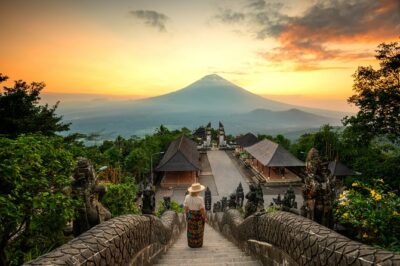 ★ 5.0Bali Instagram: Gate of Heaven Temple TourFrom $85737 reviews
 ★ 5.0Ubud Tour with Monkey Forest Waterfalls Temples and MoreFrom $30495 reviews
 ★ 5.0Uluwatu Temple Entry and Kecak Fire Dance TicketFrom $29479 reviews
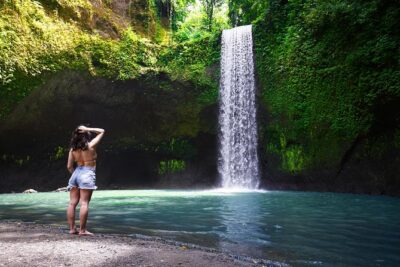 ★ 5.0Ubud Top Attractions: Waterfalls, Temples and Rice TerracesFrom $39460 reviews
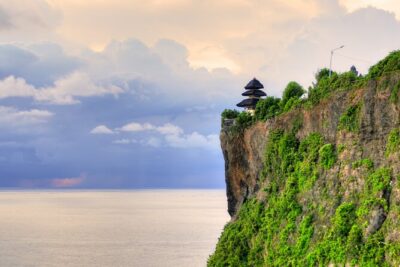 ★ 5.0Private Tour: Uluwatu Temple & Southern Bali HighlightsFrom $45387 reviews
 ★ 5.0Private Tour Bali Beaches and Uluwatu Temple with DinnerFrom $48363 reviews
Browse the lists this tour appears in