
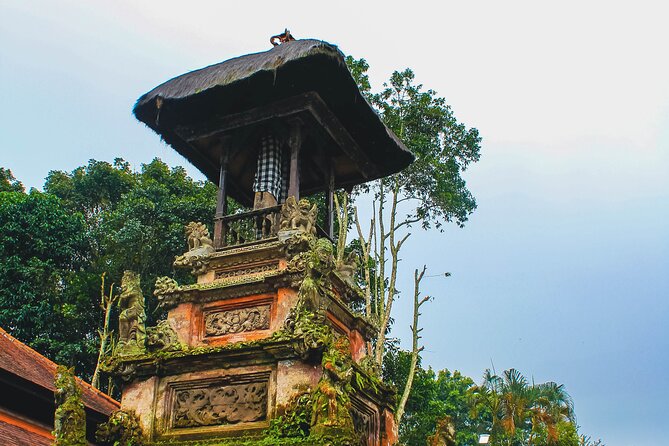
Reviewed · RICE TERRACES OF TEGALALANG & JATILUWIH
Jatiluwih Batukaru Mountain Nature’s Best Tour
Bali’s quiet interior beats the beach circuit. You’ll get two of the island’s most satisfying sights in one day: Jatiluwih Rice Terraces and the forest-quiet Pura Luhur Batukaru Temple. The tradeoff is time on winding roads, plus the occasional extra stop that can feel more like shopping than culture.
I like that the tour is built for people who want something calmer and more real than beach day. You leave the urban mess behind, ride into the Batukaru Mountains foothills, and spend your attention on agriculture, worship, and walking paths.
One heads-up for your planning: the day is long (about 8 hours), and the vehicle time can be a lot if traffic is heavy or you’re doing multiple hotel pickups. If you get motion-sick, it’s worth taking it seriously.
In This Review
- Key things I’d pay attention to
- Getting Out of the Beach-Crowd Zone: The Drive to Batukaru
- Stop 1: Mount Batukaru Foothills and Bali Farming Life
- Stop 2: Jatiluwih Rice Terraces for Long Views and Communal Work
- Stop 3: Pura Luhur Batukaru Temple in the Forest
- The Time Tradeoffs: Craft Stops, Coffee Tastings, and Shopping Pressure
- Guides Matter: How to Get the Best Version of This Tour
- Price and Value: Why $61.54 Can Work (and When It Won’t)
- Comfort, Timing, and What to Bring
- Who Should Book This Tour (and Who Might Skip It)
- Should You Book Jatiluwih Batukaru Mountain Nature’s Best Tour?
- FAQ
- What time does the tour start?
- How long is the tour?
- What’s included in the price?
- What’s not included?
- How big is the group?
- Where do pickups happen?
- Is it suitable for most people?
- Is there free cancellation?
Key things I’d pay attention to
- Small-group feel with a maximum of 15 people, often much fewer in practice
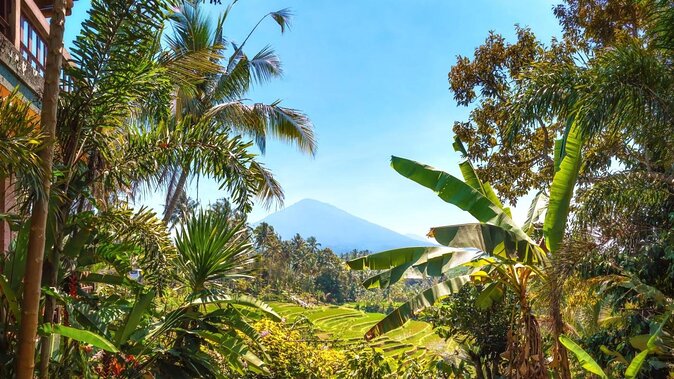
- Jatiluwih for long views of tiered rice fields shaped by community work
- Pura Luhur Batukaru tucked in dense forest, usually quieter than the big-name temples
- Licensed English-speaking guide who explains what you’re seeing (but quality depends on who you get)
- Hotel pickup/drop-off from Kuta, Seminyak, Sanur, Jimbaran, and Nusa Dua areas
- Time tradeoffs: some departures add coffee/spice and craft stops that can eat the schedule
Getting Out of the Beach-Crowd Zone: The Drive to Batukaru
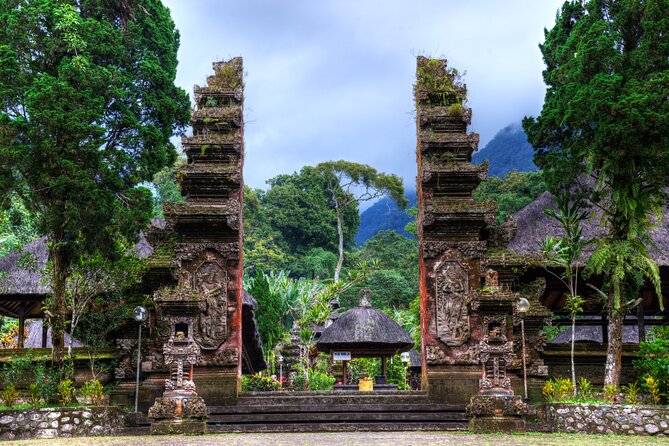
This tour is essentially a day-long detour into Bali’s interior. You start with pickup from your hotel, typically 30 to 60 minutes before 8:30am, then head north past Denpasar as the roads leave city life behind. Expect the view to shift fast: from buildings to farm fields, palms, and distant mountains.
What makes the drive meaningful is the slow change in rhythm. You’re not just getting from A to B; you’re watching how the island earns its daily living. One thing to plan for: the road system in this part of Bali can be winding and bumpy. Some people report feeling motion sickness even with preventative measures, so bring what you need (and consider sitting where the ride is smoothest for you).
Also, if your hotel is part of a cluster of pickups, you may feel the “collecting guests” part. The tour is still priced to stay competitive, but you’re paying for transport and a guide—so the more time in the van, the more you’ll want the stops to deliver.
More of West Bali and the Menjangan wild coast


Stop 1: Mount Batukaru Foothills and Bali Farming Life
Mount Batukaru is your first big education moment. The stop runs about 2 hours, and you’re guided through the farming logic of the foothills—fertile volcanic soil, warm conditions, and mixed cultivation.
The real value here is learning what grows and why it matters. You’ll see crops that include tropical fruits, spices, vegetables, and flowers, and the guides frame the region as a “farming elite” area—less tourist plantation, more day-to-day agriculture.
This is also where the day can branch. Some departures add stops tied to spices, tea, and coffee, and that can be a plus if you like tasting and plant stories. But if you prefer minimal shopping, watch the clock. A few experiences described too much time at craft or coffee-related places that didn’t feel directly linked to the advertised core of rice terraces and temple.
Practical tip: wear shoes you can trust. Even at the early stop, you may walk on uneven ground. And if rain shows up, expect everything to get slick.
Stop 2: Jatiluwih Rice Terraces for Long Views and Communal Work
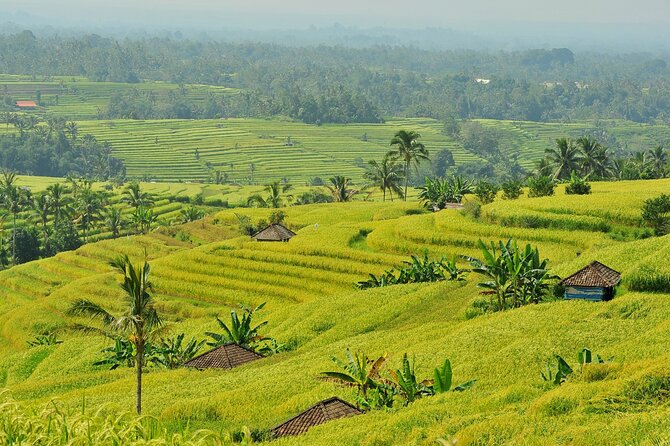
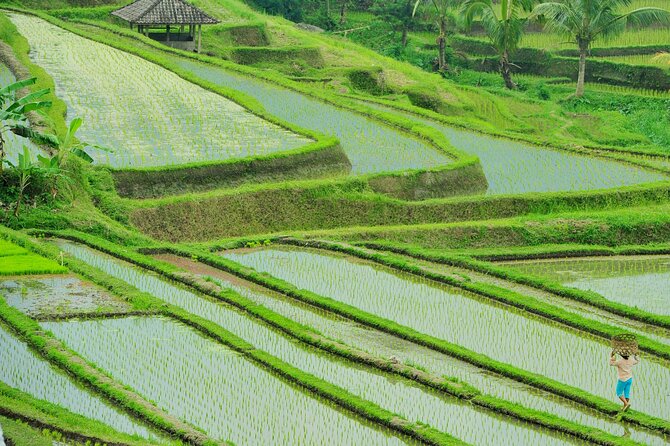
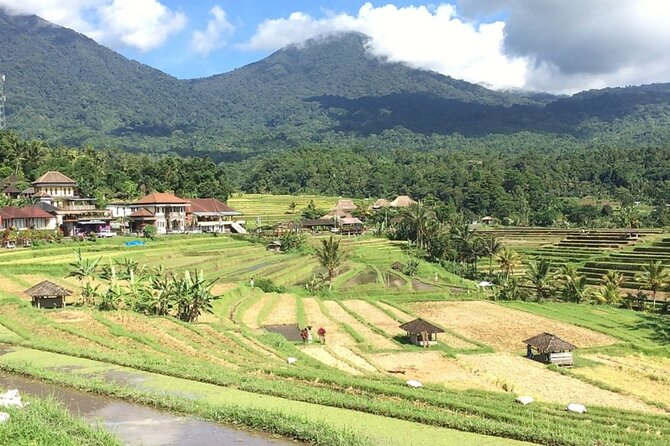
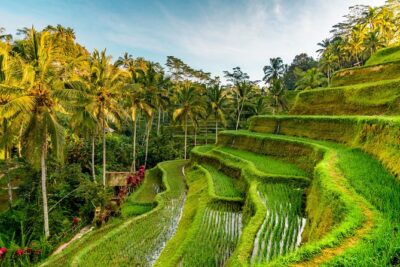
Then comes the highlight for many people: Jatiluwih Rice Terraces. You get about 2 hours here. This is the part of Bali that looks like it was designed for photos—but it’s more than a photo stop.
The key idea is that rice cultivation here is described as art and community effort. Those terraces aren’t just decorative. They’re built into the hillsides and shaped around water management that supports the people who live and work in the area.
What I like for your planning: you’re given time to both look from viewpoints and move through walking sections. The terraces show up from different angles as you shift position, so you can get variety without repeating the same shot.
A note on expectations: the rice region can also have visitor infrastructure. Some experiences mentioned paid viewing areas and shopping zones. That doesn’t ruin the place, but it does mean you might want to keep your priorities straight. If your goal is scenery and quiet, consider using the time to walk a bit and look first—shopping can wait until the end.
Lunch is not included in the tour price, but many days include a restaurant break afterward. If you’re picky about meals or you like hot, fresh food, I’d treat lunch as “buy what works today,” not an automatic win.
Stop 3: Pura Luhur Batukaru Temple in the Forest
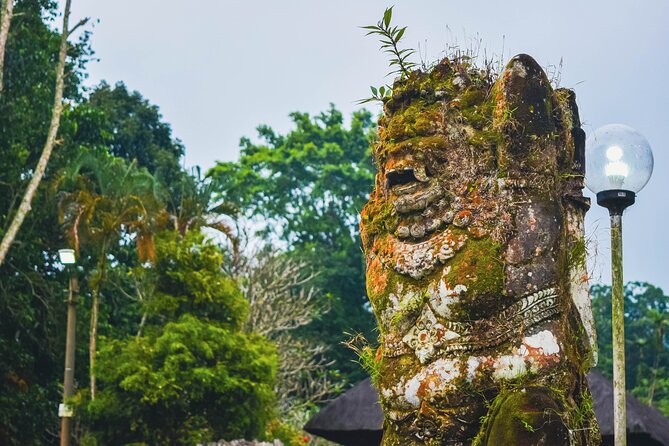
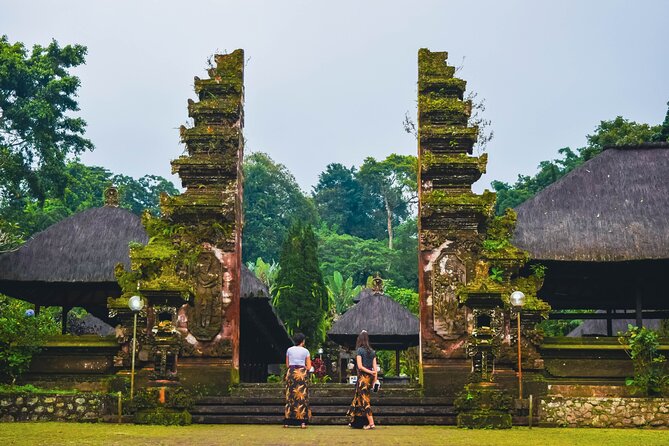
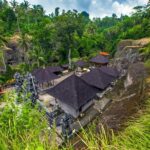
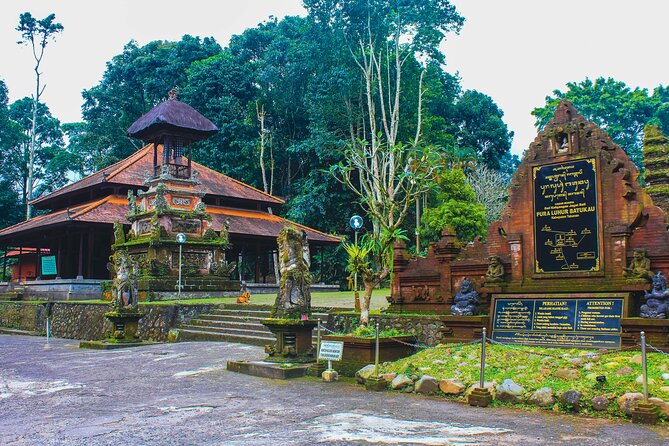
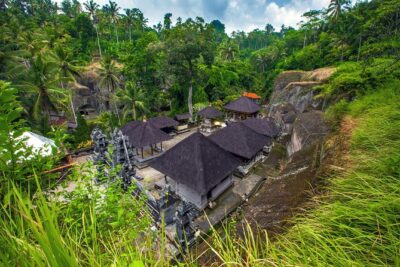
If Jatiluwih is your view of Bali’s food system, Pura Luhur Batukaru is your look at the island’s spiritual system. This stop also runs about 2 hours and includes travel through thick tropical forest beneath Mount Batukaru.
The temple is described as one of the holiest Hindu sites on the island, with Besakih typically mentioned as the only higher-safeguard name in the Bali hierarchy. Even if you don’t know Balinese Hinduism in depth, the setting communicates reverence: shade, birds, and the feeling that the place is meant for worship more than sightseeing.
What you’re likely to appreciate here:
- The quiet energy and architecture, explained with a guide
- Time to slow down, not just walk and leave
- The fact that the temple often feels less crowded than top-selling tourist temples
Some experiences highlighted a meditation moment at the altar—long enough to actually settle. Others pointed out that some paths and steps can be slippery due to moisture and moss, especially if the weather is wet. So pack accordingly: grip-friendly shoes matter here. Also, be ready for stairs. Even when the route is simple, the temple is on uneven ground.
One more detail worth knowing: the temple’s visible form has a layered past. One experience noted that the original temple dates to the early 11th century, and that what you see today reflects rebuilding after a later fire. You won’t need a history degree, but it helps you understand why the architecture has depth rather than feeling random.
The Time Tradeoffs: Craft Stops, Coffee Tastings, and Shopping Pressure
Here’s the part you should plan around: the tour’s cultural core is temples and rice terraces, but some schedules add extra stops like craft houses, batik and silver production, and coffee or spice plantations.
This is where experiences can split.
- On one end, those stops can add context, like how artisans work and how coffee and spices fit into island life.
- On the other end, a couple of descriptions criticized the schedule as too long and too sales-driven—visiting multiple craft sites that didn’t add much beyond opportunities to buy.
If you’re booking for the scenery and temple calm, treat craft stops as optional extras, not the reason for going. If your guide brings you to a shop, you can still enjoy seeing the process. Just don’t feel obligated to purchase. If you’re not interested, keep an eye on the time and ask to move on when you’ve seen what you came for.
Also, if you’re sensitive to pushy sales, choose your tone early. A respectful no saves energy for the rest of the day. You want that energy for the temple and terraces, where silence is part of the value.
More rice-terrace mornings at Tegalalang and Jatiluwih




Guides Matter: How to Get the Best Version of This Tour
This is one of those tours where the guide can make the day feel effortless—or feel like a bus ride with explanations.
The good versions share a pattern: clear, friendly communication; good pacing; and flexibility. Some experiences mentioned guides like Darta, Mandara, Benny, Arya, Rai A., Rody/Rodney, Gus, and Radi. Each was described as attentive in their own way, and several specifically praised how the guide answered questions, explained the temple’s meaning, or created time for photos and even meditation.
If you’re booking, here’s the most practical advice I can give: when you connect with the operator, ask what guide will be assigned and whether they have a reputation for strong cultural explanation and good time management. You can’t control everything, but you can improve your odds.
And if your guide seems more focused on selling than explaining, you’re not stuck. The fixes are simple:
- Ask questions during the temple and rice terrace sections.
- Keep your attention on the walk and viewpoints, not the shop floors.
- Prioritize your comfort: rain, footwear, and breaks.
Price and Value: Why $61.54 Can Work (and When It Won’t)
At about $61.54 per person, this tour can be strong value—if the day stays focused.
What you’re getting for the money:
- Hotel pickup and drop-off from major areas (Kuta, Seminyak, Sanur, Jimbaran, Nusa Dua zone)
- Air-conditioned transport
- An English-speaking licensed guide
- Entrance fees covered for the main stops
- A small-group format (maximum 15, sometimes far fewer)
The “value math” changes depending on what you experience. If your day includes more time in arts-and-crafts or coffee/spice retail than planned, it can feel like you’re paying for transportation plus sales time. A few experiences described too much time spent at craft houses and criticized the lunch/restaurant quality.
On the flip side, when the temple is quiet and the rice terrace time is well paced, the value becomes obvious. You’re paying to reach places you’d struggle to coordinate on your own while also getting cultural context you might miss without a guide.
So here’s the decision rule: if you want scenery plus meaning, and you’re okay with some roadside stops, this price usually makes sense. If you only want temple-and-rice and hate shopping stops, you’ll want to confirm your day plan upfront.
Comfort, Timing, and What to Bring
You’re out for about 8 hours. Pickup happens between 30 and 60 minutes before 8:30am, and the return drops you back at your meeting point/hotel area.
Plan for:
- Rain risk in the mountains region: one experience noted enjoying the day despite heavy rain
- Slick steps and mossy paths near the temple
- A lot of vehicle time, especially with traffic and multiple hotel pickups
- A restaurant stop where food and drinks are not included, so you’ll need cash or card
Pack basics: grip shoes, a light rain layer, water, and something small for snacks if you’re picky. If motion sickness hits you easily, take steps before you get on the road.
Who Should Book This Tour (and Who Might Skip It)
This tour fits best if you:
- Want Bali’s interior instead of another beach day
- Care about rice terraces and temple settings, not just shopping
- Like small groups and a guide who can answer questions
- Don’t mind a long day and bumpy drives for the reward of remote places
It might be a weaker fit if you:
- Hate sales-focused stops and want the day to stay strictly on temples and terraces
- Get motion sick easily and don’t like winding roads
- Expect a short, efficient outing without extra detours
Should You Book Jatiluwih Batukaru Mountain Nature’s Best Tour?
I’d book it if you want a temple-and-rice day that feels quieter than the usual circuit, and you value having a guide handle the cultural context and transport. At around $61.54, the inclusions (guide, entrances, pickup/drop-off, air-conditioned vehicle) make it a reasonable deal.
I’d think twice if you’re very sensitive to schedule bloat from craft or coffee/spice retail stops. If that sounds like you, ask the operator what stops are guaranteed and how much time is typically spent at each.
If you book, do one simple thing: protect your priorities. Let the guide show you what matters, but keep your time focused on Jatiluwih and Pura Luhur Batukaru, where the day actually earns its quiet wow.
FAQ
What time does the tour start?
The tour starts at 8:30am, with pickup usually 30 to 60 minutes before that time.
How long is the tour?
The duration is about 8 hours.
What’s included in the price?
The tour includes hotel pickup and drop-off, an air-conditioned vehicle, an English-speaking licensed guide, and entrance fees for the tour stops.
What’s not included?
Food and drinks are not included.
How big is the group?
It’s described as a small-group tour with a maximum of 15 travelers.
Where do pickups happen?
Pickup is offered from major hotels in the Kuta, Seminyak, Sanur, Jimbaran, and Nusa Dua areas.
Is it suitable for most people?
It says most travelers can participate, but the temple area can involve paths and steps.
Is there free cancellation?
Yes. You can cancel up to 24 hours in advance for a full refund.
More Bali Reviews & Picks





More Rice-Terrace Mornings
More of West Bali & Menjangan
Still deciding? More Bali days reviewed, from volcano sunrises to island crossings







Rice Terraces of Tegalalang & Jatiluwih, compared.
 ★ 5.0Ubud: Monkey Forest, Jungle Swing, Rice Terrace, and Water TempleFrom $317,160 reviews
 ★ 5.0Full-Day Tour to Water Temples and UNESCO Rice Terraces in BaliFrom $392,539 reviews
 ★ 5.0Ubud: Downhill Cycling with Volcano, Rice Terraces and MealFrom $36536 reviews
 ★ 5.0Ubud eBikes Tour to Tegallalang Rice TerraceFrom $30507 reviews
 ★ 5.0Ubud Top Attractions: Waterfalls, Temples and Rice TerracesFrom $39460 reviews
 ★ 5.0Tanah Lot Tour with Ubud Monkey Forest, Rice Terraces, and WaterfallsFrom $67273 reviews
 ★ 5.0Private Full-Day Tour: Balinese Temples and Rice TerracesFrom $59246 reviews
 ★ 5.0Private Full-Day Tour: Ulun Danu Beratan Temple, Jatiluwih and Tanah Lot TempleFrom $40211 reviews
Browse the lists this tour appears in