
Reviewed · MULTI-DAY BALI ITINERARIES
Overnight Mount Ijen Blue Fire Trekking Tour From Bali
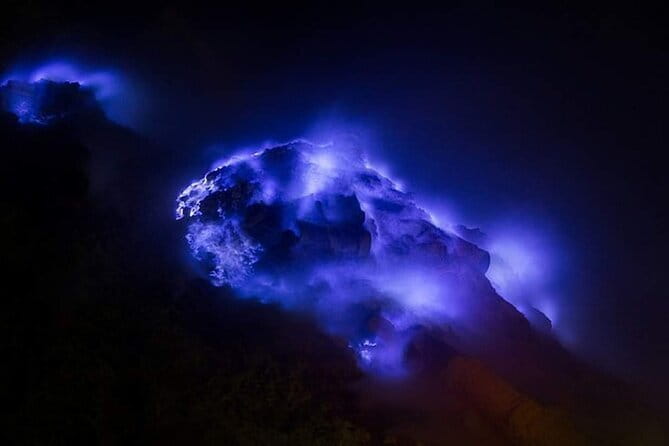
Blue fire needs planning more than luck. This overnight Mount Ijen trek from Bali lines up pickup, ferries, and a guided climb, so you can focus on the experience instead of logistics. You’ll cover a lot of ground, including a ferry ride, and I like that pickup is handled across many Bali areas.
I love the hands-on value here: entrance fees, ferry tickets, parking, bottled water, and even a flashlight are included. I also appreciate that you’re not left to guess about safety gear—gas safety masks are provided, and you hike with a guide who keeps you on the best route.
One consideration: blue-flame visibility isn’t guaranteed, and if the crater view is faint or unclear, the night can feel like a miss. I’d go in wanting the whole adventure, not only a perfect blue-flame photo.
In This Review
- Key highlights at a glance
- Why Mount Ijen at night feels like a well-run challenge from Bali
- Price and logistics: what the $144 is really paying for
- Pickup in Bali: convenient coverage, plus one known catch
- The Bali-to-Java ferry crossing at Gilimanuk and Ketapang
- Drive to Mount Ijen: why the 1.5-hour transfer matters
- The crater hike: what you’ll do for 90–120 minutes
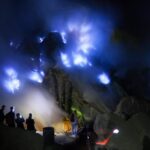
- Blue flames and crater lake: set expectations before you go
- Safety gear that you actually get: masks, flashlight, and a real guide
- Group size, pace, and who should say yes
- What’s included, what’s not, and what to bring
- The value verdict: should you chase blue fire with this operator?
- FAQ
- FAQ
- How long is the overnight Mount Ijen tour?
- Where does pickup happen in Bali?
- Is a gas mask included for the crater area?
- What transport is included in the trip?
- Is the entrance fee included?
- Is food included during the tour?
- Can I cancel for a refund?
- What about Uluwatu pickup—does it cost extra?
Key highlights at a glance
- Pickup across a wide range of Bali areas like Ubud, Kuta, Seminyak, Canggu, Sanur, Denpasar, and more
- Ferry return tickets included using the public ferry route between Gilimanuk and Ketapang
- Gas safety masks + flashlight included for the night hike near the crater
- Guided ascent of 90–120 minutes to reach the crater viewpoint
- Small group size (max 18) for a more controlled, easier-paced experience
- Uluwatu pickup can cost extra (IDR 200,000 per car), so check where you’re getting picked up
Why Mount Ijen at night feels like a well-run challenge from Bali
If you’ve ever planned an ambitious night hike in a place with real moving parts, you already know the stress. This trip removes a lot of that headache. Your day is set up so transport, entry, and the crater approach are handled for you, which matters when you’re dealing with dark roads and long hours.
The core idea is simple: you get picked up in Bali, cross by ferry to West Java, then drive and hike to the Mount Ijen crater area. You’re there long enough to do the main night viewing window, and you don’t have to worry about finding tickets or arranging multiple transfers on your own.
Also, it’s a group format with a cap of 18. That’s big enough to keep it lively, but small enough that your guide can still keep track of everyone’s pace and timing.
More multi-day island journeys
Price and logistics: what the $144 is really paying for
At $144 per person, you’re not just paying for a hike. You’re paying for the whole engine: pickup/transfer service from many Bali locations, ferry tickets (including return), entrance fees, parking fees, plus basic on-the-ground essentials like bottled water and a flashlight.
That bundle is where the value shows up for most people. If you tried to cobble this together yourself, the pieces you’d have to manage—ferry tickets, admission, transport coordination, and meeting times—are exactly the parts that can turn a fun plan into a chaotic one.
One small detail to keep in mind: the tour includes return ferry travel using the public ferry. That’s efficient, but it also means you’re following a fixed schedule with the group. If you’re the type who wants to wander off and come back later, this format may feel a bit strict.
Finally, booking lead time matters. The average booking window is about 22 days in advance, so if you want a specific date, don’t wait until the last week.
Pickup in Bali: convenient coverage, plus one known catch
Your day starts with pickup from a long list of areas: Nusa Dua, Uluwatu, Jimbaran, Kuta, Seminyak, Canggu, Sanur, Ubud, Denpasar, and the Gianyar area. That wide coverage is useful because it gives you options based on where you’re staying, instead of forcing you to travel to one central departure spot.
There’s one important catch. Pickup from the Uluwatu area costs extra—IDR 200,000 per car—while pickup from other listed areas is included. If you’re staying in Uluwatu, factor that into your budget so you’re not surprised at the point of departure.
Once you’re picked up, the next big chunk is a drive to Gilimanuk harbor, around four hours. Expect this portion to be straightforward but long. Bring a layer and something to keep you comfortable, because your body will be awake in transit even if you’re hoping to save energy for the hike later.
The Bali-to-Java ferry crossing at Gilimanuk and Ketapang

After you reach Gilimanuk harbor, you cross by ferry. This crossing is about one hour, and your ferry ticket is included.
The ferry segment is more than a simple transfer. It’s a built-in break in a long day, and it keeps the whole plan from feeling like constant driving. In practice, that matters because the later crater area is where you’ll need your focus, your legs, and your headlamp/flashlight-ready rhythm.
Then you arrive at Ketapang harbor in West Java, meet your driver, and continue onward toward Mount Ijen. Having this handoff organized is a real benefit. When these moves aren’t pre-arranged, people often waste time hunting for the right vehicle at night.
Drive to Mount Ijen: why the 1.5-hour transfer matters
From Ketapang harbor, the drive to the Ijen crater area takes about 1.5 hours. That’s long enough to feel the fatigue building, but short enough that you still arrive feeling like the hike is the point of the night.
This segment matters because it sets your timeline for the later climb. The hike itself is where the experience becomes physical: you’ll go from the route foot up to the crater viewpoint.
If you’re prone to getting cold at night, this is a key time to put on layers. Even if the weather is fine earlier, the air around a volcano area can feel harsher when you’re moving slowly and waiting at stops.
More Bali hikes and ridge treks


The crater hike: what you’ll do for 90–120 minutes
At the crater area, you’ll hike from the foot of the route to the crater standpoint/top. That ascent takes about 90–120 minutes, depending on conditions and your group pace.
This is not a casual stroll. It’s a steady climb in the dark (you’ll have a flashlight), and your guide will keep you moving along the best route. That “best route” part is important. Even when roads and trails look similar, small differences in footing and crowd flow can change how hard the climb feels.
Here’s what I’d expect you to focus on during the ascent:
- staying close enough to the guide that you’re not lost or delayed
- watching your steps, not your phone
- saving your energy for the viewpoint where the spectacle is
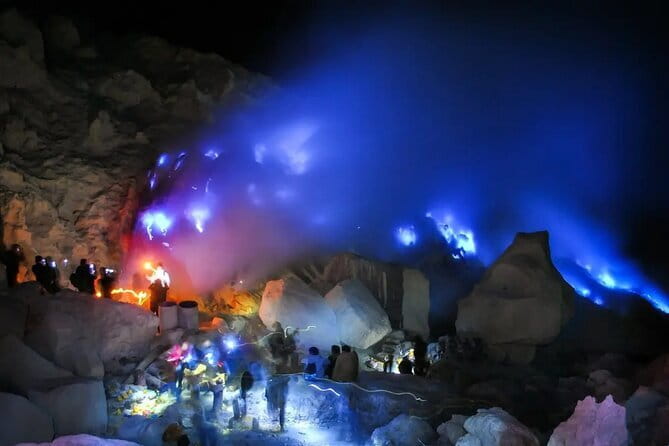
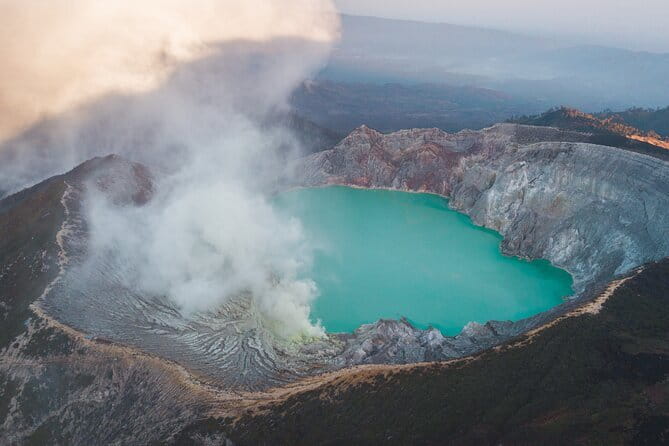
Once you reach the standpoint, the guide-led timing is what gives you a shot at the main viewing. On a clear day, you can see the crater area more easily, including the lake. When conditions aren’t clear, you might still get the dramatic volcano atmosphere, but the exact visuals you came for can be harder to pick out.
Blue flames and crater lake: set expectations before you go
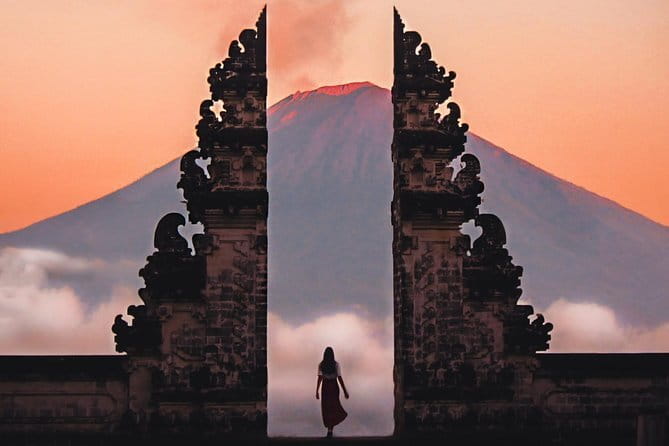
Let’s talk about the elephant in the volcanic smoke: you’re chasing blue flames, but you’re not guaranteed a perfect show. One of the clear pieces of feedback connected to this trip is that the blue flames weren’t visible for at least one person, and the lake view was barely visible.
So here’s the practical way I’d think about it: treat the blue flames as the headline, but the crater night experience as the real story. The trek, the organized safety gear, the crater standpoint timing, and the unique setting are still a genuine reason to go—even if the flames are faint.
Also, visibility is strongly tied to night conditions. Even without getting technical, you already know fog, cloud cover, and darkness can make the scene less sharp. If you’re the type who will feel personally let down if the flames don’t pop, you’ll want to decide whether this is a “whole adventure” purchase or a “one specific photo” purchase.
Safety gear that you actually get: masks, flashlight, and a real guide
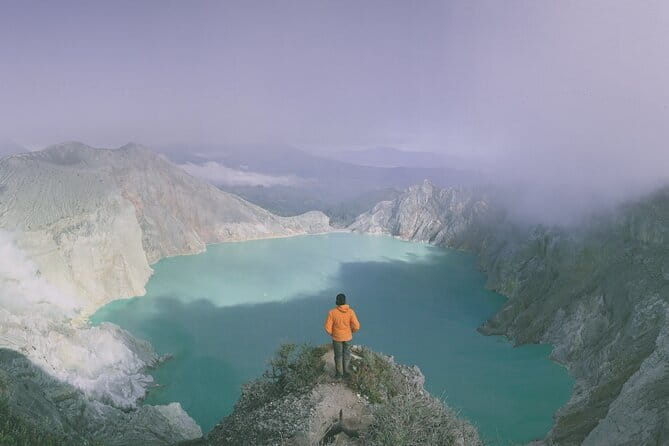
Mount Ijen is the kind of place where comfort and safety gear isn’t optional. This tour includes a respirator gas safety mask, and you also get a flashlight. That combination is exactly what you want for a night crater approach.
A gas mask feels like a sci-fi prop, but it’s not there for style. The point is to give you protection while you’re near the crater area. And because it’s included, you don’t have to scramble last-minute or figure out which type of mask to buy.
The guide aspect is also practical. You’re told to follow your guide to keep you on the best route. When you’re climbing in low light, that single instruction can prevent wasted energy, wrong turns, and unnecessary backtracking.
Group size, pace, and who should say yes
This is described as private for your group, with a maximum of 18 travelers. In real terms, that usually means you’re together as one unit rather than mixing into a huge crowd where everyone gets lost in the shuffle.
The tour also sets expectations for physical readiness: a moderate fitness level is recommended, and the minimum age is 15. If you can hike steadily for about 90–120 minutes, and you’re comfortable with a long day that stretches to about 16–18 hours total, you’re likely a good fit.
I’d especially recommend this for:
- people who like early-or-overnight starts and long travel days
- hikers who enjoy guided experiences and want logistics handled
- anyone staying across central or southern Bali who wants straightforward pickup
If you’re expecting a gentle, low-effort outing, this probably won’t feel right. The crater ascent is the main physical commitment.
What’s included, what’s not, and what to bring
Here’s the practical list of what you get:
- hotel transfer/pickup from the listed Bali areas (Uluwatu has an extra car fee)
- bottled water
- respirator gas safety mask
- trekking guide
- ferry ticket return (public ferry)
- entrance fee to Mount Ijen
- parking fees
- flashlight
What you don’t get:
- meals (you’ll need to plan for food on your own)
- alcoholic drinks (available to purchase)
Because meals aren’t included, I suggest you plan how you’ll eat before the day gets too intense. Also, bring a small bag you can keep track of in the dark: layers, a rain layer just in case, and anything personal you’ll want on the hike.
Cash can also help. Even though the biggest costs are covered, you might want to purchase drinks or deal with small on-the-fly needs when you’re away from your hotel for most of the day.
The value verdict: should you chase blue fire with this operator?
Overall, I like how this tour handles the “hard parts” for you. You get organized pickup, ferry logistics (including return), entrance and parking coverage, safety masks, and a flashlight. For many people, that reduces the stress that comes from building a complex night trip.
The one big reason to hesitate is the nature of the goal itself: blue flames and a clear lake view are not guaranteed. If your excitement is strictly tied to one perfect visual outcome, you may find it frustrating if conditions don’t cooperate.
My recommendation is simple:
- Book it if you want a guided overnight crater hike with logistics handled and included safety gear.
- Skip it if you’re only buying for blue-flame certainty and you’ll be disappointed when visibility is limited.
FAQ
FAQ
How long is the overnight Mount Ijen tour?
The total experience runs about 16 to 18 hours.
Where does pickup happen in Bali?
Pickup is offered from Nusa Dua, Uluwatu, Jimbaran, Kuta, Seminyak, Canggu, Sanur, Ubud, Denpasar, and the Gianyar area.
Is a gas mask included for the crater area?
Yes. A respirator gas safety mask is included.
What transport is included in the trip?
You drive to Gilimanuk harbor, cross by ferry to Ketapang harbor, then you return by ferry to Gilimanuk. Ferry tickets return by public ferry are included.
Is the entrance fee included?
Yes. Entrance fee to Mount Ijen is included, along with parking fees.
Is food included during the tour?
No. Meals are not included.
Can I cancel for a refund?
This experience is non-refundable and cannot be changed for any reason. If it’s canceled because a minimum number of travelers isn’t met, you’ll be offered a different date/experience or a full refund.
What about Uluwatu pickup—does it cost extra?
Yes. Pickup from the Uluwatu area has an extra IDR 200,000 per car fee.
More Bali Tour Picks


More Bali Reviews & Picks

More Multi-Day Bali Itineraries
Still deciding? More Bali days reviewed, from volcano sunrises to island crossings


Multi-Day Bali Itineraries, compared.
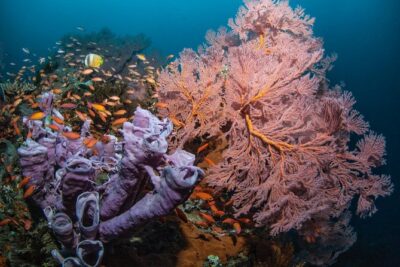 ★ 5.02 Days Discover Scuba Diving in Nusa Lembongan – Scuba InitiationFrom $151506 reviews
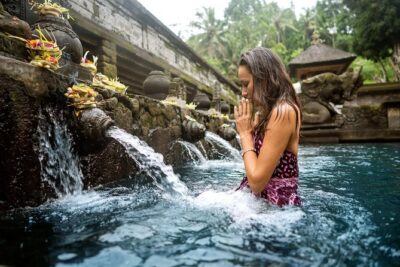 ★ 5.0Best of Bali 3-Day Packaged TourFrom $179503 reviews
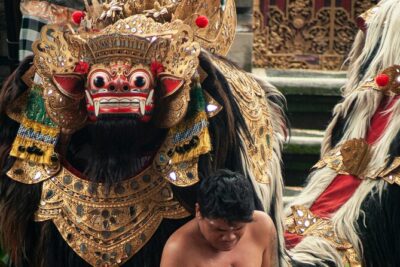 ★ 5.0Bali 5 Days and 4 Nights Private Tour – Best and Famous SiteFrom $300188 reviews
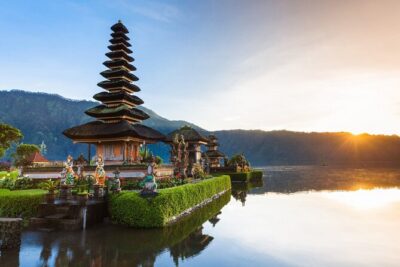 ★ 5.0More Complete: Discover Bali In 3 Days Private Tour PackageFrom $223167 reviews
 ★ 5.0From Bali : Bromo & Kawah Ijen – 3-Day AdventureFrom $348147 reviews
 ★ 5.0Overnight Mount Ijen Blue Fire Trek Tour From Bali (Private-All Inclusive)From $155133 reviews
 ★ 5.0Mount Ijen Bromo Tour from Ubud Bali (3 days 2 nights)From $420104 reviews
 ★ 5.0Exploring Bali in 5 Days: Completed Journey of Discovering BaliFrom $31583 reviews
Browse the lists this tour appears in