
Reviewed · EAST BALI: LEMPUYANG, AMED & SIDEMEN
Sidemen Trekking with Cultural Encounters and Nature Views
Sidemen trekking beats the usual Bali line-hustle, especially when you want rice fields and local culture without rushing. I like how the walk moves at a comfortable pace and still gives you big-photo stops with Mt. Agung in the background. One thing to keep in mind: this is a real foot trek on uneven rural paths, so shoes + long pants (and some patience for the sun) matter.
You’ll start right by the Yellow Bridge of Yeh Unda, then continue through temple ground and multiple rice-view points before finishing back where you began. The tour is set up as a private experience, so your group hikes together instead of getting herded with strangers.
You also get options: the route can focus on jungle and rice terraces, village lifestyle, or classic rice-field vistas. For practical folks, the $12.84 per person price is easier to justify when you remember what’s included (like bottled water) and what’s not (like hotel pickup).
In This Review
- Key things I’d notice before you go
- Sidemen starts at Yellow Bridge Yeh Unda
- Pura Dalem Desa Adat Dukuh Sakti: temple stop with respect rules
- Selisian Views: Mt. Agung in the rear view
- Cepug Rice View: quick time, strong payoff
- Lepusa Sidemen trekking: where the work meets the view
- How to get the photos you came for (without turning the trek into stress)
- What’s included, what’s not, and why the price feels fair
- What to wear and pack for hot rice-field paths
- Who this private Sidemen trek fits best
- Should you book this Sidemen trek from Celuk Bali Silver Class?
- FAQ
- How long is the Sidemen trekking experience?
- Where does the tour start?
- Does the tour include bottled water?
- What should I wear?
- Is admission included for the stops?
- Is hotel pickup or drop-off included?
- Is the tour private?
Key things I’d notice before you go
- Yellow Bridge of Yeh Unda starting point: an easy place to orient yourself and start shooting early.
- Multiple Mt. Agung view stops: Selisian Views and Cepug Rice View are designed for photo time, not just passing through.
- Temple culture at Pura Dalem Desa Adat Dukuh Sakti: short, respectful, and part of the lived spiritual rhythm of Sidemen.
- Real rice-field trekking at Lepusa: the walk is the point, with farming scenery along the way.
- Private group hike: only your group participates, so pace and questions stay yours.
Sidemen starts at Yellow Bridge Yeh Unda
If your Bali plan includes rice terraces but you’re tired of crowded viewpoints, Sidemen is a smart move. This trek is built around a rural-feeling start at Jembatan Kuning Tukad Yeh Unda (the Yellow Bridge over the Yeh Unda River). It’s close enough to quickly settle in, but it doesn’t feel like a big-ticket tourist stop.
The overall time is about 2 hours, and the schedule gives you a rhythm: short temple time, then longer scenic breaks, then a walking segment through working farmland. That timing works well if you’re staying around Ubud and want something active that doesn’t eat your whole day.
Also, you’ll want to factor in the lack of hotel pickup. The tour starts and ends back at the meeting point, so you’ll either self-arrange transport or plan to meet in Sidemen. If you hate scrambling at the last minute, plan your ride so you arrive with a little buffer.
More of East Bali, from Lempuyang to Amed and Sidemen

Pura Dalem Desa Adat Dukuh Sakti: temple stop with respect rules
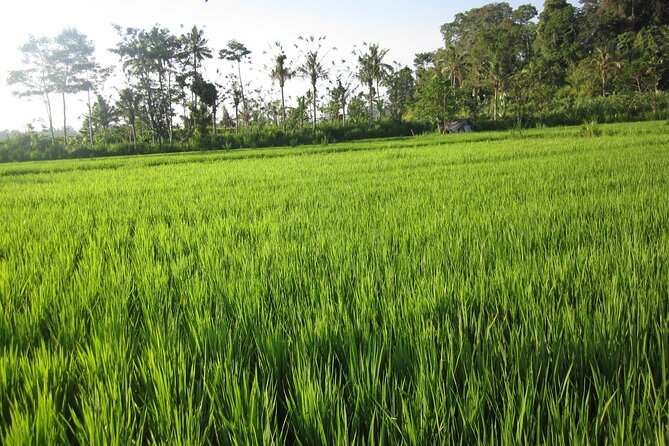
One of my favorite parts of this kind of hike is that it isn’t only about views. You stop at Pura Dalem Desa Adat Dukuh Sakti, a traditional temple tied to spiritual heritage and local identity.
It’s not a long sit-down event. The stop is around 10 minutes, which means you’re getting a taste of Balinese sacred architecture and village meaning without dragging the schedule. The practical win here: you learn what you’re looking at while you’re still on-site, not after the fact.
That said, temples demand basics. You’ll already be asked to wear long pants and shoes, and you should go in with a calm, low-volume mindset. If you see people participating in ceremonies, keep your path clear and your camera use gentle. This stop is most rewarding when you treat it as a living place, not a photo prop.
Selisian Views: Mt. Agung in the rear view
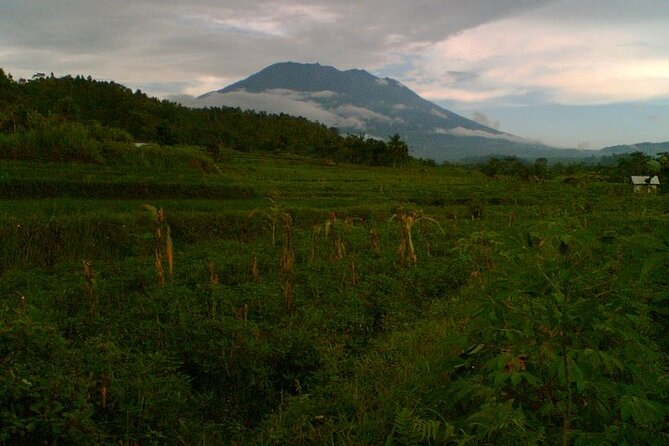
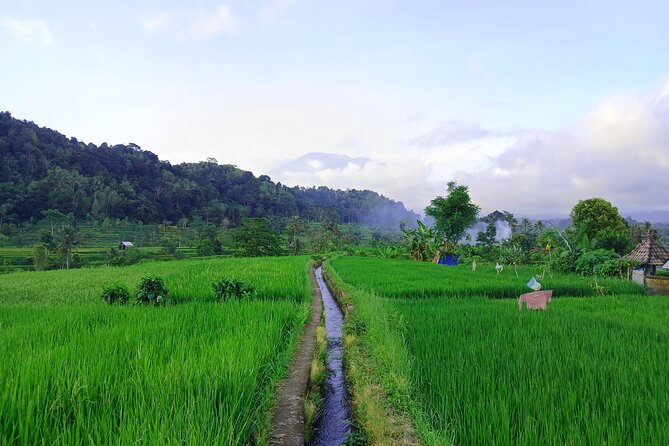
After the temple, the trek shifts from sacred space to scenery. Selisian Views gives you about 45 minutes of time for the big panorama—lush rice fields with Mount Agung rising in the distance.
That 45-minute window is key. Rice fields reward slow looking: you’ll spot farmers at work, see how the terraces curve around the valleys, and get chances to reposition for better angles. You’re not just standing in one spot counting steps.
This is also where the pace starts to feel like a local outing. Rural Bali isn’t designed for jet-fast selfie stops. If you let yourself linger, the views start telling a story—how the farms connect to the mountains and how daily life fits into the valley.
Cepug Rice View: quick time, strong payoff
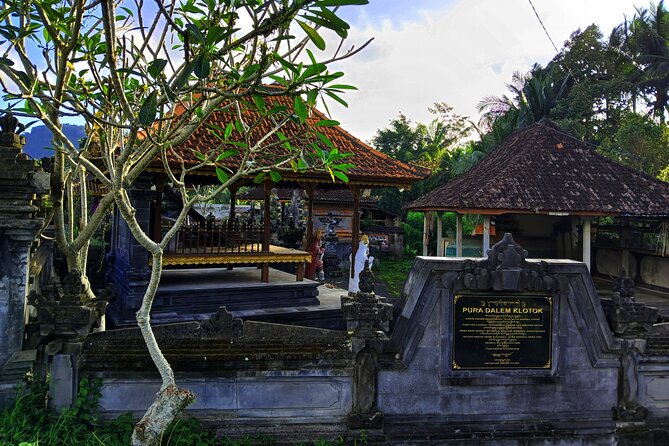
Next comes Cepug Rice View, with about 20 minutes on the schedule. This is the kind of stop that’s easy to underestimate—until you’re there and realize it’s all about framing.
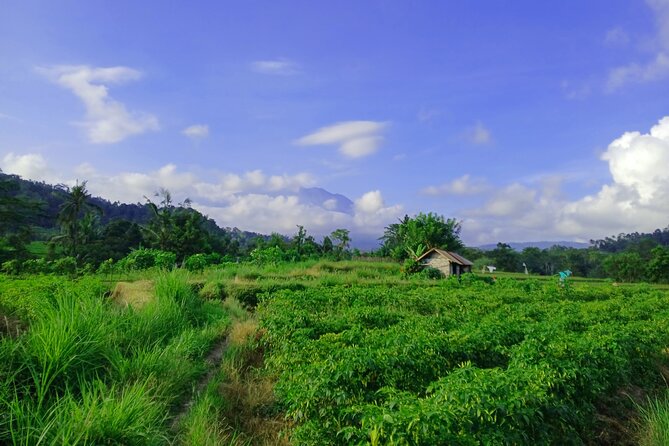
You’re looking at green rice stretches out as far as you can see, with a calmer feel and a gentle breeze. For photography, shorter stops can be a blessing. You’re not losing your light while you hike between perfect locations; you’re using the terrace angles you’re given.
The main consideration is simple: if clouds roll in, Mount Agung may be less dramatic. Even so, rice terraces still look great without the mountain backdrop. Aim to use your time well—take a few wide shots, then get one or two tighter frames that show the steps and textures of the fields.
Lepusa Sidemen trekking: where the work meets the view
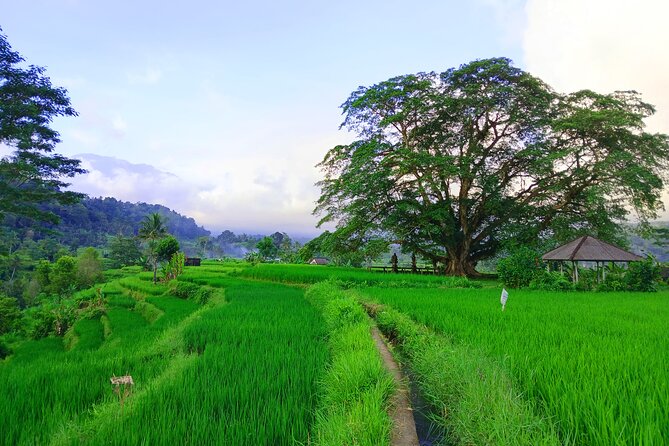
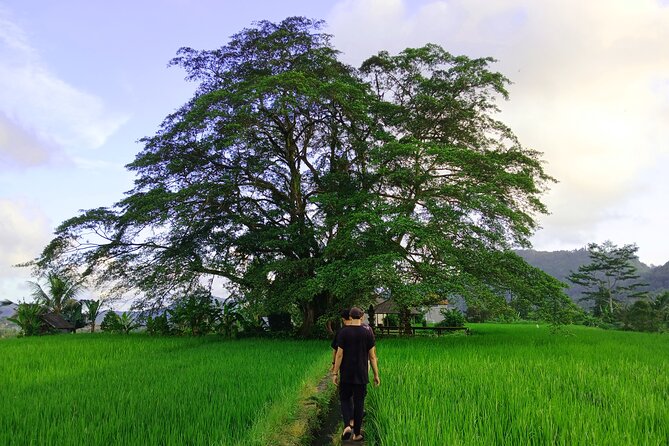
The final walking portion is listed as Lepusa Sidemen trekking, about 30 minutes. This is where the experience turns from sightseeing into actual foot travel through Sidemen.
You’ll be moving through a slice of rural life: rice terraces, mountain views, and authentic farming activity. The value here is that you’re not only looking at rice fields from a roadside point. You’re walking where people live and work, which gives the scenery more context and less “set design” feeling.
This portion is also why the dress code matters. Long pants help with rubbing plants and uneven ground. Shoes (ideally hiking-style) help on slippery patches and on paths that can shift underfoot. If you come in flip-flops or thin sandals, you’ll feel it fast.
If you want a tip that keeps things smooth: keep your water close and your phone/camera strap secure. The paths are rural, so there’s no guarantee of perfectly even footing.
More Bali hikes and ridge treks



How to get the photos you came for (without turning the trek into stress)
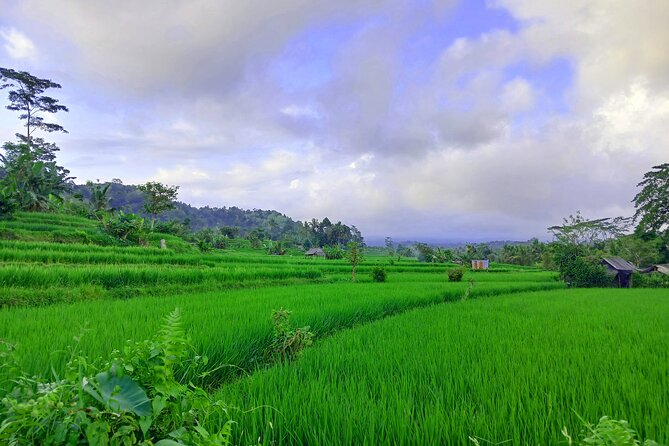
You’re paying for views of rice fields, and you’ve got Mt. Agung as the main distant anchor. To maximize your results, I’d think in terms of windows, not one magic moment.
- Use Selisian Views as your main wide shot block: you have the longest time there (about 45 minutes).
- Treat Cepug as your “secondary angle” stop: short but strong for composition.
- Shoot Yellow Bridge early or late in your hike: it’s your easy reference point at the start/end.
Also, try not to stand in exactly the same spot for every photo. Terraces and hills make tiny changes matter—step half a yard left and you can transform the entire frame. If your guide is friendly (and they often are), ask them where the best side is for the mountain view that day.
Finally, don’t wait for perfect light if clouds are moving quickly. Rice fields still read well in softer conditions, and a relaxed pace gets you better results than a frantic schedule.
What’s included, what’s not, and why the price feels fair
At $12.84 per person for about 2 hours, this tour sits in the value zone—especially if you want culture + walking in one package.
Included items are practical: bottled water and the experience itself with a guide and time on the listed stops. Most of the stops are marked free admission for what’s listed (including the temple stop and the viewpoint stops). That’s a quiet money saver that adds up on travel days.
What’s not included is just as important for planning: tips and hotel pickup/drop-off. If you need pickup, you’ll need to arrange transport yourself, which can change the real cost depending on where you start from in Ubud.
For value, the biggest detail is the private format. A private hike often costs more than shared group tours. Here, the structure is “only your group will participate,” which keeps your time flexible and your questions answerable without crowd pressure.
What to wear and pack for hot rice-field paths
This trek is outdoors in a tropical climate, so your gear can make the difference between comfortable and miserable.
You’ll be required to wear shoes and long pants. That’s not just a rule for show. Rice trails and paths can be uneven, and you’ll likely brush against plants. Sturdy footwear helps you move with confidence.
Bring the suggested extras: sun hat, sunscreen, and sunglasses. For a short two-hour tour, people underestimate sun exposure. The views are worth it, but your skin pays the bill if you skip protection.
One more practical note: the tour is at a fixed meeting point and ends there too. That means you don’t want to show up underpacked. If you need water refills later, plan that after the trek rather than counting on extra stops during.
Who this private Sidemen trek fits best
This hike fits best if you want Balinese rural life without the usual tourist squeeze. It’s a strong choice for:
- Couples and small groups who want a private pace
- People who love rice terraces but prefer walking over standing still
- Anyone interested in brief cultural context, especially a temple stop with real meaning
It may be less ideal if you’re looking for an easy stroll with zero uneven ground. The experience is called trekking, and the dress requirements hint at real outdoor conditions. Also, if you need full wheelchair accessibility, the data doesn’t say that this route is designed for it.
If you speak French, there’s an encouraging detail from past experiences: a guide fluent in French has been part of this offering. If you want English-only or another language, keep your expectations flexible and plan around your guide’s comfort level.
Should you book this Sidemen trek from Celuk Bali Silver Class?
If your ideal Bali day includes rice fields, Mount Agung views, and a real village-feeling walk, this one is a smart bet. The route is short enough to fit into a busy itinerary, but the stops are spread out so you get time to look and photograph rather than rush.
I’d book it if you can handle a couple hours outdoors and you’re comfortable wearing long pants and closed shoes. The private format is the icing on the cake because it makes the trek feel personal, not like a moving line.
Skip it if you want hotel pickup convenience or if you’re not up for uneven rural paths in the heat. But if you’re planning for comfort with the right gear, this is exactly the kind of Sidemen experience that gives you photos and meaning in the same walk.
FAQ
How long is the Sidemen trekking experience?
It’s listed as about 2 hours (approx.).
Where does the tour start?
It starts at the Yellow Bridge of Yeh Unda, at Jembatan Kuning Tukad Yeh Unda, Sidemen (GCRW+453, Tukad Yeh Unda, Sangkan Gn., Kec. Sidemen, Kabupaten Karangasem, Bali 80864, Indonesia).
Does the tour include bottled water?
Yes, bottled water is included.
What should I wear?
You’re required to wear shoes and long pants. The tour also recommends a sun hat, sunscreen, and sunglasses.
Is admission included for the stops?
The temple and listed viewpoint stops show admission ticket free on the schedule.
Is hotel pickup or drop-off included?
No. Hotel pick up and drop off are not included.
Is the tour private?
Yes. It’s a private tour/activity, and only your group will participate.
More Bali Hikes & Ridge Treks
More Bali Reviews & Picks


More of East Bali
Still deciding? More Bali days reviewed, from volcano sunrises to island crossings



East Bali: Lempuyang, Amed & Sidemen, compared.
 ★ 5.0Best of Bali Waterfalls: Tibumana, Tukad Cepung and TegenunganFrom $533,047 reviews
 ★ 5.0East Bali Tour: Gate of Heaven, Water Palace, Sleeping GajahFrom $1001,726 reviews
 ★ 5.0Bali Instagram: Gate of Heaven Temple TourFrom $85737 reviews
 ★ 5.0Bali Instagram Tour – Lempuyang Bali Gate of HeavenFrom $69149 reviews
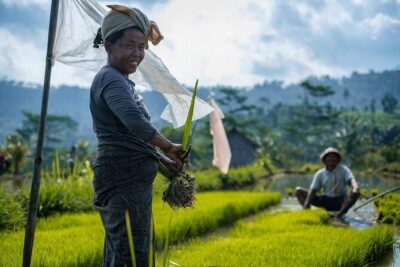 ★ 5.0Sidemen Trekking: A Walk from a Different PerspectiveFrom $1394 reviews
 ★ 5.0Bali Waterfalls in One Day: Tukad Cepung, 2 Hidden Waterfall, Kanto LampoFrom $4481 reviews
 ★ 5.0East Bali Tour: Lempuyang Temple – Gate of Heaven, Tirta Gangga, Virgin BeachFrom $4367 reviews
 ★ 5.0Private Full-Day Lempuyang Gate of Heaven TourFrom $4967 reviews
Browse the lists this tour appears in