
Reviewed · UBUD, MONKEY FOREST & CAMPUHAN
Ubud Tour – Highlight of Ubud – Traditional Tour
A perfect Ubud day beats guesswork. This private tour is built for convenience: you get door-to-door pickup, a driver/guide just for your group, and a full day of temples, waterfall time, monkeys, and rice terraces without needing to drive around Bali’s traffic. If you like learning as you go, this format is great because you can ask questions nonstop.
My favorite parts are the relaxed control you get with a private guide and the way the stops cover real everyday Ubud themes—Balinese Hindu worship, traditional village life, and the agricultural heartbeat of the island. One thing to think about: entrance fees and lunch are on your own, so the real total cost depends on where you eat and what you choose to pay at each site.
In This Review
- Key things that make this Ubud tour worth your time
- Door-to-door Ubud plans that keep your day from unraveling
- Price and value: what $85 really buys you
- The 10-hour rhythm: vehicle comfort, group size, and expectations
- Stop 1: Puseh Batuan Temple and the basics of Balinese temple life
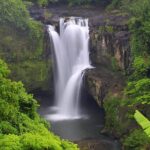
- Stop 2: Tegenungan Waterfall for a nature break
- Stop 3: Sacred Monkey Forest Sanctuary—fun, but manage your expectations
- Stop 4: Tegalalang Rice Terrace—why this one matters
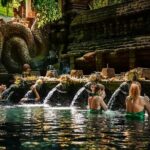
- Stop 5: Tirta Empul Temple and the meaning behind sacred water
- How the “ask questions” private guide actually changes the experience
- What you’ll pay extra: entry fees and lunch planning
- Comfort and logistics that matter in Bali
- Who this Ubud Highlight Traditional Tour suits best
- Should you book this tour?
- FAQ
- What stops are included on this traditional Ubud tour?
- How long is the Ubud traditional tour?
- Is pickup from my hotel included?
- What is included in the tour price?
- Are admission fees and lunch included?
- Is this tour private?
- What happens if the weather is poor?
Key things that make this Ubud tour worth your time
- Private door-to-door guiding: you’re not squeezed into a big bus day.
- A full highlight loop: Puseh Batuan Temple, Tegenungan Waterfall, Monkey Forest, Tegalalang Rice Terrace, Tirta Empul Temple.
- Air-conditioned transport + bottled water included for the long road.
- Ask-anything guide time: you can steer the day with questions.
- Weather-dependent: good conditions matter for the waterfall segment.
Door-to-door Ubud plans that keep your day from unraveling
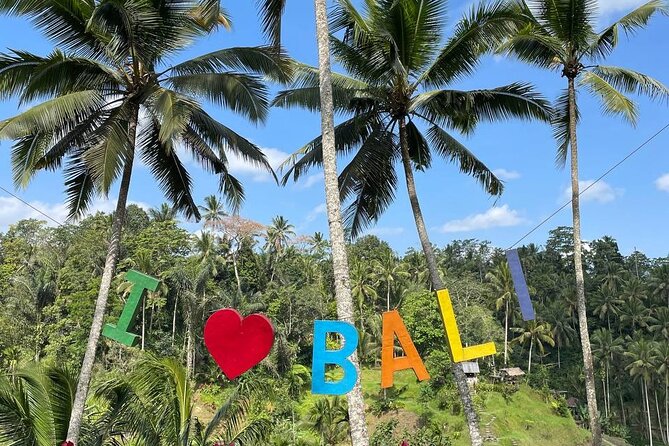
Ubud is easy to romanticize, but it can also be a pain to organize. If you’re not renting a scooter, you’re left piecing together taxis, timing, and directions. This tour removes that whole headache with pickup and drop-off from hotels across Bali, not just Ubud.
What you gain is time and mental energy. A private driver/guide means you’re not spending hours comparing maps or trying to explain where you want to go. You also get someone who can answer questions while you’re moving, so the day feels connected instead of like random stops.
The format also matters for the vibe. A “private for your group” tour works well if you want your own pace, even though the itinerary is fixed. You can ask follow-ups when something catches your interest—how a temple works, what a ceremony is for, why rice terraces are shaped the way they are—without getting brushed off by the schedule.
More around Ubud, from the Monkey Forest to the Campuhan ridge



Price and value: what $85 really buys you
The tour price is listed as $85.00 per group, with up to two travelers, and the description also mentions one flat per-vehicle fee that can cover up to four travelers. That means your best value likely depends on how your booking is structured—so before you pay, confirm whether the $85 is for two people or for a vehicle group.
Either way, here’s what’s clearly included: transport, guiding, bottled water, and an air-conditioned vehicle. The big trade-off is what’s not included: entrance fees and lunch (plus drinks/food beyond any extras you bring or buy).
So how do you judge value? Think about what you would otherwise spend:
- Private transport in Bali is not cheap, especially for a day with five stops.
- Admission fees can add up quickly at temples/sanctuaries.
- A guide saves you from the trial-and-error learning curve.
If you’re traveling as a couple (or up to four), this setup can be good value because you’re paying mostly once for the car and the guidance, then only adding entry costs and meals.
The 10-hour rhythm: vehicle comfort, group size, and expectations
This is an approx. 10-hour day with five major stops. That’s a full day, not a quick hit. You’ll spend a good amount of time on the road, and in Bali that usually means you should plan on a mix of scenic breaks and traffic delays.
The included air-conditioned vehicle is a real plus for a long day. Even if you love being outside, you’ll appreciate having somewhere to reset between sites. Bottled water also helps—don’t assume you’ll always want to buy drinks at every stop.
Group size is another key point. This is a private tour/activity, meaning only your group participates. That’s important for comfort: you’re not waiting on strangers, and you can ask questions without worrying about everyone else hearing the same answers for the fifth time.
Stop 1: Puseh Batuan Temple and the basics of Balinese temple life
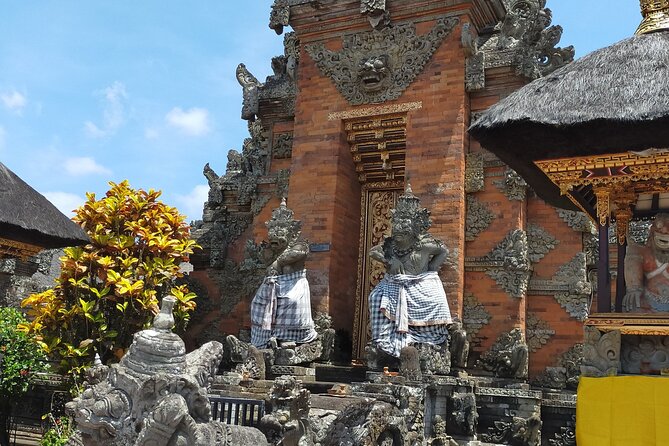
Your day begins at Puseh Batuan Temple. The temple name gives you the frame: this is part of Balinese Hindu religious life, not just a photo stop. A guide here can be the difference between looking at stone carvings and actually understanding what you’re seeing.
Here’s what you can expect in a practical sense:
- You’ll spend time walking around the temple area.
- You’ll likely get explanations about the role temples play in daily life.
- You’ll have time to ask questions while your guide is fresh and focused before the day gets busy.
One consideration: temples tend to have dress expectations and rules for respectful behavior. The tour doesn’t spell out clothing guidance, so I’d treat this as a “bring your best manners” moment—comfortable, modest clothing will make your visit easier.
Stop 2: Tegenungan Waterfall for a nature break
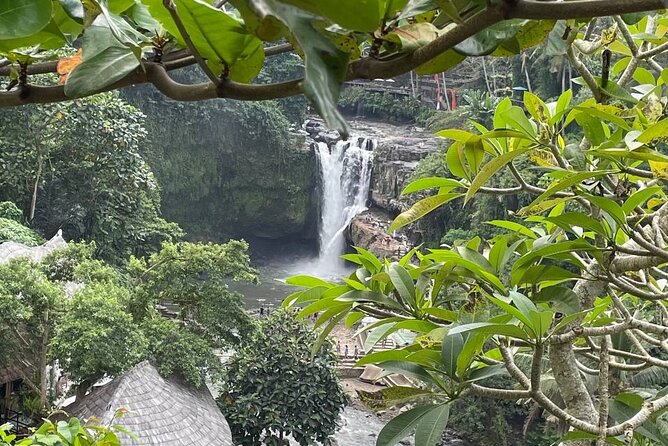
Then you shift from worship to scenery at Tegenungan Waterfall. This is the kind of stop that breaks up the day. After temples and sanctuaries, it gives you a chance to switch your brain from learning mode to looking mode.
A couple practical notes:
- Expect it to be part of your schedule where good weather matters. The experience description says the tour requires good weather, and if it’s canceled due to poor weather you’ll get offered a different date or a refund.
- Waterfall areas can mean steps, uneven ground, and changing visibility. Wear shoes that won’t make you regret it.
If you’re the type who likes photos, this is likely your best chance. If you’re more “quiet nature” than “photo mode,” you’ll still enjoy the break because it’s a complete change of pace.
More full-day tours that string together the best of the island



Stop 3: Sacred Monkey Forest Sanctuary—fun, but manage your expectations
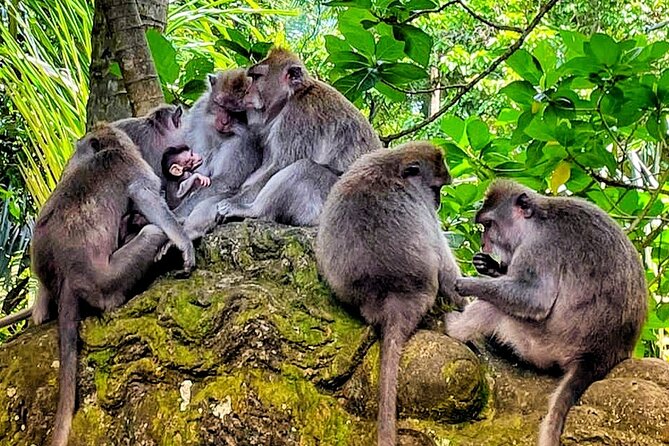
Next up is Sacred Monkey Forest Sanctuary. It’s called a sanctuary for a reason, so this stop is less about a single viewpoint and more about a walk through a place where monkeys are part of the environment.
What I like about including it in a traditional Ubud loop is that it’s not just a generic attraction. You’ll likely get a sense of how sacred spaces and living creatures can exist side-by-side in local culture.
Practical considerations:
- Be ready for close-up animal encounters. That’s the whole point of the place.
- Stay alert in crowded pockets of the path.
- Keep your belongings secure and avoid anything tempting in open hands.
If you’re traveling with kids or you don’t love animals near your personal space, this stop might feel less comfortable. It can still be worth it, but you’ll want to keep your expectations realistic.
Stop 4: Tegalalang Rice Terrace—why this one matters
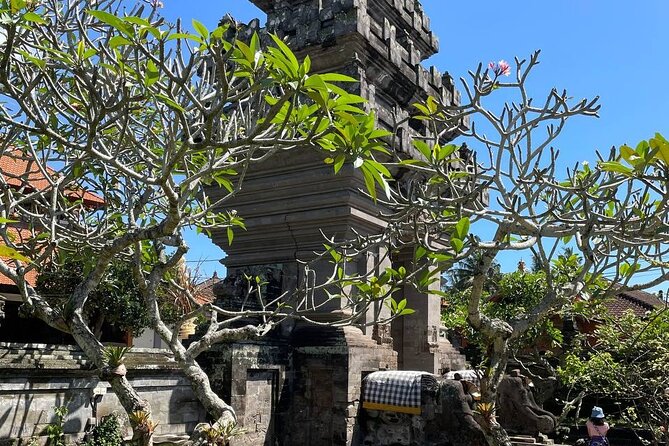
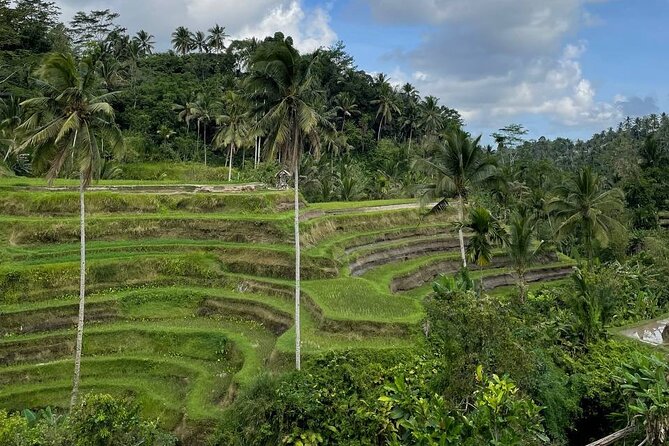
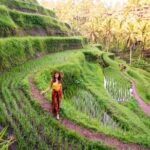
The tour hits Tegalalang Rice Terrace, which is one of the best-known Ubud visuals. But the value here isn’t only that it looks good in a photo. It’s that rice terraces connect the “traditional life” theme to something tangible: the land, the water management, and the daily rhythm behind farming.
This stop also tends to work well with a private guide. You can ask what you’re seeing—how the terraces function, why the area is shaped the way it is, and how farming fits into the wider culture of the region.
A few things to plan for:
- It can be hot and bright, depending on the day, so you’ll appreciate the earlier bottled water and your own sun protection.
- Terraces can mean walking on paths with changes in elevation. Comfortable shoes matter.
If you’ve ever seen rice terraces in a postcard and wondered what it’s like to stand there, this is the moment. You’ll get a better feel for scale when you’re actually there, not just looking at images.
Stop 5: Tirta Empul Temple and the meaning behind sacred water
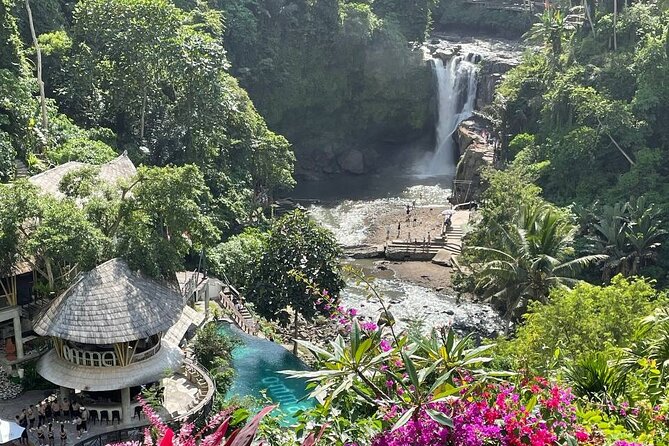
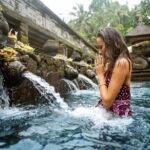
The final stop is Tirta Empul Temple. Like the first temple, this is a Balinese Hindu site, and the whole day’s theme comes together here: belief, daily life, and spiritual practice.
Even without getting overly technical, I like how a place like Tirta Empul gives you a sense of how spirituality can be connected to natural elements. You’re ending not with another viewpoint, but with something that’s about ritual and respect.
Practical tips:
- Expect rules for behavior in sacred areas.
- Move calmly and follow your guide’s lead.
- If you’re unsure about anything—where to stand, what to do, how to observe—ask. That’s one of the biggest benefits of having a private guide.
This is also the part of the day where you’ll want to slow down. After waterfalls and terraces, your brain might be slightly tired. A temple visit rewards quiet attention.
How the “ask questions” private guide actually changes the experience
This tour strongly emphasizes that you can ask as many questions as you like because the guide is working only with your group. That sounds like marketing, but it’s exactly how you make a traditional tour feel personal.
Here are the kinds of questions that tend to pay off:
- What does this temple connect to in day-to-day Balinese life?
- How do farming practices shape the look of the terraces?
- What should I notice in carvings, offerings, or ceremonial spaces?
- What’s the difference between seeing a place as a tourist and understanding it locally?
Even if you don’t plan to ask a hundred questions, having the option changes your approach. You stop treating the day like a checklist and start treating it like a conversation with the island.
What you’ll pay extra: entry fees and lunch planning
The tour includes transport, guidance, bottled water, and the AC vehicle, but it explicitly says admission fees and lunch are not included. That’s important because “$85” is only part of your budget.
I recommend you plan in two layers:
- Entry fees for each stop. You’ll likely need cash or card depending on the site, so bring both if you can.
- Lunch cost and drinks. The tour does not include lunch, so you’ll want to decide in advance whether you prefer a sit-down meal or something quick.
Also think about snacks. Because it’s a long day, you might want extra water or small bites. Bottled water is included, but you’ll still benefit from having your own backup.
Comfort and logistics that matter in Bali
This tour gives you a big win: you don’t have to self-drive around Bali for a full day. That alone can be worth a chunk of money for people who prefer not to handle traffic, parking, or navigation.
The tour also comes with mobile ticket and confirmation at booking time, which helps you feel organized before pickup. It’s also listed as near public transportation, but the whole point is the door-to-door pickup and drop-off, so you probably won’t need that option.
One more real-world consideration: there’s at least one reported issue where a booking didn’t get picked up at the appointed time and the company didn’t respond right away. I can’t control how your day goes, but you can reduce risk by confirming pickup details shortly before the tour starts and keeping communication channels ready.
Who this Ubud Highlight Traditional Tour suits best
This is a great fit if you:
- Want a structured, traditional Ubud day without planning five separate stops.
- Like asking questions and learning as you walk.
- Prefer privacy over joining a larger group.
- Care about comfort during a long day (air-conditioned vehicle matters).
It may be less ideal if you:
- Have a strict budget and don’t want extra entry fees plus lunch added on.
- Strongly dislike animals near you (because the route includes Sacred Monkey Forest Sanctuary).
- Are hoping for a very slow, relaxing day with long time at only one location. This is a multi-stop loop.
Still, for most first-timers, couples, and small families who want meaningful cultural stops, this style works well.
Should you book this tour?
I’d book it if you want a high-structure Ubud day with real cultural anchors: temples, rice terraces, a waterfall break, and a sanctuary stop. The private door-to-door format and the ability to ask questions are the big reasons to choose it over cobbling together multiple local rides.
I’d think twice if you hate the idea of additional costs for entrance fees and lunch, or if you’re extremely sensitive to animal encounters at Monkey Forest. Also, because the experience says it requires good weather, keep your plans flexible in the way only a trip in the tropics can demand.
If you do book, go in with a simple plan: bring money/card for entry fees, wear comfortable shoes for walking, and treat your guide like a walking encyclopedia. That’s when this tour earns its 10-hour slot.
FAQ
What stops are included on this traditional Ubud tour?
The tour includes Puseh Batuan Temple, Tegenungan Waterfall, Sacred Monkey Forest Sanctuary, Tegalalang Rice Terrace, and Tirta Empul Temple.
How long is the Ubud traditional tour?
It runs for approximately 10 hours.
Is pickup from my hotel included?
Yes. Pickup and drop-off are offered from hotels all over Bali.
What is included in the tour price?
Included items are bottled water and an air-conditioned vehicle, plus transport and guiding.
Are admission fees and lunch included?
No. Admission fees and lunch are not included, and food or drinks are at your own expense.
Is this tour private?
Yes. It’s a private tour/activity, and only your group participates.
What happens if the weather is poor?
The experience requires good weather. If it’s canceled due to poor weather, you’ll be offered a different date or a full refund.
More Bali Reviews & Picks


More Full-Day Island Highlights
More Around Ubud & the Monkey Forest
Still deciding? More Bali days reviewed, from volcano sunrises to island crossings







Ubud, Monkey Forest & Campuhan, compared.
 ★ 5.0All-Inclusive Ubud Private TourFrom $10014,344 reviews
 ★ 5.0Best of Ubud Full-Day Tour with Jungle SwingFrom $568,571 reviews
 ★ 5.0Ubud: Monkey Forest, Jungle Swing, Rice Terrace, and Water TempleFrom $317,160 reviews
 ★ 5.0Best of Ubud 1-Day Private TourFrom $544,451 reviews
 ★ 4.4Ubud Palace Legong Dance Show TicketFrom $63,979 reviews
 ★ 5.0Body Massage Experience in Ubud Traditional SpaFrom $213,506 reviews
 ★ 4.4Ubud Kecak and Fire Dance Show TicketsFrom $62,631 reviews
 ★ 5.0Ubud Cooking Class Bali with Balinese ChefFrom $351,609 reviews
Browse the lists this tour appears in