
Reviewed · WORKSHOPS
3 Hours Wheel Throwing Basic Ceramic Class
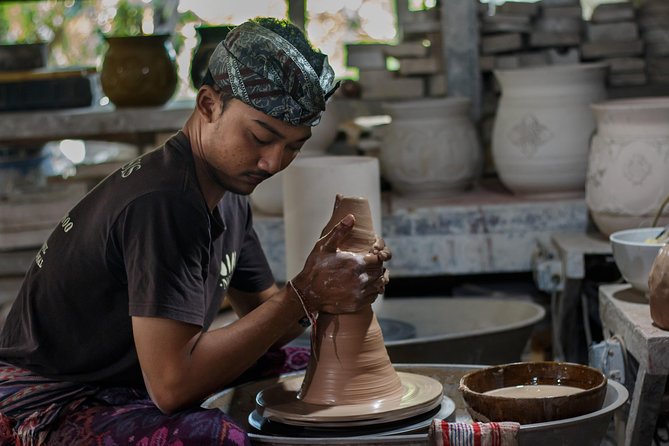
Your hands spin the wheel in Ubud. I like the factory-style setting, where you can see the tools and machines used every day, and I also like that you create your own ceramics to take home (up to three best pieces). The main thing to consider: the final firing/baking isn’t included, so you’ll plan for extra costs and a 1 to 4 week wait if you want them glazed and fired.
This is a 3-hour class that covers the basics of clay prep and forming on a wheel machine, with plenty of hands-on help. You can experiment with a full 3 kg clay allocation, shape multiple attempts, and then choose your favorites. It’s also set up for small groups only your group participates, which makes it easier to get attention when you’re figuring out the wheel tempo.
In This Review
- Key Things to Know Before You Go
- Where the Class Happens: A Working Pottery Factory in Sukawati
- What You’ll Make in 3 Hours: A Real Wheel-Throwing Workflow
- The Wheel Machine Moment: Learning Control, Not Magic
- Your Best Three Pieces: What You Can Take Home
- Glazing and Firing: The Waiting Game (1 to 4 Weeks)
- Price and Value: Is $50 for 3 Hours Worth It?
- Meeting and Getting Ready: Small Details That Matter
- Who This Class Suits Best (and Who Might Want Something Else)
- Should You Book This Ubud Wheel Throwing Class?
- FAQ
- How long is the wheel throwing class?
- Where is the class located and where do we meet?
- How much clay will we use?
- How many pieces can I take home?
- Is glazing and firing included?
- What’s included in the price?
- What if the weather is poor?
Key Things to Know Before You Go
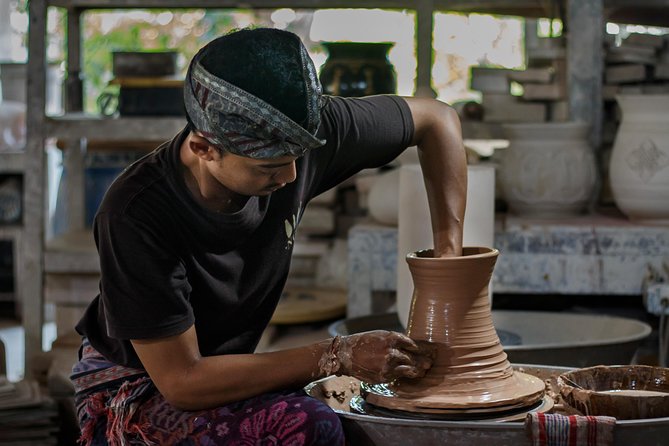
- Wheel throwing basics plus hand balance: you’ll learn the core motions for forming clay on the wheel.
- 3 kg clay for real practice time: you can keep experimenting and not just make one rushed piece.
- Pick the best 3 to keep: you choose which pieces get processed for the final finish.
- Glaze and firing take 1–4 weeks: plan your calendar if you want the finished look.
- Friendly staff and close guidance: expect help while you do the forming.
- No lunch or private transport included: you’ll want to plan food and getting there.
Where the Class Happens: A Working Pottery Factory in Sukawati
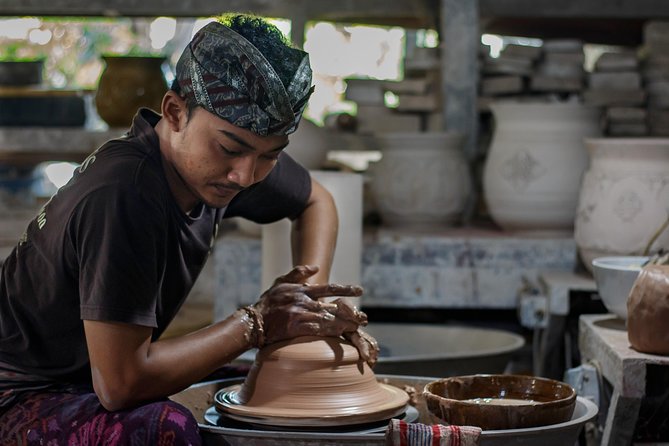
The class meets at Jl. Nakula No.511 in Guwang, in the Sukawati area of Gianyar. This matters because you’re not just walking into a showroom. You’re showing up to an active ceramic place, where you can see the tools and machinery tied to the day-to-day pottery business.
That factory context changes the vibe of the lesson. Instead of feeling like a one-off craft demo, you get the sense that there’s a real production workflow behind what you’re making. It’s useful even if you’ve never touched clay before, because you quickly understand that pottery is a sequence: shape first, then finishing processes.
The class duration is about 3 hours, and it’s designed to end back at the meeting point. That’s helpful in Ubud, where travel times can stretch if you’re trying to fit things between other activities.
A few more Bali tours and experiences worth a look



What You’ll Make in 3 Hours: A Real Wheel-Throwing Workflow
This is a beginner wheel throwing class, and it’s built around a clear training rhythm. You start with the fundamentals of clay and how to get it ready for the wheel.
In your session, you’ll work with about 3 kg of clay, scaled into portions for the lesson flow. You’ll learn the early steps like scaling and kneading, which sounds basic, but it’s the difference between clay that behaves and clay that fights you on the wheel.
Then comes the wheel throwing part. You’ll form clay on a wheel throwing machine while also using a hand technique for controlling the shape. The goal is to solidify the clay into the form you want, not just do a quick spin-and-hope movement.
Here’s the realistic expectation: you’ll experiment. You can make as many shapes as you wish during the class time. But you should go in with a plan to end with candidates for your final take-home pieces, because you’ll later choose the best three to bring home.
The Wheel Machine Moment: Learning Control, Not Magic
Wheel throwing looks smooth from the outside. Up close, it’s all about control: speed, pressure, and hand position. This class focuses on exactly that.
You’ll get the basics of the machine and the balance required while the wheel forms your piece. That hand balancing piece is the big skill. If you push too hard or hold at the wrong angle, you’ll feel it immediately as the wall thickness changes or the shape collapses.
You also get direct support from the staff. One review noted that the teachers did a lot of the work, and that can cut both ways. If you’re brand new, that kind of guidance can help you finish something you’re proud of. On the other hand, if you’re hoping to fully master the wheel through your own repeated attempts, make sure you ask for feedback as you go.
Tip that will save you time: start by asking how the teacher wants you to hold your hands before you begin shaping. That way you’re not trying to guess halfway through.
Your Best Three Pieces: What You Can Take Home
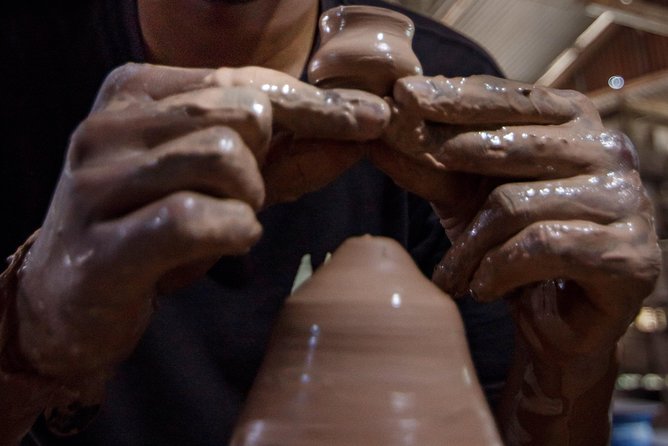
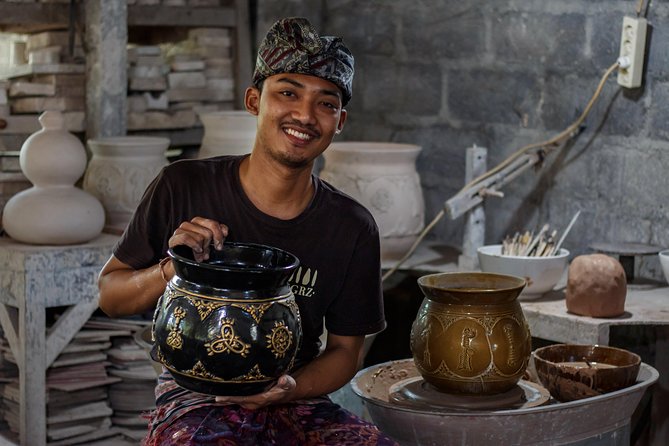
During the class, you’ll create multiple pieces, and then you’ll pick your top results. The program is structured so you can bring home your creations, with a limit of three best items.
This choice step is important because it forces you to look at your work the way a potter would. You’ll likely make a few misshapen attempts. That’s normal. Your goal is to select the forms with the best balance, cleanest walls, and the least wobble at the base.
If you want variety, the class includes the wheel and coloring materials if you choose to vary your art. That means you’re not stuck with plain clay. You can test decoration or color options depending on what’s available during your session.
What you should know: your final pieces are limited to three, and the follow-up finishing steps also relate to those selected pieces.
Glazing and Firing: The Waiting Game (1 to 4 Weeks)
Here’s the part that affects real life after class: combustion and glaze processing takes time. The timeframe given is up to 1 week to 4 weeks.
Even more important, firing/baking for the final product is not included in the class price. One review specifically said baking pieces should be included and weren’t. The operator responded that the baking fee isn’t included (and they said they would give one piece free of charge in that context).
So plan for two scenarios:
- You’ll finish shaping your pieces during the class.
- Getting them to the final fired and glazed state will likely involve extra steps after the class, plus waiting.
If you’re taking pottery home as a gift, I’d treat this like a mail-order timeline. Don’t assume you’ll have finished, ready-to-use ceramics the same day. If you’re traveling soon after your lesson, pick a spot in your schedule that allows for the waiting window.
A few more Bali tours and experiences worth a look

Price and Value: Is $50 for 3 Hours Worth It?
At $50 per person for about 3 hours, this class can be good value if you want hands-on wheel throwing with enough clay to practice. The key value points are:
- You get materials during the class, including a clay allocation totaling 3 kg scaled for the session.
- You use a wheel throwing machine with guidance on basic wheel throwing and hand balancing.
- You can experiment and then keep up to three pieces.
That said, your total “finished pottery” cost might be higher if you want firing/baking. The lesson price clearly covers the class experience, materials, water, and an apron. It does not cover private transportation, and it does not include the combustion process for the final product.
So my practical read is this: $50 is a fair entry price for the making part. If you’re expecting fully finished, fired ceramics to be ready right away, you’ll be surprised by the extra time and likely extra fee.
One more value note: the class is booked fairly far in advance on average. That suggests it has steady demand. If you’re flexible, you might find a slot without stress. If your schedule is tight, book early.
Meeting and Getting Ready: Small Details That Matter
You’ll meet at Jl. Nakula No.511, Guwang, Sukawati, Kabupaten Gianyar, Bali 80582. The class ends back at the meeting point, so you won’t need to coordinate a separate drop-off.
A few practical prep ideas:
- Wear clothes you’re okay with getting clay dust on. You’ll get an apron, but clay is still clay.
- Bring a phone with you so you can reference your booking and address if you need it.
- If you’re doing this as part of a busy Ubud day, plan extra time around pickup and traffic. The class itself is about 3 hours, but getting there in Bali can stretch.
About planning: the experience requires good weather. If it’s canceled due to poor weather, you’ll be offered a different date or a full refund.
One review also mentioned communication troubles with the booking platform and that the traveler had to get help locally to find the property. That’s a good reminder to double-check the exact meeting location details before you go, and keep your confirmation saved offline in case your connection drops.
Who This Class Suits Best (and Who Might Want Something Else)
This wheel throwing class is a strong match if you:
- Want a beginner-friendly introduction to wheel throwing and clay preparation.
- Like the idea of practicing with real clay time instead of one quick demo.
- Want to bring home up to three pieces rather than just one souvenir.
It may be less ideal if you:
- Need fully finished glazed and fired pieces right away.
- Are very focused on learning the wheel mechanics entirely through your own trial and error, because you may get a lot of hands-on help during shaping (a review pointed this out).
If you’re traveling as a couple, solo, or in a small circle, the private format helps. Only your group participates, so it’s easier to ask questions and keep the pace.
Should You Book This Ubud Wheel Throwing Class?
Book it if your goal is the making experience: you want to sit at the wheel, learn how clay behaves, and leave with up to three pieces you shaped yourself. The factory setting and the amount of clay time are real advantages for beginners.
Consider booking something else or adjusting your expectations if your top priority is having fired and glazed pottery ready immediately. Here, the finishing happens after class and can take 1 to 4 weeks, and firing/baking for the final product is not included in the price.
If you like practical crafts, want a hands-on Bali activity that’s more than sightseeing, and can plan for the wait after shaping, this is a solid pick.
FAQ
How long is the wheel throwing class?
The class runs for about 3 hours.
Where is the class located and where do we meet?
You meet at Jl. Nakula No.511, Guwang, Kec. Sukawati, Kabupaten Gianyar, Bali 80582, Indonesia, and the activity ends back at the meeting point.
How much clay will we use?
You’ll work with clay scaled for a total of about 3 kg during the class session.
How many pieces can I take home?
You can take home up to three of your best creations.
Is glazing and firing included?
The class describes glaze and combustion processing, but the combustion process for the final product is not included. Glaze and combustion take about 1 week up to 4 weeks after your class.
What’s included in the price?
Included are all materials, bottled water, an apron, wheel machine usage, and coloring materials if you want to vary your art.
What if the weather is poor?
The experience requires good weather. If it’s canceled due to poor weather, you’ll be offered a different date or a full refund.
More 3-Hour Experiences worth booking around Bali
More Bali Workshops & Classes


More Bali Reviews & Picks






Still deciding? More Bali days reviewed, from volcano sunrises to island crossings












Workshops, compared.
 ★ 5.0Ubud Cooking Class Bali with Balinese ChefFrom $351,609 reviews
 ★ 5.0Ubud Silver Class Jewelry making in baliFrom $36978 reviews
 ★ 5.0PRIVATE Authentic Balinese Cooking Class in Ubud at Putu’s HomeFrom $75644 reviews
 ★ 5.0Balinese Farm Cooking Class by Pemulan BaliFrom $39410 reviews
 ★ 5.0Balinese Cooking Class in SeminyakFrom $66281 reviews
 ★ 5.0Balinese Authentic Cooking Class in UbudFrom $39239 reviews
 ★ 5.0PRIVATE Balinese Cooking Class in Ubud with Dewa with TransfersFrom $69213 reviews
 ★ 5.0Canggu Scooter LessonsFrom $31195 reviews
Browse the lists this tour appears in