
Reviewed · CYCLING & COUNTRYSIDE E-BIKE RIDES
Bali Downhill Cultural Cycling Tour
Downhill bikes, village life, and a volcano view. This Bali downhill cultural cycling tour from Ubud mixes easy, mostly downhill riding with real stops around the Kintamani volcano area, including views toward Lake Batur and a tasting session before you start. I also love the culture side: you visit a local school and then spend time at a Balinese family compound to learn how daily life works. One note to keep in mind: even though it is designed to be gentle, some road stretches can be rough and you may still hit short, bumpy uphills.
A small group keeps it personal, with a maximum of 15 people. You also get round-trip hotel pickup, air-conditioned minivan transport, and a guide who manages the pace so you’re not white-knuckling your way down unknown roads. Guides like Wayan and Agus are often praised for clear English and for keeping everyone safe while you grab photos and cross busier spots.
In This Review
- Key highlights you’ll actually care about
- From Ubud pickup to the Kintamani highlands: what kicks off the day
- The coffee tasting and breakfast stop: cultural fuel, not just caffeine
- The 3.5-hour downhill ride: how the biking actually feels
- Culture stops that don’t feel like speed-running
- The local school charity visit
- The priest compound visit
- The Balinese family compound
- Breakfast, lunch, and how to plan your day
- Bikes, safety, and who this tour suits best
- Price check: does $33.60 feel like value in Bali?
- What to bring and how to get the most out of the ride
- Should you book Bali Downhill Cultural Cycling in Ubud?
Key highlights you’ll actually care about
- Mostly downhill riding (3.5 hours) with light pedaling for many people
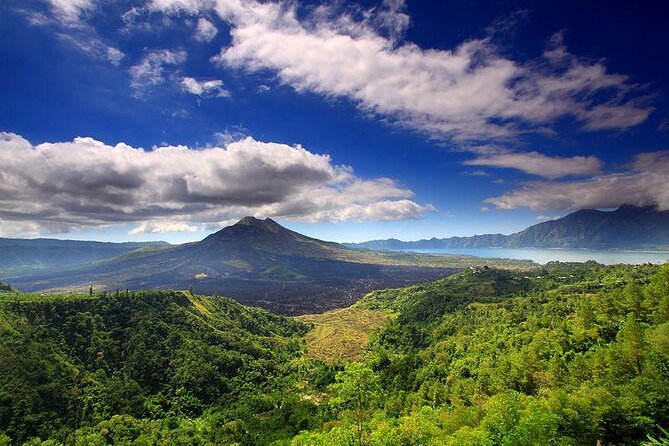
- Kintamani volcano viewpoint stop plus Lake Batur scenery from the highlands
- Coffee tasting + breakfast + lunch, so you’re not scrambling for food all day
- Local visits: a school charity stop, a priest compound, and a family compound
- Small group (max 15), which helps the guide keep an eye on everyone
From Ubud pickup to the Kintamani highlands: what kicks off the day
The day starts in Ubud, with pickup from your hotel and a morning departure around 8:30 am. The ride to the Kintamani region is part of the experience. You’re not just jumping on a bike and disappearing. You get a sense of where you’re headed—highlands first, then village roads later—so the downhill part feels earned.
Your first real “wow” moment is the Kintamani highlands viewpoint stop. Expect around 15 minutes to look out over the volcano scenery. Even in a short stop, it helps you understand the shape of the terrain you’re about to ride. There’s also mention of Lake Batur views during the morning portion, which lines up with the idea that you’ll spend time looking outward before you start moving downward.
Then comes the coffee and food phase. Before you bike, you’ll do a coffee-tasting session and have breakfast. This matters more than it sounds. When you eat and drink before the ride, you avoid the classic Bali cycling problem: feeling underfed, then racing to find snacks at the wrong time. You’ll also be less likely to get grumpy when the tour shifts from calm views to action.
More cycling and e-bike rides through the rice country


The coffee tasting and breakfast stop: cultural fuel, not just caffeine
This tour isn’t only about bikes. The coffee tasting is one of the first cultural introductions of the day. You’ll get to try different coffees and teas, and you should expect the tasting to be explained by locals in a way that’s meant to make you curious, not just sell you a cup and move on.
A practical way to approach coffee tasting in Bali: treat it like a learning stop. Taste the flavors, ask questions, and then decide on purchases calmly. One guest noted the prices at the coffee stop can be inflated, so if you’re a coffee buyer, do it thoughtfully. If you’re not, you can still enjoy the tasting without feeling locked in.
Breakfast ties it together. You’re refueled for the ride and then guided into the downhill segment with enough energy to enjoy the scenery instead of counting the minutes until lunch.
The 3.5-hour downhill ride: how the biking actually feels
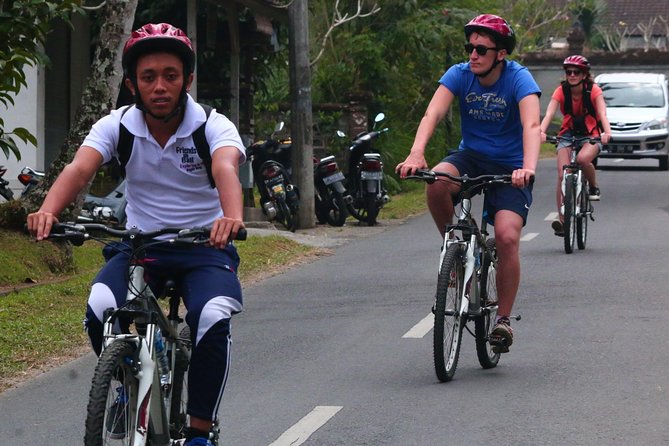
This is the signature part: about 3.5 hours of cycling downhill. The key detail is that this tour is built for a relaxed pace. Multiple reviews describe it as easy on the legs because the ride is 99% slow downhill, with only tiny sections that may require pedaling.
Still, I want you to go in with realistic expectations:
- The ride is gentle overall, but not every meter will feel like smooth highway perfection.
- Expect village roads that can be uneven, and in some cases, potholes or ruts.
- There may be a couple short uphills. They’re not the main event, but they exist.
That mix is why the tour asks for moderate physical fitness rather than “walk in your flip-flops and you’re done.” It’s not a hardcore mountain biking workout, but it’s also not a flat-city pedal cruise.
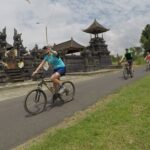
Good news: you’ll have a guide and you’ll be grouped together. Guests mention guides carefully stopping for traffic when needed and keeping everyone safe at crossings. That makes a huge difference in Bali, where roads can feel chaotic even when you’re just looking at them.
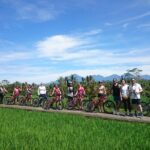
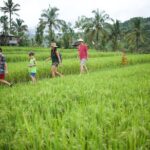
And yes, you’ll see a lot of real Bali from the saddle. The route runs through rural village areas and scenic parts of the region with plenty of photo chances—rice fields show up along the way too.
Culture stops that don’t feel like speed-running
The cultural side of this tour is what separates it from the “bike and wave at temples” style. You’re not just passing by; you’re getting time with people and places.
The local school charity visit
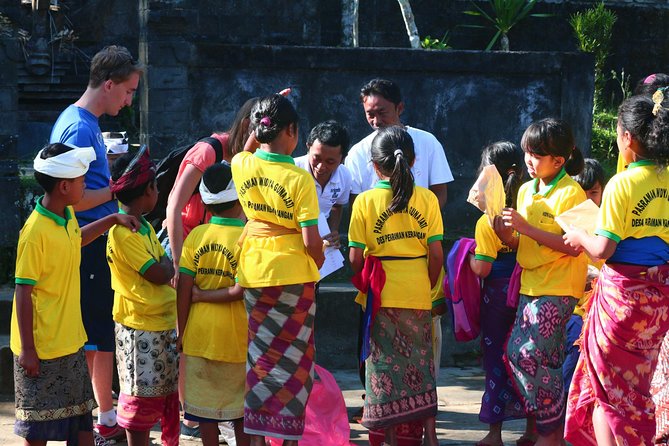
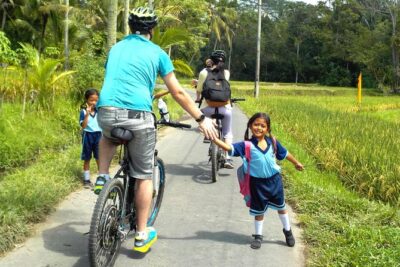
You’ll include a charity visit to a local school. This is one of the most meaningful stops on the day for most people, because it turns the tour from sightseeing into something more human. You get time to see school life up close and connect with the community in a way that feels direct.
If you’re the kind of person who likes to travel responsibly, this is the type of stop that fits. Just remember: keep it respectful. Follow the guide’s instructions, don’t turn it into a photo scavenger hunt, and focus on being present.
A few more Bali tours and experiences worth a look
The priest compound visit
The route also includes a visit to a local priest compound. This gives context for Balinese religion and everyday spiritual practice. Expect explanations from your guide as you move through the area. Even if you’ve read about Balinese culture before, seeing a place like this in person—and hearing what it means—lands differently than facts on a page.
The Balinese family compound
Finally, you stop at a local family compound where you learn about Balinese culture through how a family lives. This part tends to be a highlight because it’s practical: where people spend time, how family life is organized, and what rituals and values show up day to day.
One reason I like this structure is simple: it’s not only about what tourists think is important. It’s about how the community actually lives. And when you’re riding downhill through villages, you’re already in the right frame of mind for it.
Breakfast, lunch, and how to plan your day
Food is baked into the schedule: breakfast and lunch are included. You’ll also get coffee tasting before the ride. In a day trip that’s mostly outdoors, having all three keeps you from making decisions while you’re tired and hungry.
Lunch is served near the end of the cycling portion and is often described as a nice local meal at a warung-style setting. That ending matters. After hours on the road, you’ll want food that feels like a reward, not an afterthought.
Two small planning tips:
- Bring sunscreen. Bali sun can sneak up even when you’re moving slowly and feeling cool from the breeze.
- Wear light cotton attire as recommended. And consider a light layer for the morning pickup, since air-conditioned travel can make you chilly before you heat up on the bikes.
Water is also a smart idea. The tour includes water in some feedback, but your best move is to treat water as essential on a long day.
Bikes, safety, and who this tour suits best
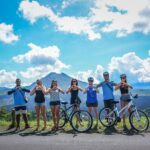
This tour caps at 15 travelers, and that small size shows in how the day feels. With fewer people, guides can manage pace, keep eyes on the group, and pause for everyone to take photos without turning the ride into a constant restart.
Bikes are described as well-maintained, and helmets are mentioned in guest feedback. The guide role is also more than pointing. Several guests highlight guides like Wayan or Agus as careful, attentive, and good at keeping everyone safe while crossing roads.
So who is this for?
- Great for couples and solo travelers who want a real day in the villages, not another ticket line.
- Also a good fit for families who want an easy cycling experience, as long as kids can handle being outdoors and riding at a calm pace.
- If you’re hoping for a sweaty, competitive workout, you may find it too relaxed. If you want nature plus culture with minimal stress on your legs, it fits.
The tour does require moderate physical fitness, mainly for the ability to stay comfortable on uneven roads and handle short uphills if they pop up.
Price check: does $33.60 feel like value in Bali?
At $33.60 per person, this tour is priced like one of the more affordable full-day activities out of Ubud. The value comes from what’s included, not just the sticker price:
- Hotel pickup and drop-off
- Air-conditioned transport by minivan
- Breakfast and lunch
- Coffee tasting
- Cultural stops including a school charity visit and visits connected to Balinese practice and family life
When you tally that, the price starts to make sense. You’re paying for a whole day’s movement, guiding, and meals—plus the bike experience that can be hard to replicate on your own without planning a route and arranging safe stops.
There’s also a practical value point: a downhill ride with a guide means you don’t have to learn road conditions on the fly. In Bali, that kind of support is worth something.
The one tradeoff to watch is that some road segments might not look postcard-perfect and can be bumpy. If you’re the type who needs pristine pavement for your photos, you might find parts of the route less appealing. But if you’re after real village life and relaxed cycling, the overall day is hard to beat for the money.
What to bring and how to get the most out of the ride
You’ll get a smoother day if you pack for sun, dust, and comfort:
- Light cotton clothing (the tour recommends this)
- Sunscreen and something for your face if you burn easily
- Comfortable shoes with grip (you’ll be stepping on and off the bike)
- A small day bag or pocket for your essentials
- An open attitude for culture stops where you’re asked to listen and follow the guide
Also: keep your expectations aligned. This is not a “cycle for views only” tour. The best moments are when you slow down at the school, hear explanations at the priest compound, and meet the family compound. The ride is the delivery system. The people are the point.
Should you book Bali Downhill Cultural Cycling in Ubud?
I’d book this if you want a full-day Bali experience that feels grounded. It’s one of the better combinations of easy downhill biking plus meaningful cultural stops—and the included meals and transport make it low-stress.
Skip it only if you’re extremely sensitive to uneven road surfaces or you want a more strenuous cycling challenge. Also, if you hate any kind of coffee stop that includes explanations and tastings, you may want to keep your wallet ready and your expectations realistic.
If your goal is to see Bali outside the resort bubble—through villages, school life, and a family compound—this is a smart use of your time in Ubud.
More Bali Tour Picks



More Bali Reviews & Picks


More Cycling & E-Bike Rides
Still deciding? More Bali days reviewed, from volcano sunrises to island crossings







Cycling & Countryside E-Bike Rides, compared.
 ★ 5.0Electric Cycling Tour of Ubud with Free Hotel Transfer and LunchFrom $411,397 reviews
 ★ 5.0Ubud: Downhill Cycling with Volcano, Rice Terraces and MealFrom $36536 reviews
 ★ 5.0Ubud eBikes Tour to Tegallalang Rice TerraceFrom $30507 reviews
 ★ 5.0Half-Day Ubud Electric Cycling Tour to Tirta Empul Water TempleFrom $49315 reviews
 ★ 5.0Kintamani Cultural and Nature Cycling Tour ( Manual Bike )From $33257 reviews
 ★ 5.0Haunted Valley Waterfall ATV and Bike TourFrom $50251 reviews
 ★ 5.0Bali Countryside Cycling ToursFrom $36246 reviews
 ★ 5.0Half Day Cycling Tour ( Manual Bike )From $33225 reviews
Browse the lists this tour appears in