
Reviewed · WORKSHOPS
Bali Fruit Carving Class
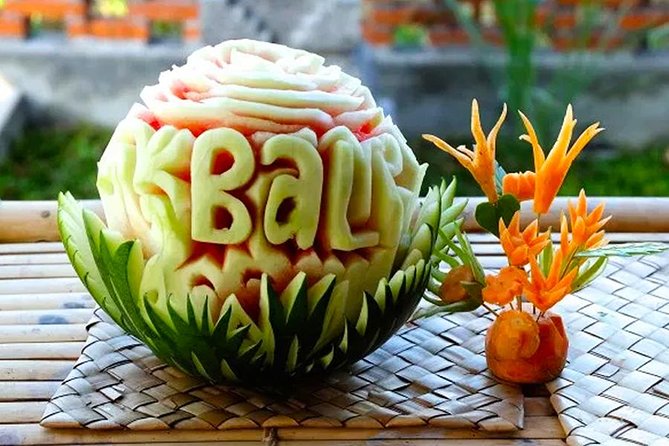
Fruit becomes art in the quiet of Lodtunduh. In this small-group fruit carving class, you’ll learn how to shape real fruit—like watermelon and papaya—into flowers, animals, and even your name, with an instructor guiding you step by step. It also feels extra peaceful thanks to the rice-field view outside the studio, and you’ll wrap up with a snack and a certificate.
What I like most is that you aren’t just watching. You’re practicing the technique with all materials and equipment provided, so you can focus on getting your cuts right instead of hunting supplies. I also love the hands-on mix of creativity and food—plus the included welcome drink, traditional snack, and certificate make it feel like a complete experience, not a quick demo.
One thing to keep in mind: fruit carving takes patience and precision. If you prefer fast, low-effort activities, this may feel more like careful craft time than sightseeing.
In This Review
- Quick hits
- Fruit carving in Lodtunduh: calm practice with a real view
- Inside the 2-hour class: from first cuts to a finished design
- What you’ll carve: flowers, animals, and names on fruit
- Value check: why $39 feels fair (and when it won’t)
- The Lodtunduh studio: more than just one craft room
- Who should book this (and who might skip it)
- Book it or pass? My practical recommendation
- FAQ
- Where is the fruit carving class meeting point?
- What time does the class start?
- How long is the class?
- How big is the group?
- What ages can participate?
- What can I carve?
- What’s included in the price?
- Is transport included?
- Is the ticket mobile?
- Is there a refund if I cancel?
Quick hits
- Max 10 people in a focused, small-group class
- All carving materials and equipment included, so you arrive ready
- Carve flowers, insects/animals, and names on fruit like watermelon and papaya
- Enjoy a welcome drink and a traditional snack during the session
- Studio setting in Lodtunduh, Ubud, with a calming view of rice fields
- You leave with a certificate (yes, even for fun)
Fruit carving in Lodtunduh: calm practice with a real view
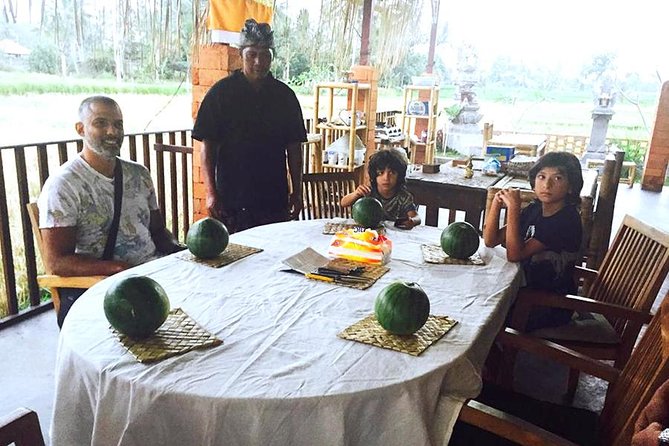
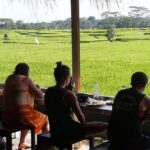
Bali has plenty of craft stops, but this one is different because the “canvas” is edible. You’re in Lodtunduh near Ubud, where the pacing tends to feel slower and more grounded. In one review, people called out the calming outlook of the rice fields, and that matters. It turns the class from skill training into an actual break from motion.
The studio meet-up is simple to find: WS Art Studio Balinese Handicrafts, with the address in Lodtunduh, Ubud (Gianyar Regency), Bali. If you’ve already got Ubud plans, this is a nice add-on that doesn’t demand a long ride across the island. Also, the class is designed for a wide range of ages—4 to 65—so it’s not only for craft pros.
And while you’re learning something delicate, it still feels playful. Fruit carving is one of those skills where you get results without needing years of training—because the instructor shows you the method and then you repeat it, carefully, until your shapes start to look like something.
A few more Bali tours and experiences worth a look

Inside the 2-hour class: from first cuts to a finished design
The class runs for about 2 hours, starting at 10:00 am at the WS Art Studio in Lodtunduh. Your ticket is mobile, and the activity ends back at the meeting point, so you’re not dealing with a complicated route puzzle after you’re finished.
Here’s the flow you can expect once you arrive:
First, you’ll be welcomed and given a welcome drink and a traditional snack. This isn’t just a perk. It sets the tone—this is meant to be a relaxed morning class where you can slow down enough to do precise cuts.
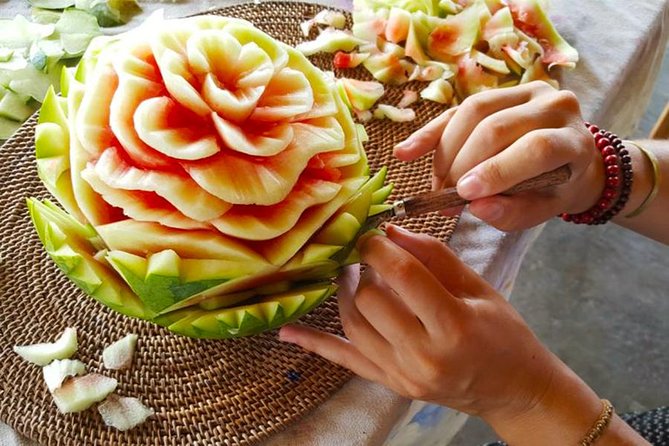
Next comes the instruction. Your teacher shows you how the carving technique works, and you practice what you learn. The class covers turning fruits into shapes you can recognize right away: things like flowers and animals. The goal isn’t perfection. It’s learning the steps well enough that your carving starts to make sense.
Then you apply the technique to your chosen design. Some people go with something classic like a flower. Others choose a more playful subject like an insect or animal. And yes—you can even try carving a name on fruit such as watermelon or papaya.
Finally, you wrap up with a certificate. That sounds small, but it’s a nice touch for a hands-on class—proof you took the time to learn rather than just pass through.
Practical tip: this is a precision craft. Give yourself mental patience before you start. Even if your first attempts look a little rough, that’s part of how you learn.
What you’ll carve: flowers, animals, and names on fruit
The fun here is how many options you get without needing any prior skill. The class is built around carving into familiar fruits, including watermelon and papaya, plus other fruit like melons and even carrots in the carving practice.
You’re taught to carve patterns such as:
- Flowers (a great choice because petals and layers guide your cuts)
- Animals (more detail work, but still guided)
- Names on fruit like watermelon or papaya (a crowd-pleaser and a memorable souvenir idea)
The class description stresses patience and precision, and that lines up with how carving actually works. Fruit carving is less about force and more about control—shaping edges, keeping lines clean, and learning how to remove sections without tearing the fruit.
I like that the instructor focuses on technique, not just finished examples. It means you’re not stuck copying one exact design. You’re learning the method so you can create something that feels personal—especially if you choose a name.
Also, if you’re traveling with kids or you’re not sure you’ll stick with the craft, fruit carving is a good middle ground. It’s visual fast. You can see progress as the design takes shape, and the final piece is edible art.
Value check: why $39 feels fair (and when it won’t)
At $39 per person, this class is priced like a practical, straightforward Bali workshop. What makes the value feel real is what’s included.
You get:
- Equipment and materials (so you don’t need to purchase tools)
- A welcome drink
- A traditional snack
- A certificate
- The instructor-led carving practice
Not included is mainly what you’d expect: transport service, personal expenses, and insurance. The big thing for your planning is transport. The class doesn’t hand you a car door-to-door, so you’ll want to arrange how you get to Lodtunduh and back.
Where the money really makes sense is if you want:
- A hands-on activity (not just watching)
- Something in the morning that resets your day
- A small-group setting where you’re more likely to get direct attention
If you only want a photo-op or you hate careful tasks, then $39 may feel like more time than you want to spend. But if you enjoy craft, food, and slow creative focus, it’s a good use of two hours.
The Lodtunduh studio: more than just one craft room
One surprise in the reviews: people noted that the place also offers other crafts such as wood carving and jewelry craft. That doesn’t mean you’ll do those activities in this class. But it suggests the studio environment is built for making things, not just teaching one quick workshop.
The studio is also described as having a calm setting with rice-field views. That matters because you’ll be sitting and working for the better part of the session. A pleasant setting makes the practice feel easier, and it turns the morning into a mini escape.
If you’re the type who likes to browse when you’re waiting, this kind of studio can be enjoyable beyond the exact class. Just remember: in this experience, your main job is the fruit carving.






Who should book this (and who might skip it)
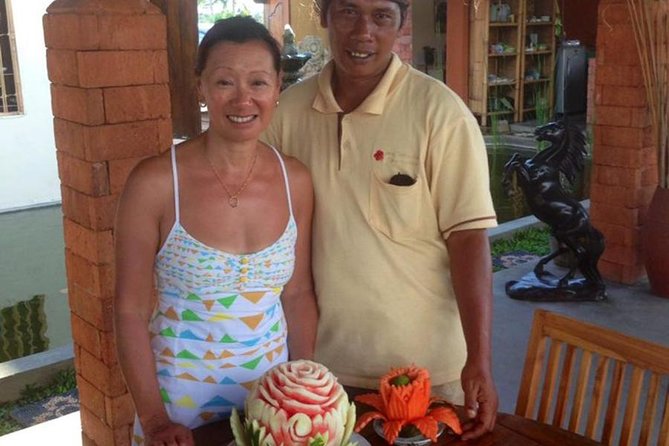
This class is built for a wide age range—4 to 65—and the activity notes that most travelers can participate. That tells me it’s not only for art students. It’s for curious people who are okay with learning a new skill and working at a careful pace.
This is a great match if you:
- Want a creative activity that’s still snack-friendly and fun
- Prefer a small group (max 10) over crowded tours
- Like calm mornings with a view, not intense schedule pressure
- Want something you can look at later and say, I made that
I’d think twice if you:
- Need something ultra-fast and minimal-thinking
- Don’t like precision tasks (carving is not the type of craft where you rush)
- Don’t want to spend two hours on a single hands-on project
Book it or pass? My practical recommendation
If you’re in Ubud and you want a break that feels different from temples and traffic, I’d book it. The combination of hands-on carving, included materials, and the rice-field calm makes this more than a quick activity. Plus, the small-group size (up to 10) helps it feel personal.
Book this class if you’re even a little curious about making fruit look like flowers, animals, or letters. It’s the kind of skill that sticks in your memory, not because it’s complicated, but because you get to practice and create something you can show.
I’d only skip if you’re short on time or you know precision work won’t be your thing. Otherwise, two hours in Lodtunduh is a sweet, worthwhile way to spend a morning in Bali.
FAQ
Where is the fruit carving class meeting point?
It meets at WS Art Studio Balinese Handicrafts in Lodtunduh, Ubud, Gianyar Regency, Bali 80571, Indonesia (plus code: C7X4+JFP).
What time does the class start?
The start time is 10:00 am.
How long is the class?
Plan on about 2 hours for the class.
How big is the group?
The class has a maximum of 10 travelers, so it stays small.
What ages can participate?
The class is for ages 4 to 65.
What can I carve?
You can carve things like flowers and animals, and you can even carve your name on fruit such as watermelon and papaya (along with other carving practice items like melons and carrots).
What’s included in the price?
Included are a certificate, welcome drink, traditional snack, and the equipment and materials for the class.
Is transport included?
No. Transport service is not included.
Is the ticket mobile?
Yes, it uses a mobile ticket.
Is there a refund if I cancel?
No. The experience is non-refundable and cannot be changed for any reason. If you cancel or request an amendment, the amount paid is not refunded.
More Bali Workshops & Classes

More Bali Reviews & Picks
Still deciding? More Bali days reviewed, from volcano sunrises to island crossings









Workshops, compared.
 ★ 5.0Ubud Cooking Class Bali with Balinese ChefFrom $351,609 reviews
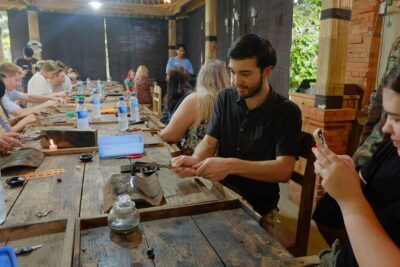 ★ 5.0Ubud Silver Class Jewelry making in baliFrom $36978 reviews
 ★ 5.0PRIVATE Authentic Balinese Cooking Class in Ubud at Putu’s HomeFrom $75644 reviews
 ★ 5.0Balinese Farm Cooking Class by Pemulan BaliFrom $39410 reviews
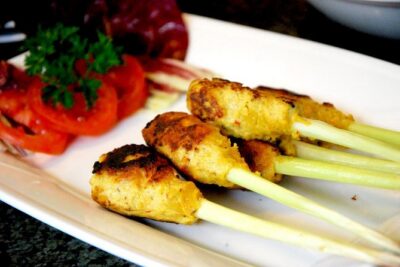 ★ 5.0Balinese Cooking Class in SeminyakFrom $66281 reviews
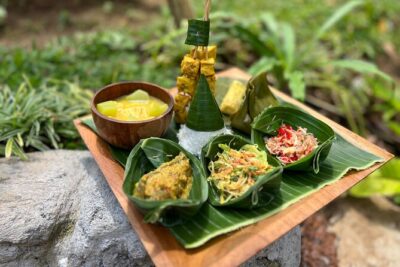 ★ 5.0Balinese Authentic Cooking Class in UbudFrom $39239 reviews
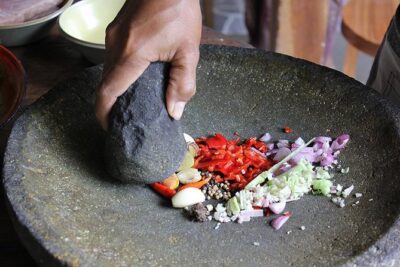 ★ 5.0PRIVATE Balinese Cooking Class in Ubud with Dewa with TransfersFrom $69213 reviews
 ★ 5.0Canggu Scooter LessonsFrom $31195 reviews
Browse the lists this tour appears in