

Reviewed · HOLY SPRINGS & TEMPLE TRAILS
Bali Purification Ritual
A splash of holy water can reset your day. This Tirta Empul purification experience is built around a step-by-step Balinese Hindu ceremony at the temple’s sacred springs, with temple dress, offerings, and a guided explanation of what you’re doing and why it matters. You also get a no-hassle rhythm to the day: door-to-door transfers, a included lunch break, and time to change out of your wet clothes before you head back.
Two things I really like about this experience are the clear, guided flow and the way the ritual is explained as you go. In the best moments, your guide (for example, Wayan in one standout review) keeps you on track so you’re not guessing what comes next, which makes the whole experience feel respectful instead of confusing. I also appreciate that the package covers the practical stuff like the sarong for the temple and the ritual offerings, so you can focus on participating.
One consideration: this isn’t a casual swim. You’ll be in and around sacred springs for about 1–1.5 hours, you’ll need to change after, and women are not allowed to enter the temple during menstruation. Also, the experience depends on good weather, so plan for the possibility of rescheduling if conditions are rough.
In This Review
- Key highlights you’ll actually care about
- Tirta Empul Purification in Ubud: What You’re Participating In
- Pickup, timing, and how the day stays easy
- Dressing for the temple: sarong, wet-change, and respect
- The prayers before purification: how permission and blessing set the tone
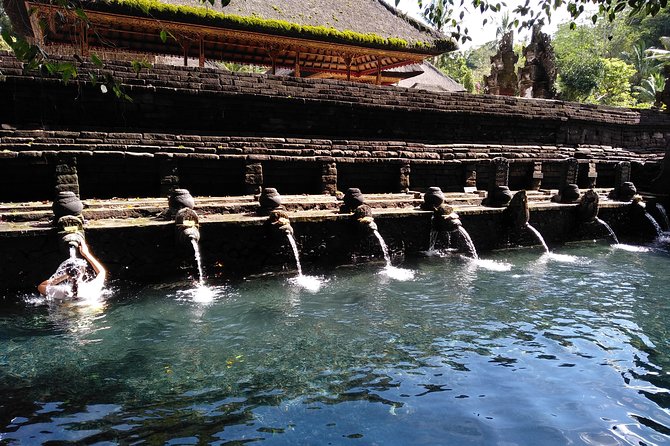
- The sacred springs (1–1.5 hours): what to expect and why it helps
- After the springs: thanks-prayer and the option to take holy water home
- Lunch break: a calmer pocket of time in the middle of ceremony
- Price and value: is $65 fair for what you get?
- Weather and group size: the two things that can affect your comfort
- Who should book this purification ritual (and who should skip it)
- Should you book the Dejulius Tour for Tirta Empul purification?
- FAQ
- What is the duration of the Bali Purification Ritual at Tirta Empul?
- Where does the tour take place?
- What time does pickup usually happen?
- Does the tour include hotel pickup and drop-off?
- What should I bring for the purification ceremony?
- Is lunch included?
- Does the tour provide temple clothing or sarong?
- Can women participate during menstruation?
- How long do you spend in the sacred springs?
- What if weather is bad?
Key highlights you’ll actually care about
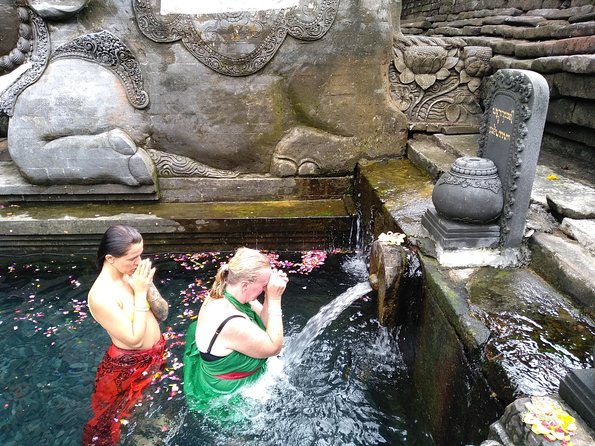
- Guided ceremony steps: you’re walked through the prayers and the purification process so you can follow correctly
- Tirta Empul sacred springs time: the core purification portion lasts about 1–1.5 hours
- Temple dress included: sarong is provided for both entering the temple and the ritual
- Lunch + bottled water: an included Indonesian lunch keeps the day from dragging
- Door-to-door round-trip pickup: you get taken from your hotel and returned around 1:00 pm
Tirta Empul Purification in Ubud: What You’re Participating In
Tirta Empul Temple is one of Bali’s most well-known purification sites, and the reason it draws people (including travelers who aren’t usually into religious rituals) is simple: it’s structured, communal, and tangible. You’re not just watching from the sidelines. You’re participating—wearing the proper temple attire, making offerings as guided, and then entering the sacred water area for the purification part of the ceremony.
What makes it feel meaningful is that it’s not treated like a performance for tourists. Before the springs, you’re guided through prayers for permission and blessing. After the springs, there’s also a thanks-prayer, which gives the experience a beginning, middle, and ending that feel complete. In at least one review, the emotion was described as intense and deep, and I can see why: it’s one of those rare cultural moments where you’re asked to slow down and follow a ritual rhythm.
And even if you’re not trying to get spiritual, you’ll still get something out of it: a real window into Balinese Hindu practice. Bali isn’t just beaches and temples in postcard shape; it’s daily ritual life, with people approaching sacred spaces with care.
More Bali temples and holy-spring blessings



Pickup, timing, and how the day stays easy
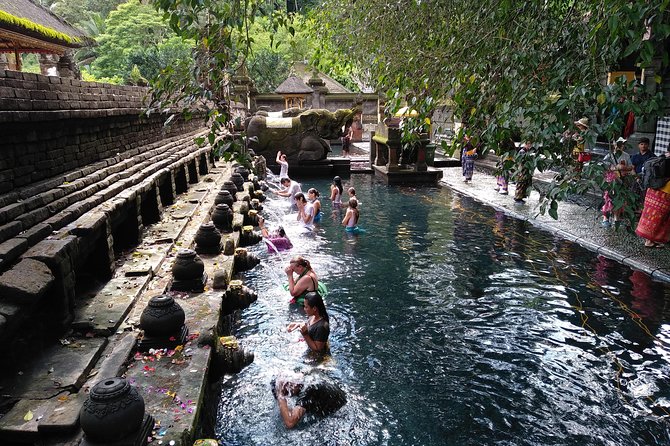
This is a five-hour experience built to fit into a normal Ubud day without stress. Pickup happens in the morning (typically 8:00 am), and the operator is flexible with other start times such as 9:00 am, 11:00 am, 1:00 pm, or 5:00 pm.
Here’s why that matters: Tirta Empul can get busy, and a good start time helps you avoid feeling rushed during the dress-change and prayer portion. The day also works with a practical endpoint—most guests return to their hotel around 1:00 pm after the lunch and the ride back.
The transfers are door-to-door using an air-conditioned vehicle, which is a real quality-of-life upgrade. You’re not trying to coordinate transport, fight traffic, or figure out where to park. If you’re staying around Ubud, this setup keeps your morning focused on the ceremony, not the logistics.
Dressing for the temple: sarong, wet-change, and respect
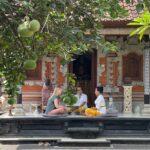
A big part of doing this right is what happens before you ever touch the sacred water. You change into Balinese Hindu temple dress, and the tour provides the sarong you’ll use for the ritual. This matters because you’re stepping into a sacred space with proper attire, not just showing up in whatever you wore that day.
The other practical detail you should plan for: you’ll be getting wet during the purification process and you’ll need to change afterward. Bring a towel and a set of changing clothes. That’s not just comfort—it’s respect and practicality. If you’re uncomfortable in wet clothes, you’ll lose focus on the ritual itself.
Also note the rule that affects planning: women cannot enter the temple during menstruation. If this affects you, you should treat that as a hard constraint, not a grey area. The ceremony requires temple entry permissions that won’t be adjusted for individual situations.
The prayers before purification: how permission and blessing set the tone
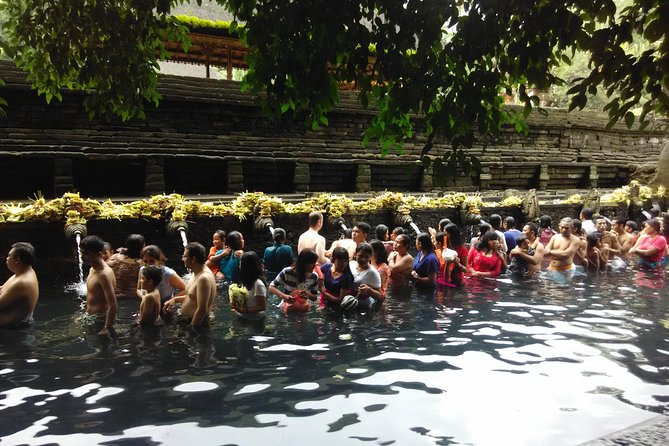
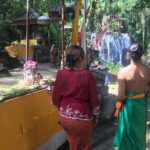
Before the water part starts, you’ll pray and make offerings as guided. One key moment in the flow is the prayer for permission—essentially, asking for blessing so the ceremony can proceed properly. Your guide prepares ritual offerings for you, which is a relief if you’ve never done this type of ceremony before.
I like this approach because it changes how you experience the ritual. Instead of treating it like a tourist checkbox, you’re participating in a sequence of actions that have spiritual intent. Even if you don’t understand every word, the structure communicates respect.
In the better-guided versions (and one review specifically praised Wayan’s explanations), you’re not left to guess. The guide stays close, explains what you should do, and keeps you aligned with the right steps. That guidance makes it easier to focus on your own mindset during the ceremony—calm, attentive, and present.
The sacred springs (1–1.5 hours): what to expect and why it helps
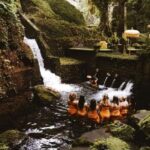
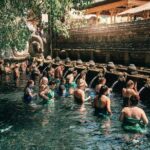
The core of the experience is the purification process, which lasts about 1 to 1.5 hours. During that time you enter the holy water area and follow the ritual steps step by step while your guide explains what’s happening.
The practical reality is this: you’ll be moving through the water in a coordinated way, and you’ll likely be listening for cues. That’s why having a guide who explains the sequence is a big deal. It reduces awkwardness, and it keeps you from accidentally doing the wrong action at the wrong moment.
From a value standpoint, this is one of the tour’s strongest points. The price isn’t only paying for access to a temple. It’s paying for someone to help you participate correctly in a ritual that’s easy to misunderstand on your own. When a guide is strong, the purification time feels purposeful instead of confusing.
One more thing to know: you’re not just “in the water.” The experience includes the full ritual rhythm—prayer, participation, and then stepping back out to change. That keeps the experience from feeling random or like a quick dip.
More yoga, sound healing and Melukat water rites

After the springs: thanks-prayer and the option to take holy water home
After purification, there’s another prayer—this one focused on gratitude for the blessing you received. This closing part matters. It turns the ceremony into something more than the physical water portion.
The tour may also provide the option to take some holy water to your place (or home). That’s a small detail, but it’s also a memorable one: you get a tangible reminder that you participated in a full ceremony, not just watched water splash.
And yes, you’ll change out of your wet dress before lunch. That timing is smart. You don’t want lunch immediately after sitting in wet clothes, and the tour’s flow gives you the chance to reset so the rest of the afternoon feels pleasant.
Lunch break: a calmer pocket of time in the middle of ceremony
You’ll have an included Indonesian lunch after the purification and prayers. Having lunch included is more than convenience; it’s also pacing. Rituals can take energy and attention, and you don’t want to spend that energy searching for food while your body is still adjusting after the water portion.
You also get bottled water. That sounds small, but after time outdoors and time in and around the temple area, it keeps the day comfortable. I like when a tour handles these basic needs because it lets you treat the day like a real experience instead of a scavenger hunt.
Price and value: is $65 fair for what you get?
At $65 per person, the value is best understood by looking at what’s included. You’re paying for:
- Door-to-door round-trip hotel transfers in an air-conditioned vehicle
- Temple dress support (sarong for entering and for purification)
- Hindu ritual offerings provided as part of the ceremony
- Lunch plus bottled water
- All fees and taxes
When you compare that to the cost of handling transport, buying food, and arranging the right ceremony basics yourself, the price starts to make sense. The payment isn’t just getting you into the temple—it’s also covering the guided participation and the items that help you take part in a ritual respectfully.
One more subtle value point: the tour runs with a maximum group size of 25 travelers. That’s not private, but it’s also not a cattle-car situation. Smaller groups tend to mean better guidance and more room to follow the steps without feeling like you’re being dragged along.
Weather and group size: the two things that can affect your comfort
This experience requires good weather. That matters because the purification setup is water-related and happens outdoors or semi-outdoors. If weather is poor, the operator may switch dates or offer a full refund.
Group size can also change how the experience feels. With a cap of 25 travelers, you’ll likely be in shared space with others. That’s normal for a popular temple site, but if you’re the type who prefers quiet, private attention, you might find the group setting a little less serene than a solo visit.
Still, the ceremony format itself is communal. Even on your own, you’ll likely feel like you’re part of a shared action rather than a solitary spiritual moment—and that can be a plus if you like observing how Bali practices faith in public.
Who should book this purification ritual (and who should skip it)
This tour is a great fit if you want a structured, guided cultural experience in Ubud where you participate rather than just look around. You’ll enjoy it most if you like clear instructions, respect temple rules, and appreciate learning how Balinese Hindu ritual works in real time.
You might want to skip it if:
- You need strict private access or you get uncomfortable in small groups
- You’re affected by the menstruation restriction (temple entry isn’t permitted)
- You’re not prepared to get wet and then change clothes afterward
- Weather conditions could be a problem on the day you’re traveling
If you’re okay with those factors, you’ll likely find it memorable because it’s practical, guided, and genuinely part of local ritual life—not just a photo stop.
Should you book the Dejulius Tour for Tirta Empul purification?
If you’re looking for the kind of Bali experience that feels grounded in real practice—complete with temple attire, offerings, prayers, and guided steps—this is a strong choice. The best part is the guidance: when your guide explains what you’re doing, the 1–1.5 hour purification portion stops feeling awkward and starts feeling intentional. Reviews calling out Wayan’s explanations are a good sign that the operator prioritizes the ritual experience, not just transport.
On the other hand, if you’re hoping for a lightweight cultural walk with minimal rules, this won’t match your expectations. It’s a real ceremony with real temple boundaries and clear participation steps.
My practical take: book it if you can show up on time, bring a towel and changing clothes, and respect the temple rules. It’s one of those days where the details you prepare for are exactly what make the experience click.
FAQ
What is the duration of the Bali Purification Ritual at Tirta Empul?
The experience runs about 5 hours, including pickup, the ceremony, lunch, and the ride back.
Where does the tour take place?
It takes place in Ubud, Indonesia, at Tirta Empul Temple (holy spring temple).
What time does pickup usually happen?
Pickup typically starts at 8:00 am, though other pickup times are available such as 9:00 am, 11:00 am, 1:00 pm, or 5:00 pm.
Does the tour include hotel pickup and drop-off?
Yes. Door-to-door round-trip transfers are included, using an air-conditioned vehicle.
What should I bring for the purification ceremony?
Bring changing clothes and a towel, since you’ll participate in the ritual and get wet.
Is lunch included?
Yes. Lunch is included, along with bottled water.
Does the tour provide temple clothing or sarong?
Yes. Sarong is provided for the temple and for the purification ritual.
Can women participate during menstruation?
No. The tour notes it is not possible for women during menstruation because in Bali it is not allowed to enter the temple.
How long do you spend in the sacred springs?
The purification process is about 1 to 1.5 hours.
What if weather is bad?
The tour requires good weather. If it’s canceled due to poor weather, you’ll be offered a different date or a full refund.
More Bali Reviews & Picks



More Yoga, Healing & Melukat Rites
More Temples & Holy Springs


Still deciding? More Bali days reviewed, from volcano sunrises to island crossings









Holy Springs & Temple Trails, compared.
 ★ 5.0Ubud: Monkey Forest, Jungle Swing, Rice Terrace, and Water TempleFrom $317,160 reviews
 ★ 5.0Full-Day Tour to Water Temples and UNESCO Rice Terraces in BaliFrom $392,539 reviews
 ★ 5.0Bali Instagram: Gate of Heaven Temple TourFrom $85737 reviews
 ★ 5.0Ubud Tour with Monkey Forest Waterfalls Temples and MoreFrom $30495 reviews
 ★ 5.0Uluwatu Temple Entry and Kecak Fire Dance TicketFrom $29479 reviews
 ★ 5.0Ubud Top Attractions: Waterfalls, Temples and Rice TerracesFrom $39460 reviews
 ★ 5.0Private Tour: Uluwatu Temple & Southern Bali HighlightsFrom $45387 reviews
 ★ 5.0Private Tour Bali Beaches and Uluwatu Temple with DinnerFrom $48363 reviews
Browse the lists this tour appears in