
Reviewed · HOLY SPRINGS & TEMPLE TRAILS
Bali UNESCO Sites: Water Temples and Jatiluwih Rice Terrace Tour
Bali in one long, photogenic day is the plan. What makes this tour interesting is the mix of UNESCO water temples and the working rice landscape of Jatiluwih, taught through the stories behind Bali’s irrigation culture. I love the hands-on feel of a private driver-guide and how the day connects temple visits to the subak system that shapes farming here.
My other favorite part is the pacing options. You get the main hits—Taman Ayun, Ulun Danu Bratan, Jatiluwih, and Tanah Lot—plus time-permits add-ons, so you can keep it tight or add extra stops. One consideration: with a full day and optional extras, the “if time permits” section can make the schedule feel busy, so you’ll want your driver-guide to prioritize your must-sees early.
In This Review
- Key things that make this tour work
- Why Bali’s UNESCO water temples and Jatiluwih fit together
- The day plan and how to think about timing (8:30 start, ~9.5 hours)
- Stop 1: Taman Ayun Temple in its royal water-garden setting
- Stop 2: Ulun Danu Bratan Temple, the water-temple icon
- Stop 3: Jatiluwih rice terraces and the working meaning of UNESCO subak
- Stop 4: Tanah Lot for the coast and sunset-style views
- The optional add-ons: how to choose what fits your day
- What the private format actually changes for you
- Money and value: is $38.18 a good deal?
- Who this tour suits best (and who should adjust expectations)
- Quick planning checklist before you go
- Should you book this Bali UNESCO water temples and Jatiluwih tour?
Key things that make this tour work
- Private pickup and drop-off from Ubud and many south Bali areas, in one AC vehicle
- Four core UNESCO stops with included entry tickets (if you choose the ticket option)
- Subak context so you’re not just sightseeing terraces, you’re learning how the system works
- Tanah Lot timing built for the coast and a sunset-style moment
- Real guide flexibility, with driver-guides like Juli, Mika, Teget, and Gede tailoring the day and answering questions
Why Bali’s UNESCO water temples and Jatiluwih fit together
If you’ve ever wondered why Bali’s temples and rice fields seem linked, this is the day that explains the connection. The UNESCO recognition here isn’t only about pretty buildings. It’s about the human system behind the scenery—how Balinese communities organize irrigation through subak, and how that structure ties into religious practice.
On this tour, you see temples that directly reference water and water worship, then you move into Jatiluwih’s vast working terraces where water management is everything. That’s the value: you’re not jumping between unrelated “top attractions.” You’re following a theme.
And since this is private, your driver-guide can shift the day around your pace and your questions. One review stood out to me for how seriously the guides took that part: a solo traveler had Juli tailor the route to what they wanted and patiently answered a long list of questions. That kind of attention matters, because Bali days are never just about checking boxes—they’re about getting your bearings and understanding what you’re looking at.
More of West Bali and the Menjangan wild coast

The day plan and how to think about timing (8:30 start, ~9.5 hours)
This tour starts at 8:30 am. Expect about 9 hours 30 minutes total, give or take based on traffic and the pace of photo stops. The tour includes pickup and drop-off from Ubud/Gianyar, Sanur, Kuta/Legian, Seminyak, Canggu, Jimbaran, Nusa Dua, and Denpasar.
Here’s the practical mindset: you’ll want your driver-guide to help you choose which “if time permits” extras are worth your limited daylight. The first three stops are more forgiving for timing (temples and terraces). Tanah Lot is the one where timing matters most, because you’re aiming for the coast and sunset-style views.
Stop 1: Taman Ayun Temple in its royal water-garden setting
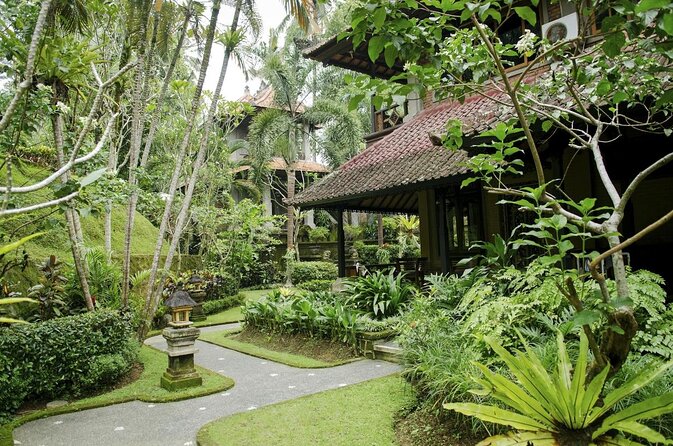
Taman Ayun Temple is a 17th-century temple known for a majestic pagoda-like shrine and lush green gardens. The big draw is the setting—this place feels designed for calm, not crowds. You arrive early enough that you’re more likely to enjoy the grounds without the day feeling chaotic.
What I like about starting here: it gives you context for how temples work in Bali. This isn’t just a monument; it’s a living spiritual site with architecture and landscaping that help control the mood—water, shade, and symmetry do a lot of the work.
What you should watch for: photo angles. The grounds and layered structures can be tricky if you arrive rushing. Give yourself a couple of minutes to step back and see how the shrine sits against the garden background. A good driver-guide will help you find workable spots for pictures without turning the visit into a sprint.
Potential drawback: because this is a “beautiful and garden-focused” stop, you’ll want a little patience. If you’re the type who wants only fast photo stops, Taman Ayun may feel slower than you expected.
Stop 2: Ulun Danu Bratan Temple, the water-temple icon
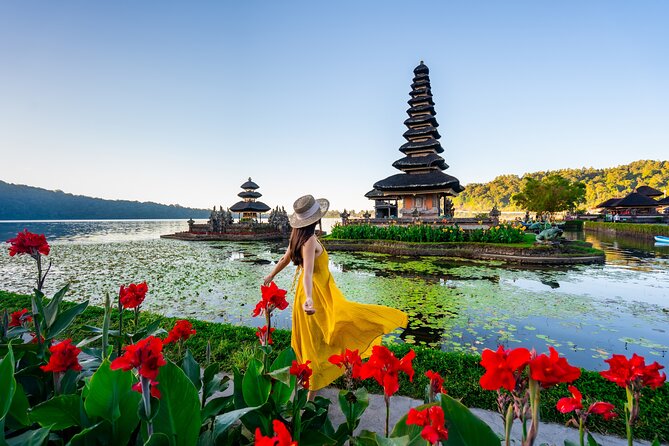
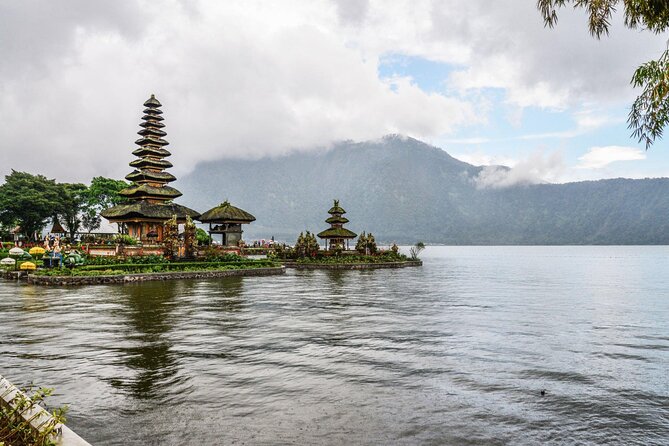
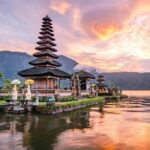
Ulun Danu Bratan (often written as Ulun Danu Beratan) is the iconic one that looks like it’s part of the lake. The temple worships the lake goddess, Dewi Danu, and the setting makes it feel like the whole site is floating on water.
This stop is where the theme clicks. You’re seeing religious practice tied to water sources. The lake isn’t just scenery—it’s the reason the temple is there.
Photo tip that actually helps: plan for changing light. Lake views can flip from bright to hazy quickly, and the angle of the temple changes as you move around. If your guide is on it, they’ll suggest where to stand so you get the temple and water in the same frame instead of only the shoreline.
Time-wise, the visit here is about 1 hour, with admission ticket included (if you selected the ticket option). One hour is usually enough if you don’t try to cram every possible angle into one spot.
Stop 3: Jatiluwih rice terraces and the working meaning of UNESCO subak
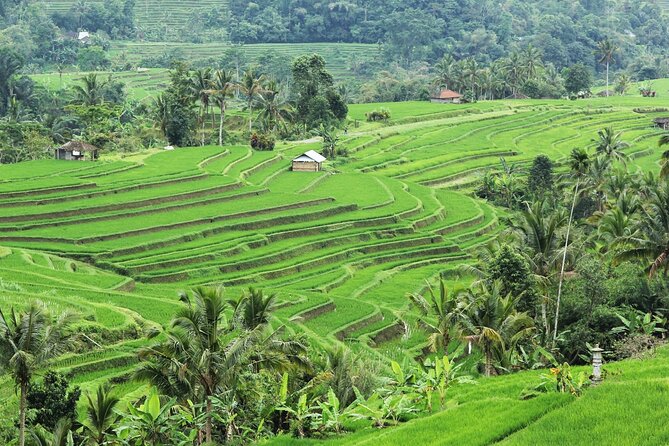
Then comes the main event for many people: Jatiluwih Green Land, with rolling hillside paddies and UNESCO heritage status tied to the subak irrigation system. This is one of the most expansive terrace views in Bali, and the scale is the point.
You’ll spend about 1 hour here. That can sound short, but for terraces, it depends how you walk it. The best use of your time is to pace yourself. Don’t sprint to the biggest view first. Walk a bit, find a comfortable spot to take in the pattern, then move to a second angle for variety.
Why this stop is more valuable than it looks on Instagram: when you connect the terraces to the irrigation tradition, you start noticing things you’d otherwise miss—how the system shapes the grid of water, how the terraces step down, and why temple culture and farm culture share the same sacred logic.
In at least a couple of the guides’ styles, I noticed a pattern: they explained the “why,” not just the “what.” One review called out Teget as patient and knowledgeable about the history of the visited spots, and that kind of storytelling is exactly what turns Jatiluwih from a photo stop into a real learning moment.
Potential drawback: Jatiluwih can involve walking on uneven paths. The tour is private and your guide can help manage pace, but you should still wear solid shoes and plan for a bit of footwork.
More rice-terrace mornings at Tegalalang and Jatiluwih





Stop 4: Tanah Lot for the coast and sunset-style views
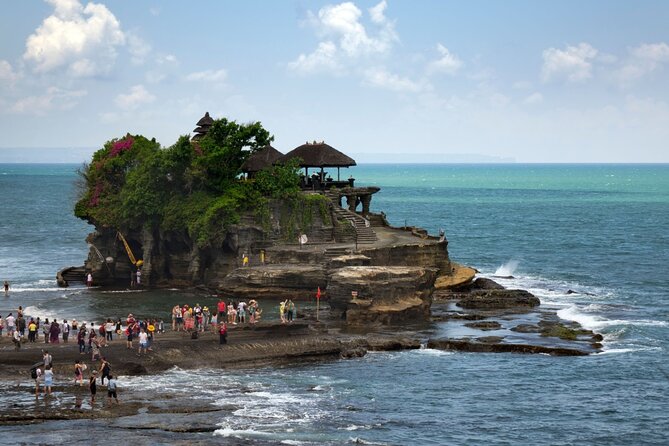
Tanah Lot is the sea-temple moment. The shrine sits on a rocky islet off Bali’s southeast coast, and it’s one of the best places on the island for sunset views. You get about 1 hour 30 minutes here, which is helpful—this is where you’ll want time for both photos and just standing there for a minute.
What makes Tanah Lot special for this tour: it’s the payoff after the water theme. Earlier you saw water as irrigation and worship. Here, water is ocean drama, with the temple silhouetted against the horizon when conditions cooperate.
Practical advice: bring patience and flexibility. The coast is weather-dependent, and light can change fast. If you’re chasing specific photo setups, coordinate early with your driver-guide so you’re not last-minute running for a perfect angle.
The optional add-ons: how to choose what fits your day
The itinerary includes a long list of possible “if time permits” stops. That’s both a strength and a trap, so your strategy matters.
Here are examples of add-on types the day may include:
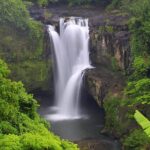
- A hidden waterfall stop with a narrow stream into a shallow pool
- A museum preserving the popular Balinese tradition of ogoh-ogoh
- Extra lake or caldera views around Baturiti near Ulun Danu Bratan
- Iconic Instagram-style photo spots
- Big waterfall options (including a cliff cascade with a tiny gap)
- Hot springs stops with a scenic tropical setting and traditional charm
- Sekumpul village waterfall area with three different waterfalls
- Butterfly park and insect preservation, plus a botanical escape with tropical flowering plants
- Rice terrace and mountain viewpoints
- A surfer-focused beach break
- A quieter temple setting featuring a giant sleeping Buddha
- A temple complex with distinctive architecture
- Public/private pool hot springs options
- A beach or other nature break, depending on time and routing
How you should decide:
- If you love photos and variety, pick one nature category: either waterfalls or hot springs. Don’t try to do all of them.
- If you care most about the UNESCO story, prioritize the main four stops and treat add-ons as bonuses.
- Ask your driver-guide to rank options by time and closeness. In a private tour, this is where your guide can genuinely help you spend daylight wisely, like the best reviews describe—friendly, flexible, and ready with suggestions for photo spots and answers.
One more thing: because the add-ons are conditional, don’t assume you’ll get every one listed. The smart move is to tell your guide what you want most, then let them choose from the remaining options that fit the schedule.
What the private format actually changes for you
Private tours can feel like a marketing phrase, but in Bali it changes the day in real ways.
First, you’re not stuck with rigid public-transport timing. You can linger at a temple entrance for photos, then move on at your pace. Second, your guide can interpret what you’re seeing. Reviews highlight this directly: people praised guides like Juli and Gede for answering questions, staying friendly, and helping find good picture locations.
Third, your transport reduces friction. The tour includes pickup and drop-off across a wide list of towns, plus parking fees and bottled water. That matters because Bali traffic and parking can eat time fast if you’re figuring it out yourself.
If you’re traveling solo, this format is especially useful. One review specifically flagged solo-friendliness and that the guide tailored the trip rather than treating it like a problem to solve. If you’re with friends or family, it’s equally handy because you can split your priorities—someone wants more walking, someone wants shorter stops, and your guide can usually manage it.
Money and value: is $38.18 a good deal?
At $38.18 per person, this tour lands in the value zone for a day that includes multiple major sites and a private vehicle. The pricing can feel surprising at first, so here’s how I’d judge value without overthinking it.
What you’re paying for:
- A private air-conditioned vehicle
- Pickup and drop-off across multiple areas
- An English-speaking driver-guide who also drives
- Admission tickets included if you choose the ticket option
- Bottled water and parking fees
What you’re not paying for:
- Food and beverages (you’ll buy what you want)
- Gratuities (optional)
- Any upgrades beyond the ticket choice
So the real question is not only the dollar amount. It’s whether you’d spend less money trying to do this on your own while also losing time, dealing with logistics, and missing the cultural explanations. For most people, the private format plus included admissions (with the ticket option) is where the value comes from.
If you’re a careful planner with your own transport, it might be possible to DIY. But if you want the water-temple story connected to the UNESCO subak system, paying for a guide is often the cheapest way to get smarter fast.
Who this tour suits best (and who should adjust expectations)
This tour is ideal if you want:
- A focused day that hits Bali’s UNESCO highlights without hopping between random stops
- To understand the role of water, irrigation, and Hindu worship in shaping what you see
- A private driver-guide who can tailor the day, like Juli or Gede described in reviews
It may not be perfect if you:
- Hate a packed schedule and prefer slow, neighborhood-style days
- Want only one or two attractions and lots of free time
- Expect the add-ons to be guaranteed (they’re listed as if time permits)
If you want the best results, treat the main four stops as your foundation, then decide on one add-on category. That keeps the day enjoyable instead of exhausting.
Quick planning checklist before you go
- Wear comfortable shoes for terrace paths and temple grounds
- Bring light rain protection if the sky looks unsure
- Pack a good camera strap and keep water handy (bottled water is provided)
- Decide your top priority: photos, learning, waterfalls, or hot springs
- Tell your driver-guide early so they can route the day efficiently
Should you book this Bali UNESCO water temples and Jatiluwih tour?
I’d book it if you want a single-day plan that actually connects the dots between Bali’s water worship and how rice farming works. The private format makes the day smoother, and the guides’ approach—patient, friendly, and willing to tailor—turns the trip from scenic to meaningful.
Skip it (or adjust expectations) if you hate full itineraries or if you’re hoping every “if time permits” stop will happen. Instead, go in with a clear plan: lock in the four core UNESCO stops, then treat extras like bonus points.
If you want a day that’s structured, themed, and easy to enjoy, this is a strong bet.
More Temples & Holy Springs



More Rice-Terrace Mornings
More of West Bali & Menjangan

Still deciding? More Bali days reviewed, from volcano sunrises to island crossings








Holy Springs & Temple Trails, compared.
 ★ 5.0Ubud: Monkey Forest, Jungle Swing, Rice Terrace, and Water TempleFrom $317,160 reviews
 ★ 5.0Full-Day Tour to Water Temples and UNESCO Rice Terraces in BaliFrom $392,539 reviews
 ★ 5.0Bali Instagram: Gate of Heaven Temple TourFrom $85737 reviews
 ★ 5.0Ubud Tour with Monkey Forest Waterfalls Temples and MoreFrom $30495 reviews
 ★ 5.0Uluwatu Temple Entry and Kecak Fire Dance TicketFrom $29479 reviews
 ★ 5.0Ubud Top Attractions: Waterfalls, Temples and Rice TerracesFrom $39460 reviews
 ★ 5.0Private Tour: Uluwatu Temple & Southern Bali HighlightsFrom $45387 reviews
 ★ 5.0Private Tour Bali Beaches and Uluwatu Temple with DinnerFrom $48363 reviews
Browse the lists this tour appears in