
Reviewed · WORKSHOPS
Canggu Motorbike Lessons
Manual bikes in Bali can feel scary at first.
This Canggu Motorbike Lessons session turns that fear into basic control, starting on a quiet village street in the Canggu/Seminyak area and moving forward only when you can handle it. Two things I really like: the training is built around clear progression (theory first, then skills), and you get safety help from the start with knee and elbow protectors included.
Here’s the key consideration before you book: this is a manual motorbike lesson, not a scooter lesson, and you need scooter-riding experience plus a valid license. If you meet those basics, you’ll get a practical confidence boost that’s hard to copy on your own.
In This Review
- Key things to know before you book
- Manual Motorbike Lessons in Canggu: Who This Fits
- Where You Start: Meeting Point and the First Expectations
- The Training Flow: Theory, Clutch, Gears, and Hill Starts
- Theory that actually helps you ride
- The core drills: clutch, gears, and smooth control
- Hill starts and emergency braking
- Only after you’re confident: street riding
- Safety Gear and Comfort: What’s Included (and Why It Matters)
- Value and Price: What $35 Buys You in Real Terms
- Instructors and Confidence: What the Best Lessons Actually Do
- Logistics You Should Plan for (Without the Guesswork)
- What You’ll Be Able to Do After 2 Hours
- Price, Suitability, and the Best Way to Decide
- FAQ
- Is this lesson for a motorbike or a scooter?
- Do I need scooter experience before taking this class?
- Where is the meeting point?
- What time does the lesson start?
- How long is the motorbike lesson?
- Is it private or shared with other people?
- What is included in the price?
- What do I need to bring or arrange?
- Is there a weather requirement?
- Can I cancel and get a full refund?
Key things to know before you book
- It’s a manual motorbike lesson: You practice clutch and gears, not just scooter throttle control.
- You don’t hit busy roads right away: You learn fundamentals first, then ride on a street only once you’re confident.
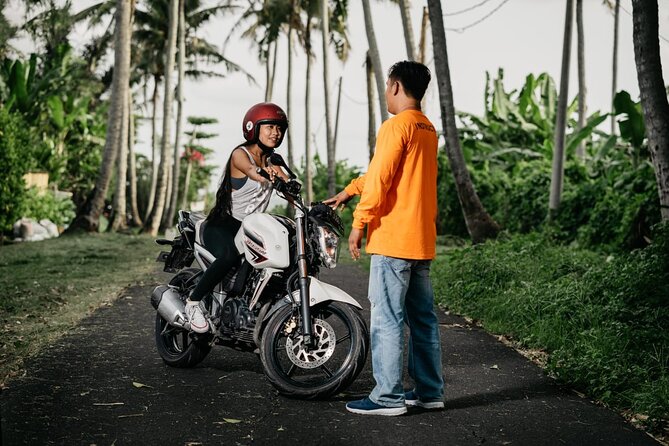
- Protectors are included: Helmet, knee pads, and elbow guards are part of the package.
- Break time is allowed: If you need to reset between drills, you can.
- It’s a private lesson format: Only your group participates, which usually makes practice time feel focused.
Manual Motorbike Lessons in Canggu: Who This Fits
This lesson is built for you if you already know how to ride a scooter and want to level up to a manual motorbike. Bali roads reward confidence, smooth starts, and good control. The fastest way to learn those is hands-on practice with an instructor who can correct your timing.
It also fits you if you want to move at a calmer pace than you’d get from rent-and-figure-it-out. The structure matters: you begin with understanding what the bike is doing, then you drill the core skills until you’re ready to roll out on a road.
The not-for-everyone part is the requirement. You’ll need a valid license, and you should arrive with scooter experience. If you’re truly brand-new to two-wheelers, you may struggle from the start, because the lesson expects you can already handle balancing and basic scooter riding.
A few more Bali tours and experiences worth a look


Where You Start: Meeting Point and the First Expectations
The meeting point is at C.S.L Meeting Point, 94GX+FX7, Canggu, Kuta Utara, Badung Regency, Bali 80351. The session starts at 9:00 am and ends back at the same location.
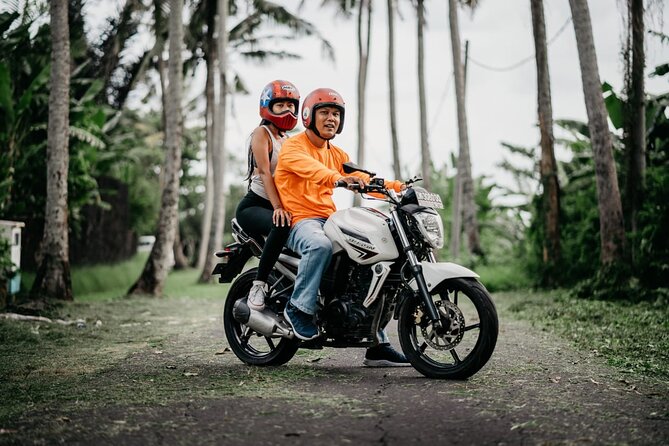
The location is described as a quiet village street, which is exactly what you want on day one. You’re not trying to learn clutch timing while traffic presses in. Instead, you get a calmer place to learn coordination: left-hand clutch control, gear changes, and how the bike responds.
This also means your first minutes are mostly about getting oriented. You’ll be using the provided bike and helmet, and you’ll get your theory foundation before you start practicing the basics.
The Training Flow: Theory, Clutch, Gears, and Hill Starts
The lesson is roughly 2 hours. It’s a private session, so you’re not waiting your turn or guessing which skill your instructor means. The flow is consistent and practical:
Theory that actually helps you ride
You start with a theory portion about how the motorbike works and what the main controls do. This matters because manual riding is not just physical. If you understand the purpose of the clutch and how gears change engine behavior, you’ll correct mistakes faster.
In plain terms: theory gives you a map. Without that map, your brain tends to treat every jerk or stall as random. With it, you can adjust.
The core drills: clutch, gears, and smooth control
After theory, you move into basics that include the clutch and gears. You’ll work on the motions until they feel less like choreography and more like muscle memory.
This is where you build the habits that keep you from panicking later. Manual riding often goes wrong when you’re trying too hard to force speed. The lesson aims for control first, smooth transitions second.



Hill starts and emergency braking
Next comes two skills that make Bali riding feel less intimidating: hill starts and emergency breaking practice.
Hill starts are where a lot of new manual riders lose confidence. You’re learning how to start without rolling backward. That skill helps you approach slopes with less stress and more control.
Emergency breaking practice is about safety and reaction. Even if you never need it, practicing the braking mechanics builds trust in your ability to stop decisively.
Only after you’re confident: street riding
The lesson ends with a step onto a street, but only after you’re completely confident with the basics. That rule is important. It keeps the session from becoming “learn by getting scared.”
You’ll also be able to take breaks. That may sound minor, but for most learners it’s the difference between improving through repetition and freezing from exhaustion or anxiety.
Safety Gear and Comfort: What’s Included (and Why It Matters)
You get a set of gear built for real practice: motorbike and helmet, plus bottled water and knee & elbow protectors. That’s a solid package because it covers the equipment side without you needing to hunt for rentals right before your lesson.
The protectors matter most during early attempts. Learning clutch and gears can create clumsy moments. Having knee and elbow coverage reduces that “one wrong move ends the day” feeling.
Water also helps. A 2-hour training session is physical and mentally demanding. Staying hydrated keeps you calmer and more consistent when you return to drills.
One more practical detail: you don’t need your own transport for the activity itself because the session meets at a set point, but private transportation is not included. So plan your way to the 9:00 am start time on your own.
Value and Price: What $35 Buys You in Real Terms
At $35.00 per person for about 2 hours, the value comes from what’s included and what’s trained.
You’re paying for:
- a hands-on manual riding lesson
- the motorbike and helmet
- knee and elbow protectors
- bottled water
- private instruction for your group
The big thing is that you’re not just learning theory. You’re learning the motions that keep the bike moving smoothly and stopping safely.
Also, the fact that it’s often booked about 5 days in advance suggests people find this useful enough to plan around it. If you wait too long, you may have fewer options for a 9:00 am slot.
If you’re already comfortable on a scooter, this lesson is a focused way to upgrade. If you aren’t, it’s still possible to learn, but the requirement makes it more “learn manual with support” than “teach from zero.”
Instructors and Confidence: What the Best Lessons Actually Do
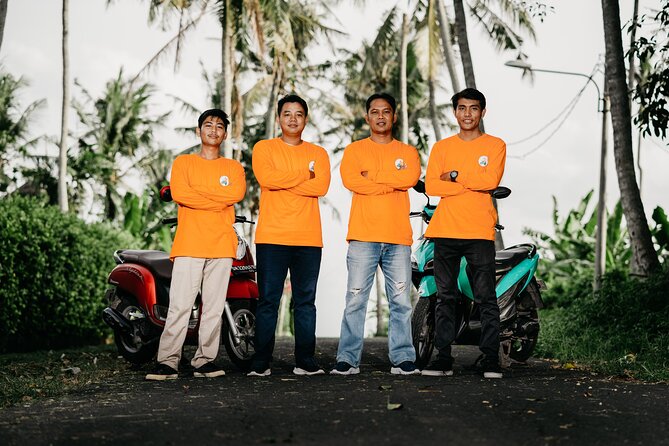
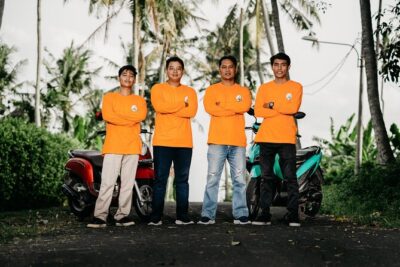
The strongest pattern from feedback is that instructors help you build confidence, not just teach steps. People have specifically praised instructors like Rico, Dino, and Gede for calm coaching and for slowing down when needed.
- Rico gets credit for helping learners feel comfortable tackling Bali roads safely after two lessons.
- Dino is highlighted for reassurance, including helping someone return to riding after time away due to an accident.
- Gede is noted for helping riders overcome fear and for teaching in a simple way that feels easy to understand.
You can think of this as a coaching style advantage. When you’re learning manual riding, your biggest obstacle isn’t always technique. It’s hesitation: fear of stalling, fear of rolling backward on a hill, fear of making mistakes in traffic. The best instructors reduce that fear by teaching at the right pace and explaining what to do when things go wrong.
That’s also why the session’s structure matters: you practice basics until confident, then you ride on a street. This isn’t just a safety rule. It’s a confidence strategy.
Logistics You Should Plan for (Without the Guesswork)
This is a private tour/activity, so only your group participates. That usually means you get more direct attention and more practice time per person.
You’ll receive confirmation at booking time, and the session requires good weather. If it gets canceled due to poor weather, you should be offered a different date or a full refund.
Another requirement to take seriously: you should have a valid license. That’s not a technical detail—it’s part of whether the lesson can run at all and whether you’re allowed to ride the bike during training.
Finally, the activity requests moderate physical fitness. That makes sense for manual riding practice, where you’re working your legs and arms repeatedly while focusing on balance and timing.
What You’ll Be Able to Do After 2 Hours
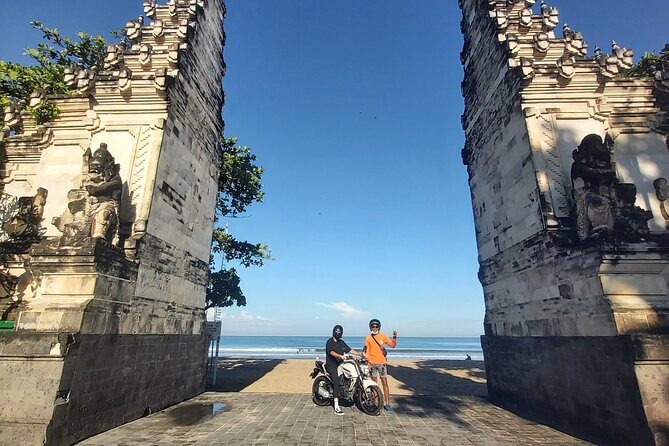
After the full progression—theory, clutch and gear drills, hill starts, emergency breaking, and street riding—you should leave with a clearer sense of how manual control works in the real world.
Most learners take away three big wins:
- You understand what each control does, so mistakes feel fixable.
- You practice the hard parts (starting and stopping with intent), not just the easy parts.
- You build confidence before you’re placed onto a street, which reduces fear and panic.
You may still need more practice after, especially for smooth gear changes at different speeds. But the goal of the lesson is confidence within the session’s 2-hour limit, not perfect mastery on day one.
Price, Suitability, and the Best Way to Decide
Here’s my “should you book it” checklist.
Book it if:
- you already ride a scooter and want to learn manual motorbike basics
- you have a valid license
- you want structured practice, not random self-learning
- you want included gear like helmet and knee and elbow protectors
- you like the idea of moving onto a street only after you’re confident
Skip it (or consider a different option) if:
- you don’t have scooter experience yet
- you don’t have the required license
- you’re not comfortable with the physical demands of repeated practice
- weather is unreliable for your travel window and you can’t be flexible
If you match the requirements, the $35 price starts to look like a bargain. Not because it’s cheap—but because it’s training you can’t really get from a rental alone.
FAQ
Is this lesson for a motorbike or a scooter?
It’s a manual motorbike lesson, not a scooter lesson.
Do I need scooter experience before taking this class?
Yes. The lesson requires you to have experience riding a scooter.
Where is the meeting point?
The meeting point is at C.S.L Meeting Point, 94GX+FX7, Canggu, Kuta Utara, Badung Regency, Bali 80351, Indonesia.
What time does the lesson start?
The start time is 9:00 am.
How long is the motorbike lesson?
It lasts about 2 hours.
Is it private or shared with other people?
It’s private. Only your group participates.
What is included in the price?
Included are the motorbike and helmet, bottled water, and knee and elbow protectors.
What do I need to bring or arrange?
Private transportation is not included, so you’ll need to arrange getting to the meeting point. You should also have a valid license.
Is there a weather requirement?
Yes. The experience requires good weather. If it’s canceled due to poor weather, you’ll be offered a different date or a full refund.
Can I cancel and get a full refund?
Yes. You can cancel up to 24 hours in advance for a full refund.
More Bali Workshops & Classes

More Bali Reviews & Picks
Still deciding? More Bali days reviewed, from volcano sunrises to island crossings









Workshops, compared.
 ★ 5.0Ubud Cooking Class Bali with Balinese ChefFrom $351,609 reviews
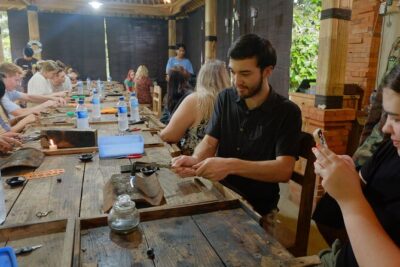 ★ 5.0Ubud Silver Class Jewelry making in baliFrom $36978 reviews
 ★ 5.0PRIVATE Authentic Balinese Cooking Class in Ubud at Putu’s HomeFrom $75644 reviews
 ★ 5.0Balinese Farm Cooking Class by Pemulan BaliFrom $39410 reviews
 ★ 5.0Balinese Cooking Class in SeminyakFrom $66281 reviews
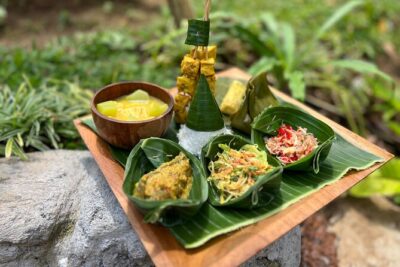 ★ 5.0Balinese Authentic Cooking Class in UbudFrom $39239 reviews
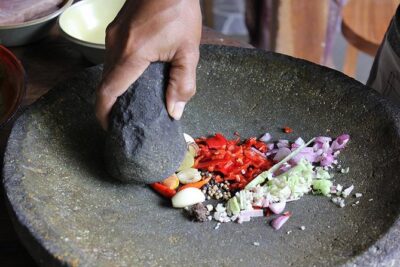 ★ 5.0PRIVATE Balinese Cooking Class in Ubud with Dewa with TransfersFrom $69213 reviews
 ★ 5.0Canggu Scooter LessonsFrom $31195 reviews
Browse the lists this tour appears in