
Reviewed · WORKSHOPS
Kerobokan French Pastry and Bakery class for Adult
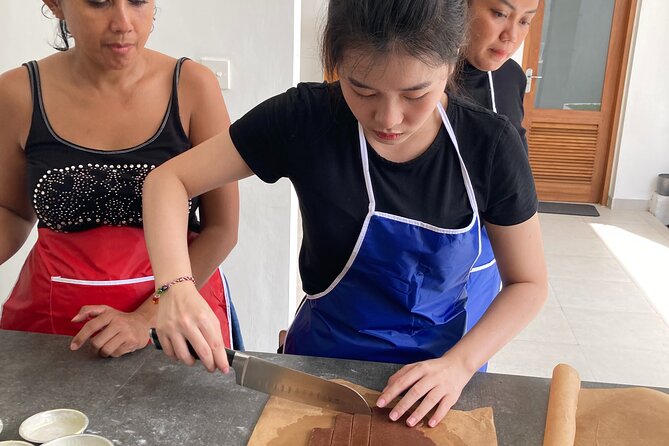
Bali baking, minus the guesswork. This adult French pastry workshop in Kerobokan is built around small groups, so you get real attention while you practice dough, fillings, and decorating—not just watch. I also like the way the class focuses on the techniques and tricks people spend years learning, with personalized guidance you can actually use next time.
One thing to plan for: transport isn’t included, so you’ll need your own ride to the start point in Kerobokan Kaja and back again (the activity ends where it starts).
In This Review
- Key Highlights You’ll Notice Fast
- French Pastry in Kerobokan: Why This Class Fits Seminyak
- What You’ll Learn: Dough, Fillings, and Decorating That Actually Makes Sense
- A Realistic View of the 2-Hour Session Flow
- Instructor Energy: When Attention Is the Difference
- What’s Included (and Why It’s Great Value)
- Logistics in Kerobokan Kaja: Timing and Getting There
- Who This Adult Pastry Class Is Best For
- Should You Book This Pastry Workshop?
- FAQ
- How long is the pastry class?
- What is included in the price?
- Is transportation provided?
- How many people are in the group?
- Does the class run in bad weather?
- Where does the class start and end?
Key Highlights You’ll Notice Fast
- Max 8 people per lesson with a small-group feel and lots of chances to ask questions
- French basics with modern twists, including seasonal ingredients and flavor combinations
- Hands-on learning for dough, creams, ganache, fillings, and decorating (plus troubleshooting)
- Apron, packaging, and mineral water provided, so you can focus on baking
- You’ll make something you can eat now or bring home, not just a demo
French Pastry in Kerobokan: Why This Class Fits Seminyak
Seminyak is full of good food. But if you want something you can use later, this type of class hits a sweet spot. It’s not a “stand and smile” experience. It’s a 2-hour, hands-on workshop where you learn the process behind pastries: the choices, the textures, the timing, and the fixes when something goes off.
The teaching style is designed for adults too. You’re not being talked down to, and you’re not just collecting a recipe card. The class aims to help you understand the pastry building blocks—things like types of flour, fats, and leavening agents—so you can adjust confidently when you’re cooking at home (or experimenting with different fillings).
And the small group matters. With a maximum of 8 people per lesson (and a maximum of 10 travelers for the whole activity), you’re more likely to get quick feedback on technique: mixing consistency, how a dough behaves, how to pipe or layer without overthinking it.
A few more Bali tours and experiences worth a look
What You’ll Learn: Dough, Fillings, and Decorating That Actually Makes Sense
This workshop is built around practical pastry skills. You can expect to work through the kinds of tasks that separate “I made cookies” from “I understand pastry.”
Here’s the learning focus, in plain terms:
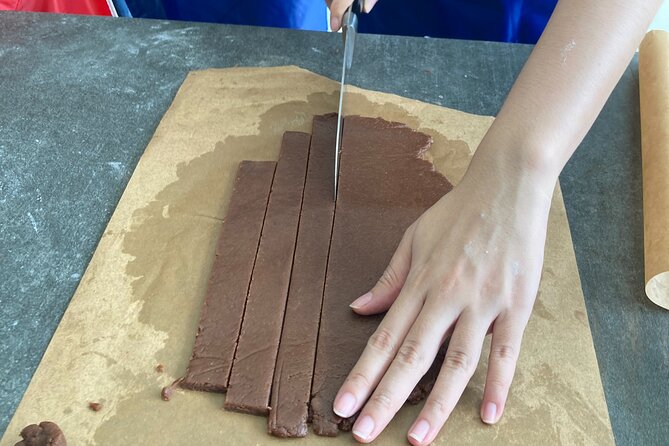
- Dough know-how: You’ll learn about making different types of dough, and how the dough changes based on ingredients and handling.
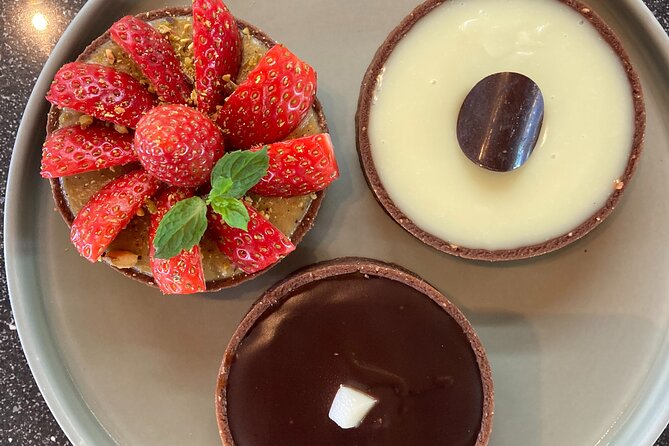
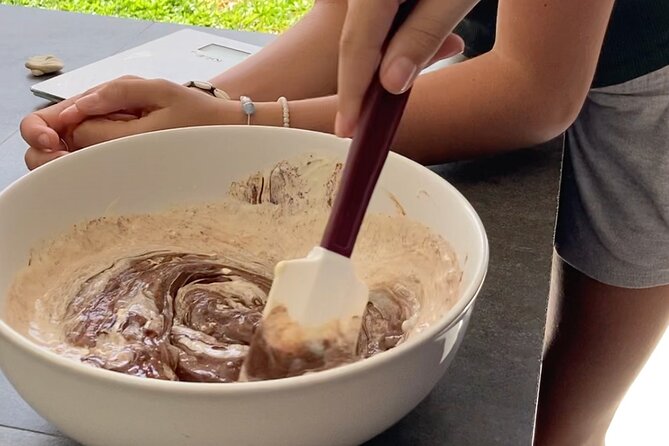
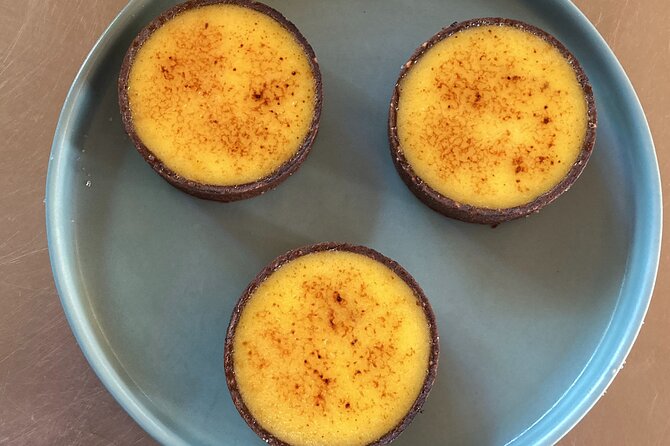
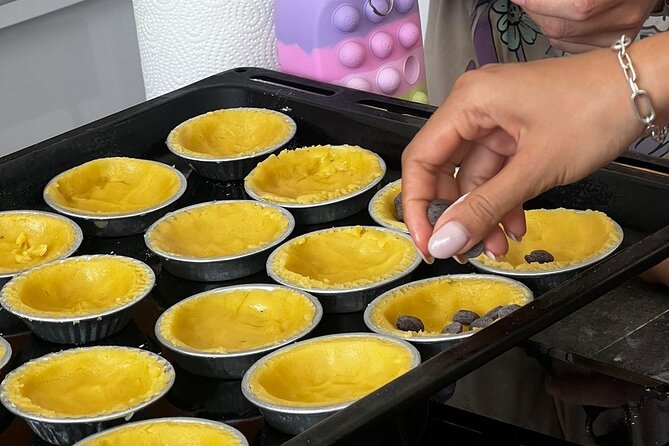
- Fillings and components: You’ll work with fillings and toppings such as custards, creams, fruits, and nuts. You’ll also learn how to create cream bases, ganache, and other common pastry components.
- Decorating and presentation: This isn’t only about taste. You’ll practice shaping and decorating skills, including piping and layering—techniques that make the pastry look like it belongs in a bakery case.
- Flavor combinations: You’ll explore how to experiment with flavor pairings and presentation so your finished pastry looks as good as it tastes.
- Troubleshooting: This is the underrated part. You’ll learn what usually goes wrong and what to do to avoid the same problem later.
What I like about this approach is that it treats pastry as a system. Once you understand what flour does, what fats change, and why leavening matters, you’re not dependent on perfect conditions or copying an exact recipe line-by-line. That’s a real upgrade in confidence.
A Realistic View of the 2-Hour Session Flow
You won’t be stuck in a long theory lecture. The class is structured around making and learning in quick loops: short explanations, then hands-on work.
Based on what the class says it teaches, you can expect a flow like this:
- Start with basics: You’ll review foundational pastry concepts (flour, fats, leavening) and how they affect your end result.
- Learn a technique, then practice it: You’ll work on dough creation and how to handle it, then move into creams/ganache and filling work.
- Decorate with intention: You’ll practice shaping and decorating, including piping and layering. If you’re creative, this is where you can have fun without needing to be an expert.
- Make your pastry and enjoy it: You’ll have an end product. The class includes ingredients and your cake/pastry to eat now or bring home, depending on what you prefer.
- Take-home support: Packaging is included, and you’ll also receive materials like an apron so you can finish without juggling extra supplies.
Because the class is framed as a learning experience (not a demo), the timing is usually tight in a good way. You’ll be moving from concept to action repeatedly, which is perfect for adults who don’t want to waste a vacation day trapped at a workbench.
Instructor Energy: When Attention Is the Difference
For me, the biggest value in a cooking class isn’t the recipe. It’s the person steering the ship.
This one is explicitly built for personalized attention, with small group sizing so the instructor can help you troubleshoot instead of just repeating instructions for the whole room. Past sessions have highlighted an instructor named Romano or Romain as knowledgeable and happy to share what they’ve learned. That matters because pastry is technical. If someone can explain why your dough is behaving that way, you learn faster—and you bake better.
You’ll also notice the class encourages creativity in presentation. One of the practical takeaways from similar sessions is that you’re not forced into a single design template. You can bring your own style to piping and arranging the final pastry.
If you’re:
- a beginner who wants to stop guessing,
- someone who bakes casually but wants structure,
- or a friend group looking for a fun, skill-building activity,
this teaching setup is a strong fit.
What’s Included (and Why It’s Great Value)
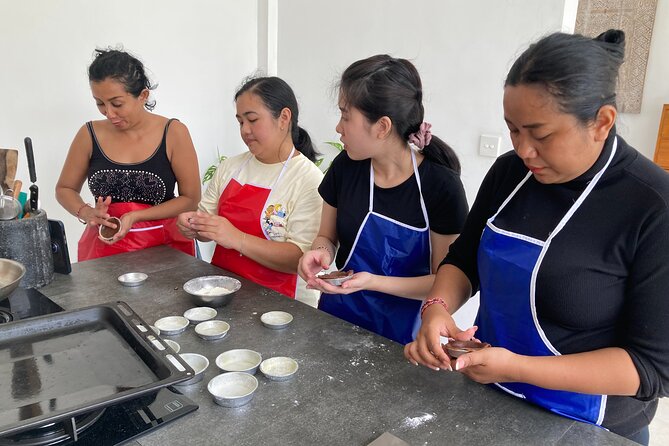
At $35.26 per person for about 2 hours, you’re paying for more than ingredients. The class includes the stuff that usually makes hands-on cooking expensive or inconvenient to DIY.
Included items:
- Everything needed to bake and make your creation
- Water (fresh mineral water is provided)
- Packaging and an apron
- Ingredients and your cake to eat now or bring home
So you don’t need to show up and ask where the bowl is, how the ovens work, or what tools you’re missing. You’ll be working with what the studio supplies. And since packaging is included, you can take your pastry back without improvising containers.
One more “value” angle: instruction that focuses on fundamentals. If you leave knowing how flour, fats, and leavening influence results, you can apply it to future recipes without paying for another workshop.
Price-wise, it’s not a bargain in the sense of “cheap,” but it’s a fair deal for a real skill session where you get to bake, decorate, and take something home.




Logistics in Kerobokan Kaja: Timing and Getting There
The activity starts at 85RH+VM8, Kerobokan Kaja, Kuta Utara, Badung Regency, Bali 80117, Indonesia and ends back at the meeting point. That’s convenient because you’re not dealing with a long schedule that drags you across town after class.
Your biggest logistical piece is transportation. Since transport isn’t included, you’ll want to arrange your own ride or plan your route ahead of time. The good news: it’s described as near public transportation, so if you prefer that option, you should have workable choices.
Also keep one travel reality in mind: the class requires good weather. That’s common in outdoor-heavy areas, but the key is that your day needs flexibility. If the session can’t run due to weather, the activity plan includes an option to choose a different date or get a full refund.
Finally, you’ll receive confirmation at booking and you’ll use a mobile ticket.
Who This Adult Pastry Class Is Best For
This is a class I’d point to for people who want a hands-on food experience with real technique—not just a quick taste.
You’ll probably love it if you:
- want a small-group activity with lots of chances to ask questions
- enjoy baking enough to care about how things work
- want a creative outlet through decorating (piping and layering)
- are traveling with friends or family and want something more active than sightseeing
- like the idea of French pastry basics with a hint of modern experimentation and seasonal ingredients
You might not be the best fit if you’re looking for a totally passive, sit-down museum-style experience. This is a work-with-your-hands type of class.
Should You Book This Pastry Workshop?
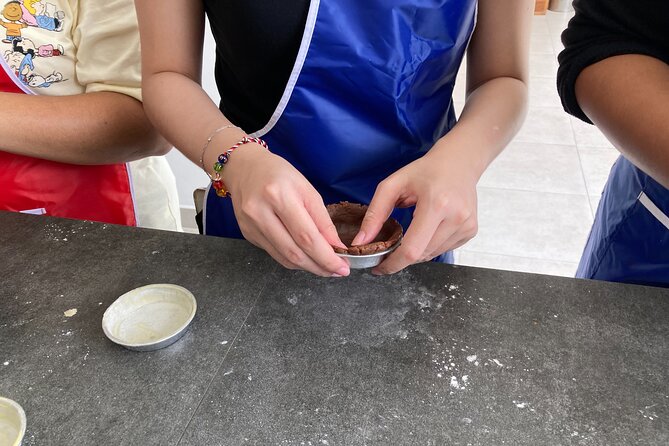
If you want a practical, skill-focused class in Bali—one that teaches fundamentals (flour, fats, leavening), gives you filling and decorating technique, and helps you troubleshoot—then yes, I think this is a smart booking.
Book it if:
- you value small-group attention,
- you want to leave with a pastry you can eat now or bring home,
- and you’re excited to practice dough, creams/ganache, and piping rather than just reading about it.
Skip or reconsider if:
- you don’t have an easy way to get to Kerobokan Kaja on time (since transport isn’t included),
- or you can’t be flexible if weather forces a change.
FAQ
How long is the pastry class?
The class is about 2 hours.
What is included in the price?
You get everything needed to bake, water (fresh mineral water), packaging and an apron, plus ingredients and your cake to eat now or bring home.
Is transportation provided?
No. Transport is not included.
How many people are in the group?
The lesson is limited to a maximum of 8 people, and the activity has a maximum of 10 travelers.
Does the class run in bad weather?
It requires good weather. If it’s canceled due to poor weather, you’ll be offered a different date or a full refund.
Where does the class start and end?
It starts at 85RH+VM8, Kerobokan Kaja, Kuta Utara, Badung Regency, Bali 80117, Indonesia, and ends back at the meeting point.
More Bali Workshops & Classes


More Bali Reviews & Picks
Still deciding? More Bali days reviewed, from volcano sunrises to island crossings









Workshops, compared.
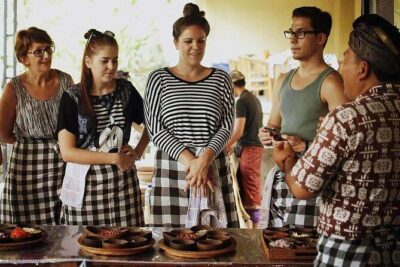 ★ 5.0Ubud Cooking Class Bali with Balinese ChefFrom $351,609 reviews
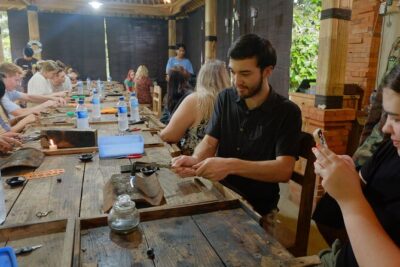 ★ 5.0Ubud Silver Class Jewelry making in baliFrom $36978 reviews
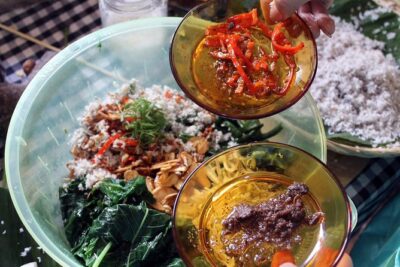 ★ 5.0PRIVATE Authentic Balinese Cooking Class in Ubud at Putu’s HomeFrom $75644 reviews
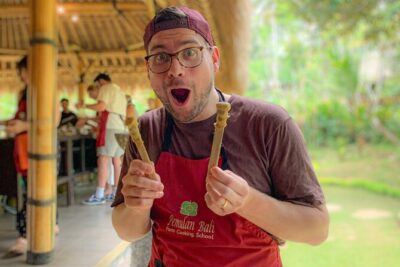 ★ 5.0Balinese Farm Cooking Class by Pemulan BaliFrom $39410 reviews
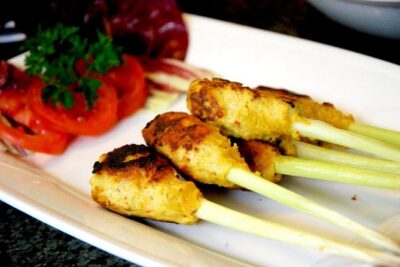 ★ 5.0Balinese Cooking Class in SeminyakFrom $66281 reviews
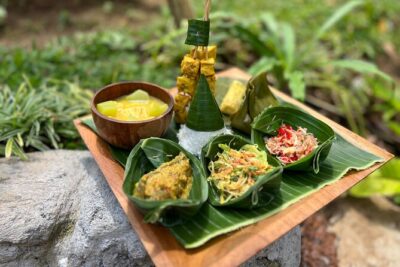 ★ 5.0Balinese Authentic Cooking Class in UbudFrom $39239 reviews
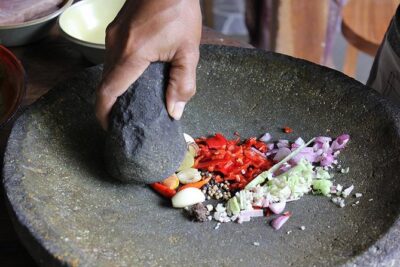 ★ 5.0PRIVATE Balinese Cooking Class in Ubud with Dewa with TransfersFrom $69213 reviews
 ★ 5.0Canggu Scooter LessonsFrom $31195 reviews
Browse the lists this tour appears in