
Reviewed · BATUR VOLCANO & KINTAMANI HIGHLANDS
Kintamani Down Hill Cycling
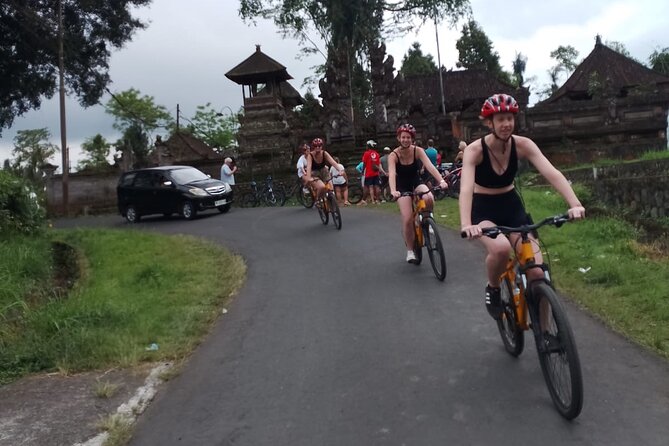
A bike ride that teaches village life. This Kintamani downhill cycling day blends an easy, mostly-downhill ride with real cultural stops, so you see how Ubud locals learn, build, and live.
I love the mix of village community visits and the feel of a ride that is fun even if you do not train for it. I also like that the day includes practical basics like bottled water and lunch, plus the route is built for a relaxed pace. One thing to keep in mind: the cultural stops can feel more informational than long or hands-on, so if you want nonstop wow-moments, you might want to set expectations for short stops.
In This Review
- Quick highlights
- How the Kintamani Downhill Route Feels (and how hard it really is)
- Pickup, timing, and why the small group size matters
- School stop: seeing Balinese education up close
- Traditional Balinese compound: philosophy, architecture, and traditions
- Rice fields and villages: the ride you came for
- Lunch with a view: where the day slows down
- Price and value: what $33.60 buys you in real life
- Practical tips so your day runs smoothly
- Who this Kintamani downhill cycling day is best for
- Should you book this tour or skip it?
- FAQ
- How long is the Kintamani downhill cycling experience?
- Do you get pickup in Ubud, and is transportation included?
- What’s included in the price?
- Is it suitable for families or beginners?
- What is not included?
- Can I cancel and get a refund?
Quick highlights
- Mostly downhill ride that keeps effort low for most people
- School visit for a clear look at daily education in a Balinese village
- Traditional Balinese compound to understand how philosophy and architecture shape daily life
- Ubud countryside to rice fields with some of the iconic views in the area
- Lunch with a view included at the finish point
- New bikes and helmets mentioned in guide-and-bike feedback, plus photo-friendly guidance
How the Kintamani Downhill Route Feels (and how hard it really is)
This is called a downhill bike tour for a reason. The route runs from the Kintamani area down toward Ubud, so you spend more time enjoying the scenery and less time grinding pedals. Many people come in expecting a workout and leave feeling surprised that the ride is manageable.
You should still plan around moderate physical fitness. Moderate means you can sit on a bike for a while and you are comfortable riding on rural roads. It does not mean you need to be a road-race cyclist. The fact that the ride is mostly downhill helps a lot, especially if you are traveling as a family or you want adventure without the misery after.
One practical detail: the bikes you are given matter. Several comments highlight new bikes that feel light to ride, and a good helmet is part of the comfort and safety equation. That combination makes the day feel less like a chore and more like transportation with bonus scenery.
Finally, timing is spread across an approximately 6-hour window. That is helpful because you get to enjoy stops and photos without feeling rushed.
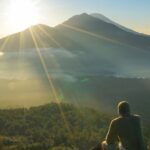
More sunrise treks and hot springs around Mount Batur

Pickup, timing, and why the small group size matters
Most days start with pickup offered from your hotel, then you transfer to the starting area in the Kintamani region. You are also covered with a shuttle in the Ubud area (so you are not stuck figuring out transport on your own). The tour ends back around the meeting point, which in practice lines up with getting you returned to where you started in the Ubud area.
What I like about having a maximum of 30 travelers is the balance it creates. Big enough for good energy, small enough that your guide can actually keep an eye on the group—especially useful when people are moving between viewpoints, the school stop, and the compound.
For logistics, you get mobile tickets and confirmation right at booking time. That cuts down on the back-and-forth stress that can happen with day tours.
If you are price-checking against other bike options, one value point is that the price includes real costs, not just the bike. Entrance fees and the basics (like bottled water and lunch) are part of the package, which helps you avoid surprise add-ons while you are trying to keep the day simple.
School stop: seeing Balinese education up close
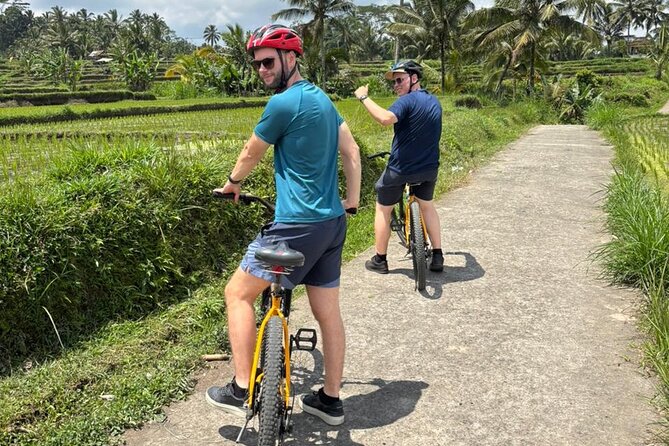
The first big cultural stop is a local school. The goal is not a museum-style visit. It is a snapshot of daily education in a Balinese village, with children in class as you observe day-to-day learning.
This part of the day is worth your attention because it changes your relationship to the place. Cycling can make you see scenery like a postcard. The school stop brings you back to people—how a community invests in its kids, and how village life is structured around routines.
A few things to do to get more from this stop:
- Keep your pace calm when you arrive.
- Watch quietly and look for what the children are doing, not only the buildings.
- Assume your presence is noticed, and act respectfully.
Also, do not expect a long stop. This is one of the brief moments that gives context to the rest of the ride. If you are the type who wants deep Q&A, you might find you get more general explanations than extended conversation, but the payoff is the human connection you would otherwise miss.
Traditional Balinese compound: philosophy, architecture, and traditions
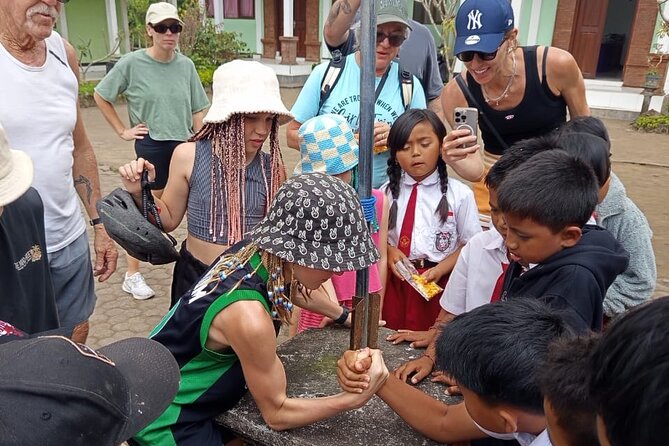
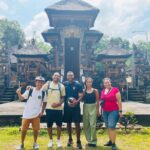
After the school visit, you move to a traditional Balinese compound. This is where the day shifts from scenic cycling to cultural understanding.
You will learn about Balinese philosophy, the way architecture reflects values, and the traditions that shape daily life. In plain terms, you get a guided explanation of why spaces look the way they do and how the living culture influences the built environment.
A compound visit is also a good reality check. You start to see that Bali is not only temples and tourist paths. It is also households, family routines, and the everyday system that keeps community life working.
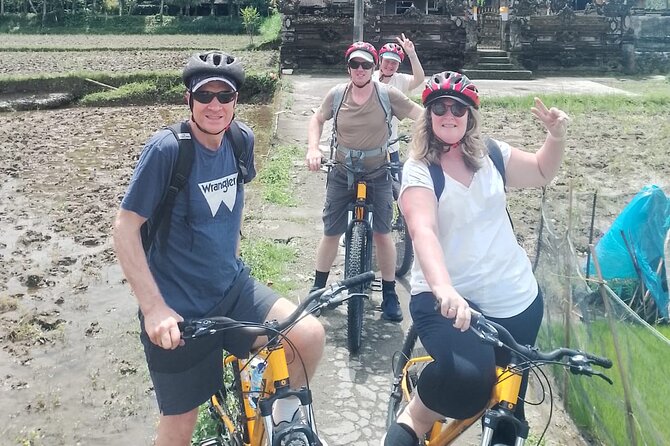
What I suggest you do here: focus on the logic of the layout and the reasons behind rituals, rather than trying to memorize terminology. If your guide is name-sharing and photo-ready (guides such as Eka and Niko come up for clear explanations and picture help), lean into it. Ask for simple, practical context like how locals think about the space and why certain elements matter.
One consideration: compound visits are often structured. That means you might not get to wander freely. You will still come away with more understanding than you would from simply seeing a temple from the road.
Rice fields and villages: the ride you came for
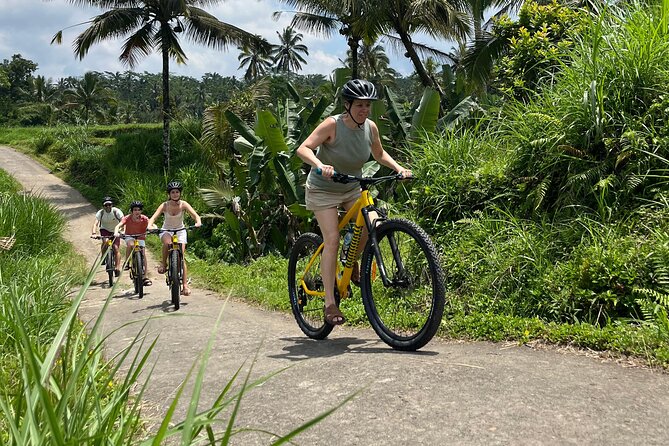
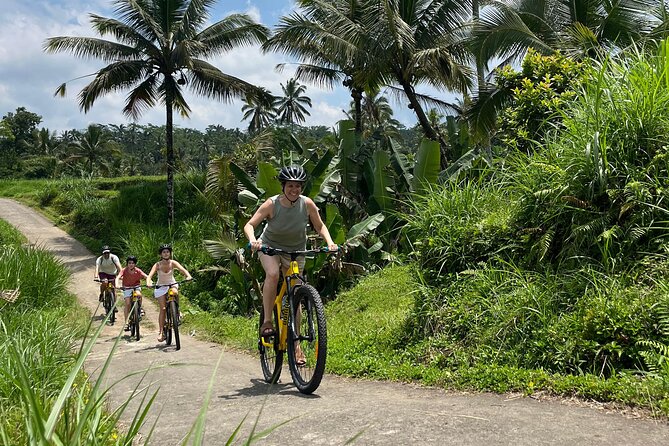
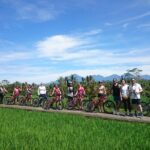
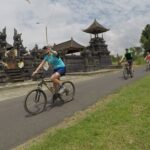
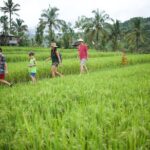
Now you get back on the bike for the heart of the journey. This segment is where the day earns its reputation: cycling through villages, farms, and down into the rice fields, with views that are often described as some of the most iconic around Ubud.
Even if you are not a strong rider, downhill cycling helps. The bike feels easier to manage than you might expect, especially with light, new equipment. Several comments point out that the ride feels smooth and that the scenery changes often enough that it stays interesting.
Another thing you should know: the most memorable moments tend to be when you are between stop points. That is when you get the uninterrupted sense of place—rural lanes, homes, and greenery sliding by at a relaxed pace.
If your guide takes photos, this is where it matters. Having someone who is patient and helps you capture the day without making you feel rushed can turn this into something you want to remember, not just survive.
The only potential drawback is that not every stop feels equally exciting. If you are coming for the pure bike experience, you might find the ride is the main event and the cultural stops are support acts. That is not bad—just be honest with what you want most from your day.
More cycling and e-bike rides through the rice country


Lunch with a view: where the day slows down
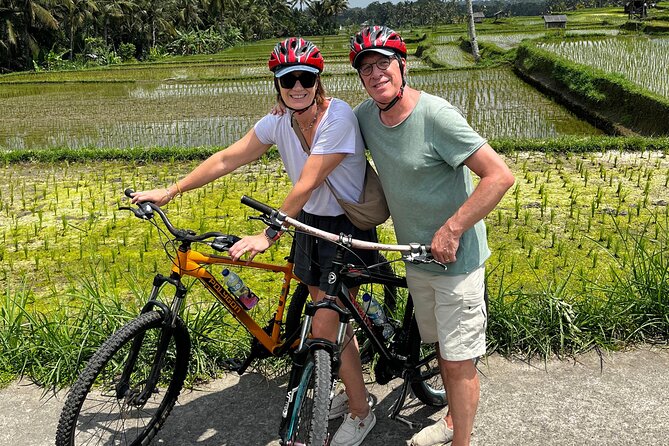
At the finish point, you get lunch included. And yes, the meal is served with an excellent view, which makes the transition from cycling mode to “sit and enjoy” mode feel natural.
Lunch is more than calories here. It is part of the cultural rhythm of the day—pause, reflect, eat, then head back. If you have been biking through heat and changing scenery, a proper break helps you feel like you completed a full experience, not just a short ride.
Because lunch is included, it also makes budgeting easier. At around $33.60 per person, you are not paying extra at multiple points for basic needs. The day already covers lunch and bottled water, so you can focus spending on personal items only.
If you are picky about timing, aim to be ready right when lunch is offered. These tours keep a schedule so the group can return to the pickup zone comfortably.
Price and value: what $33.60 buys you in real life
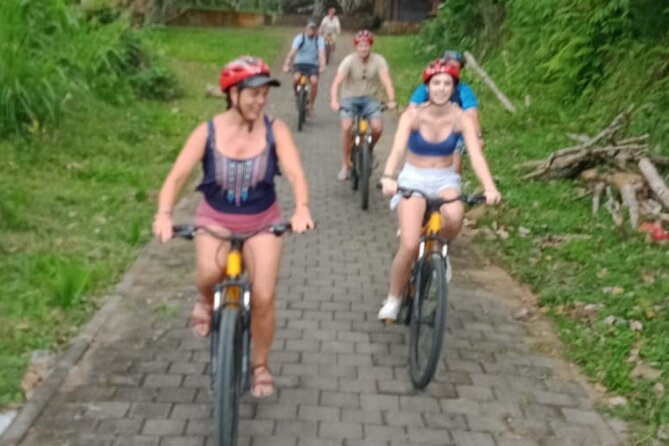
At $33.60 per person, this tour is priced like a budget-friendly adventure, but it is not only about the bike. You also get:
- Pickup offered and shuttle in the Ubud area
- Bottled water
- Lunch
- Entrance fees
- A day that mixes activity with culture stops
- A small-group setup (up to 30 people)
- Mobile ticket and on-booking confirmation
Where the value really shows is in the time. A downhill cycling route with cultural stops typically costs more when you have to arrange transport, pay entry fees, and coordinate meals separately. Here, you are paying for a package that already handles the usual friction points.
Also, bike and gear quality matters. Several comments highlight new bikes and helmets, which makes a difference on comfort and confidence. That is the kind of detail you feel on the ride, not something you have to guess before you buy.
One extra detail worth noting: some people mention coffee and tea tasting as part of what is included in the price. Even if that is not your main reason to book, it supports the idea that the day is built as a full program, not just a point-to-point ride.
Practical tips so your day runs smoothly
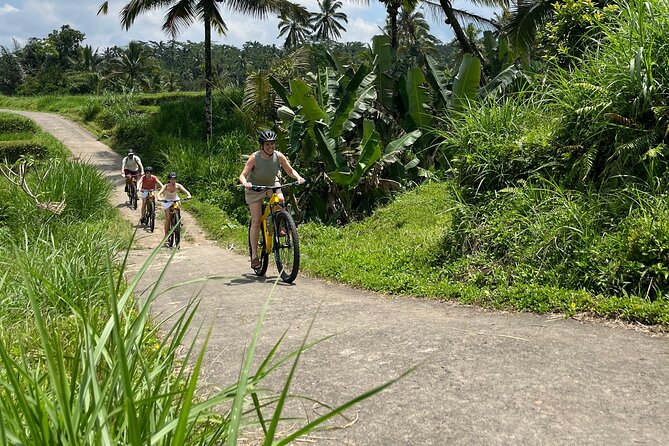
Here is how to make this tour feel easy and enjoyable:
- Wear comfortable shoes with grip. You want stable footing when you stop for photos and transition between locations.
- Bring sun protection. You will be outside for a chunk of the day, especially with rice-field views and open roads.
- Pack light. You will have a full schedule with stops, so you do not want a heavy daypack.
- Bring a small patience buffer for the cultural stops. They are short, but they are meaningful.
- If you care about photos, stay close during the viewpoints. Guides who help with pictures (including Eka and Niko in the feedback you provided) often do it best when people do not drift too far.
And a simple mindset shift: treat the day as a story. Cycling is chapter one, and the school + compound stops are chapter two. When you blend them, the ride makes more sense. When you only focus on the bike, you miss part of what makes this experience different.
Who this Kintamani downhill cycling day is best for
This tour fits best if you want:
- Active adventure without a punishing climb
- Culture that is not only temples on a checklist
- A fun group day with room for families and mixed comfort levels
- Iconic Ubud-region views paired with real community stops
If you are traveling with children, this is one of the reasons people like the tour: it is downhill, so the effort stays lower than you might expect. If you have limited time in Ubud and you want one standout outdoor day, this also works because it is packed into about 6 hours.
On the other hand, if you want a long, deep cultural session with a lot of free time, you might feel the stops are brief. And if you are the type who needs constant motion, the scheduled breaks might feel like a rhythm shift.
Should you book this tour or skip it?
Book it if you want an easy-to-manage cycling day with real cultural context. The best version of this experience is when you like simple structure: pickup, ride, school and compound learning, rice-field views, lunch, then back again.
Skip it only if you want either:
- a pure endurance cycling workout, or
- a long, slow cultural immersion with lots of unstructured wandering.
One final reason to consider booking: the day is priced so you get a lot of basics covered—lunch, water, entrance fees, and transport in the Ubud area—and it is backed by a high satisfaction score (4.9 with 14 ratings). If you like value, clear scheduling, and a route that is more fun than exhausting, this is a strong fit.
And if plans change, check the free cancellation window: you can cancel up to 24 hours before the start time for a full refund.
FAQ
How long is the Kintamani downhill cycling experience?
It runs for about 6 hours.
Do you get pickup in Ubud, and is transportation included?
Yes. Pickup is offered, and a shuttle in the Ubud area is included. The activity ends back at the meeting point.
What’s included in the price?
The price includes bottled water, lunch, entrance fees, and the shuttle in the Ubud area.
Is it suitable for families or beginners?
It suits people with a moderate physical fitness level, and the ride is downhill, which helps keep effort lower than many cycling tours.
What is not included?
Personal expenses are not included.
Can I cancel and get a refund?
Yes. You can cancel for a full refund if you cancel at least 24 hours before the experience start time.
More Bali Reviews & Picks



More Cycling & E-Bike Rides
More Batur Volcano & Kintamani Days


Still deciding? More Bali days reviewed, from volcano sunrises to island crossings







Batur Volcano & Kintamani Highlands, compared.
 ★ 5.0Mount Batur Sunrise Hike and Natural Hot Spring OptionFrom $331,927 reviews
 ★ 5.0Mount Batur Sunrise Hike with BreakfastFrom $301,757 reviews
 ★ 5.0Mount Batur Sunrise Jeep Tour with Optional ActivitiesFrom $241,555 reviews
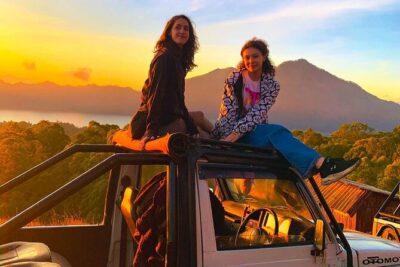 ★ 5.0Mount Batur Jeep AdventureFrom $211,420 reviews
 ★ 5.0Mount Batur Sunrise Jeep TourFrom $391,247 reviews
★ 5.0Mount Batur Sunrise Jeep TourFrom $201,198 reviews
★ 5.0Mount Batur Sunrise Jeep TourFrom $391,247 reviews
★ 5.0Mount Batur Sunrise Jeep TourFrom $201,198 reviews
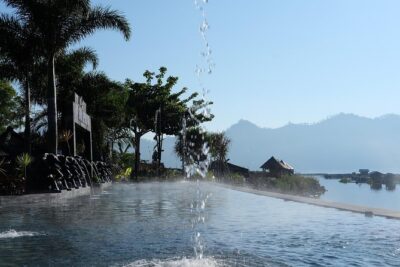 ★ 5.0Mount Batur Sunrise Trekking Private All InclusiveFrom $21906 reviews
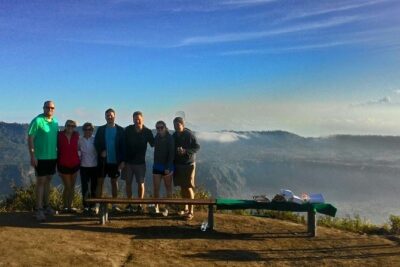 ★ 5.0Mount Batur Sunrise Trekking Private Tour with Breakfast and Hotel TransferFrom $49885 reviews
Browse the lists this tour appears in